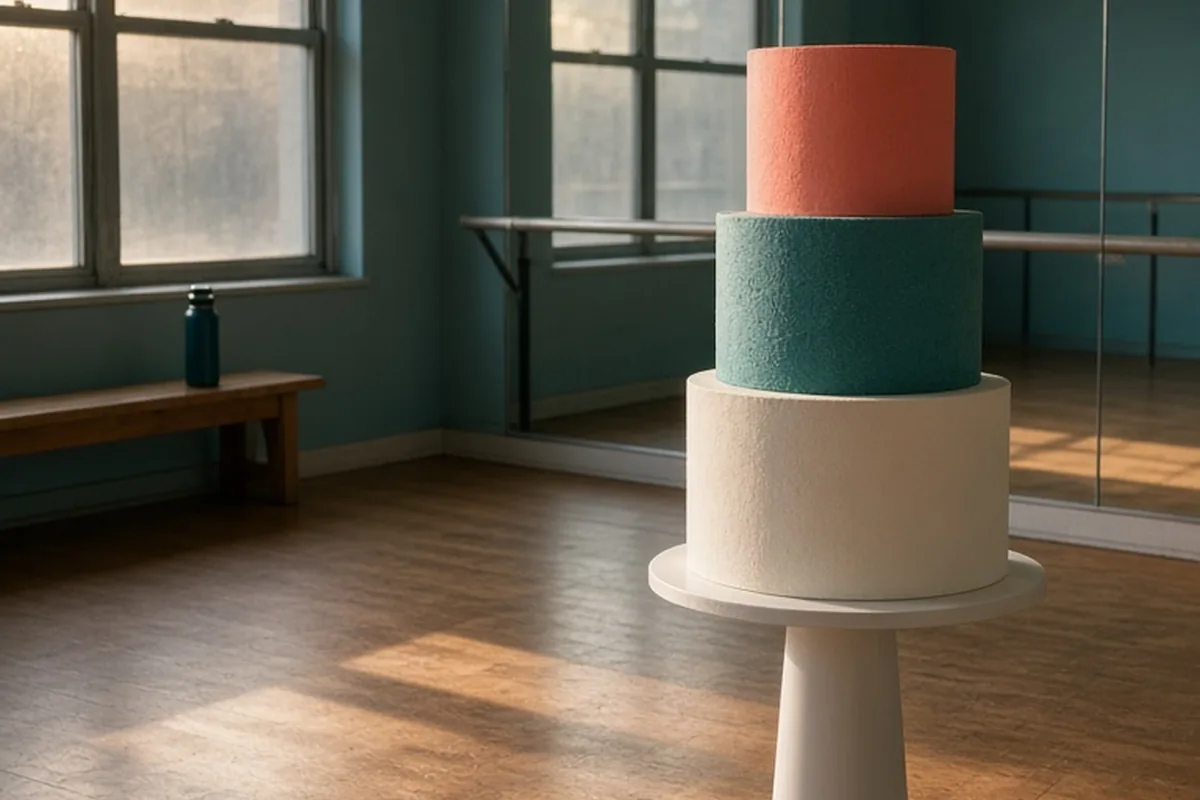
Before booking a fake wedding cake for cutting, ask the designer where the edible slice is inserted, what food-grade barrier separates the cake from the foam core, and whether they provide the cutting slice. You must also ask how sheet cakes are coordinated for guests, who handles venue delivery and post-reception pickup, and what specific damage clauses apply to rental contracts.
A faux wedding cake with a concealed edible pocket allows you to enjoy the towering visual presence of a designer showpiece while serving cost-effective kitchen sheet cakes behind the scenes. However, pulling off this visual illusion requires precise alignment between your cake designer, banquet servers, and photographer. Overlooking mechanical details or vendor handoffs can result in awkward delays, damaged rentals, or compromised food safety during your ceremonial first slice.
Confirming the Secret Cutting Slot Mechanics and Food Safety
The central engineering feature of a cutting-ready dummy cake is the hidden cavity built into one of the lower tiers. Ask your cake designer exactly where this pocket sits, how large it is, and whether the edible portion is inserted from the rear or through a hinged fondant panel. You need to know if the slot holds a standard rectangular slice or a triangular wedge, and whether the vendor pre-loads the cake before delivery or expects your catering team to insert it on-site. Clarifying these physical dimensions prevents a situation where your ceremonial knife strikes solid high-density foam instead of soft sponge.
Food safety standards must guide the interior construction of the cutout. Foam polystyrene and floral styrofoam are non-edible petroleum products that can shed micro-particles, dust, or toxic residue when sliced. Ask the baker what barrier material lines the interior of the compartment. Professional designers line the cavity with food-grade plastic inserts, wax-coated cardboard boxes, or food-safe foil shielding so the edible cake never touches raw foam. Inquire about depth clearance as well, ensuring your serving knife can glide through the slice without shaving off plastic or styrofoam flakes that could end up on your plate.
Visual cues are equally critical for the couple standing in front of dozens of guests and cameras. Ask the designer how you will identify the cutting zone without hunting around the exterior. Skilled decorators subtly mark the location using a slightly offset sugar pearl, an extra floral leaf, or a specific ribbon seam that faces away from the audience. Make sure your photographer and wedding coordinator know the exact placement of this marker so they can position you correctly before the music cues the ceremonial cut.
Selecting Fake Wedding Cake Materials That Withstand Venue Climates
Faux wedding cakes are generally constructed using one of two decorative finishes: real edible coatings like sugar fondant and royal icing over foam, or permanent synthetic mediums like lightweight spackle, polymer paste, and acrylic resins. Ask the designer which coating method they use and how it responds to the ambient conditions of your venue. Real sugar paste applied to a foam core can blister, sweat, or crack when moved between refrigerated delivery vans and humid outdoor marquees, whereas synthetic compounds remain physically rigid in variable weather.
Close-up appearance under professional photography lighting is another primary factor. While synthetic coatings offer unmatched durability and can be rented repeatedly, lower-grade acrylics can look rubbery or unnaturally glossy under flash photography. Ask to view unedited, high-resolution photographs of previous rental cakes under both natural daylight and indoor banquet lighting. If the cake utilizes real fondant over foam, ask how long the piece can safely sit in direct sun or high humidity before the decorative sugar flowers or piped borders begin to droop.
Tactile realism and scent also influence the guest experience around the cake table. A display cake coated in genuine vanilla fondant smells authentic to guests standing nearby, preserving the classic reception ambiance. Conversely, some permanent decorative sealants emit a faint chemical or paint odor if they have not fully cured. Ask the vendor how long the display has been cured and dried, ensuring that no artificial fumes linger around your dessert station or transfer onto the edible cutting slice.
Coordinating Sheet Cake Delivery and Kitchen Slicing Protocols
A ceremonial display cake is only half of your dessert operation; your guests will eat sheet cakes, often called kitchen cakes, sliced behind closed doors. Ask your designer whether their quote includes these sheet cakes or if you are responsible for ordering them from an outside bakery. If the display designer supplies both, verify that the sponge recipe, filling, and frosting profile of the sheet cakes match the flavor profile of the ceremonial cutting slice so you and your guests share the exact same culinary experience.
Timing between the dining room and the banquet kitchen requires tight synchronization to preserve the illusion. Ask your venue captain and baker how they recommend sequencing the service. The ideal scenario involves banquet staff wheeling pre-cut, uniformly plated sheet slices into the dining room immediately after you complete your ceremonial first cut at the sweetheart table. If the kitchen begins plating too early, guests may notice cake appearing from the back before the centerpiece has even been sliced, spoiling the presentation.
Portion planning and dietary modifications must be established during the booking phase. Sheet cakes are baked in standard half-sheet or full-sheet hotel pans, which yield predictable square portions when cut by kitchen staff. Ask the baker to supply a clear cutting grid to your banquet manager to guarantee your guest count is met without accidental underserving. Furthermore, ask how the bakery labels and separates specialty dietary portions, such as gluten-free or dairy-free slices, so catering staff can distribute them accurately without cross-contamination.
Managing Delivery Setup and Late-Night Retrieval Responsibilities
Because dummy cakes are significantly lighter than solid, multi-tiered sponge cakes, transportation and physical stability require careful handling. Ask the designer whether the rental piece arrives fully assembled in a single transport crate or if individual tiers must be stacked and secured on-site. Lightweight foam displays can easily tip over on uneven outdoor flooring or buffet tables exposed to strong drafts, so confirm whether the base tier is fitted with a weighted core or attached to an anchored presentation board.
Late-night collection logistics frequently cause friction if not outlined in the initial contract. Multi-tier rental cakes belong to the vendor, meaning someone must pack and secure the structure once the party winds down. Ask if the vendor offers an optional late-night strike service to collect the display directly from the venue, or if your wedding planner, family member, or caterer is required to re-pack it into protective crates and return it to the studio the following morning.
Storage requirements during the middle of the reception must also be clarified with the venue. Many couples prefer to have the large display cake wheeled away into a secure holding room after the ceremonial cutting to clear space for late-night dancing. Ask the venue staff where the display will be stored during this transition and confirm that the room is climate-controlled and free of high-traffic kitchen hazards where servers carrying heavy trays could accidentally scrape the delicate tiers.
Reviewing Rental Contracts, Damage Deposits, and Knife Scratch Clauses
Rental contracts for display cakes contain specific stipulations regarding wear and tear versus catastrophic damage. During the ceremonial cut, nervous couples or dull ceremonial knives can easily slip, puncturing the surrounding foam or gouging decorative plaster outside the designated food slot. Ask the vendor how they distinguish between minor, repairable surface abrasions and billable structural damage. Clarify whether your security deposit covers normal cosmetic repairs or if an accidental knife nick results in a complete forfeiture of your funds.
Examine the specific financial terms governing your security deposit. Most studios require a refundable deposit upfront in addition to the base rental fee. Ask when and how this deposit is returned, what documentation the studio provides if deductions are made, and how disputes are handled. If the cake is accidentally dropped by venue waitstaff during transport to the kitchen, you need clear contract language establishing whether venue commercial insurance handles the claim or if liability falls entirely upon you as the signee.
Review policies surrounding cancellations, date postponements, and weather contingencies. Outdoor receptions present unique hazards for rented props, including sudden downpours or heavy wind. Ask what emergency alternatives the contract allows if severe weather forces your reception indoors, and confirm whether the vendor permits changes to your design configuration if your guest count and floor plan change weeks before the event.
Comparing Total Expenses Across Rentals, Kitchen Cakes, and Service Fees
While booking a fake cake for cutting is widely viewed as a budget-saving strategy, it does not automatically cut dessert costs in half once all peripheral line items are calculated. To accurately assess the value, ask for an itemized estimate that combines the rental fee for the display piece, the cost of the custom edible insert, delivery and late-night retrieval charges, and the per-slice pricing for sheet cakes. In some instances, an elaborate custom faux cake commissioned from scratch can cost nearly as much to produce as an edible tiered cake due to the high artist labor hours required for hand-crafted sugar flowers and detailed piping.
Venue cake-cutting fees represent another major variable that can alter your financial calculations. Many banquet halls and caterers charge a standard service fee per person to slice, plate, garnish, and serve wedding cakes, regardless of whether the cake came from an edible centerpiece or kitchen sheet pans. Ask your venue manager whether their standard cutting fee applies to sheet cakes sliced out of sight, and ask if using a display cake alters the required kitchen labor charges on your banquet invoice.
Consider the financial difference between renting an existing showroom model versus purchasing a custom-designed faux cake outright. Showroom rentals are significantly less expensive because the baker rents the same design across multiple weekends. If you require a bespoke design that matches specific bridal lace or unique color palettes, ask whether you have the option to keep the completed foam display after the event to resell to future couples or preserve as an anniversary keepsake.
Illustrative Scenarios
Coordinating Ceremony Timing and Cutting Slot Access
An illustrative composite case involved a couple who rented an ornate four-tier display cake featuring an edible rear slot lined with food-grade parchment. During the reception walk-through, their wedding coordinator noticed the cake designer had placed a subtle ivory sugar leaf on the back edge to mark the slot boundary. The coordinator briefed both the wedding photographer and banquet captain on the marker location prior to grand entrances. When the reception timeline called for the cake cutting, the couple approached the table with their photographer pre-positioned to shoot from the front facade, concealing the rear cutout. The couple slid the knife directly through the designated compartment without striking the interior styrofoam walls. The banquet team simultaneously wheeled out pre-sliced sheet portions from the kitchen, serving all eighty guests within ten minutes while keeping the illusion seamless.
Key point: Designating a clear visual marker for the edible slot and briefing both the photographer and banquet captain ensures smooth execution without clumsy knife slips or delayed guest service.
Frequently asked questions
Can guests tell that the display wedding cake is fake?
When constructed by a skilled cake designer using realistic piping techniques and high-quality finishes, guests cannot distinguish a dummy cake from a real tiered cake from their dining tables. The illusion only breaks if the couple visibly struggles to cut through a solid foam section or if kitchen staff fail to serve sheet cakes that match the appearance of the display.
What type of knife should be used for cutting a faux cake?
Use a smooth, non-serrated ceremonial cake knife rather than a heavy bread knife or jagged blade. A sharp, straight edge cuts cleanly through the real sponge slice inside the pocket without catching on the food-safe lining or tearing the surrounding decorative icing.
Who is responsible for placing the real cake slice into the dummy display?
Responsibility depends on your vendor agreement. Some designers prepare and seal the fresh edible wedge inside the cake before delivering it to the venue, while others deliver the faux shell empty and require catering staff to slide a freshly prepared slice into the lined compartment prior to the reception.
What happens if wind or guests accidentally knock the display cake over?
Because foam tiers are very lightweight, they are vulnerable to wind gusts and accidental table bumps. Ask your decorator to secure the display to a heavy baseplate, and check your rental contract to understand your liability limits under the security deposit clause in the event of an accidental fall.
Your next step
Request an itemized quote comparing the combined rental, delivery, and sheet-cake fees against a standard tiered cake, then schedule a joint call with your baker and caterer to finalize slot dimensions and kitchen serving timing.