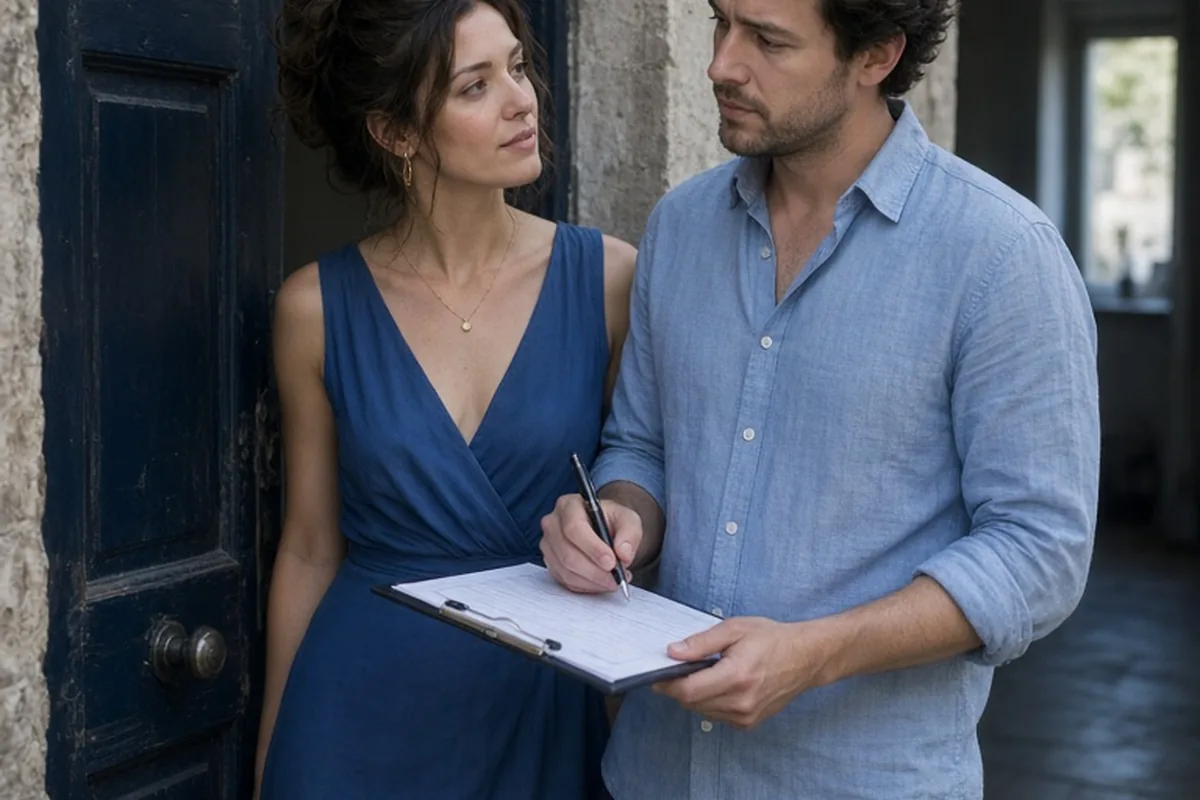
Before booking venues, group attire services, or finalizing wedding guest dress codes, ask coordinators about surface hazards like grass or cobblestone, climate control limitations, historic flooring rules, and strict religious modesty policies. You should also ask attire rental vendors about sizing windows, transit timelines, and replacement guarantees so your expectations align with what guests can realistically wear comfortably.
Establishing a wedding guest dress code involves far more than picking an aesthetic theme or selecting an adjective like formal or cocktail. The physical realities of your event spaces, regional seasonal shifts, vendor contract clauses, and third-party rental policies directly determine whether your requested attire is practical, safe, and courteous for the people attending your celebration.
Venue Surface and Flooring Inquiries to Make Before Setting Attire Rules
A venue's physical grounds represent one of the most common sources of dress code friction. Before you announce a black-tie or formal dress code that traditionally requires floor-length gowns and stilettos, ask the venue coordinator detailed questions about the path of travel between parking, ceremony, cocktail hour, and reception spaces. Unpaved gravel paths, manicured grass lawns, historic flagstone walkways, and open sand require entirely different footwear stability than polished ballroom floors. Inquire specifically whether the ceremony lawn is aerated or soft during the week of your event, whether the venue permits stiletto heel caps, and whether hard walkways exist as alternative routes for guests who use mobility aids or wear narrow heels.
Indoor architectural quirks also carry hidden footwear and attire rules that must be clarified prior to contract signing. Many historic estates, private art galleries, and landmark estates enforce strict preservation rules that ban narrow stiletto heels, metallic heel tips, or unpadded shoe bases to safeguard heritage parquet and hardwood floors. Ask the venue management directly if their contract includes a historical preservation addendum governing guest footwear or attire. If the facility requires heel protectors or flat shoes indoors, knowing this before establishing your dress code allows you to clearly communicate footwear advice or provide complimentary heel guards, avoiding awkward surprises at the entrance.
Religious, Sacred, and Cultural Decorum Rules to Review with Event Venues
When hosting any portion of a wedding inside an active house of worship, consecrated chapel, or historically protected sacred space, couples must clarify institutional decorum standards well before designing invitation suite insert cards. Certain traditions and administrative boards enforce specific modesty guidelines that override general wedding style trends. Ask the officiant, sanctuary director, or site coordinator whether guests must keep shoulders covered, avoid plunging necklines, wear head coverings, or remove footwear before entering the ceremonial hall.
Clarifying these institutional requirements early prevents misunderstandings between guests and site staff on the wedding day. Ask the venue whether they provide traditional head coverings or wraps for visitors who arrive unprepared, or if you as the hosts must source a designated basket of shawls or headpieces for the entrance foyer. Additionally, ask whether the modesty rules apply equally to all guests, vendor teams, and children, and whether those rules extend into transitional vestibules, photography gardens, or exterior courtyards during the prelude and postlude.
Microclimate and Temperature Control Capabilities to Verify on Site Visits
A formal dress code can quickly become uncomfortable if the venue cannot maintain a stable indoor temperature or shield guests from regional weather extremes. When touring potential locations, ask the operations manager specifically about the heating, ventilation, and air conditioning capacity in both the primary reception space and any converted outbuildings such as historic barns, industrial lofts, or open-air pavilions. Request documented cooling or heating output figures if you are booking a high-summer or mid-winter date, and ask where auxiliary blowers or ventilation units are positioned to verify they will not blow direct gusts of cold or hot air onto guest tables.
Outdoor and hybrid indoor-outdoor venues present unique exposure challenges that heavily influence whether a dress code is functional. Ask what wind-buffering infrastructure exists along exposed coastal cliffs or elevated terraces, as high wind gusts can disrupt elaborate headwear, lightweight fabrics, and layered formal styling. Ask whether the venue supply inventory includes patio heaters, commercial misting fans, or sidewalls for outdoor marquees, and confirm whether turning on this climate-support equipment incurs an additional hourly utility charge. If an unconditioned space cannot maintain ambient comfort, your guest dress code should be adjusted to allow breathable natural linens in summer or structured layering options in colder months.
Questions to Ask Group Attire Rental and Concierge Styling Vendors
If you plan to partner with an online suit and tuxedo rental service, dress concierge, or local haberdashery to support your guests with curated styling, rigorous vetting is essential before listing them as a recommended partner on your wedding website. Start by asking the rental vendor about their exact logistics timeline: How many days before the event will rental garments arrive at the guest's home, and what is the cutoff deadline for submitting custom measurements? Ask what specific protocol the company uses when a rental garment arrives with an incorrect fit, including whether they dispatch overnight replacement garments at no additional cost or maintain local tailor network credits.
Size inclusivity and geographic coverage are equally vital criteria to evaluate before recommending attire partners. Ask the vendor about their comprehensive size run across jackets, trousers, footwear, and specialty foundation garments, confirming whether they stock extended plus sizes, tall options, and petite cuts in every featured collection. For destination events or guests traveling across state lines, inquire about return procedures: Can garments be dropped into standard prepaid carrier dropboxes anywhere in the country, or are guests subject to tight 24-hour return deadlines that could penalize them while traveling home?
Defining Clear Dress Code Tiers on Invitations and Wedding Websites
Ambiguous terminology creates unnecessary stress for guests trying to determine what to purchase, rent, or pack. Common hybrid terms like 'Dressy Casual,' 'Creative Black Tie,' or 'Cocktail Chic' frequently produce wildly divergent interpretations, leading to some attendees appearing in full tuxedo attire while others arrive in casual sports coats. Before drafting your stationery text, decide on an established standard tier—such as White Tie, Black Tie, Black Tie Optional, Formal/Black Tie Optional, Semi-Formal/Cocktail, or Festive Attire—and verify that your chosen wording reflects the reality of the setting and hospitality provided.
If you want guests to follow a specific aesthetic accent or cohesive color palette, treat this request as a thoughtful, voluntary styling suggestion rather than an absolute mandate. Ask yourself and your planner how strict you intend to be if a guest wears a classic navy or charcoal suit instead of your preferred earth-tone palette. Use your wedding website FAQ section to provide constructive context: explain the atmospheric reasons behind your recommendation, specify whether darker or lighter tones suit the season, clarify expected footwear for the terrain, and provide two to three concrete outfit examples for each gender presentation.
Logistical Support Questions for Guest Transit and Cloakroom Facilities
The practical feasibility of an elevated dress code often hinges on the logistical amenities provided at the venue and host hotels. Ask your venue manager whether they supply a staffed coat check room with adequate capacity for the entire guest count, especially for late autumn, winter, or rainy-season weddings where heavy overcoats, umbrellas, and shoe changes will be standard. If the venue lacks a permanent coat check structure, ask where rolling racks can be placed out of sight and whether security or attendant staffing is included in your base facility fee or billed separately.
Transportation logistics also directly impact how well guests maintain formal attire throughout the event. If your itinerary involves shuttling attendees between a central hotel block, an off-site ceremony church, and a rural reception estate, ask your transportation vendor about vehicle clearances, climate control, and step heights. Entering and exiting high-step commercial passenger vans in floor-length evening dresses or structured suits can be difficult; ask whether the charter company provides step stools and handrails at boarding doors. Additionally, check with your room block hotels to verify whether in-room garment steamers, dry cleaning services, and full-length dressing mirrors are standard amenities in guest rooms.
Frequently asked questions
When should wedding guest dress codes be finalized and shared with attendees?
Dress code guidelines should be finalized before printing formal invitation suites, typically sent 8 to 12 weeks before the wedding. Preliminary guidance can also be included on save-the-date cards or your wedding website 6 to 8 months in advance to give out-of-town guests sufficient time to budget, shop, or arrange rentals.
Can a venue enforce a dress code that denies entry to underdressed guests?
Yes, private venues, historic clubs, and religious facilities have the legal right to enforce house dress standards and deny entry to individuals who do not comply with mandatory safety or modesty policies. This makes it vital to ask coordinators about mandatory dress rules in advance and communicate them clearly on your invitations.
What is the difference between Formal and Black Tie Optional dress codes?
Black Tie Optional indicates that a traditional tuxedo or floor-length evening gown is encouraged, but a dark formal suit and tie or an elegant midi-to-maxi dress is entirely acceptable. A Formal dress code is slightly broader, encompassing dark suits with neckties, sophisticated pantsuits, and formal cocktail or midi dresses alongside traditional evening wear.
How should couples handle dress code accommodations for guests with physical disabilities?
Always prioritize guest comfort, medical equipment needs, and mobility over strict aesthetic rules. Clarify on your website that supportive orthopedic footwear, temperature-regulating clothing, and mobility aids are fully welcomed across all dress code categories, and ask your venue coordinator to ensure all ADA-accessible pathways remain unobstructed.
Your next step
Review your venue contract and walk the property's physical paths to identify flooring, climate, and religious constraints before publishing your final guest dress code wording.