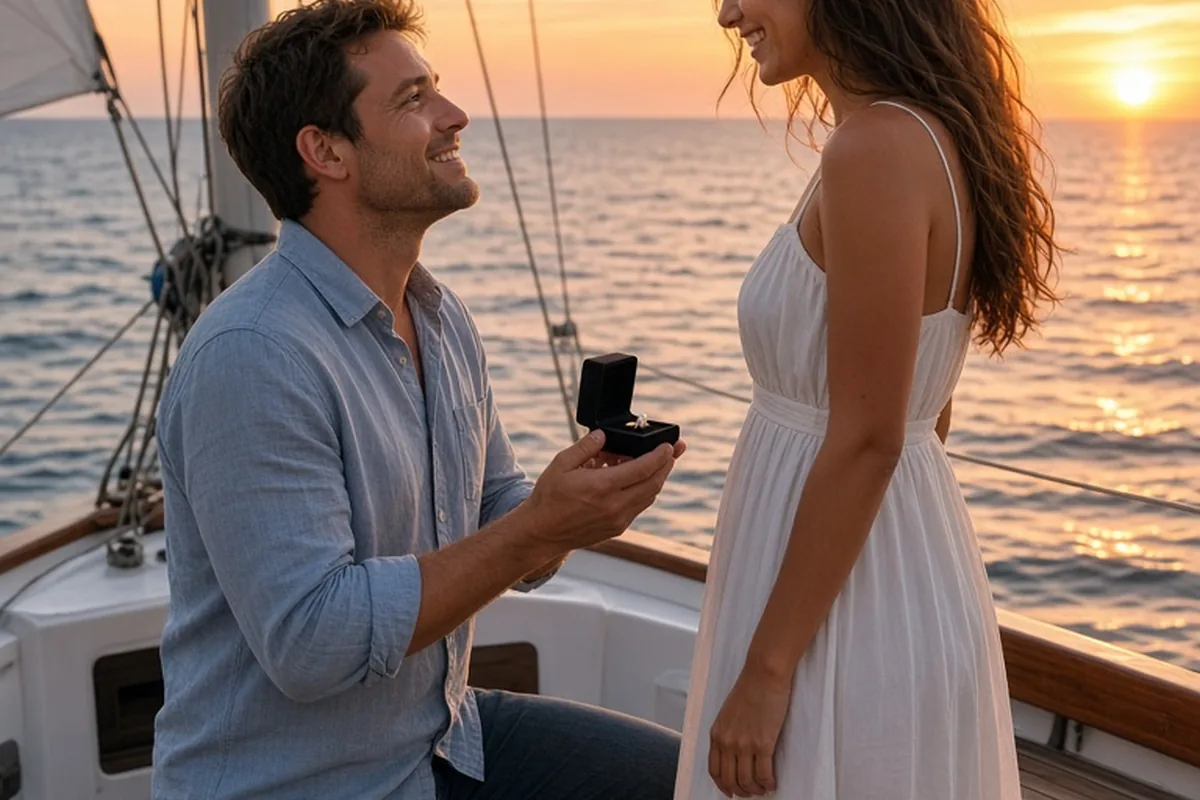
To plan an unforgettable beach proposal, match the setting to your partner's personality, prioritize privacy over spectacle, and account for coastal elements like tides, wind, and shifting sands. Whether you choose a sunset shoreline picnic, a quiet stroll toward a secluded cove, or a coastal charter, success comes from timing your arrival around low tide, securing the ring in a zippered pocket, and having a realistic backup plan for coastal weather.
A shoreline engagement offers an incredible natural backdrop, but ocean environments bring distinct logistical realities that indoor venues never face. Taking time to balance romance with coastal awareness ensures your milestone feels seamless, calm, and memorable rather than chaotic.
Taking a Secluded Cove Walk Away from Crowds
Walking along the water as the tide pulls out creates an organic, low-pressure setting where conversation flows naturally without artificial staging. Choosing a tucked-away cove, a quiet nature preserve, or an uncrowded bend of shoreline allows you to avoid the public spectacle that can make an introverted or private partner feel self-conscious. Rather than orchestrating an elaborate stage with obvious props that give away the secret prematurely, you let the natural rhythm of the ocean set an unhurried tone. To pull this off smoothly, scout the beach a few days prior at the exact hour you intend to walk. Take note of where foot traffic naturally thins out, where rocky bluffs block coastal breezes, and how far the water advances as the tide comes in. Having this mental map prevents you from wandering aimlessly or leading your partner into impassable wet terrain.
When you reach your chosen spot, pause naturally under the guise of admiring the horizon, looking for interesting sea glass, or watching the surf break over offshore reefs. Transitioning into the proposal feels genuine when you ground your words in your shared history rather than reciting a rigid, memorized script. You might reflect on an early trip you took together, a private joke, or simply express your gratitude for the partnership you have built over time. Keep the ring box secured in a zippered coat or pants pocket until you are completely stationary on dry, firm sand. A quiet, natural setting gives both of you space to react, celebrate, and speak honestly without shouting over crowds, barking dogs, or intrusive onlookers.
Setting Up a Wind-Resistant Coastal Picnic
A styled beach picnic provides a comfortable place to sit, talk, and celebrate, but oceanfront conditions can quickly dismantle flimsy arrangements if you do not plan for the elements. Instead of relying on tall floral vases, paper plates, or tall stemware that easily tip over in an ocean gust, opt for weighted, low-profile elements that stay firmly anchored. A heavy woven Mexican blanket or thick Turkish cotton throw layered over a water-resistant ground tarp keeps damp sand from seeping through your clothing. Use low wooden crates or weighted flat boards as stable surfaces, and pack solid glassware or insulated tumblers that stay upright even in an evening sea breeze. Avoid thin paper napkins that blow away into the ocean, choosing washable linen napkins instead.
Coordinate with a trusted friend, family member, or local picnic stylist to set up the area while you and your partner take a casual walk toward the spot. This strategy prevents you from lugging heavy gear across the dunes while trying to keep your proposal intentions a surprise. Include foods that tolerate ambient coastal temperatures and salty air, such as firm cheeses, cured meats, seedless grapes, and crusty breads. Avoid delicate pastries covered in loose powdered sugar or melting chocolate that attract insects or disintegrate in coastal humidity. Having cozy wool throws or windbreakers ready also ensures your partner stays comfortable long after the sun dips below the horizon.
Proposing on a Private Sunset Sail or Coastal Charter
Proposing from the deck of a sailboat or private charter vessel offers uninterrupted privacy and dramatic open-water views without strangers wandering across your background. Waterborne proposals remove common beach headaches like blowing sand, crowded public shorelines, and local park permit restrictions on decor. Before booking a charter, consider whether either of you is prone to motion sickness, as queasiness can quickly derail an otherwise romantic evening. Choose a calm bay, harbor, or protected sound rather than choppy open ocean waters to ensure smooth sailing. Review the operator's cancellation and rescheduling policies regarding unexpected storms, squalls, or heavy swells so you have flexibility if coastal weather turns rough on your scheduled date.
Communicate openly with the boat captain and crew before the departure so they understand your planned timing and timeline. Experienced skippers can position the vessel against the golden-hour light to maximize scenery and keep wind from whipping hair across your faces during photos or key moments. Plan your proposal during the middle portion of the cruise, allowing plenty of time afterward to celebrate with a quiet toast while watching the coastline light up at dusk. Wear boat-appropriate footwear with non-marking rubber soles to maintain steady footing on shifting decks. Keep the ring zipped securely inside an interior pocket until the exact moment you present it safely over the cockpit floor.
Organizing an Evening Beach Bonfire with Firelight and Music
An evening beach bonfire combines the primal warmth of crackling wood with the rhythmic sound of crashing waves, creating an intimate, nostalgic atmosphere as darkness settles over the water. This idea suits couples who love camping, acoustic music, or relaxed outdoor gatherings far more than formal dining. However, beach fire regulations vary widely along coastal areas, making upfront research essential. Many municipal beaches prohibit open wood fires on the bare sand but allow self-contained propane fire pits or provide designated concrete fire rings. Some regions require seasonal burn permits obtained from local parks departments or fire marshals to prevent wildfire hazards along coastal grasses and dunes.
Arrive in the late afternoon or have a friend claim an authorized fire ring early, as public fire rings fill quickly on pleasant evenings. As dusk turns to night, the natural glow of the fire creates an inviting circle of warmth and privacy away from the chill of ocean breezes. Bring along a vacuum-insulated thermos filled with warm spiced cider or rich hot cocoa, skewers with marshmallows for roasting, and a small blanket to share. Once you ask the question, having the fire already burning allows you to linger comfortably in the cool ocean air, sharing memories and talking about future plans without feeling rushed back to your car.
Arranging a Surprise Engagement Disguised as a Portrait Session
If capturing authentic expressions and high-quality photographs is a top priority, hiring a professional photographer under the guise of an ordinary couple's portrait session is an effective strategy. Framing the outing as a holiday card shoot, anniversary celebration, or casual session takes away suspicion while ensuring both of you are dressed in clothes you love. Local photographers who specialize in coastal portraits already know the best angles, seasonal light shifts, and secluded stretches of beach that tourist crowds rarely visit. They understand how coastal lighting changes rapidly during twilight and know how to avoid harsh glare from wet sand and reflective water.
Establish a clear non-verbal cue with the photographer before the shoot begins, such as the photographer asking you to turn back-to-back or suggesting a specific pose facing the ocean. That agreed signal gives you the green light to take out the ring, take a knee, and speak without feeling rushed or awkward. Professional photographers understand how to expose for harsh coastal reflections, backlighting from water, and rapidly changing twilight. After your partner says yes, you can transition straight into genuine, joyful engagement portraits while the adrenaline and excitement are still fresh, capturing spontaneous embraces and unposed smiles.
Planning a Sunrise Shoreline Proposal for Utter Solitude
While sunset proposals are widely popular, a sunrise proposal offers distinct advantages that evening events cannot match. Dawn is virtually guaranteed to be the quietest time on any public beach, providing wide-open stretches of clean, undisturbed sand before dog walkers, families, and beach umbrellas arrive. The ocean is often calmer in the early morning before thermal afternoon onshore winds pick up, creating mirror-like reflections along the tide line. The soft, pastel light of sunrise creates a gentle, dreamy atmosphere that feels personal and serene, offering a sense of privacy that is difficult to recreate on a busy evening beach.
To make a sunrise proposal feel natural, suggest waking up early to watch the sunrise with fresh bakery pastries and hot coffee or tea in insulated travel mugs. Dress comfortably for the brisk morning chill with layered knits or matching coats, which look timeless in photos and keep the focus on the moment rather than freezing temperatures. Because sunrise transitions rapidly into full daylight, time your arrival about twenty minutes before the sun breaches the horizon. This gives you the softest ambient light for your walk and ensures you are ready when the golden rays first hit the water. Celebrating over breakfast afterward extends the joy into an entire celebratory day.
Managing Tides, Wind, Beach Permits, and Ring Security
Beach environments present unpredictable physical variables that require proactive preparation to avoid avoidable disasters. Checking local tide charts is the single most critical technical step when planning any shoreline event. High tides can rapidly swallow narrow beaches within an hour, cutting off exit paths, soaking picnic blankets, or washing away carefully planned setups. Aim for mid-to-low tide during a falling tide cycle, which exposes broad swaths of hard-packed sand and provides ample room to position yourselves comfortably away from incoming surf. Wind speeds also pick up substantially near the water, meaning loose flower petals, paper stationery, and lightweight canopies will rarely stay where you put them without heavy weights or stakes.
Ring security demands utmost caution on sand. Dropping a small piece of jewelry onto loose sand or into shallow surf can result in an immediate, heartbreaking loss that a metal detector might not quickly resolve. Never handle an unboxed ring with cold or wet hands while standing in or near moving water. Keep the box zipped inside an internal jacket or pants pocket until you are firmly planted on dry ground. If you intend to use candles, arches, or amplified music, verify whether the beach requires an event permit. Public beaches frequently enforce strict rules against glass bottles, alcohol, and open flames, so verify municipal ordinances online before carrying prohibited items onto the dunes.
Frequently asked questions
How far in advance should I check tide and weather forecasts for a beach proposal?
Check general seasonal trends when choosing your date, but consult verified local tide tables and hourly wind forecasts forty-eight hours and twenty-four hours before the event. Coastal weather changes rapidly, so monitoring wind speed and high-tide timing on the day of the proposal helps you adjust your exact arrival time.
What should we wear for a beach proposal to stay comfortable without looking messy?
Choose tailored, breathable clothing in fabrics like linen, cotton, or knitwear that move naturally with coastal breezes and look polished in photographs. Flat shoes, boat shoes, or leather sandals work best for navigating sand and damp rocks safely, and keeping an extra jacket or wrap nearby prevents either of you from shivering after the sun sets.
Can I legally bring champagne or open a fire pit on a public beach to celebrate?
Regulations vary substantially by state, county, and municipality, so you must verify the rules on the official park or city beach website beforehand. Many public beaches strictly prohibit alcohol, glass containers, and open wood fires, though some permit propane fire pits or provide designated fire rings that you can reserve.
How can I prevent passersby or crowds from interrupting our proposal moment?
Scouting secluded beaches, visiting during off-peak hours like sunrise or shoulder seasons, and setting up away from main boardwalks and parking lot access paths offer the best natural privacy. If you choose a popular beach, having a friend stand twenty yards away can gently redirect curious beachgoers and dogs until your private moment concludes.
Your next step
Visit your target beach at the same time of day as your planned proposal to observe the real tide line, foot traffic, and wind conditions firsthand.