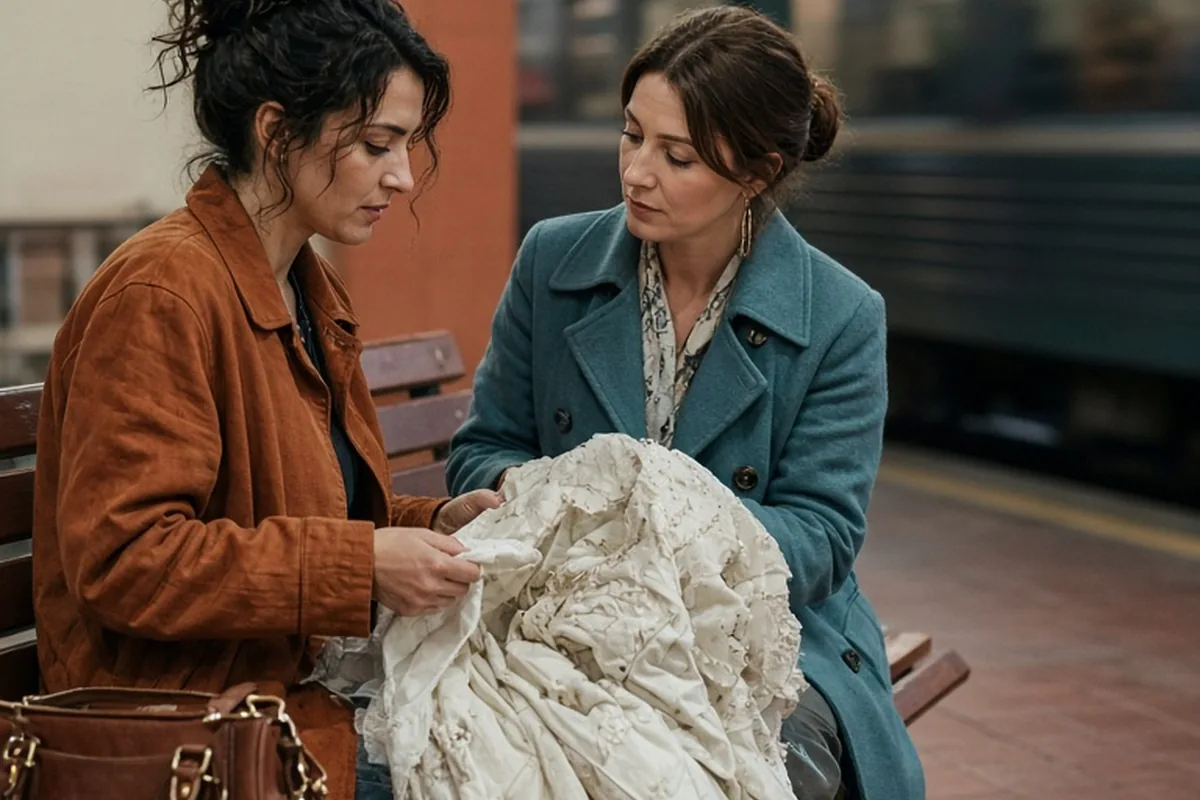
A sample wedding dress cost breakdown includes the discounted purchase price of the floor gown plus essential post-purchase expenses: specialized bridal alterations, professional cleaning, structural repairs, and pressing. While boutiques discount sample gowns significantly compared to made-to-order dresses because they have been tried on by previous shoppers, the final out-of-pocket investment depends heavily on tailoring complexity, fabric damage, zipper or beadwork replacement, and proper garment preparation before the wedding day.
Bridal sample sales give brides immediate access to designer gowns off the rack without the multi-month production lead times required for made-to-order dresses. However, calculating the true financial commitment requires looking past the markdown on the price tag to understand every individual line item involved in bringing a floor sample to aisle-ready condition.
What You Are Paying for When Buying a Boutique Floor Sample
A bridal floor sample is a display dress kept in a showroom for prospective brides to try on during styling consultations. Unlike made-to-order gowns that are manufactured to match a bride's closest standard size after a purchase contract is signed, sample dresses for sale are sold off the rack in their existing state. Boutiques host sample sales periodically to clear inventory for incoming seasonal collections, phase out discontinued designer styles, or sell off showroom stock when a label is no longer carried. Because these garments have been handled by stylists and tried on by multiple shoppers, bridal salons mark down the initial purchase price below the original retail suggested price.
When purchasing a sample gown, you are buying the physical garment on an 'as-is, final-sale' basis. This means the sale rarely includes bundled services such as complimentary fittings, future size exchanges, standard boutique pressing, or manufacturer warranty coverage for fabric flaws. The initial transaction covers only the immediate ownership and physical handover of the dress. Understanding that the transaction is purely for the garment itself is the foundation for constructing an accurate, comprehensive budget that accounts for post-purchase expenses.
Essential Line Items in the Total Sample Wedding Gown Investment
To establish a realistic budget for a sample wedding dress, you must evaluate five distinct cost components rather than evaluating the purchase tag in isolation. The first component is the base acquisition cost paid to the boutique. The second component is professional bridal alterations, which is almost always the largest variable expense because sample gowns are rarely an exact match for the buyer's proportions. The third component is specialized dry cleaning or restoration, which addresses floor dust, handling oils, and makeup transfer accumulated during showroom appointments.
The fourth component covers garment repairs, including replacing broken closures, fixing stretched illusion mesh, securing loose beading, or mending torn lace appliques. The fifth component is final finishing and storage, which encompasses professional steaming or pressing right before the wedding date, along with a breathable bridal-grade garment bag and acid-free storage materials. When evaluating whether a discounted sample fits your wedding budget, totaling these five categories gives you the true financial baseline needed to compare the sample against ordering a new dress.
Alterations and Tailoring Realities for Off-the-Rack Bridal Sizing
Bridal sizing operates on proprietary measurement charts that differ significantly from standard contemporary street sizing. Most bridal salons order their sample inventory in bridal sizes eight, ten, twelve, or fourteen, which typically correspond to several sizes smaller in everyday clothing. When you purchase a sample dress, you must tailor that specific physical silhouette to your unique bust, waist, hip, and height measurements. Taking in a dress that is one or two sizes too large is standard practice for skilled seamstresses, but taking in a dress by three or more sizes requires deconstructing the entire bodice, adjusting side seams, repositioning darting, and reshaping armholes to prevent the proportions from distorting.
The complexity of the dress construction directly influences the labor hours your tailor will bill. Gowns with clean crepe or unadorned satin lines generally require fewer hours to adjust than multi-layered ballgowns featuring horsehair braid hems, scalloped French lace borders, or continuous crystal embellishments that must be removed by hand and restitched along new seamlines. Furthermore, adding a bustle system—whether an American over-bustle, a French under-bustle, or a multi-point ballroom bustle—is a mandatory alteration for any dress with a train, with each anchor point adding dedicated labor to the overall tailoring invoice.
Cleaning, Restoration, and Fabric Care Considerations
Showroom floor samples naturally accumulate visible signs of wear from fitting sessions. The most common areas requiring attention are the hemline and train, which collect dust and floor residue as brides walk through the salon, as well as the interior neckline and bodice, which frequently show transfer from makeup, self-tanners, and natural skin oils. Addressing these issues requires professional cleaning by a specialized dry cleaner experienced in bridal textile care, rather than a standard neighborhood dry cleaner that uses high heat and generic commercial solvents.
Delicate bridal textiles such as silk organza, pure silk crepe, fine English tulle, and metallic brocades react differently to chemical dry cleaning agents and wet cleaning processes. Gowns with extensive heat-sensitive synthetic beading, glued crystals, or delicate feather accents require specialized hand-treatment techniques to prevent embellishments from melting, dissolving, or shifting during the cleaning cycle. It is best practice to have the dress professionally cleaned shortly after purchase, which allows any existing spots to lift before they oxidize and set permanently into the weave over months of home storage.
Evaluating Condition and Hardware Repairs Before Purchasing
Because sample sales operate under strict no-return policies, conducting a thorough physical inspection in the boutique fitting room is essential to avoid unbudgeted repair bills. Begin by examining high-stress mechanical points, specifically the zipper teeth, zipper pull, and hook-and-eye closures. Showroom zippers are frequently pulled under tension during try-ons, leading to split teeth or separated tracks that require a complete zipper replacement. Similarly, check covered satin buttons down the back to confirm that elastic loop closures are not stretched beyond elasticity or detached from the structural seam.
Next, inspect the structural foundation inside the bodice. Boning channels should sit flat against the interior lining without severe kinks, bends, or sharp ends poking through the fabric casing. Look closely at the armhole edges, illusion mesh panels, and delicate neckline trims to check for tears, fraying, or holes, as sheer illusion netting is exceptionally challenging to mend invisibly without replacing the entire panel. If you identify missing beading or loose embroidery, ask the boutique consultant whether the original designer supplied an extra packet of matching replacement beads and appliques with the sample.
Budgeting Strategy: When a Sample Dress Saves Money Versus Made-to-Order
A sample wedding dress delivers genuine financial savings when the gap between the discounted purchase price and the full retail price is wide enough to absorb standard alterations and cleaning while remaining well below your target spending limit. If a sample gown fits your silhouette closely—requiring only minor bodice tapering, a standard hem, and a routine bustle—the post-purchase expenses will remain modest, allowing you to maximize the value of the showroom discount. Additionally, purchasing an off-the-rack gown eliminates the rush production and expedited shipping fees charged by designers when a bride is planning a wedding on a compressed timeline under six months.
Conversely, a sample dress ceases to be a cost-effective choice if extensive structural remodeling is required to make the gown wearable. If a dress requires letting out seams where no interior seam allowance exists, completely redesigning the neckline to repair torn illusion mesh, or lifting heavily beaded lace panels across multiple layers of skirts, the resulting tailoring labor can match or exceed the original retail value of the dress. In such circumstances, ordering a new gown in your verified size from a moderately priced designer line often yields a cleaner fit, lower alteration costs, and a more predictable total expenditure.
Questions to Ask the Bridal Consultant and Seamstress Before Buying
Before presenting payment for a non-refundable sample dress, ask the bridal consultant clear, practical questions regarding the garment's history and construction. Inquire how long the gown has been on the active showroom floor, whether the designer is still actively producing the style, and if extra fabric, lace motifs, or matching beading packets are available for purchase directly from the manufacturer. You should also ask if the boutique can recommend verified local bridal alterations specialists who have direct experience working with that specific designer's interior corsetry and fabric patterns.
Once you have detailed photos of the dress, its interior seams, and any visible flaws, consult with an independent bridal seamstress before making your final decision whenever salon policies allow. Ask the tailor to evaluate whether the existing hemline construction allows for shortening without compromising the lace border, whether there is adequate seam allowance to adjust the bust or hips, and what an estimated labor range would be based on the gown's architectural layers. Gathering this information upfront ensures you commit to the purchase with full awareness of your total financial commitment.
Illustrative Scenarios
Illustrative Scenario: Assessing Alteration and Cleaning Overhead on a Floor Gown
A bride shopping on a four-month planning timeline found a designer lace A-line floor sample marked down significantly from its original retail price at an annual boutique sample sale. The gown was two sizes larger than her measurements, featured minor dust along the sweep train, and had loose beading near the back zipper. Before finalizing the non-refundable purchase, she brought photos and detailed measurements of the seam allowances to an independent bridal alterations specialist. The tailor evaluated that taking in the bodice and shortening the scalloped lace hem would require substantial handwork, while a specialized cleaner would need to spot-treat the train. By mapping these specific tailoring and restoration costs alongside the discounted ticket price, the total investment remained lower than purchasing a new gown with expedited rush shipping, confirming the purchase aligned with her overall wedding budget.
Key point: Factoring independent seamstress evaluations and cleaning estimates into the upfront decision prevents unexpected alteration expenses from eclipsing the initial markdown on a sample gown.
Frequently asked questions
How many sizes can a sample wedding dress realistically be altered?
Most professional bridal seamstresses can safely take in a wedding gown by up to two full sizes without distorting the design's structural balance or pocket placements. Letting a dress out is much more restrictive, as it depends entirely on the interior seam allowance left during manufacturing, which is rarely more than one half-inch to one full size.
Can all stains on a sample wedding dress be completely removed by dry cleaning?
Surface dirt, makeup residue, and light dust along the hemline can generally be removed or significantly reduced by an experienced bridal dry cleaner. However, older oxidized stains from self-tanners, beverage spills, or body oils that have set into delicate natural fibers like untreated silk over multiple seasons may not fully lift without damaging the fabric weave.
Do bridal boutiques include alterations in the sample sale price?
Bridal boutiques almost never include alterations in the ticketed price of a sample sale gown. Sample dresses are sold off the rack as standalone merchandise, meaning any tailoring, structural repairs, bustle additions, and pre-wedding pressing must be arranged and paid for separately with an independent seamstress or the boutique's alterations department.
Is a sample wedding dress always cheaper than ordering a new gown?
A sample gown is generally cheaper at the point of purchase, but the total investment is not guaranteed to be lower if the dress requires extensive labor. If a heavily damaged or significantly oversized sample requires complete bodice deconstruction, extensive re-beading, and full panel replacement, the cumulative tailoring fees can offset the initial markdown.
Your next step
Before purchasing a non-refundable sample wedding dress, schedule a consultation with an experienced bridal alterations specialist with photos of the dress's current condition and interior seams to obtain an itemized tailoring and cleaning estimate.