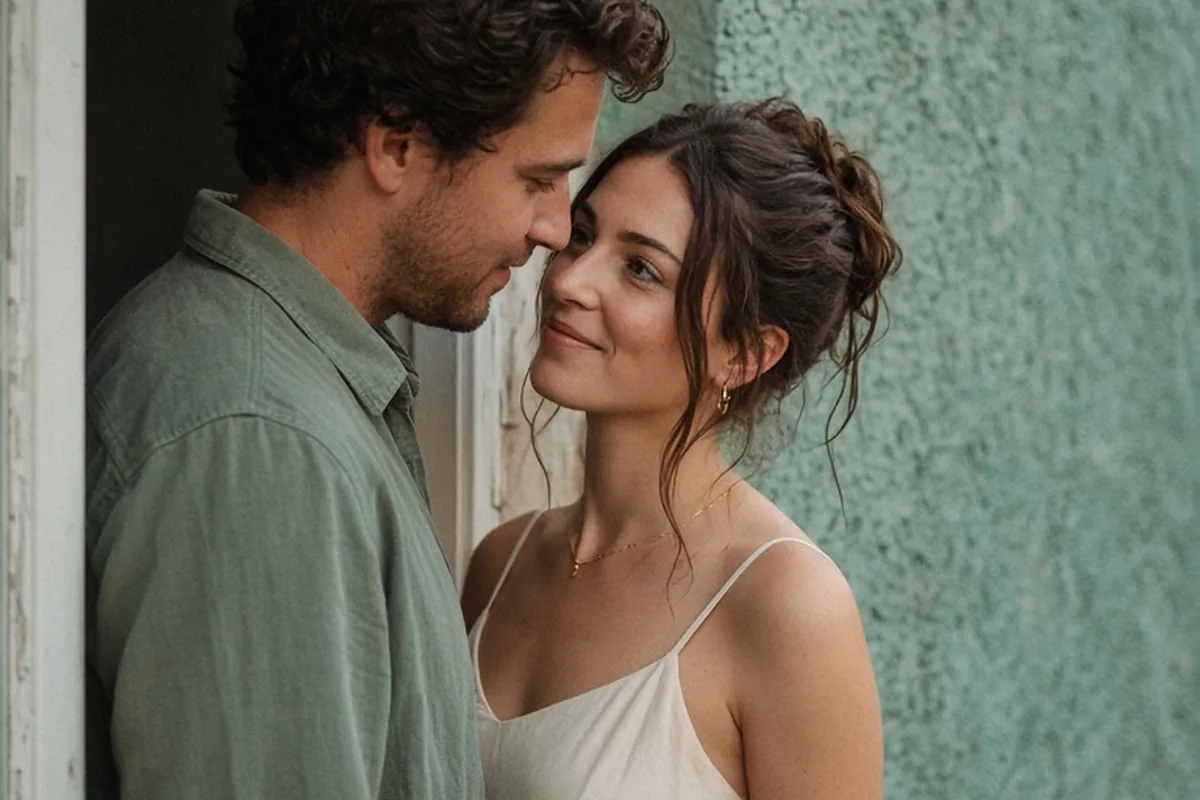
Sample wedding dresses for sale offer intimate wedding brides access to designer craftsmanship at reduced costs without standard manufacturing lead times. For smaller venues like city halls, private dining rooms, or backyard gardens, ideal sample gowns include lightweight A-lines, tailored sheaths, tea-length silhouettes, and minimalist slip dresses. Because showroom samples are tried on by multiple clients, buyers must evaluate structural integrity, zipper condition, fabric snags, and alteration feasibility before purchasing final-sale inventory.
Planning a micro-wedding, elopement, or relaxed gathering allows couples to rethink traditional bridal conventions, including wardrobe procurement. While standard bridal boutiques typically require several months of production time for made-to-order gowns, purchasing off-the-rack showroom samples provides immediate access to finished designer garments that align naturally with the scale, movement, and setting of smaller celebrations.
Matching Sample Wedding Dresses to Intimate Venue Settings
Intimate weddings shift the visual and practical expectations placed on bridal attire. In a large cathedral or spacious ballroom, dramatic ballgowns with six-foot trains create necessary visual impact from a distance. However, in spaces frequently chosen for smaller weddings, such as boutique hotel courtyards, historic chapels, private dining rooms, or city halls, massive skirts can feel cumbersome and restrict easy movement between dining tables and narrow aisles.
When browsing showroom sample racks for a small celebration, prioritize silhouettes that prioritize comfort, close-up texture, and ease of motion. Crisp crepe column gowns, flowing chiffon A-lines, and tailored sheath silhouettes integrate seamlessly into smaller footprints. In spaces where guests sit or stand only a few feet away, the intricate details of a designer sample, such as hand-appliquéd lace, delicate covered buttons, and fine embroidery, become the primary focal point rather than sheer garment volume.
Venue surface conditions also dictate which sample styles perform best. Outdoor garden ceremonies and public park elopements demand fabrics that resist snagging on pavement or collecting grass debris. A floor sample with a sweep train or a hem altered to skim the floor allows you to navigate outdoor steps and garden paths gracefully without requiring an attendant to manage your bustle throughout the event.
Inspecting Showroom Sample Dresses for Wear and Structural Damage
Bridal floor samples serve as try-on garments for dozens, sometimes hundreds, of clients before being placed on clearance racks. While many are in near-mint condition, others show signs of boutique wear that can affect the final appearance or require professional intervention. Because sample gowns are almost universally sold as-is with all sales final, a disciplined physical inspection is essential before completing your purchase.
Begin your evaluation at the structural stress points. Examine the zipper tracks, hook-and-eye closures, and interior waist stays to ensure the hardware functions smoothly without catching or pulling away from the seam allowance. Check the underarm areas for fabric thinning, perspiration discoloration, or makeup transfer. Inspect the bust cups and internal boning; boning channels that are bent, warped, or poking through delicate lining fabrics can cause discomfort and require labor-intensive restructuring by an experienced seamstress.
Examine the exterior fabric under natural or bright neutral lighting whenever possible. Bridal salon spotlights can disguise pulled threads in delicate silks, snags in illusion mesh, and missing beading along high-friction areas like the side seams and hip lines. Evaluate whether hemline dust is superficial surface dirt that standard professional cleaning can lift or permanent discoloration from foot traffic. Minor cosmetic blemishes can often be remedied, but torn illusion tulle along a neckline or dry-rotted vintage lace cannot easily be repaired without noticeable patching.
Managing Size Conversions and Alteration Limitations on Discounted Samples
Bridal sizing operates on standard sizing scales that generally run smaller than everyday high-street apparel. Most boutique sample racks carry standard floor sizes intended to fit mid-range try-on clients, often corresponding to bridal sizes eight, ten, or twelve. A bride purchasing an off-the-rack sample rarely finds a dress tailored to their exact proportions, making professional alteration planning a mandatory part of the procurement process.
A reliable guideline among bridal tailors is that a gown can comfortably be taken down up to two full dress sizes without distorting the garment balance, darting, or pocket placement. When a dress is reduced beyond two sizes, the structural proportions of the bodice, shoulder seams, and neckline can shift significantly, requiring extensive recutting that alters the original design. If you fall in love with a sample that is substantially larger than your measurements, consult an independent tailor with photos of the dress before committing.
Letting a sample gown out presents more stringent limitations than taking it in. Designer dresses constructed with narrow seam allowances offer little to no room for expansion. When evaluating a sample that feels snug through the ribcage or hips, turn the garment inside out to examine the internal seam allowances. If there is less than an inch of combined interior fabric along the side seams, the gown cannot be easily expanded without introducing complementary side panels or converting a zip closure into an adjustable lace-up corset back.
Creative Styling and Hemline Alterations for Compact Celebrations
One advantage of purchasing a designer sample dress at a discount is having financial and creative flexibility to customize the garment to your personal taste and venue scale. Because you are not paying the full retail price of a custom-ordered gown, altering the fundamental silhouette feels less daunting and can transform an ornate runway design into an effortless look for an intimate celebration.
A practical customization for small weddings is the intentional hemline chop. Removing long trains or heavy layers of interior horsehair braid can convert a traditional floor-length gown into a sophisticated tea-length or ballerina-length dress. Tea-length silhouettes provide a vintage aesthetic well-suited for historic courthouse weddings, rooftop champagne toasts, or chic restaurant dinners, while also eliminating any concern about dirty hemlines or tripping over fabric.
You can also scale back the formality of a dramatic sample by stripping away internal petticoats and crinoline. Bridal designers often incorporate multiple layers of stiff netting beneath the skirt to hold a rigid shape. Asking your tailor to remove these interior netting tiers allows the primary skirt fabric to collapse into a soft, fluid drape that looks natural in casual, close-knit settings. Similarly, heavy attached sleeves can be detached or modified into removable flutter sleeves, giving you two distinct looks between your ceremony and reception.
Sourcing Sample Gowns Through Boutique Clearances and Designer Trunk Sales
Finding high-quality sample gowns requires knowing where and when bridal salons cycle out their inventory. Independent bridal salons routinely refresh their showroom floors to make space for incoming seasonal collections. These turnover periods typically happen twice a year, during early summer and late autumn, prompting salons to host dedicated flash sales or maintain dedicated clearance racks tucked away from the main showroom.
To maximize your options, contact local boutiques directly to inquire about their floor sample inventory rather than waiting for publicly advertised mega-events. Public sample sales can be competitive, chaotic environments with limited dressing room access and strict shopping time caps. In contrast, scheduling an off-peak weekday appointment to view ongoing clearance items allows you to inspect dresses calmly, test different postures and movements, and discuss specific gown histories directly with your consultant.
Beyond traditional retail boutiques, explore dedicated bridal consignment salons and charitable wedding organizations. Consignment shops specialize in pristine samples from past seasons, canceled showroom orders, and unworn designer overstock. These environments provide a boutique shopping experience while offering transparent condition grading for every garment on the rack.
Calculating the True Financial Investment Beyond the Clearance Tag
While sample gowns feature significantly lower initial purchase tags than made-to-order gowns, the initial sticker price represents only one component of your total attire expenditure. Budgeting effectively for an off-the-rack sample requires anticipating three downstream costs: structural alterations, professional cleaning, and accessory adaptations.
Professional alterations for bridal gowns frequently represent a major portion of your wardrobe budget, particularly when dealing with complex fabrics. Tasks such as shortening a multi-layered hem, adjusting shoulder straps with intricate beadwork, or reshaping a boned bodice require skilled artisan labor. If a sample gown requires extensive rework to correct fit or repair minor wear, your tailoring expenses can match the initial cost of the dress. Always request an itemized estimate from an experienced bridal seamstress before finalizing your plans.
Specialized bridal dry cleaning represents another standard expenditure. Even a sample that appears clean to the naked eye has accumulated handling oils, ambient dust, and showroom deodorant residues. Standard commercial dry cleaners may use aggressive solvents that melt plastic sequins or degrade delicate silk threads. Using an established bridal preservationist or specialized wedding cleaner ensures that treated fabrics remain pristine for your ceremony.
Post-Purchase Care, Storage, and Timeline Planning for Off-the-Rack Buys
Securing an off-the-rack sample eliminates the multi-month manufacturing wait time associated with traditional bridal orders, but it introduces immediate storage and timeline considerations. Because the dress enters your possession on the day of purchase, maintaining fabric condition until your ceremony requires disciplined handling and climate management.
Store your gown in a breathable, non-woven fabric garment bag rather than the plastic wrapping commonly provided by dry cleaners. Plastic bags trap residual moisture and off-gas chemicals that can lead to fabric yellowing over time. Hang the dress by its internal woven hanging loops rather than the delicate shoulder straps or illusion neckline, which can stretch or warp under the weight of a heavy skirt. If the dress features substantial beadwork, consider storing it flat in an acid-free archival storage box to avoid seam strain.
Plan your alteration schedule with realistic milestones. For small weddings with shorter planning horizons, schedule your initial tailoring consultation at least eight to twelve weeks before your wedding date. This timeline provides adequate buffer for two to three sequential fittings, allowing your seamstress to adjust the torso fit first, evaluate hemline height with your chosen ceremony footwear, and complete final pressing and hand-stitching without rushed turnaround pressure.
Frequently asked questions
Can a sample wedding dress be let out if it is too small?
A sample dress can only be let out if the original manufacturer included sufficient interior seam allowance, which is often limited to less than an inch. If extra fabric is absent, a tailor can sometimes introduce matching fabric side gussets or convert a zipper to a corset back.
How clean are sample wedding dresses when purchased from a boutique?
Sample dresses are sold in as-is condition and have been tried on by multiple boutique visitors, meaning they commonly carry light dust along the hem, minor makeup traces, or deodorant markings. Budgeting for professional bridal dry cleaning before your wedding day is strongly advised.
Are bridal sample sales final sale, or can items be returned?
Virtually all bridal boutiques and clearance outlets sell sample dresses under strict final-sale policies with no returns, exchanges, or store credits. Inspect the gown thoroughly and confirm alteration feasibility prior to completing your transaction.
How far in advance should I buy a sample gown for a small wedding?
Purchasing your sample gown three to four months before your wedding date provides comfortable padding for professional dry cleaning, fabric repairs, and multiple alteration fittings. If planning an elopement on a compressed timeline, ensure your tailor confirms availability before buying.
Your next step
Call three independent bridal boutiques in your area to ask if they have dedicated off-the-rack sample racks in your target size range, and schedule a weekday consultation to inspect garments in person.