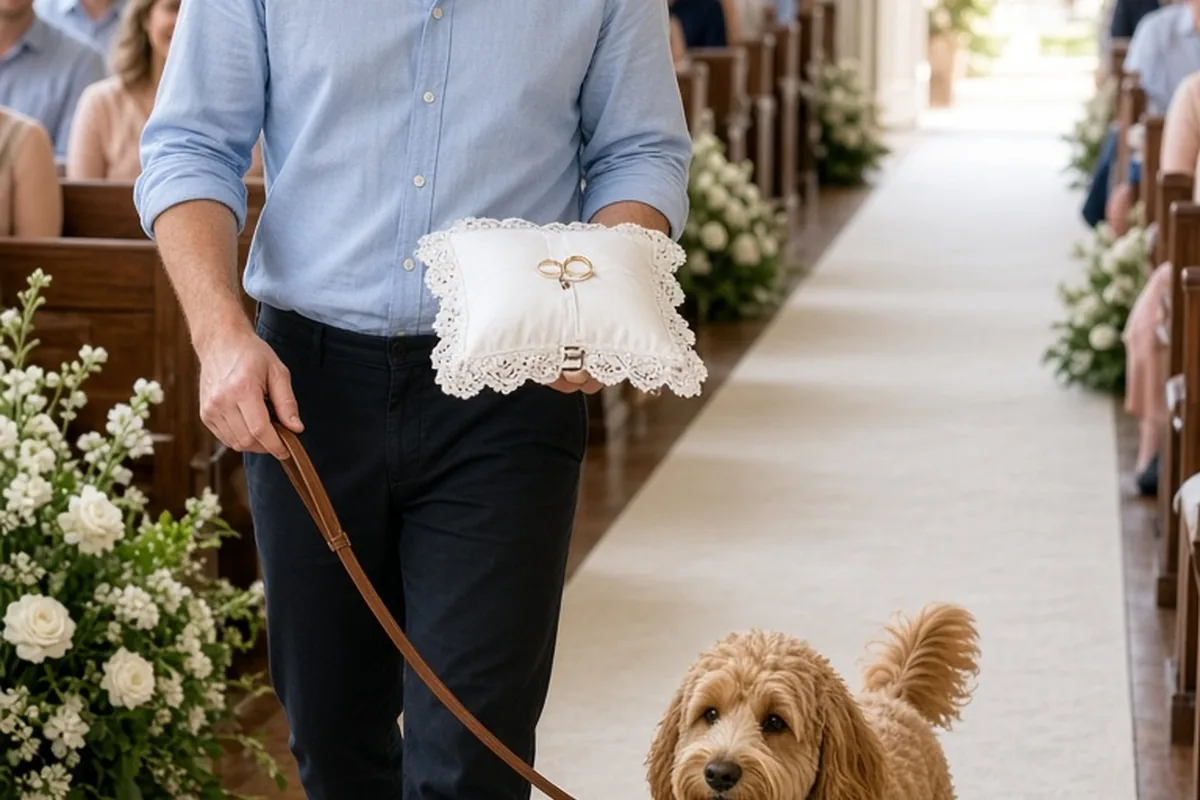
Selecting the perfect ring bearer involves assessing a candidate's temperament, age, and comfort with large crowds rather than relying solely on family obligation. While children between ages three and eight traditionally fill the role, couples can also choose adult friends, grandparents, beloved pets, or multiple attendants. Success depends on clear conversations with parents regarding expenses, having a trusted adult seated near the front during the ceremony, and securing dummy rings to the pillow.
Inviting someone to serve as your ring bearer is a meaningful way to honor a relationship and include loved ones in your wedding ceremony. Balancing social etiquette, family dynamics, and the unpredictable nature of young children, however, requires careful planning and realistic expectations before any formal invitation is extended.
Determining Age Suitability and Temperament for Young Attendants
Age serves as a general guidepost rather than a rigid rule when choosing a child for ceremony duties. Youngsters between four and seven years old typically possess the physical coordination to walk steadily down a long aisle while holding an item, alongside the cognitive maturity to follow simple, timed instructions. Children younger than three frequently find the sensory environment of a wedding overwhelming, with echoing music, rows of watching strangers, and unfamiliar formal clothing triggering separation anxiety or mid-aisle tears. Conversely, preteens around nine or ten may feel self-conscious about carrying a traditional satin pillow, sometimes perceiving the title as babyish unless the role is adapted to reflect their older status.
Temperament matters significantly more than chronological age. An outgoing, confident four-year-old who enjoys being the center of attention might delight in processing down the aisle, whereas an introverted six-year-old might freeze completely at the sight of fifty seated guests. Before asking a child, observe how they behave in unfamiliar social gatherings, whether they manage transitions away from their parents calmly, and how they react when asked to complete small public tasks. If a prospective candidate regularly experiences severe distress in crowded, noisy settings, offering an alternative ceremony task that requires no solo spotlight protects their emotional comfort while avoiding unnecessary ceremony disruption.
Navigating Family Expectations and Diplomatic Selection
Deciding which child to invite often involves balancing competing family relationships across both sides of the partnership. Traditional etiquette previously prioritized nephews, godchildren, or younger brothers of the couple, but modern weddings frequently incorporate the children of close friends, cousins, or blended family members. Conflict typically arises when there are multiple eligible children across immediate families, such as three young nephews on one side and two on the other. Rather than attempting to rank personal affection, couples can establish clear, neutral boundaries early, such as limiting wedding party roles exclusively to immediate nieces and nephews or inviting all children within an exact age bracket to walk together in a unified cohort.
When choosing one child means declining others, speak directly to the parents before any formal wedding party announcements take place. Acknowledge the relationship warmly and explain the decision plainly without offering defensive justifications or inventing logistical excuses that invite debate. For instance, you might explain that ceremony constraints led you to keep the wedding party small, but express excitement about celebrating with their family on the day. For children who are not selected to carry rings, consider offering lower-pressure honors, such as handing out ceremony programs alongside a parent, greeting guests at the guest book station, or participating in the morning photography session.
Considering Adult Attendants, Beloved Pets, and Nontraditional Options
Couples without young children in their immediate social circle frequently explore creative alternatives that bring personal sentiment or lighthearted charm to the ceremony. Inviting a beloved grandparent or an elderly mentor to act as the ring bearer creates an emotionally resonant tribute that honors familial lineage. Similarly, choosing an adult best friend or sibling who missed out on a formal wedding party slot allows the couple to include someone indispensable while bypassing the developmental unpredictability inherent to small children. Adult ring bearers can carry the authentic wedding bands with full accountability, participate comfortably in pre-ceremony toasts, and manage their own transit without parental oversight.
Incorporating a dog as the ring bearer has grown widely popular, yet venue constraints and animal disposition require careful vetting. Before committing to a canine attendant, verify that the ceremony site allows domestic animals and review any specific liability or sanitation restrictions outlined in your venue agreement. Even a well-trained dog can become reactive when faced with floral fragrances, loud sound systems, and a gauntlet of reaching guests. Designating a dedicated handler—someone other than the couple or immediate wedding party who can walk the dog down the aisle, hold the leash during vows, and escort the pet home or to boarding before the reception—is essential for animal welfare and ceremony flow.
Managing Ring Bearer Attire Expenses and Gifting Etiquette
Financial responsibilities surrounding children in the wedding party are a common source of confusion between couples and parents. Established etiquette holds that the child's parents cover the purchase or rental of their clothing, shoes, and alterations, similar to adult bridesmaids and groomsmen. However, good hosting practice requires couples to select outfits that are financially considerate and practical. Demanding a bespoke miniature tuxedo or an expensive designer suit for an event that lasts several hours can strain a parent's budget and breed resentment, particularly when the child will rapidly outgrow the garments within a few months.
To keep costs reasonable, couples can specify a simple dress code—such as standard navy trousers, a white button-down shirt, and suspenders—allowing parents to shop across affordable retail brands or use clothing the child already owns. If the couple insists on an exact, high-end ensemble to match the formal wear of the wedding party, the couple should offer to cover the rental or purchase fee directly. Additionally, etiquette calls for the couple to present the ring bearer with a personalized gift as a gesture of appreciation. Thoughtful gifts can include age-appropriate toys, monogrammed items, an activity kit for the reception dinner, or an experiential outing with the couple.
Securing the Wedding Bands and Preventing Ceremony Mishaps
Entrusting authentic, valuable wedding rings to a young child walking across grass, gravel, or elevated flooring creates unnecessary vulnerability during a live ceremony. Traditional velvet pillows and modern wooden boxes often feature decorative ribbons, but delicate loops can easily snag, loosen, or detach under a child's curious handling. Standard wedding practice recommends securing inexpensive imitation rings or simple costume jewelry to the presentation pillow or box during the processional. The best man, maid of honor, or designated officiant should retain the genuine wedding bands safely in a secure coat pocket or pouch until the exact moment of the exchange.
If a couple chooses to let an older child or adult attendant carry the authentic jewelry, the vessel should feature a mechanical closure, such as a magnetic latch or deep recessed foam slot, rather than tied ribbons that require fine motor skills to untangle at the altar. Brief the attendant clearly on when and to whom they will hand the vessel once they reach the front of the gathering. Clear communication eliminates frantic pocket-patting or awkward fumbling in front of the congregation, allowing the transition between the processional and the exchange of vows to proceed smoothly.
Rehearsal Preparation and Aisle Strategies for Nervous Children
Preparing a young child for ceremony day success requires familiarizing them with the physical venue and the sequence of events before guests arrive. Attendance at the ceremony rehearsal allows the ring bearer to walk the physical aisle, gauge the distance, and understand where they are expected to stop. Explain their assignment using direct, concrete language rather than abstract ceremonial concepts. Telling a child to walk at a steady pace toward a specific parent seated in the second row provides a tangible objective that reduces cognitive overwhelm compared to instructing them generally to look poised for photos.
Stage fright can surface abruptly even after a flawless rehearsal run. To mitigate panic at the back of the aisle, avoid isolating the child during the processional lineup. Pairing a reluctant ring bearer with a flower girl or having them walk hand-in-hand with an older sibling provides comfort and mutual encouragement. If the child balks entirely when the processional music begins, resist the urge to coax, push, or scold them in full view of guests. A seated parent should quietly step in, take the child's hand, and walk alongside them, or simply allow the child to sit directly in the pew without forcing the procession.
Day-of Logistics, Seating Placement, and Reception Continuity
A critical logistical error at many ceremonies is expecting a child under eight to stand motionless alongside adult groomsmen for a twenty- to forty-minute service. Young children naturally fidget, shuffle their feet, whisper, or sit on the floor when forced to remain upright without stimulation. The standard ceremony arrangement places the ring bearer's immediate parents in the first or second row on the aisle. Upon completing the walk to the altar and transferring the pillow or box to the wedding party or officiant, the child should immediately peel off to sit between their parents for the remainder of the ceremony.
Extend the same thoughtful logistical planning into the reception timeline. Pre-ceremony photography can tire young attendants before the main event begins, so coordinate with your photographer to capture photos involving the ring bearer early in the schedule. At the reception dinner, children should be seated with their parents rather than placed at an elevated head table with adult attendants, ensuring they have familiar supervision, access to kid-friendly meals, and an easy exit route if fatigue sets in before dancing begins.
Frequently asked questions
Can we have more than one ring bearer in our wedding?
Yes, having multiple ring bearers is common and often practical when couples want to include several brothers, cousins, or friends without causing hurt feelings. Multiple children can walk side by side holding hands, share the duty of carrying a banner, or carry separate vessels such as one pillow holding the bride's band and another holding the groom's band.
What should the ring bearer do once they reach the altar?
After reaching the altar, the ring bearer should hand the pillow or presentation box to the best man, maid of honor, or officiant. Once the handoff is complete, young children should quietly take a preassigned seat next to their parents in the front row, whereas teenage or adult attendants may stand in line with the rest of the wedding party.
Who pays for the ring bearer's attire and accessories?
Traditionally, the child's parents pay for their outfit, footwear, and any necessary alterations, while the couple provides ceremonial accessories like the ring pillow or box. If the couple requests a costly designer garment or customized rental that strains the parents' budget, it is courteous etiquette for the couple to cover the cost directly.
How should we ask a child and their parents to participate?
Always speak privately with the parents first to verify that they are comfortable with the time, travel, and wardrobe obligations before mentioning the role to the child. Once the parents give their consent, you can present the invitation directly to the child using an encouraging conversation, a handwritten card, or a small commemorative gift.
Your next step
Reach out to the candidate's parents this week to discuss timing, clothing preferences, and their comfort level before formally inviting the child to participate in the wedding party.