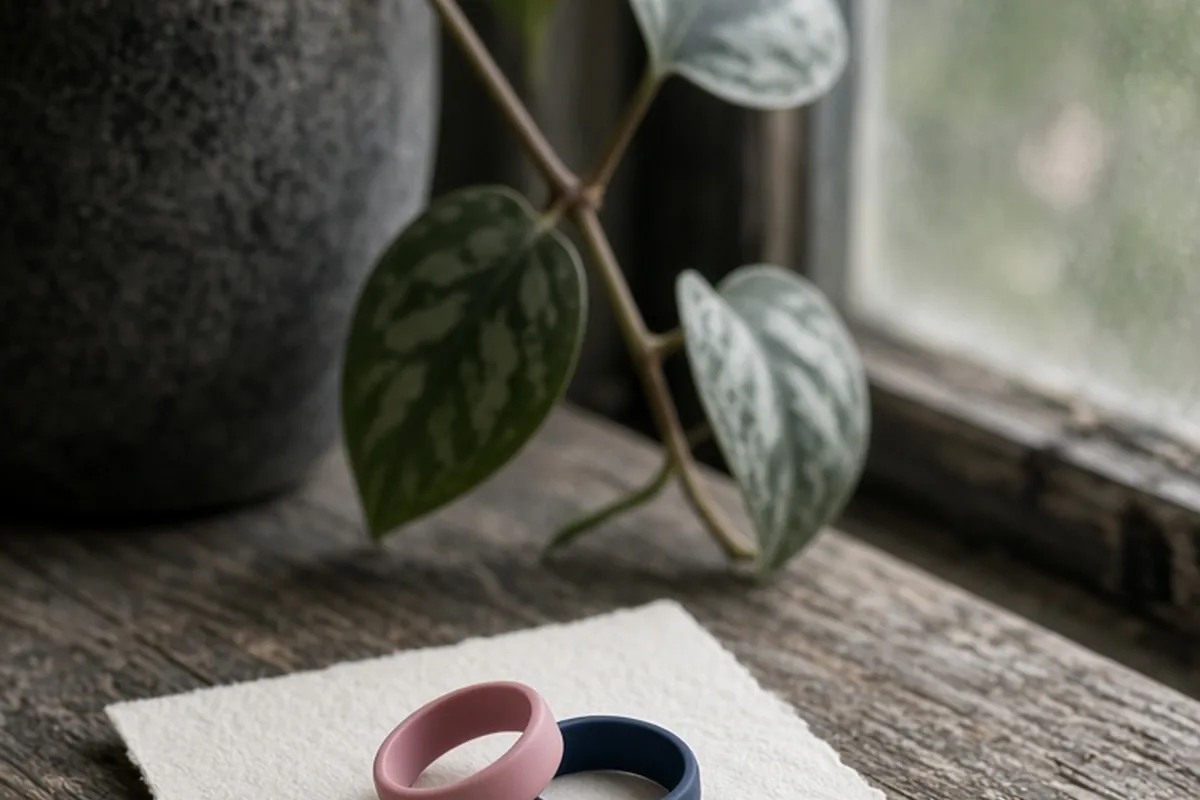
A silicone ring symbolizes personal commitment, marriage, or mindfulness while prioritizing physical safety, practical flexibility, and active lifestyles. Originally adopted by tradespeople, healthcare workers, and athletes to prevent ring avulsion injuries and electrical hazards, wearing a silicone ring signifies that devotion to a relationship or personal milestone does not require risking finger trauma, damaging precious metals, or sacrificing comfort during demanding daily routines.
Traditional wedding jewelry has long relied on precious metals to represent permanence, but modern daily life often challenges the practicality of rigid gold and platinum bands. Silicone rings have evolved from utilitarian safety accessories into widely accepted, meaningful symbols of love and personal alignment.
The Core Symbolism of Wearing a Silicone Wedding Band
At its foundation, a wedding ring is a visible expression of loyalty, connection, and shared commitment. Wearing a silicone ring retains this fundamental meaning while shifting the focus from monetary value to functional partnership. For many couples, choosing silicone reflects a conscious decision that the emotional weight of their vows resides in their shared actions rather than in the retail expense or rarity of a mined gemstone. It serves as an everyday declaration of love that adapts to real-world routines rather than demanding careful preservation inside a jewelry box.
Silicone rings also carry an association with intentionality and practical devotion. Spouses who switch to flexible bands during workouts, outdoor expeditions, manual labor, or parenting duties demonstrate that their symbol of commitment stays with them regardless of the task at hand. Rather than removing a traditional ring and leaving their hand bare, wearers use silicone to maintain an unbroken outward expression of their bond in settings where a rigid metal ring would pose genuine risks to their safety or the jewelry itself.
Beyond romantic partnerships, silicone bands frequently signify personal identity, solidarity, and personal milestones. Fitness enthusiasts wear them as markers of discipline, while outdoor adventurers view them as badges of an active, nature-oriented ethos. The minimalist, understated design of silicone appeals directly to people who value utility, resilience, and personal readiness over ornate display.
Occupational Safety and Physical Protection Behind Flexible Bands
The widespread popularity of silicone rings originated largely in high-risk professions where standard metal bands represent severe physical hazards. In fields such as construction, automotive repair, firefighting, military service, and manufacturing, heavy machinery and sudden mechanical catches can lead to ring avulsion. This catastrophic injury happens when a rigid ring catches on equipment, vehicle parts, or building materials, applying intense force directly to the soft tissues and bone of the finger. Silicone rings are explicitly engineered to stretch and break under severe tension, sacrificing the band to protect the wearer from permanent tissue damage or amputation.
Electrical conductivity is another vital factor that gives silicone bands their protective reputation. Electricians, electrical engineers, telecommunications technicians, and maintenance personnel face serious shock and arc-flash dangers when working near live circuits. Gold, silver, and platinum conduct electricity instantly, which can cause deep thermal burns within fractions of a second if a ring bridges a contact point. High-grade silicone acts as an effective electrical insulator, allowing technicians to honor their commitments on the job site without introducing conductive metals into hazardous electrical environments.
In healthcare, medical professionals, nurses, surgeons, and laboratory technicians face rigorous hygiene standards and rapid glove changes throughout their shifts. Traditional metal rings with raised stones, prongs, or detailed engravings easily snag latex and nitrile gloves, creating micro-tears that compromise sterile barriers. Furthermore, harsh sanitizers, autoclave steam, and aggressive chemical washes can corrode fine jewelry or trap biological contaminants beneath the band. Silicone bands lie flat against the skin, stretch smoothly under gloves without puncturing, and resist harsh cleaning agents, making them a practical choice across clinical environments.
Silicone vs. Precious Metals, Tungsten, and Ceramic Rings
Evaluating silicone alongside traditional and alternative jewelry materials reveals clear distinctions in durability, safety, maintenance, and long-term cost. Understanding these operational differences helps buyers decide whether to use silicone as their primary everyday band or as a practical alternate paired with a traditional metal ring.
Traditional precious metals like 14k gold, 18k gold, and platinum offer unmatched timeless beauty, heirloom longevity, and substantial weight. They can be polished, reshaped, and professionally resized across decades. However, they scratch easily under abrasive conditions, warp under heavy compressive forces, and present acute pinch or avulsion hazards during physical labor or strength training. Replacing or repairing a damaged precious metal ring often costs hundreds or thousands of dollars, whereas a silicone band can be replaced immediately at minimal expense.
Alternative hard materials, such as tungsten carbide, titanium, and high-tech ceramic, have gained popularity for their extreme scratch resistance and contemporary aesthetic. While these materials resist surface wear far better than precious metals, they introduce unique safety concerns. Tungsten carbide and ceramic do not bend or deform; under high-impact trauma, they fracture or shatter. In emergency medical scenarios involving severe finger swelling, standard hospital ring cutters designed for gold cannot cut through tungsten or ceramic, requiring specialized vice-grip crushing tools. Silicone eliminates emergency removal complications because any standard household shear or medical trauma scissor can slice through it instantly.
- Precious Metals (Gold, Platinum): High heirloom value and resizability; vulnerable to scratches, deformation, high replacement cost, and severe avulsion risk.
- Tungsten Carbide and Titanium: Exceptional scratch resistance and modern heft; cannot be resized, difficult to remove in emergencies, and zero stretch under tension.
- Ceramic Bands: Non-metallic, hypoallergenic, and scratch-proof; brittle under sudden impact and lacks break-away safety flexibility.
- Silicone Bands: Maximum flexibility, electrical insulation, high tensile break-away safety, and minimal replacement cost; wears out faster and lacks resale value.
Design Styles, Color Meanings, and Functional Textures
The silicone ring market has expanded far beyond simple single-color bands, offering diverse finishes, textures, and custom engravings that carry nuanced meanings. The color and finish you select can signal specific affiliations, aesthetic tastes, or functional benefits.
Solid black silicone rings are among the most popular options, representing understated sophistication, resilience, and strength. In certain lifestyle communities, a black band signifies a commitment to physical fitness and minimalist living, while in general fashion it serves as a neutral accessory that matches athletic wear and work uniforms effortlessly. Metallic-infused silicone bands incorporate fine bronze, copper, silver, or gold pigments directly into the polymer, mimicking the luster of traditional metals while retaining the flexibility and break-away safety of medical-grade silicone.
Specialty color schemes often reflect service, pride, or personal causes. Thin blue, red, or green accent lines on dark bands are frequently worn by law enforcement personnel, firefighters, and military service members to display mutual support within their respective communities. Earthy tones, such as olive green, slate grey, and camouflage patterns, are preferred by outdoor guides, hunters, and field researchers who need subdued, non-reflective gear that blends into wilderness settings.
Functional textures have also revolutionized how these rings feel during continuous wear. Early solid silicone rings occasionally trapped sweat against the epidermis, causing skin maceration or minor irritation known as ring rash. Modern engineered designs feature inner grooved channels, beveled air pockets, or breathable micro-perforations that allow air circulation and facilitate moisture evaporation during intense workouts or warm weather.
Material Quality, Sizing Dynamics, and Skin Comfort Criteria
Not all silicone rings are manufactured to the same safety and comfort specifications. When evaluating different options, inspecting material composition and structural design ensures the band remains comfortable and skin-safe over years of regular use.
High-grade silicone jewelry utilizes 100 percent medical-grade or food-grade vulcanized silicone polymers. These materials are chemically inert, non-porous, hypoallergenic, and completely free of toxic fillers, plasticizers, and petroleum byproducts. Lower-grade synthetic rubber blends frequently found in unbranded bargain packs can degrade rapidly when exposed to skin oils, UV rays, or household detergents, resulting in skin redness, contact dermatitis, or unpleasant chemical odors.
Sizing a silicone ring requires a different approach than sizing a metal band because silicone exhibits elasticity. Most silicone rings are sold in whole sizes only, without half-size increments. If your finger measures between sizes, manufacturers generally recommend sizing down if you plan to wear the ring during swimming or rigorous sports, as wet silicone slides more easily and the material naturally relaxes slightly over the first few weeks of wear. Sizing up is advisable if you experience frequent finger swelling from climate changes, weightlifting, or occupational fluid retention.
Edge finishing is another critical factor in everyday comfort. Rings with ergonomically rounded internal edges, commonly referred to as comfort-fit profiles, reduce friction against the skin and adjacent fingers. High-quality injection molding produces seamless edges without rough mold lines, preventing chafing during repetitive grip motions such as rowing, cycling, or lifting tools.
Where to Buy Quality Silicone Bands and How to Vet Retailers
Finding the right silicone ring involves selecting a trustworthy retail channel that balances material guarantees, warranty protections, and fair pricing. Because manufacturing techniques vary across the industry, knowing what to look for prevents disappointing purchases.
Dedicated direct-to-consumer silicone jewelry brands represent the gold standard for quality and innovation. These specialized companies invest in custom tooling, patented inner-airflow architecture, and premium medical-grade compounds. Crucially, established direct brands frequently provide lifetime replacement warranties that cover accidental stretching, tearing, or even on-the-job loss. If your band catches on an obstacle and breaks as designed, reputable brands will send a replacement ring for only the cost of processing or shipping.
Outdoor outfitters, sporting goods retailers, and tactical gear shops provide an excellent avenue for buyers who want to inspect material firmness and fit in person before purchasing. These physical stores typically stock reputable, field-tested brands known for durability and non-conductive reliability, making them ideal for tradespeople and athletes seeking quick, verified gear.
Online marketplaces and multi-pack retailers offer budget-friendly bundles, which can be useful for individuals who want a wide assortment of colors to match various outfits or gym gear. However, buyers must vet these listings carefully. Check customer reviews for reports of skin sensitivity, inspect product descriptions for explicit confirmation of medical-grade silicone, and verify return windows, as ultra-low-cost multi-packs often lack warranty support and precision sizing.
Frequently asked questions
Can I wear a silicone ring 24/7 without taking it off?
While silicone is gentle and safe for long-term wear, you should periodically remove the ring when washing your hands or showering. Trapping soapy moisture, sweat, and dead skin cells beneath an airtight band can lead to skin irritation or contact dermatitis. Taking the ring off briefly to dry both the band and your finger maintains healthy skin.
Do silicone rings stretch out permanently over time?
High-grade silicone will stretch under tension and return to its original shape, but continuous daily friction, heavy pulling, and heat exposure will cause slight permanent loosening over months or years. If your ring becomes too loose to stay securely in place, it is time to replace it or utilize the manufacturer warranty for a fresh band.
Is it considered acceptable to wear a silicone ring for formal events?
Modern social etiquette broadly accepts silicone rings in all settings, including formal events, business meetings, and social gatherings. While some people choose to switch back to traditional metal bands for formal occasions, metallic-toned, beveled, or sleek black silicone bands look polished and appropriate anywhere.
How do I clean and sanitize my silicone ring safely?
Clean your silicone ring using warm water and mild dish soap, rubbing the inner grooves with your fingers or a soft-bristle toothbrush to dislodge trapped dirt. For deep sanitization, especially after exposure to harsh environments or clinical settings, you can briefly boil the ring in water or soak it in a diluted vinegar solution without damaging the material.
Your next step
Measure your current ring size, assess your daily occupational and athletic safety needs, and choose a certified medical-grade silicone band backed by a reliable break-away replacement warranty.