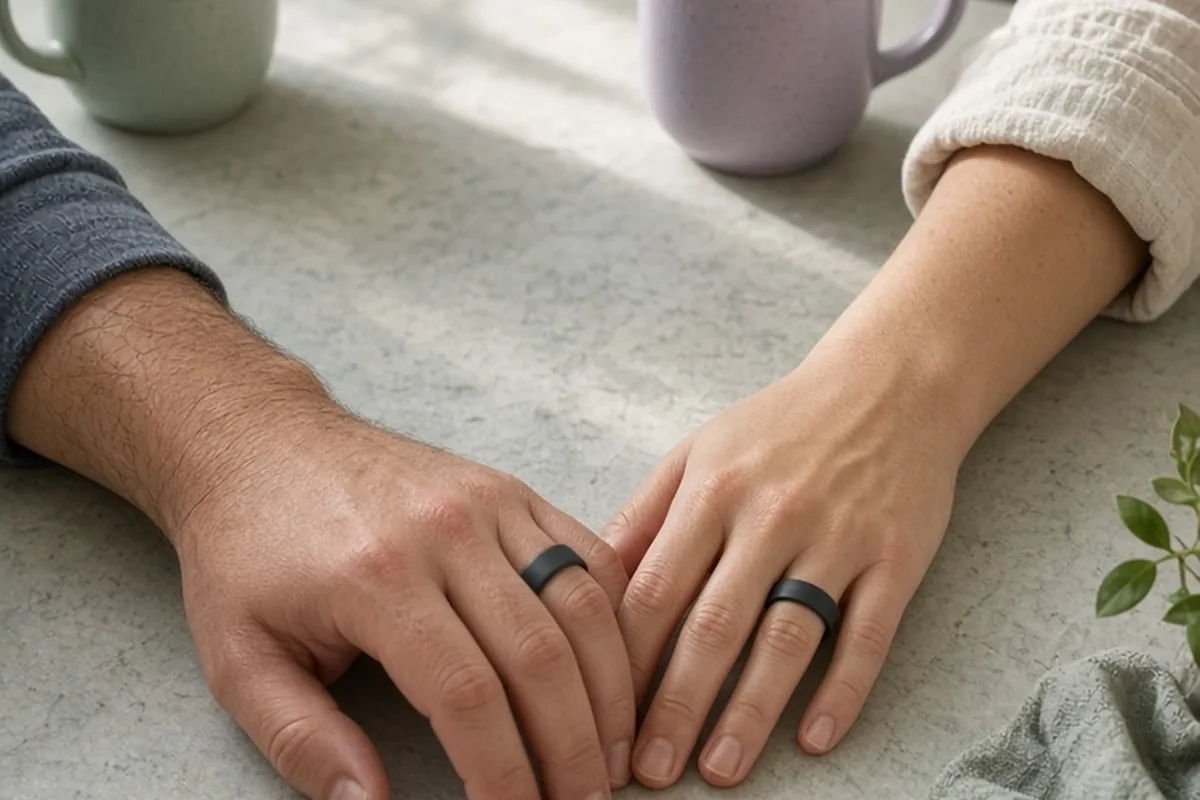
A silicone wedding ring represents the exact same core commitment, fidelity, and marital partnership as a traditional metal band, while additionally signaling an active lifestyle, safety consciousness, and practical values. Rather than diminishing wedding vows, silicone rings show that a couple prioritizes physical safety in demanding jobs or athletic environments, embraces utilitarian partnership, or prefers an accessible, low-stress alternative to expensive jewelry.
As modern workplace safety standards, fitness routines, and personal relationship values have evolved, the physical expression of marriage has expanded beyond gold and platinum. Silicone wedding rings have transitioned from niche safety gear into a respected cultural standard, blending timeless devotion with functional daily design.
The Modern Symbolism of Wearing a Silicone Wedding Band
A wedding band is fundamentally a circular emblem of continuous love, mutual respect, and shared life goals. When forged from medical-grade silicone rather than precious metal, the fundamental meaning of the vow does not change. Wearing a silicone ring on the traditional left ring finger conveys to the world that you are fully committed to your spouse or partner. It honors the historical tradition of ring exchange while adapting the physical medium to better suit how modern couples actually spend their days.
Beyond marital fidelity, silicone rings have developed their own distinct layer of symbolic meaning. Choosing silicone frequently signifies an active, unpretentious, and hands-on lifestyle. It signals that a person values real-world utility and experiences over fragile ornamentation. Couples who exchange or wear silicone bands often view their relationship as a collaborative partnership built to withstand heavy labor, physical exertion, travel, and parenting without constant worry over damaging an expensive artifact.
In many social and professional circles, a flexible band also communicates a modern, egalitarian mindset regarding money and material displays. Rather than treating wedding jewelry as an indicator of wealth or social standing, silicone ring wearers treat the band as a clean, uninterrupted token of connection. It represents an intentional decision to prioritize what the ring stands for rather than the monetary value of the material itself.
Safety and Physical Protection Behind the Rubber Band Choice
For millions of people, the primary meaning of a silicone ring is physical preservation and responsibility toward their family. Traditional metal rings—whether made of soft gold or unyielding tungsten and titanium—present severe occupational hazards. The most catastrophic of these is ring avulsion, a severe injury that occurs when a rigid band catches on machinery, shelving, gym equipment, or construction hardware, stripping skin and soft tissue from the finger. Because silicone bands are engineered to break, stretch, or tear under sudden high tension, wearing one represents a conscious choice to protect your physical body and livelihood.
Silicone is also completely non-conductive to electricity and thermal energy. Electricians, electrical engineers, mechanics working around high-output vehicle batteries, and industrial technicians wear silicone bands to prevent dangerous short circuits and severe electrical burns. In these technical fields, wearing a rubber ring signals professional competence and adherence to life-saving safety protocols while still keeping a tangible connection to one's spouse visible throughout the workday.
Healthcare professionals, first responders, and emergency personnel face a different safety challenge: hygiene and frequent glove use. Traditional metal settings with raised stones or intricate crevices can easily tear sterile medical gloves or trap pathogenic bacteria, harsh hospital sanitizers, and biological fluids. A smooth, flexible silicone band slips seamlessly beneath latex or nitrile gloves without ripping the protective barrier, symbolizing a commitment to patient safety and personal hygiene.
Silicone as an Everyday Stand-In Versus a Permanent Wedding Band
Couples generally approach silicone rings through one of two distinct philosophical frameworks: as a protective temporary substitute or as a primary, permanent wedding ring. In the dual-ring approach, an individual owns a traditional precious metal or diamond ring for formal occasions, social events, and domestic wear, while reserving a silicone band for the gym, outdoor adventures, manual labor, and international travel. In this context, the silicone band acts as a protective shield for the heirloom piece, preventing metal abrasion, loose diamond prongs, or outright loss in deep water or wilderness settings.
Conversely, an increasing number of couples choose silicone as their sole, permanent wedding band. These couples intentionally bypass the traditional jewelry market altogether, directing their financial resources toward purchasing a home, funding educational goals, eliminating debt, or financing a meaningful honeymoon. For these wearers, the silicone ring is not a placeholder; it is the authentic wedding ring, embodying financial pragmatism, mutual agreement, and a refusal to conform to conventional marketing pressures.
Navigating between these two approaches depends entirely on mutual alignment between partners. Some individuals worry that wearing silicone full-time might lead relatives or peers to assume the marriage is informal or that the wearer is careless with tradition. Clear communication between spouses ensures that both partners feel equally valued and respected, regardless of whether silicone serves as a situational stand-in or the permanent centerpiece of their vows.
Silicone Ring Colors, Finishes, and Individual Expression
While traditional precious metals are limited to yellow gold, white gold, rose gold, silver, and platinum, silicone rings offer a broad spectrum of colors, patterns, and surface finishes. These visual variations allow wearers to express specific personal interests, subcultures, or aesthetic preferences without compromising the underlying marital symbol.
Solid black silicone rings are among the most widely worn options. Black bands project a sleek, understated, and tactical appearance that blends easily with athletic apparel and utilitarian work uniforms. While black rings have specific historical associations in certain subcultures—such as indicating a commitment to personal strength, mourning, or specific sexual orientations when worn on specific fingers—on the traditional left ring finger, a black silicone band almost universally serves as a neutral, durable wedding band.
Other popular variations include metallic-sheen silicone designed to mimic brushed titanium, earth-toned camouflage for outdoor enthusiasts, vibrant solid colors, and stacked thin bands. Many manufacturers also offer custom laser engraving on the interior or exterior surface, enabling couples to engrave wedding dates, initials, or coordinates directly into the flexible material. These personalized touches prove that choosing an affordable material does not require sacrificing sentimental customization.
Physical Trade-Offs, Skin Hygiene, and Material Longevity
While silicone offers tremendous safety and comfort advantages, it introduces specific daily maintenance considerations that differ from metal jewelry. Silicone is non-porous and forms a tight, continuous seal against the skin. When sweat, moisture, hand soap, or chemical cleaners become trapped beneath a wide silicone band, the enclosed skin can develop ring dermatitis, maceration, or localized fungal irritation. Wearers must establish the habit of taking off the ring after washing hands or exercising to dry both the finger and the band completely.
To mitigate moisture trapping, many modern silicone rings incorporate specialized internal channels, air grooves, or contoured inner profiles that allow airflow and let moisture escape. When selecting a band, individuals with sensitive skin or those who sweat heavily during workouts benefit significantly from breathable designs rather than flat, wide silicone strips.
It is equally important to recognize that silicone is a consumable, semi-permanent material rather than a lifetime heirloom. Silicone naturally expands, absorbs body oils over extended wear, and can tear if subjected to sharp friction or chemical degradation. Because silicone bands experience slight stretching over their first several months of use, choosing a snug initial fit—often rounding down if you fall between standard ring sizes—ensures the ring remains secure over time.
How to Choose the Right Wedding Band Material for Your Lifestyle
Deciding whether silicone should serve as your primary wedding band, a secondary accessory, or not at all requires evaluating your occupational demands, recreational habits, and emotional attachment to jewelry. If your daily life involves operating heavy machinery, contact sports, heavy barbell training, firefighting, or clinical healthcare, owning at least one silicone band is a matter of practical safety and personal health.
For those who enjoy the weight, durability, and classic luster of traditional metals, a hybrid approach often provides the best balance. Investing in a durable metal band for daily domestic life while keeping a multi-pack of inexpensive silicone rings in your gym bag, tool chest, or travel kit prevents devastating injuries and eliminates the heartbreak of losing an irreplaceable heirloom during outdoor activities.
Ultimately, the material on your finger derives its true significance from the intentions of the people wearing it. Whether crafted from mined gold, forged titanium, or molded flexible polymer, a wedding ring achieves its full purpose when it keeps you safe, fits your daily routine comfortably, and consistently reminds you of your lifelong partnership.
Frequently asked questions
Does wearing a silicone wedding ring mean a marriage is less serious?
No. A silicone ring carries the exact same marital significance and commitment as a gold or platinum band. Most people wear silicone specifically to protect their fingers from catastrophic workplace injuries or to preserve fine jewelry during vigorous activities.
What does a black silicone wedding ring mean?
On the left ring finger, a black silicone ring primarily represents marital commitment paired with a modern, tactical, or understated aesthetic. It is especially popular among first responders, mechanics, military personnel, and athletes who prefer a durable, non-reflective everyday band.
How long do silicone wedding rings typically last?
Depending on daily friction, chemical exposure, and physical strain, a high-quality silicone ring typically lasts between one and three years before stretching or showing wear. Because they are inexpensive and easy to replace, many wearers treat them as functional accessories that can be renewed periodically.
Should you size up or down when buying a silicone wedding ring?
If you are between sizes, it is generally best to size down when purchasing a silicone band. Silicone naturally stretches slightly over time as it warms to your body and absorbs daily friction, so a slightly snug fit prevents the ring from slipping off when wet.
Your next step
Assess your daily occupational risks and physical routines today, then select a comfortable, breathable silicone band in your true size to keep your hands safe while honoring your marriage.