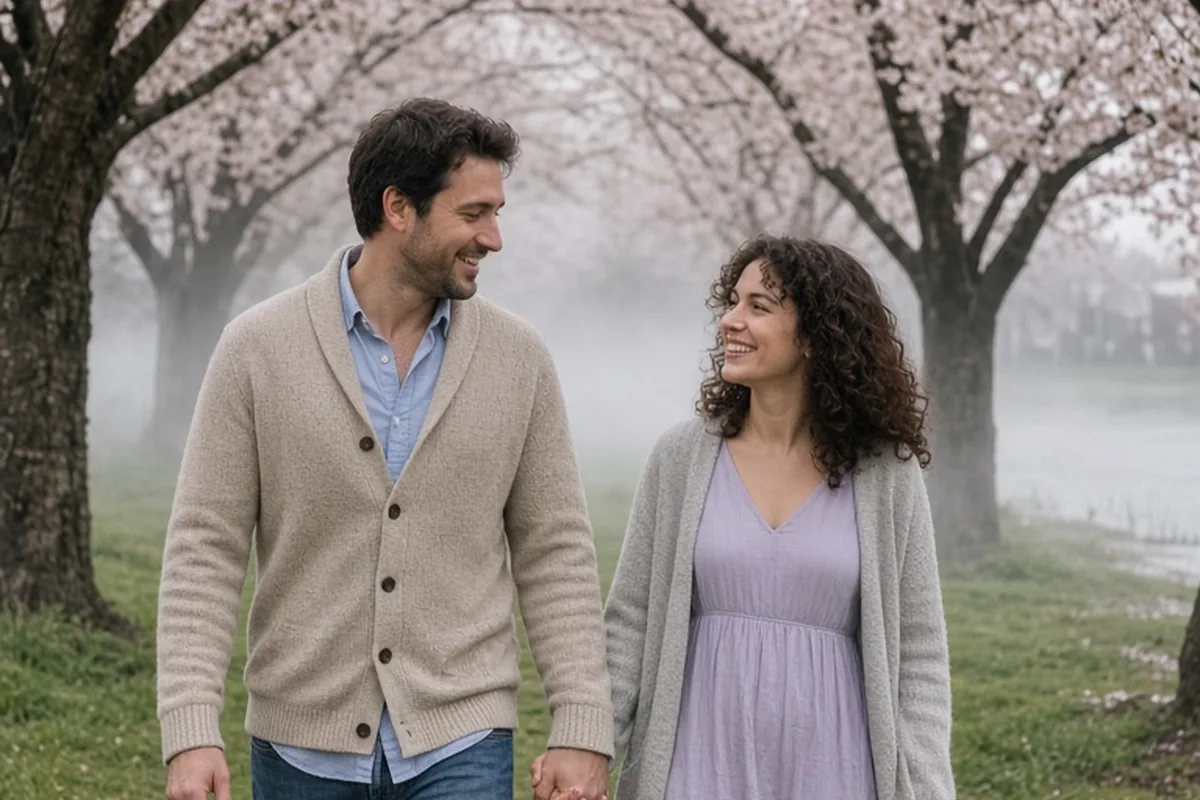
The most memorable spring engagement photo ideas pair seasonal natural elements with comfortable, personal settings. Consider strolling through blossoming botanical gardens or fruit orchards, planning a relaxed greenhouse picnic, wandering historic cobblestone neighborhoods lined with early magnolias, or catching golden hour near a reflective lake. To bring these concepts to life, wear cohesive pastel or earth-toned layers that complement emerging greenery, schedule sessions during morning or late afternoon light, and always establish a sheltered rain contingency plan.
Spring provides an inherently romantic backdrop for engagement photography, marked by flowering branches, gentle natural light, and the refreshing arrival of warmer days. Transforming that seasonal charm into timeless imagery requires thoughtful planning around unpredictable weather, changing bloom schedules, and comfortable styling.
Choosing Blooming Locations: Botanical Gardens, Public Parks, and Wildflower Meadows
Natural floral settings are the hallmark of spring engagement sessions, but selecting the right environment involves balancing botanical beauty with practical foot traffic. Cultivated botanical gardens offer dense, curated collections of flowering plants such as tulips, azaleas, and wisteria, which produce vibrant color depth. However, these spaces frequently require commercial photography permits, strict adherence to closing hours, and advance booking to secure designated zones. If you opt for an arboretum or botanical garden, verify whether your photographer's standard commercial insurance satisfies venue requirements well before the shoot day.
Public parks and conservation meadows present a more open, organic alternative with lower access restrictions. Fruit orchards, cherry blossom groves, and fields of native spring ephemerals provide expansive vistas that allow for wider compositions and candid walking portraits. The trade-off is predictability: cherry blossoms and deciduous fruit trees often reach peak bloom for only five to ten days, and early spring rainstorms can strip delicate petals overnight. Selecting a location with a diverse mix of evergreens, budding hardwoods, and ground-level plantings guarantees a vibrant, dimensional backdrop even if the primary flower display has passed its peak.
- Botanical conservatories: Best for vibrant, guaranteed floral density and structured walkways; requires advance permit coordination.
- Working fruit orchards: Best for romantic tree canopies and secluded strolls; requires owner permission and flexible timing based on seasonal budding.
- Woodland and meadow preserves: Best for natural movement and relaxed, bohemian aesthetics; requires practical footwear due to damp spring soil.
Spring Engagement Photos in City Streets, Historic Districts, and Hidden Courtyards
Urban settings take on a fresh character during spring, making architectural backdrops an exceptional choice for couples who prefer a modern or timeless city aesthetic over purely rustic fields. Historic neighborhoods characterized by brick brownstones, wrought-iron gates, and stone staircases often feature private garden plantings and flowering window boxes that inject bursts of color into structured compositions. Early blooming magnolias and dogwoods softening a downtown plaza create an elevated contrast between formal architecture and natural growth.
Integrating casual lifestyle stops into a metropolitan route helps you stay relaxed and adds visual variety to your photo gallery. Consider starting at a neighborhood open-air flower market or artisan coffee shop patio before transitioning to a nearby public square. Sidewalk tables, shared pastries, and bustling street corners encourage natural interaction rather than stiff, posed postures. When planning an urban session, design a walking route that moves away from congested transit centers during morning or evening rush hours, keeping transit easy and background distractions minimal.
Cozy and Weatherproof Alternatives: Greenhouses, Conservatories, and Covered Terraces
Early spring is notoriously volatile, with sudden cold fronts, persistent drizzle, and gusty winds capable of derailing outdoor portrait plans. Reserving an indoor greenhouse, working nursery, or public glass conservatory eliminates weather-related stress while preserving the verdant, plant-rich aesthetic couples seek. Sunrooms and glass pavilions diffuse natural daylight beautifully, eliminating harsh midday facial shadows while shielding you from damp breezes and drops in temperature.
Working nurseries and historic glasshouses introduce charming architectural geometry through iron frames, glass panes, terra-cotta planters, and tiered wooden staging benches. Because indoor glass structures can trap humidity and heat as the day progresses, scheduling an early morning session ensures comfortable temperatures and soft, low-angled sunlight. Confirm in advance whether the facility allows tripods or off-camera flashes, and ensure your session avoids routine nursery watering hours when walkways may be slick or crowded with maintenance hoses.
Coordinating Outfits and Color Palettes Without Clashing Against Vibrant Greenery
Spring foliage features an intense, yellow-green cast that can easily compete with bright clothing colors or reflect unflattering green tints onto skin tones. To maintain balance, choose a wardrobe palette rooted in soft neutrals, muted pastels, and earthy undertones. Dusty rose, French blue, champagne, sage, warm cream, and taupe harmonize seamlessly with fresh leaves without overwhelming the frame. Avoid vivid neon shades, saturated primary colors, and tight, small-scale geometric patterns, which create distracting visual distortion in camera sensors.
Layering is essential for physical comfort and visual interest during shoulder seasons. Pair a flowy midi dress with a structured linen blazer, or complement tailored chinos with an open-knit cardigan and a crisp button-down. Having lightweight outer layers allows you to adapt instantly to shifting breezes while generating multiple outfit configurations without an extensive wardrobe change. Footwear deserves practical attention: grassy fields and park paths stay soft and damp well into May, so bring comfortable walking flats or low block heels for transitions, saving delicate dress shoes for stationary portraits.
Natural Posing Prompts and Movement That Keep Spring Portraits Relaxed
Stiff, static posing often feels unnatural and fails to capture the lively energy of spring. Instead of holding rigid positions while smiling at the camera, focus on interactive movement prompts that foster authentic connection. Walking hand-in-hand toward the photographer, pausing for an unscripted whisper, or gently swaying together under a blooming tree introduces natural fabric drape and effortless smiles into your imagery. Movement also helps release physical tension in shoulders and facial muscles, making the entire experience feel more like a date than a staged photo shoot.
Introducing seasonal, purposeful props gives hands a natural resting point and enriches your visual story. A woven picnic basket paired with a textured wool blanket on a dry patch of lawn creates an intimate setting for seated portraits, leaning against one another or sharing a light toast. Handheld floral bouquets from a local farm stand, a vintage bicycle with a front carrier basket, or a classic trench coat draped over one partner's shoulders all provide tactile elements to interact with during wide and mid-range shots.
Managing Unpredictable Spring Weather, Shifting Light, and Seasonal Mud
Approaching your spring engagement session with realistic environmental planning ensures that unexpected weather improves your gallery rather than ruining it. Spring daylight offers clear, clean golden hour tones just after sunrise and right before sunset, but cloud cover is equally valuable. Overcast skies act as a giant, soft light modifier, smoothing out harsh shadows and allowing you to face any direction without squinting. If light rain is in the forecast, bring clear bubble umbrellas; the transparent domes keep rain off your hair and clothing while letting overhead light illuminate your faces without casting color tints.
Mud management requires simple, advance preparation to protect delicate clothing hems. Bring a small plastic tarp or a clean painter's drop cloth to place under floor-length dresses during seated or stationary ground shots, tucking the edges beneath the fabric so it remains invisible to the lens. Keep wet wipes, a clean towel, and an extra pair of slip-on shoes in a tote bag to clean footwear before transitioning between locations. Above all, maintain open communication with your photographer by reserving a primary date and an agreed-upon weekday rain backup within the same seasonal window.
Illustrative Scenarios
Navigating Peak Cherry Blossom Crowds with a Dawn Schedule
Maya and Sam hoped to capture classic engagement portraits along a tidal basin lined with mature cherry blossoms, but their initial Saturday afternoon plan coincided with peak festival foot traffic. Rather than competing with hundreds of tourists and dealing with harsh midday glare, their photographer suggested meeting on-site at 6:30 AM on a Friday. The early call time provided soft morning mist, open walkways, and uninterrupted backdrops of blossoming branches. By 8:00 AM, the session wrapped just as commuter crowds began arriving.
Key point: Scheduling around early sunrise hours minimizes crowds at iconic public landmarks and captures the softest, most flattering spring light.
Pivoting When Spring Rains Threaten an Outdoor Orchard Session
Jordan and Taylor planned an extensive afternoon shoot across an apple orchard, but heavy morning rainfall left the grass sodden and skies gray. Instead of rescheduling, they spent the first hour exploring a local botanical greenhouse nursery surrounded by hanging ferns and flowering jasmine, which kept them warm and dry. Once the showers tapered off to a gentle mist, they drove to the orchard lane using matching clear umbrellas and tailored water-resistant coats, capturing moody, cinematic reflections in fresh rain puddles.
Key point: Pairing a weather-sheltered indoor environment with flexible outerwear creates a dynamic, resilient gallery that embraces spring rain.
Frequently asked questions
What should we wear if spring temperatures drop unexpectedly on our shoot date?
Incorporate stylish, intentional outer layers such as a tailored wool-blend coat, a classic trench, or a textured knit sweater that complements your primary outfit. Thermal undergarments or fleece-lined tights worn underneath maxi dresses can provide substantial warmth without adding bulky outlines to your silhouette.
How far in advance should we track bloom schedules for flowering trees?
Begin monitoring local horticultural trackers, botanical garden social channels, or park department updates roughly two to three weeks before your session. Because unseasonably warm or cold snaps can shift peak blooms by a week in either direction, discuss flexible date windows with your photographer so you can adjust within a few days if needed.
Are overcast skies bad for spring engagement photos?
Not at all. Overcast conditions provide soft, diffused lighting that eliminates harsh facial shadows, minimizes squinting, and enhances the rich saturation of springtime greenery and floral tones. Many professional photographers prefer light cloud cover over bright, midday sun for portrait sessions.
Do we need permits to shoot engagement photos in botanical gardens or public parks?
Many formal botanical gardens, historic estates, and national parks require a commercial photography permit and a nominal fee, which must be secured days or weeks in advance. Check the venue's official visitor or event policy online, or ask your photographer to confirm whether their current commercial credentials cover your planned location.
Your next step
Review your regional bloom calendars today and select two target dates—one primary and one rain backup—before confirming your spring session with your photographer.