The best summer wedding themes balance vibrant seasonal aesthetics with guest comfort under high temperatures. Leading options include coastal elegance, modern Mediterranean garden, tropical minimalist, rustic orchard romance, and sunset-toned bohemian chic. The right choice depends on your venue infrastructure, whether you have climate-controlled indoor space or direct sun exposure, and your preferred color palette. Successful summer themes intentionally integrate heat-resilient florals, breathable textiles, refreshing beverage stations, and shaded layouts to keep the celebration energetic from afternoon vows through evening dancing.
Planning a warm-weather wedding lets you take full advantage of long daylight hours, abundant local blooms, and relaxed outdoor settings. However, higher temperatures and intense sunlight present distinct logistical demands that can quickly derail an ambitious aesthetic if your design does not account for practical comfort. Selecting a cohesive theme gives you a clear filter for making choices about attire, floral arrangements, food service, and guest hospitality without sacrificing visual impact.
Coastal Elegance with Crisp Maritime and Linen Accents
A coastal wedding aesthetic relies on natural textures and a restrained palette rather than literal beach novelty items. To achieve an elevated maritime feel, focus on washed French blues, soft seafoam, crisp ivory, and weathered sandy neutrals. Incorporating breathable, textured fabrics like heavy raw linen runners, woven seagrass chargers, and bleached oak seating establishes an effortless seaside atmosphere whether your venue is directly on the waterfront or on an inland terrace overlooking rolling hills.
When executing this theme outdoors, wind and humidity are primary variables to monitor. Coastal gusts can easily knock over tall taper candles or scatter lightweight cardstock. Secure paper goods using smooth river stones, tumbled sea glass, or hand-calligraphed oyster shells as place markers, and opt for enclosed hurricane lanterns rather than exposed flames. For attire, light linen blends and chiffon drapery allow natural airflow, ensuring wedding party members and guests stay cool during open-air vows.
Subtle ocean-inspired accents work best when balanced against refined tabletop details. Instead of plastic shells or anchor motifs, introduce mother-of-pearl flatware handles, frosted sea-glass drinking goblets, and raw-edge silk ribbons tied around bouquets. Pairing these elements with structured greenery, such as eucalyptus and olive leaves, gives the tablescape a tailored edge that feels sophisticated rather than kitschy.
Mediterranean Citrus Grove and Alfresco Courtyard Styling
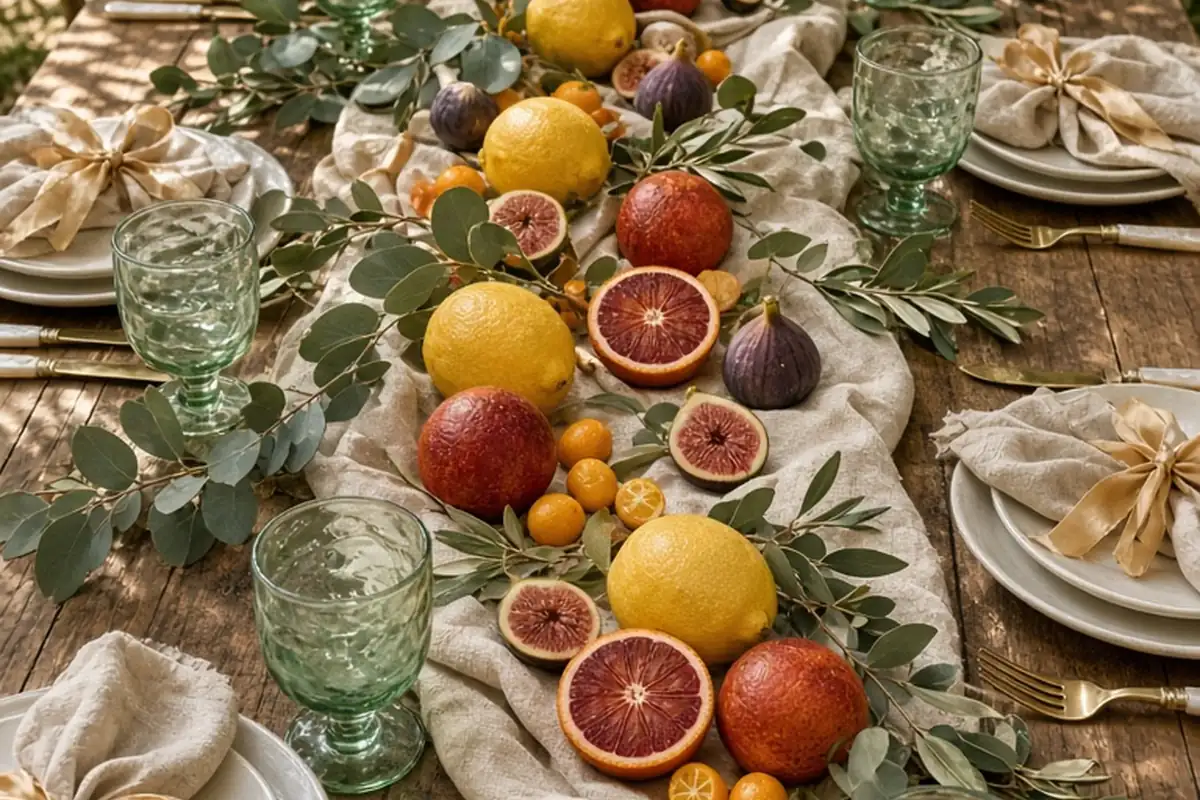
Inspired by Italian villas and Greek coastal estates, the Mediterranean citrus theme brings vibrant color and tactile warmth to summer nuptials. The visual foundation centers on terracotta vessels, hand-painted ceramic tiles, weathered limestone, and olive branches. Instead of relying solely on cut flowers, this style incorporates fresh produce directly into the decor, using whole lemons, blood oranges, kumquats, and figs along banquet tables to add vivid bursts of yellow and orange.
Using whole citrus fruit serves a distinct practical advantage during intense heat: fruit does not wilt, drop petals, or dry out under full sun the way delicate cut botanicals do. However, you should avoid sliced fruit displays on dinner tables during daytime hours, as sweet citrus juices quickly attract bees, wasps, and fruit flies. Keep sliced garnishes protected under glass cloches or reserved exclusively for indoor bar stations.
Catering for this theme naturally aligns with hot weather dining. Long wooden farm tables set family-style with artisanal bread, flavored olive oils, grilled seafood, and chilled regional wines encourage a communal, leisurely dinner as the sun goes down. Complement the look with neutral linen napkins, matte gold cutlery, and string bistro lights strung overhead between courtyard walls or mature trees to recreate the intimacy of a European village square.
Vibrant Tropical Modernism with Architectural Botanicals
Tropical weddings can easily become chaotic if saturated shades are not balanced with clean lines. Modern tropical styling uses structured geometry and bold foliage to create a striking, contemporary environment. Base your design around large, architectural leaves like monstera, split-leaf philodendron, and palm fronds, paired with saturated focal blooms such as birds of paradise, anthuriums, and ginger flowers.
One major benefit of tropical botanicals is their natural resistance to heat and humidity. Unlike fragile temperate flowers that droop within hours of sun exposure, glossy tropical leaves and thick-stemmed varieties are biologically adapted to thrive in high temperatures. They retain moisture effectively, keeping your ceremony arches, aisle runners, and head tables looking fresh throughout hours of daylight photography.
To keep the overall look refined, anchor high-pigment florals—like vivid magenta, mango orange, and cobalt—against modern neutrals. Matte black wire chairs, blonde cane lounge furniture, and clean white plaster plinths prevent the palette from feeling overwhelming. At the bar, signature rum cocktails served in ribbed glassware with dehydrated fruit rounds bridge the visual styling and the reception experience.
English Garden Romance Reimagined for High Summer
The classic garden romance theme is perennial, yet true summer conditions require thoughtful adjustments to historical floral formulas. The traditional look relies heavily on spring staples like peonies, sweet peas, and lilacs, which wilt rapidly once temperatures climb past moderate levels. To preserve the soft, romantic feel of a blooming English manor, substitute these heat-sensitive blooms with robust garden roses, lisianthus, ranunculus, and flowering herbs.
Incorporating culinary herbs such as rosemary, lavender, and flowering mint into arrangements brings fragrant dimension while resisting heat stress. Frame your gathering spaces with organic, garden-gathered shapes rather than rigid geometric centerpieces. Ground-level meadow arrangements lining the ceremony aisle create the illusion of wild, blossoming borders while remaining low enough to catch natural ground-level shade.
Shade management is crucial for executing a garden wedding in high summer. Positioning your ceremony area beneath mature canopy trees, canvas sailcloth tents, or wooden pergolas draped with light voile fabric shields guests from direct midday glare. If full shade is unavailable, scheduling your ceremony closer to golden hour dramatically improves both guest comfort and the soft quality of ambient light for photography.
Warm Sunset Bohemian and Desert Minimalist Design
Drawing inspiration from arid desert landscapes and late-summer sunsets, this aesthetic highlights warm earthy tones, including terracotta, dusty rose, burnt amber, and warm sand. It replaces heavy, formal wedding conventions with relaxed floor seating lounges, low timber tables, woven Moroccan rugs, and sculptural stoneware ceramics that capture golden-hour lighting.
Dried floral elements integrate seamlessly into this concept, offering zero wilting risk across long afternoons. Fluffy pampas grass, bleached palm spears, bunny tails, and dried seeded eucalyptus can be arranged days in advance without refrigeration concerns. Interspersing these dried elements with hardy fresh desert flora, such as flowering succulents and pincushion protea, adds moisture and vitality to the overall texture.
Because desert-inspired gatherings often move outdoors as the heat recedes, lighting plays a fundamental role in finishing the theme. As twilight approaches, low-hanging amber pendant globes, clusters of votives set in rough-hewn clay pinch pots, and small gas-lit fire pits create a soft, inviting perimeter. This transition keeps guests engaged well after dark when ambient temperatures turn comfortable.
Coordinating Summer Catering and Refreshments with Your Aesthetic
Your wedding theme should extend directly into the food and drink experience, matching the energy of a warm-weather event. Heavy, butter-laden sauces, thick chowders, and dense beef cuts frequently leave guests feeling sluggish in hot environments. Instead, tailor your menu toward vibrant, hydrating dishes that reflect your aesthetic, such as chilled gazpacho shooters, ceviche cups, grilled flank steak with chimichurri, and heirloom tomato flatbreads.
Beverage stations offer both visual styling opportunities and vital hydration for your guests. Create self-serve infusion stands featuring clear glass dispensers filled with cucumber-mint water, basil-infused lemonade, or berry spritzers that tie into your floral color palette. For the cocktail program, frozen drink options or low-alcohol spritzes prevent dehydration while maintaining a celebratory, festive environment.
Dessert presentation requires careful temperature planning. Traditional buttercream cakes easily soften, sag, or melt when placed near sunny windows or outdoor pavilions. Discuss structural fondant, chilled naked cakes brought out right before cutting, or alternative options like artisanal gelato carts, berry galettes, and mini sorbet cones that match the seasonal mood without collapsing.
Infrastructure and Guest Comfort Logistics for High-Temperature Venues
No wedding theme succeeds if guests are physically uncomfortable or enduring heat exhaustion. Thoughtful hosts build practical hospitality measures into the arrival experience. Greet arriving attendees with iced herbal towels, chilled sparkling water, or custom paper fans printed with your wedding program so they immediately feel cared for as they locate their ceremony seats.
Assess your venue's technical capabilities well before finalizing an outdoor layout. Outdoor receptions in open fields or unshaded lawns may require rented high-velocity quiet fans, open-sided marquee tents, or misting systems positioned along cocktail perimeters. Verify that the venue's electrical grid can handle the power draw of extra refrigeration trailers or industrial cooling units without tripping breakers during music playback.
Always develop a concrete weather contingency plan with your vendors. Summer weather is notoriously prone to sudden convective thunderstorms, elevated humidity spikes, and high wind gusts. Ensure your contracts clearly define the cutoff time—often three to four hours before guest arrival—for shifting decor and seating into an indoor or fully tented alternative space.
Frequently asked questions
What flowers hold up best for an outdoor summer wedding?
Hardy botanicals like protea, anthuriums, orchids, lisianthus, garden roses, and succulents endure summer heat significantly better than delicate spring varieties. Foliage such as eucalyptus, monstera leaves, and olive branches also maintains its structural integrity without drooping. Always ask your florist to use hidden water sources, like floral foam alternatives or water tubes, inside ceremony arches and free-standing installations.
How can we keep wedding guests cool during an outdoor ceremony?
Schedule the ceremony for late afternoon when the sun is less intense, and position seating under natural shade or fabric awnings whenever possible. Provide functional favors upon arrival, such as woven hand fans, lightweight parasols, and chilled beverage stations. If high heat is forecast, arrange low-noise oscillating fans around perimeter seating to maintain air movement.
What wedding dress and suit fabrics work best for summer themes?
Lightweight, breathable fabrics allow natural heat dissipation and keep the wedding party comfortable. For dresses, choose chiffon, organza, crepe, or open-weave lace over dense satin or multi-layered crinoline. For suits, unlined linen blends, tropical wool, and seersucker provide a sharp, tailored silhouette without trapping body heat.
How late into the evening should an outdoor summer wedding run?
Because sunset occurs later in summer months, outdoor receptions often build momentum as temperatures drop after dusk. Verify your venue's municipal noise ordinances, which commonly require amplified outdoor music to end between 10:00 PM and 11:00 PM. If your venue allows, transitioning guests to an indoor lounge for late-night music lets you extend the party comfortably.
Your next step
Review your venue's natural shade, wind exposure, and indoor air conditioning limits today, then select the theme that enhances those existing conditions without requiring excessive corrective equipment.