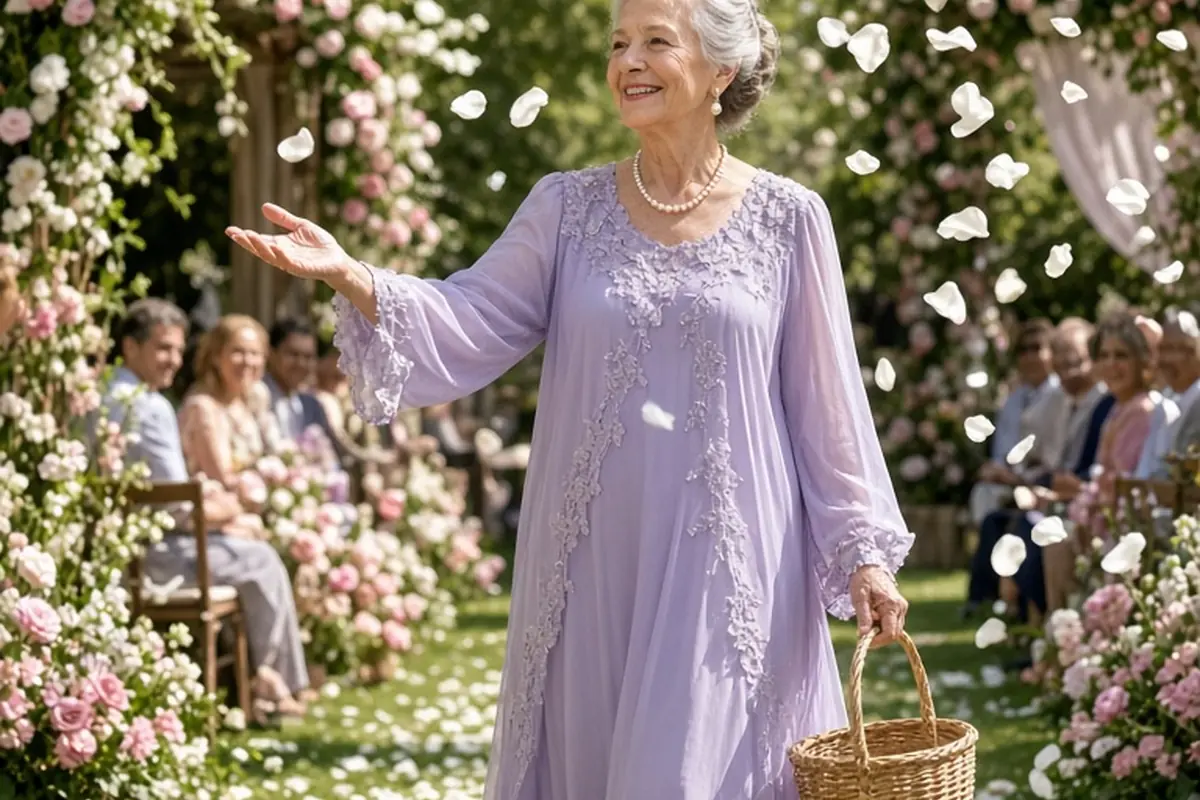
In modern weddings, a flower girl primarily walks down the aisle ahead of the bride or marital couple to signal the procession, scattering petals, carrying a small bouquet, or holding a symbolic item. Beyond this ceremonial entrance, her responsibilities focus on participating in the rehearsal, smiling for photos, and safely sitting with her parents once she completes her walk. The role is symbolic and celebratory, emphasizing charm and inclusion over rigid performance.
While the visual tradition of a young attendant scattering blooms dates back centuries, contemporary ceremonies adapt the position to suit varied venue rules, blended families, and personal priorities.
Core Processional Duties on the Wedding Day
The primary duty of a flower girl takes place during the processional, typically immediately preceding the bride, brides, or final entrance of the couple. As she walks down the central aisle, she traditionally scatters fresh or dried flower petals from a lightweight basket to create a decorative pathway. Her presence serves as a visual announcement that the ceremony is formally beginning and provides an affectionate transitional moment for guests before the main entrance. Depending on the couple's personal traditions, she may walk entirely alone, pair with a ring bearer, or walk alongside a trusted adult attendant or parent who helps guide her pace toward the front of the gathering.
Once she finishes her walk down the aisle, her responsibilities shift from active participation to quiet observation. In formal liturgical settings or adult-centered parties, young children rarely remain standing upright beside the wedding party for a thirty-minute or hour-long service. Modern etiquette generally calls for the child to hand her basket or prop to an usher, maid of honor, or designated relative, and immediately take an assigned seat in the front row next to her parents. During the recessional at the conclusion of the ceremony, she may rejoin the wedding party to walk back down the aisle, or she may simply exit quietly with her family once the formal party has departed.
Evaluating Age Considerations and Temperament Before Asking
Couples usually select a flower girl between the ages of three and eight, an age bracket where children are physically steady on their feet and old enough to follow simple directions. Children between four and seven often thrive in the role because they can comprehend the significance of the occasion, memorize basic cues, and appreciate wearing special attire without becoming overly distressed by crowds. However, age on a birth certificate is rarely the deciding factor in how successfully a child handles the responsibility; emotional regulation, environmental sensitivity, and overall social confidence matter far more when choosing who to ask.
Toddlers under three frequently struggle with sensory overload caused by large groups of clapping adults, unfamiliar venue acoustics, and formal, structured expectations. If you hope to include an infant, toddler, or highly sensitive child in your ceremony, adjusting the operational mechanics of the role is necessary. A toddler might be pulled down the aisle in a decorated wagon by an older sibling, or carried directly in the arms of a parent who is already a bridesmaid or groomsman. Conversely, children aged nine and older often feel they have outgrown the title of flower girl; inviting an older child to serve as a junior bridesmaid, reader, or program distributor acknowledges their maturity more appropriately.
Modern Alternatives to Dropping Petals for Venue Compliance
A growing number of indoor venues, historic landmarks, and outdoor nature reserves enforce strict bans on tossing loose petals down the aisle. Fresh petals can crush under shoes and permanently stain antique wood, delicate marble, or rented carpet runners, while artificial silk petals constitute non-biodegradable litter on coastal or forest preserves. Before purchasing accessories or practicing petal drops, couples must review their facility contracts to verify whether throwing objects along the aisle is strictly prohibited or subject to substantial cleanup fees.
When real petals are not permitted or practical, flower girls can carry meaningful and visually engaging alternatives. Popular solutions include carrying a delicate nosegay, a floral pomander ball suspended by a satin ribbon loop around the wrist, a small lantern with an LED candle, or a whimsical hoop wreath intertwined with greenery. In relaxed or outdoor celebrations, flower girls sometimes blow bubbles, carry a lightweight decorative banner reading a personal greeting, or ring a delicate hand bell to announce the couple. Choosing an alternative object eliminates the temptation for young children to turn back and obsessively pick up dropped petals mid-ceremony.
Attire Expectations, Comfort Factors, and Financial Etiquette
Historically, flower girls wore miniature versions of the bride's gown, usually made of white or ivory tulle, silk, or lace. Modern couples take a much wider variety of stylistic directions, frequently coordinating the child's dress with the color palette of the adult bridal party, incorporating pastel accents, or selecting patterned sundresses for casual outdoor celebrations. Regardless of aesthetic style, prioritizing the physical comfort of the fabric is the most critical element. Stiff crinoline underskirts, itchy interior seams, rigid lace collars, and non-breathable polyester can cause sensory discomfort and prompt meltdowns before the child even reaches the aisle.
Navigating who pays for the flower girl's outfit requires transparent and considerate communication between the couple and the child's guardians. Traditional Western wedding etiquette designates that the parents of the child pay for the dress, accessories, and shoes, as well as travel and lodging expenses. Because the family takes on this financial obligation, couples should select attire that fits within a modest, reasonable price point or provide the parents with a general color swatch and let them choose a silhouette that matches their budget. If the couple insists on a specific high-end designer dress or costly bespoke accessories, it is polite and common practice for the couple to purchase those items as a gift.
Rehearsal Preparation and Calming Day-of Pre-Walk Nerves
Effective preparation for a flower girl begins well before she steps foot inside the venue on the wedding day. Parents and couples can describe the event using simple, positive language, framing the assignment as a collaborative game rather than an intense performance where mistakes are punished. Reading children's picture books about weddings, practicing gentle walking in the backyard with a basket, and showing pictures of the ceremony space help demystify the day. It is equally important to let the child break in her formal shoes at home with socks days ahead of time to prevent blisters and sore feet.
Attending the formal rehearsal is essential, but rehearsal night can easily exhaust a young child after a long school day. Walk the flower girl through the space early in the session so she understands where she starts, where she finishes, and exactly which adult she will look toward at the front. On the actual wedding day, designate a quiet resting corner equipped with non-staining snacks, water, wet wipes, and favorite low-mess activities such as coloring books or tablets with headphones. Assigning a familiar guardian who is not in the bridal party to oversee her needs prevents the bride or groom from feeling divided during high-stakes photo sessions.
Managing Ceremony Logistics and Normalizing Surprises
Even the most thoroughly prepared young attendant can become overwhelmed when heavy sanctuary doors open to reveal a sea of seated guests staring directly at her. Couples should establish a concrete contingency plan for stage fright that does not rely on coercion or frustration. Place the child's parents in the front pew or on the aisle where she can see them clearly as soon as she steps onto the carpet. If she hesitates, having a parent gently extend a hand, smile, and walk forward to meet her removes pressure and preserves the calm joy of the ceremony.
If a flower girl stops halfway down the aisle, dumps the entire basket of petals in a single pile, walks briskly in the wrong direction, or refuses to take a single step, the best response is simple grace. Modern wedding culture overwhelmingly embraces unscripted moments from young children as charming, authentic memories rather than ceremony disruptions. Laughing quietly, letting an usher or parent scoop the child up, and continuing the musical program without pause keeps the event moving smoothly and prevents the child from feeling embarrassed or scolded in front of a crowd.
Expanding the Flower Attendant Role to Diverse Family Members
In modern celebrations, the role of flower attendant is no longer exclusively reserved for young female relatives. Couples frequently adapt the position to honor close bonds across generations, backgrounds, and family configurations. One increasingly popular adaptation involves inviting grandmothers or elderly mentors to act as flower attendants. Having grandparents walk the aisle tossing petals offers a moving, respectful way to integrate treasured elders into the ceremony procession without burdening them with the extensive standing duties required of conventional bridesmaids.
Couples also embrace humorous or relaxed interpretations by appointing adult friends as 'flower men' or integrating beloved family pets as flower companions. An adult attendant can inject celebratory energy into a casual or contemporary ceremony with theatrical petal tosses and upbeat walking music. When involving dogs or other animals, the primary responsibility lies in safety and animal welfare, requiring a dedicated, attentive handler holding a secure leash decorated with floral accents. These inventive adaptations demonstrate that the heart of the flower attendant role is personal affection, shared celebration, and genuine inclusion.
Frequently asked questions
Does a flower girl have to be a child related to the couple?
No, a flower girl does not need to be related to either partner. While couples often choose nieces, cousins, or godchildren, they frequently select children of close friends, or omit children entirely in favor of grandmothers, adult friends, or beloved pets.
What should a flower girl do during the reception?
At the reception, a flower girl's responsibilities are very minimal and primarily focus on enjoying the celebration under her parents' supervision. She may join the wedding party for the grand entrance if she feels comfortable, but she is not expected to sit through lengthy toasts, remain at a head table, or stay past her natural bedtime.
Can a wedding have more than one flower girl?
Yes, having multiple flower girls is very common and can significantly lower social anxiety for shy children. Pairing siblings or close friends allows them to walk together hand-in-hand or share the task of tossing petals, which often helps young children feel much more confident in front of an audience.
Is it customary to give the flower girl a gift?
Yes, couples traditionally present the flower girl with a modest thank-you gift during the rehearsal dinner or while getting ready on the morning of the wedding. Thoughtful options include personalized keepsakes, age-appropriate jewelry, customized activity books, or a special toy to keep her entertained during downtime.
Your next step
Review your venue's rules regarding petal tossing, communicate early with the child's parents about wardrobe costs, and assign a trusted adult seated in the front row to welcome her at the end of the aisle.