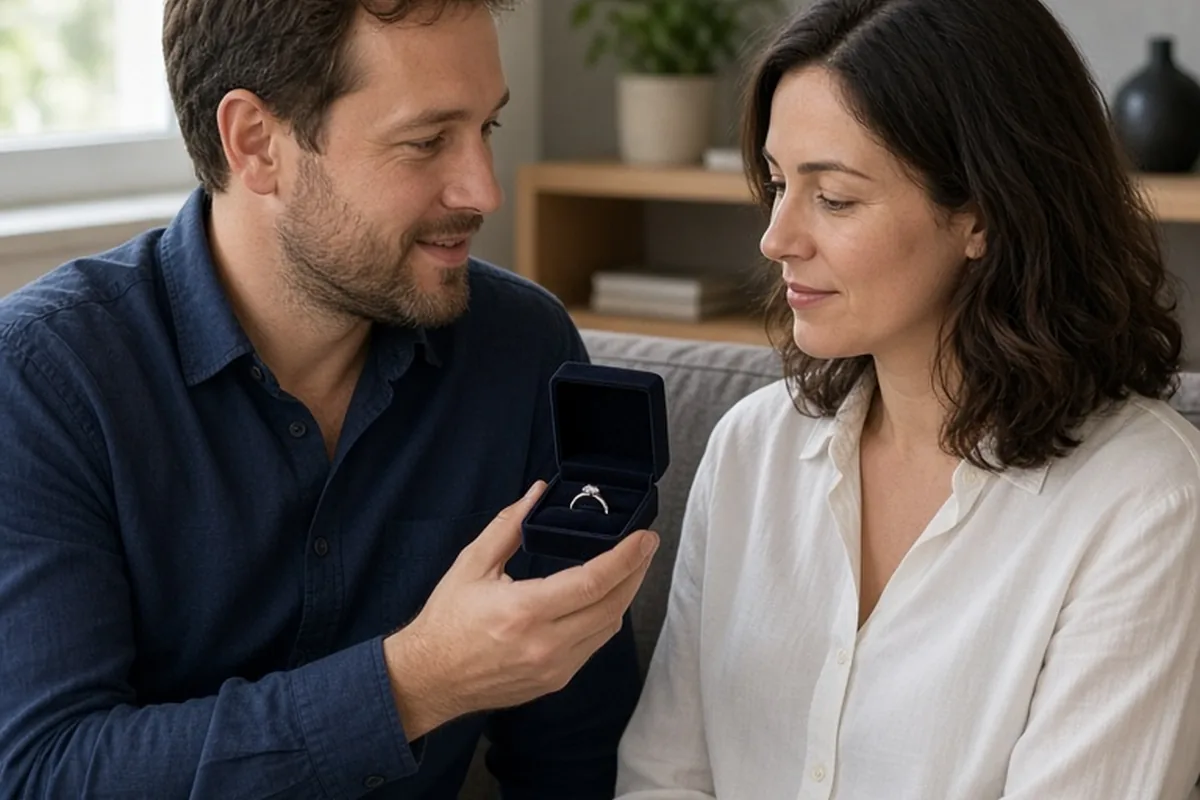
The core etiquette of a promise ring centers on shared clarity: both partners must agree on what the ring symbolizes before it is exchanged. Common unspoken rules include choosing a design distinct from a traditional diamond engagement ring, wearing it on the ring finger of either hand, avoiding dramatic public proposals that mimic marriage requests, and having an honest conversation about whether the ring represents a future engagement, exclusive dating, or a personal milestone.
A promise ring occupies a delicate space in modern relationships, sitting somewhere between casual dating jewelry and a binding legal intention to marry. Because its definition is not standardized by law or ceremony, miscommunications happen when two people assign different values to the same small band of metal.
Defining the Shared Meaning Before You Browse
A promise ring is not an engagement ring on layaway, nor is it a casual birthday gift wrapped in romantic ambiguity. The single most important etiquette rule is that the giver and the recipient must share the exact same definition of what the piece represents before any box is opened. For some couples, the ring is a pre-engagement marker, communicating a desire to marry once education, finances, or long-distance living arrangements settle. For others, it is an emblem of mutual exclusivity and enduring companionship without any long-term expectation of formal marriage. It can also signify a shared milestone, such as surviving a grueling career separation or celebrating a specific multi-year anniversary.
Conflict almost always arises when one partner views the ring as an ironclad guarantee of a wedding proposal within twelve months, while the other treats it as an open-ended gesture of affection. To prevent confusion, never present a promise ring out of the blue if you have never talked about your relationship trajectory. Etiquette here does not require spoiling the exact date or piece of jewelry you purchase, but it does require that both people have already discussed where they stand. A healthy commitment piece confirms an existing understanding rather than forcing a sudden decision onto an unprepared partner.
Choosing the Right Finger and Hand for Wearing a Promise Ring
Traditional ring etiquette offers flexible options for how to wear a promise ring, and the choice depends primarily on personal comfort and the message you want to signal outward. The most common placement in North America is the ring finger of the left hand, which directly precedes where a future engagement ring and wedding band will eventually rest. Wearing it on the left hand signals a romantic commitment that closely mirrors pre-engagement, though it often leads casual acquaintances to ask if you are officially engaged.
If you want to avoid explaining your relationship status to coworkers or relatives at every social gathering, wearing the ring on the ring finger of the right hand is an elegant and widely accepted alternative. The right hand indicates dedicated commitment while preserving the left ring finger exclusively for a formal engagement. Beyond the ring fingers, some people choose to wear their promise ring on the middle finger, while those who work with their hands, handle machinery, or practice clinical medicine often wear the band securely suspended from a fine chain around their neck. The physical placement is less about strict tradition and more about functional daily wear and how comfortable you feel answering questions from curious observers.
Promise Ring Aesthetics: Selecting Metals, Gemstones, and Scale
Visual design carries significant etiquette weight when choosing a promise ring. A band that closely mimics a high-carat solitaire diamond engagement ring frequently creates social awkwardness, leading friends and family to offer misplaced congratulations and putting unintended pressure on the relationship. Traditional guidelines suggest selecting pieces that look intentionally distinct from bridal jewelry. Delicate bands, bezel-set stones, eternity bands with petite accents, knot motifs, claddagh designs, or subtle birthstones communicate devotion while remaining stylistically understated.
Material choices should align with practical daily wear rather than perceived prestige. Solid sterling silver, 10k or 14k yellow, white, or rose gold, and titanium are practical, long-lasting metals that hold up to continuous hand washing and daily tasks without deteriorating. For gemstones, colored stones like sapphire, moissanite, aquamarine, or modest lab-grown accents provide character without the visual weight of an engagement center stone. The financial expenditure should never strain either partner; spending an amount that requires taking on high-interest credit card debt runs counter to the supportive nature of the gesture. A thoughtful, well-crafted band that fits the recipient's personal aesthetic is always preferable to an oversized, faux-bridal look.
How to Present the Ring Without Mimicking a Marriage Proposal
The presentation of a promise ring requires a thoughtful setting that matches its specific emotional scale. Dropping down on one knee, hiring a secret photographer, or arranging a public spectacle in a crowded restaurant almost always creates an uncomfortable misunderstanding. Bystanders may begin clapping, assuming an engagement is occurring, which puts immense psychological pressure on the recipient to perform enthusiasm even if they feel bewildered or caught off guard.
Instead, promise ring etiquette calls for an intimate, calm environment where two people can talk honestly without an audience. A quiet evening walk, an anniversary dinner at home, or an unhurried weekend morning provides the right backdrop. When presenting the box, state the purpose of the ring directly in your opening sentences. Phrasing such as, 'This represents my dedication to where we are heading, and I wanted you to have a tangible reminder of my commitment while we work toward our future goals,' establishes the meaning immediately. Clear words prevent the recipient from wondering whether they need to say 'yes' to a lifetime contract or simply accept a symbol of love.
Promise Rings Versus Claddagh, Purity, and Engagement Rings
Because decorative rings share similar fingers, understanding the functional differences between commitment jewelry categories helps you select the piece that truly matches your circumstances. A promise ring is a secular, relationship-specific token exchanged between romantic partners to reflect exclusive dating, emotional fidelity, or pre-engagement planning. Its significance is defined entirely by the two individuals involved.
In contrast, a Claddagh ring carries specific Irish cultural heritage centering on love, loyalty, and friendship, indicated by how the heart, hands, and crown are oriented on the hand. A purity ring is typically tied to personal or religious vows of abstinence, often gifted by parents or adopted individually, and does not require a romantic partner. An engagement ring, meanwhile, represents an explicit, contractual agreement to marry, typically accompanied by wedding planning and formal announcements. Confusing these categories can create friction; for instance, giving someone a ring with overt religious motifs when they expected a pre-engagement symbol can create genuine distress. Selecting the right piece requires honoring both the history of the design and the emotional reality of your partnership.
What Etiquette Dictates During a Breakup or an Eventual Upgrade
A realistic assessment of promise ring etiquette must account for two eventual outcomes: transitioning into marriage or ending the partnership. If the relationship eventually progresses to a formal proposal, the promise ring is not simply discarded. Many recipients choose to move the original promise ring to the right hand, wear it stacked alongside their wedding band if the profiles match, or retire it to a keepsake box. Others re-set the original stone into a pendant or another sentimental piece of jewelry to mark the progression of their shared journey.
If the relationship ends, the question of whether to return the ring depends heavily on the nature of the gift and the circumstances of the split. In contrast to engagement rings, which are treated in many jurisdictions as conditional legal gifts tied directly to the completion of marriage, promise rings are widely regarded as unconditional personal gifts. Social etiquette suggests that if the ring was an heirloom passed down through the giver's family, it should always be offered back to that family regardless of who initiated the separation. For non-heirloom rings, the recipient has no moral or legal obligation to return it, though offering it back during an amicable split can provide clean emotional closure. If the giver declines to take it back, the recipient is free to sell the piece, store it away, or dispose of it in whatever way supports their healing.
Frequently asked questions
Can a woman give a promise ring to a man?
Yes. Promise ring etiquette is completely gender-neutral. Many women give bands made of titanium, tungsten, or leather and silver to their male partners, or couples choose to exchange matching rings simultaneously to represent mutual devotion.
How long should you date before giving a promise ring?
There is no mandatory calendar timeline, but giving a promise ring in the first few weeks or months of dating often signals impulsive infatuation rather than grounded commitment. Most couples exchange them once they have navigated meaningful challenges together and established consistent mutual trust, typically after a year or more of steady dating.
Is a promise ring childish or only for teenagers?
While popular among high school and college students, promise rings are frequently used by adults of all ages. Couples facing multi-year educational programs, military deployments, immigration delays, or financial hurdles use them as practical symbols of long-term partnership before taking formal marital steps.
Does a promise ring always mean marriage is coming next?
Not necessarily. While many couples treat a promise ring as a stepping stone toward an engagement, others use it to celebrate an enduring monogamous partnership without any desire to enter legal marriage. The meaning depends entirely on the private conversation the couple has.
Your next step
Before purchasing any jewelry, schedule a relaxed, honest conversation with your partner to confirm your mutual expectations and ensure you both agree on what the ring will symbolize.