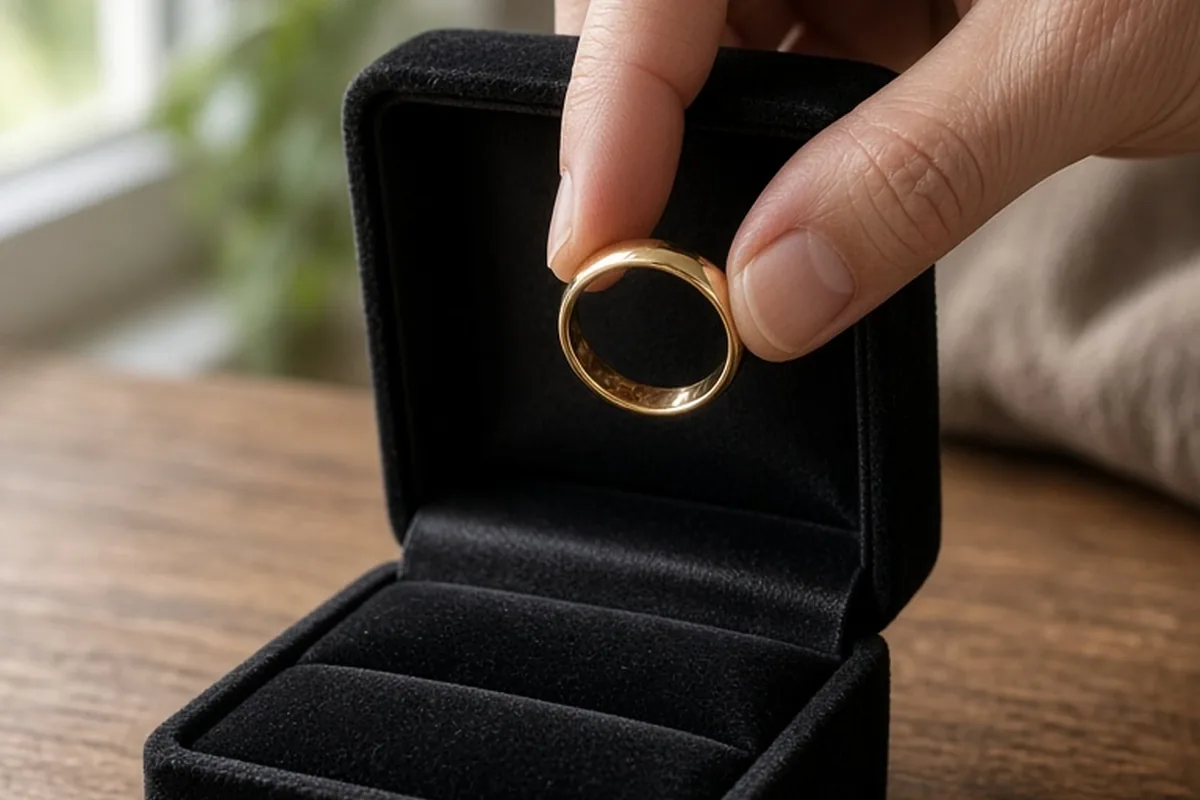
After a divorce, you can sell your wedding ring to an online buyer, jeweler, or auction house; repurpose the diamond and precious metals into a new piece of personal jewelry; save the ring as an heirloom for your children; donate the proceeds to a meaningful cause; or hold onto it in secure storage until you feel emotionally ready to make a permanent choice.
A wedding ring carries significant financial worth, artistic craftsmanship, and deep emotional history. Once a divorce is finalized, deciding what to do with that piece of jewelry can feel unexpectedly complicated, especially when grief, relief, practical financial realities, and lingering attachments collide.
Confirming Legal Ownership and Timing Before You Decide
Before modifying, selling, or gifting any piece of marital jewelry, take time to verify that your divorce decree or settlement agreement has resolved all property division matters. In many jurisdictions, engagement rings given before marriage are treated as conditional gifts that become the separate property of the recipient once marriage vows are exchanged, whereas wedding bands purchased during the marriage may occasionally be classified as marital assets depending on state statutes and how funds were commuted. If your divorce proceedings are ongoing or if specific personal property disputes remain open in family court, altering or liquidating valuable jewelry could create unnecessary procedural complications.
Equally important is pacing your emotional decision-making. In the immediate aftermath of a split, intense feelings of anger, distress, or sudden urgency might tempt someone to discard a ring impulsively or accept a hasty buyout far below secondary market value. Placing the ring in a home safe, a safe deposit box, or with a trusted family member creates neutral physical distance. Taking several months to adjust to your independent routine allows initial emotional volatility to settle, ensuring that whatever you ultimately choose to do with the piece serves your long-term well-being rather than a temporary impulse.
Selling a Diamond Wedding Ring on the Secondary Market
Selling a wedding set or band is often chosen by individuals seeking financial freedom, funding for relocation, debt payoff, or an investment in their next life chapter. When entering the secondary jewelry market, it is essential to manage price expectations. Retail jewelry markups account for boutique overhead, designer branding, marketing expenses, and labor, meaning resale offers for used diamond rings generally reflect the wholesale trade value of the constituent gems and melted precious metals rather than the original retail appraisal.
Your selling options vary significantly in convenience, speed, and expected financial yield. Local diamond district buyers, estate jewelers, and certified online consignment platforms cater to different priorities. Online diamond brokers often provide competitive bids because they operate with lower physical overhead, though they require insured transit and professional inspection before finalizing an offer. Local pawnshops and quick-cash gold buyers deliver immediate cash on the spot, but their offers are typically based strictly on scrap metal weight and heavily discounted gem assessments.
To protect yourself during a sale, obtain independent documentation before approaching buyers. Locate original sales receipts, laboratory grading certificates from recognized institutions like the Gemological Institute of America, and prior insurance schedules. If your ring lacks recent grading paperwork, investing in an independent evaluation from a certified gemologist who does not buy jewelry gives you an objective baseline of the stone's carat, color, clarity, and cut parameters. When requesting quotes, ask prospective buyers whether their estimates include insurance coverage during transit, what testing methods they use, and whether inspection fees apply if you decline their final offer.
Redesigning the Gemstones and Precious Metals into Custom Jewelry
If you appreciate the beauty or quality of your diamonds and colored gems but no longer want to wear a marital symbol, custom repurposing offers an empowering alternative. Independent custom jewelers can dismount the center diamond, accent side stones, and melt down gold or platinum mountings to craft completely unrelated contemporary items. Transforming a solitaire diamond into a pendant necklace, setting channel stones into a right-hand stackable band, or converting side baguettes into drop earrings allows you to reclaim the raw material on your own aesthetic terms.
Working with a bench jeweler allows you to participate directly in the design process, transforming an object tied to past grief into a symbol of personal autonomy, resilience, or personal milestone celebration. Many people choose asymmetrical modern designs or bezel settings that look distinctly different from conventional bridal jewelry, creating a fresh artistic piece that carries no visual association with the former marriage.
Before commissioning a custom redesign, request a clear written estimate detailing labor costs, CAD modeling revisions, casting fees, and whether the jeweler offers credit for any leftover precious scrap metal. Clarify how the jeweler handles stone integrity during unsetting, especially if your ring features softer stones like emeralds or vintage diamonds with pre-existing girdle inclusions that require careful mechanical handling.
Preserving the Ring as a Family Heirloom for Children
For divorced parents sharing children, retaining the wedding jewelry to pass down in the future is a frequent consideration. Even though the romantic union between the parents ended, the ring remains an authentic artifact from the lineage that brought those children into the world. Setting the ring aside in a bank safe deposit box preserves its historical continuity without requiring either parent to display or interact with it daily.
When choosing this path, realistic communication and clear expectations prevent future misunderstandings. An heirloom ring can eventually be offered to adult children when they reach a milestone birthday, complete an educational degree, or prepare for their own partnerships. You can stipulate that the adult child may keep the original mounting intact, trade it toward a design of their own choosing, or repurpose the gems into a bespoke design that fits their personal taste.
If you have multiple children and only one primary engagement stone, plan carefully to avoid inadvertent perceptions of favoritism. Some parents elect to hold the set until all children are grown, selling the piece together and splitting the proceeds equally among siblings, or having a jeweler separate individual accent stones into matching pendants or signet rings so each child receives an equal share of the family materials.
Donating the Value or Trading Rings Toward Meaningful Life Goals
Donating the proceeds of a ring sale to a charitable organization provides a deeply satisfying avenue for turning a difficult life transition into positive community impact. Many nonprofit groups, animal rescues, women's shelters, and educational funds welcome direct monetary gifts, while specialized consignment charities accept fine jewelry appraisals directly to support their community programs.
Before donating jewelry directly for tax deduction purposes, verify the current regulations governing non-cash charitable contributions with a licensed tax advisor or certified public accountant. High-value jewelry donations generally require qualified third-party appraisals completed within specific timeframes to substantiate tax deductions, alongside formal written acknowledgment from the receiving non-profit entity.
Alternatively, you can treat the ring as commercial equity by trading it toward practical life improvements. Certain fine jewelers allow clients to apply the verified trade-in value of diamond rings toward luxury timepieces, non-bridal gemstone jewelry, or travel-ready accessories. Other individuals choose to liquidate the ring independently and dedicate every dollar directly toward tangible post-divorce goals, such as financing vocational retraining, starting an emergency savings fund, or taking a solo vacation that marks a fresh start.
Embracing Symbolic Rituals and Letting Go Without Resale
Not every decision regarding an old wedding ring is driven strictly by balance sheets or jewelry aesthetics. For some individuals, the emotional priority is obtaining psychological closure, establishing an intentional boundary between the past and the present. Participating in a thoughtful private ritual can mark the definitive conclusion of the partnership in a deliberate, controlled manner.
Symbolic rituals range widely based on individual disposition and philosophy. Some people host a quiet gathering with close friends to toast personal growth, packing the ring into an archival box alongside old letters and storing it away from living spaces. Others choose physical transformation, taking the band to a metalsmith studio where they participate in melting the metal into an abstract sculpture, a garden token, or an unadorned coin that looks entirely distinct from a marital commitment.
While dramatic cinematic ideas like throwing rings into open oceans, lakes, or deep ravines occasionally surface, caution is warranted. Discarding precious metals and gemstones into natural bodies of water or public environments permanently forfeits economic resources that might benefit you or your dependents later, and can occasionally be followed by regret once temporary emotional storms clear. If an elemental ritual appeals to you, consider alternatives like burying the ring in a safe container in a private garden where it can be recovered, or keeping it locked away until you are certain that a non-recoverable gesture represents your enduring wish.
Frequently asked questions
Can I legally sell my wedding ring before my divorce decree is final?
You should check with your family law attorney before selling any jewelry during an active divorce. While engagement gifts are often viewed as separate premarital property, local laws and marital settlement guidelines vary, and courts may treat unagreed liquidations of valuable assets as dissipation of marital estate value.
Why is the resale offer on my diamond ring so much lower than its retail appraisal?
Retail insurance appraisals estimate the maximum replacement cost of purchasing a brand-new identical item at an upscale jewelry retailer, including designer margins and overhead. Resale offers reflect secondary wholesale market values, which focus strictly on the underlying value of the loose gems and refined scrap precious metal weight.
How long should I wait after a separation before selling or redesigning the ring?
There is no mandatory timeline, but waiting until your divorce is legally finalized and you have experienced several months of stable routine is generally wise. Storing the piece in a secure location until initial grief or anger subsides ensures your decision reflects lasting practical priorities rather than temporary distress.
What is the safest way to find out what my ring is actually worth?
Arrange an appointment with an independent, certified gemologist appraiser who does not buy or sell jewelry commercially. Paying a flat fee for an unbiased appraisal provides an objective description of the metal purity, diamond grading attributes, and realistic secondary liquidation estimates without any conflict of interest.
Your next step
Place your wedding ring in a secure, neutral location such as a safe deposit box, locate any existing grading certificates or purchase receipts, and schedule an independent gemological evaluation before making any permanent financial or physical modifications.