Thoughtful wedding gifts from the groom's parents usually balance emotional welcome with practical support for the couple's shared future. Meaningful choices include passed-down family heirlooms, funding a memorable honeymoon experience, contributing to a major home milestone, or curating a personal welcome gift for the new spouse. The most appreciated gifts reflect the couple's genuine lifestyle, respect their personal tastes, and communicate warm encouragement without attaching unspoken expectations or strings.
Watching a son get married marks a significant milestone for a family, blending longstanding traditions with the beginning of an entirely new household. Choosing the right wedding gift as the groom's parents allows you to celebrate this transition, extend a heartfelt welcome to your new family member, and offer lasting support as the couple builds their life together.
Navigating Expectations, Traditional Hosting Roles, and Modern Giving
Historically, wedding etiquette outlined rigid financial assignments for the families involved, with the groom's parents traditionally covering the rehearsal dinner, the marriage license, floral boutonnieres, and frequently the honeymoon travel. In modern weddings, these financial boundaries are far more fluid. Many couples finance their own ceremonies, share costs evenly between both families, or choose non-traditional celebrations that depart entirely from legacy playbooks. Because hosting roles vary widely today, the definition of a parental gift has expanded beyond rigid obligations into an expression of genuine care and hospitality.
If you are already contributing significantly to the rehearsal dinner or wedding reception, it is completely acceptable for your tangible wedding gift to focus on sentiment rather than monetary scale. Couples understand that funding an event is a major contribution in itself. Conversely, if your involvement in event hosting is modest, you may choose to offer a more substantial standalone gift that assists with their home, savings, or honeymoon. The key is separating event hosting logistics from the personal sentiment you want to convey directly to the couple on their wedding day.
Passed-Down Family Heirlooms and Sentimental Keepsakes
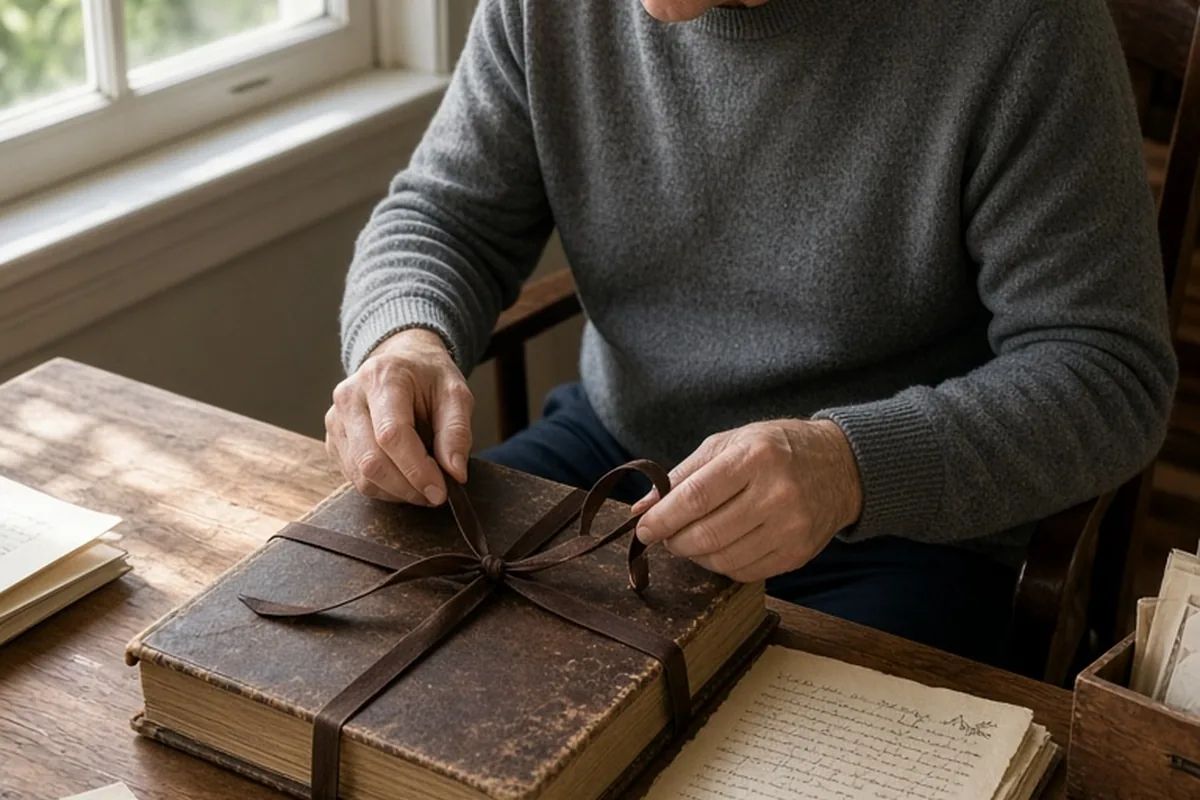
Heirloom gifts carry a generational weight that store-bought items simply cannot replicate. Passing down a piece of family jewelry, an antique watch, vintage silverware, or a cherished decorative piece offers a tangible link to family history. When selecting an heirloom, the primary goal is welcoming the new spouse into the lineage while honoring your son. If gifting jewelry to the bride or groom, ensure the piece matches their daily style and preferences, or offer to have the stone or setting modernized so they feel comfortable wearing it regularly.
Sentimental gifts can also be created newly for this occasion. Commissioning a custom portrait of the couple's first home, binding a collection of handwritten family recipes from both sides of the family, or framing a vintage map of the town where they met shows deliberate forethought. These gifts succeed because they celebrate the couple's unique partnership rather than merely checking an item off a shopping list. When presenting an heirloom or custom keepsake, always include a handwritten letter explaining the history, significance, and your heartfelt blessings for their future.
Upgrading the Honeymoon With Curated Experience Gifts
Many modern couples already live together before marriage and possess basic kitchen appliances, linens, and dinnerware. For these couples, experiential gifts that enhance their honeymoon provide lasting memories without adding physical clutter. Instead of merely handing over generic travel vouchers, the groom's parents can arrange and cover specific, elevated experiences during the trip. This approach turns financial support into a thoughtful, personalized gesture that the couple can anticipate throughout their wedding planning.
Thoughtful honeymoon upgrades depend heavily on the couple's travel style and destination. For an adventurous pair, booking a guided excursion, a private sailboat charter, or a national park trekking pass fits their energy. For couples seeking relaxation, covering a private five-course dinner at a renowned local restaurant, booking a couples' spa package, or paying for a luxury room upgrade at their resort creates an unforgettable indulgence. Always confirm their travel dates, resort policies, and itinerary details before booking non-refundable bookings to avoid accidental scheduling conflicts.
Long-Term Home Investments and Practical Household Upgrades
Establishing a shared home represents one of the most exciting and financially demanding phases of early marriage. Groom's parents can provide lasting utility by gifting durable, high-caliber household items that the couple might hesitate to buy for themselves. These long-term investments go beyond everyday registry items, serving as enduring fixtures in the couple's daily routines for decades.
Consider focusing on practical categories where premium materials and craftsmanship make a noticeable difference in longevity and performance. High-value options include a professional-grade cookware set, handcrafted hardwood furniture such as a dining table or credenza, high-efficiency outdoor cooking equipment, or premium patio seating. When selecting home furnishings or prominent kitchen pieces, consult the couple directly regarding their spatial measurements, aesthetic preferences, and material choices. A surprise dining set that clashes with their living space creates unintended stress, whereas a collaborative purchase guarantees daily appreciation.
Financial Gifts and Practical Contributions to Long-Term Goals
Direct financial contributions remain among the most genuinely helpful gifts parents can offer, especially given modern housing markets, student debt, and the overall expense of launching an independent household. However, many parents worry that giving money feels impersonal or transactional. The secret to a meaningful monetary gift lies in how it is framed, presented, and earmarked for the couple's specific long-term dreams.
Rather than writing a casual check without context, connect the financial gift to a goal the couple has openly discussed. You might designate the funds toward their down payment savings, an emergency home-repair cushion, major landscape renovations, or an investment portfolio. Deliver the funds inside a high-quality card accompanied by a thoughtful letter expressing your confidence in their shared future. Avoid attaching conditions, timelines, or unsolicited oversight to the money; true generosity empowers the newlyweds to allocate the resources in the manner that best supports their mutual well-being.
Welcoming the New Spouse With an Individual Gift
In addition to a joint gift for the couple, it is a warm and gracious tradition for the groom's parents to present a small, individual welcoming gift directly to their new son-in-law or daughter-in-law. This gesture symbolizes personal acceptance and excitement about their arrival into the family circle. It does not need to be extravagant; its purpose is to create a personal, one-on-one connection that makes the new spouse feel valued as an individual rather than just as your son's partner.
For a bride, popular welcoming gifts include a delicate piece of fine jewelry meant for the wedding day or everyday wear, a monogrammed luxury travel bag, a customized jewelry box, or a piece of family memorabilia. For a groom joining the family, a classic watch, engraved cufflinks, customized barware, or a high-end leather accessory can serve a similar purpose. The most touching component of this gift is often the private card enclosed, welcoming them warmly into your family and expressing admiration for the love and happiness they bring to your son's life.
Timing, Coordination, and Delivery Etiquette for the Groom's Parents
The timing and method of giving your wedding gift influence how smoothly the gesture is received during a busy wedding weekend. While typical wedding guests might mail registry gifts weeks ahead or drop envelopes into a reception gift box, parents have closer access and can choose a more intimate moment. Presenting your primary gift during the rehearsal dinner evening, at a quiet family breakfast before the wedding day, or immediately after returning from the honeymoon allows for a heartfelt, private conversation away from the crowds.
Coordination with other key family members also prevents awkward overlap. While you do not need to match the financial contributions of the other partner's parents, having an open, polite conversation about overall plans can avoid duplicate gifts, such as both families attempting to fund the honeymoon airline tickets or buying matching appliances. Keep delivery straightforward: if gifting physical items that are large or fragile, have them shipped directly to the couple's home address rather than bringing bulky packages to the wedding venue where they must be transported late at night.
Frequently asked questions
How much should the groom's parents spend on a wedding gift?
There is no mandatory dollar amount for parental wedding gifts. Spending typically reflects your personal financial comfort, your overall contribution to wedding and rehearsal dinner costs, and local norms. Focus on genuine utility and sentiment rather than trying to meet an arbitrary financial benchmark.
Should the groom's parents buy exclusively from the couple's registry?
While the wedding registry provides clear insight into the couple's aesthetic and missing household items, parents are not restricted to it. Sentimental heirlooms, honeymoon contributions, and personal welcome gifts are perfectly appropriate outside the registry, provided they respect the couple's space and lifestyle.
When is the best time for the groom's parents to give their wedding gift?
A quiet, private setting is ideal, such as the evening of the rehearsal dinner, a private family gathering the week of the wedding, or shortly after the couple returns from their honeymoon. Delivering large physical gifts directly to their home avoids transport logistics on the wedding night.
Is it customary to give separate gifts to the couple and to the new spouse?
Giving one primary joint gift to celebrate the marriage is standard practice. However, adding a small, individual welcoming gift or a heartfelt private letter to the new spouse is a thoughtful tradition that deepens family bonds.
Your next step
Sit down with your partner to decide whether an heirloom, an experiential upgrade, or a practical financial contribution best aligns with the couple's immediate goals, then prepare a thoughtful handwritten letter to accompany your gift.