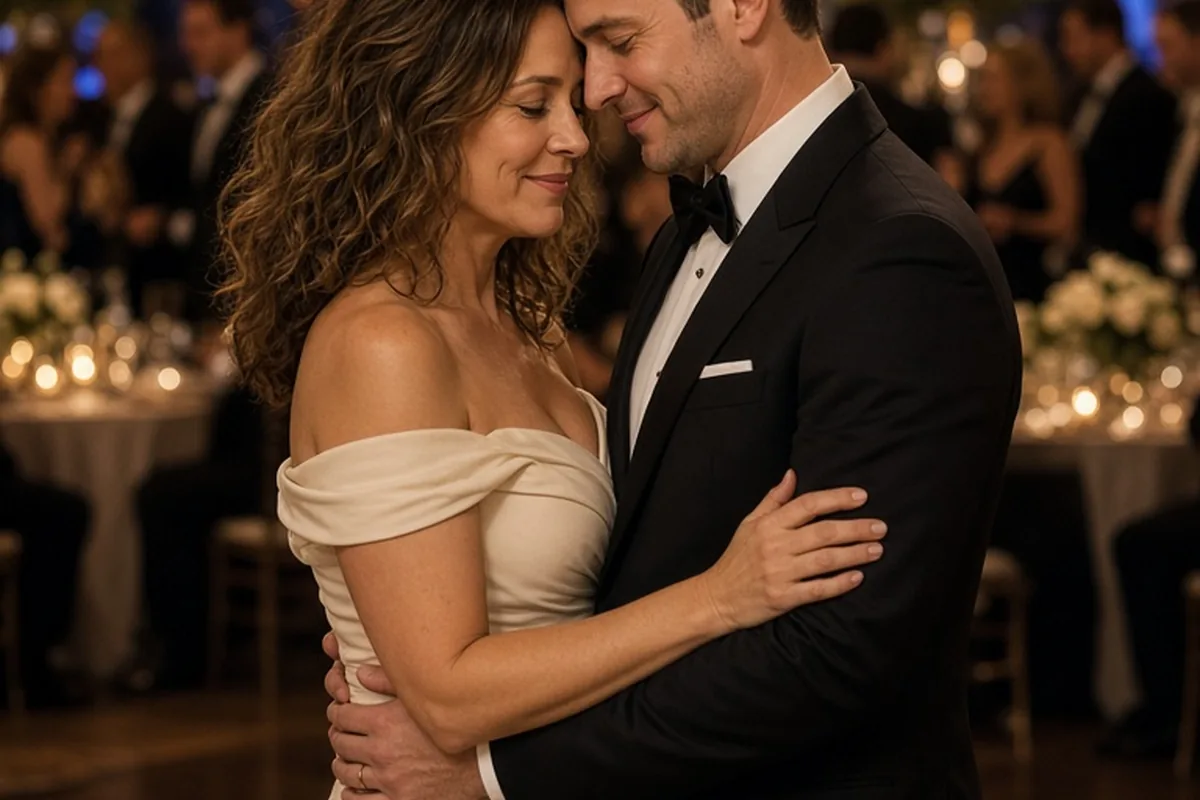
The best mother-son wedding dance songs reflect your authentic relationship while remaining comfortable to dance to for two to three minutes. Leading timeless options include "What a Wonderful World" by Louis Armstrong and "In My Life" by The Beatles. For soulful warmth, "A Song for Mama" by Boyz II Men and "Stand by Me" by Ben E. King excel. Modern alternatives include "93 Million Miles" by Jason Mraz and "Humble and Kind" by Tim McGraw.
Selecting music for the mother-son dance is often one of the final details planned during wedding preparation, yet it creates one of the most emotionally resonant focal points of the reception program.
Timeless Classic Mother-Son Wedding Dance Songs for Traditional Receptions
Traditional standards remain popular because their arrangements provide steady, predictable rhythms that put hesitant dancers at ease. Louis Armstrong's recording of "What a Wonderful World" stands out as a universal favorite because its relaxed tempo allows pairs to maintain an effortless, natural sway without needing formal ballroom instruction. Its lyrical focus on gratitude and beauty avoids dramatic shifts in dynamic, giving the moment an understated, elegant feel that flatters almost any reception aesthetic.
The Beatles' "In My Life" offers an equally classic yet slightly more reflective alternative. Clocking in at under three minutes in its original album version, John Lennon's vocal delivery and nostalgic reflections on people and places honor the passage of time without slipping into heavy sentimentality. For pairs leaning toward mid-century jazz and swing, Nat King Cole's "Unforgettable" or Frank Sinatra's "The Way You Look Tonight" introduce sophisticated vocal phrasing. Sinatra's tempo is notably peppier, making it an excellent match for mothers and sons who prefer a lighthearted two-step over an intimate slow dance.
When evaluating standard recordings, listen carefully to the lyrical context. Some older crooner classics carry romantic connotations that can feel awkward in a parent-child context if you only listen to the chorus. For example, while Louis Prima or Tony Bennett tracks often sound celebratory, verify that verses describe familial appreciation or unconditional guidance rather than courtship. Classic arrangements also tend to feature orchestral interludes that provide natural visual pauses for simple turns or shared laughter on the dance floor.
Soulful R&B and Motown Ballads with a Natural Sway
R&B and Motown tracks offer deep emotional resonance paired with rhythmic grooves that help prevent the stiff, uncomfortable swaying common among inexperienced dancers. Boyz II Men's "A Song for Mama" represents the quintessential direct tribute in this genre. Written specifically to honor maternal sacrifice, love, and consistency, the lyrics speak straight to the heart of the relationship. Because the production builds significantly in the final third, working with your sound professional to fade out after the second chorus keeps the tribute intimate before the vocal runs become overly dramatic.
If you prefer a lighter, more celebratory energy, Stevie Wonder delivers several outstanding candidates. "You Are the Sunshine of My Life" combines a gentle bossa nova beat with bright electric piano chords, establishing an upbeat, cheerful environment that immediately puts guests at ease. For an even more relaxed feel, "Isn't She Lovely" provides an infectious bounce, though it was written from a father to a newborn daughter, so many duos opt instead for Stevie Wonder's recording of "For Once in My Life" to emphasize shared joy and mutual support.
Ben E. King's "Stand by Me" provides another exceptional mid-tempo option grounded in classic soul. The iconic walking bassline establishes a reliable, intuitive groove that makes pacing simple, even if either dancer feels nervous about being watched. The song's themes of solidarity, resilience, and mutual protection reflect the evolving adult dynamic between an independent son and a supportive mother, presenting their connection as an enduring bond of loyalty rather than past childhood dependence.
Country and Folk Selections Focused on Sincere Storytelling
Country and acoustic folk music excel at narrative lyricism, tracing the journey from raising a young child to watching him establish his own household. Tim McGraw's "Humble and Kind" serves as a practical, poignant benediction. The verses offer concrete life advice, humility, and moral guidance, making it feel less like a performance and more like a mother sending her adult child forward into a new chapter with her blessings. The acoustic cadence is steady and measured, fitting comfortably within a rustic, outdoor, or classic ballroom setting.
Rascal Flatts' "My Wish" takes a similarly uplifting approach, emphasizing optimistic hopes for the future rather than lingering solely on childhood memories. Its energetic chorus keeps the atmosphere bright and supportive, which can help mothers and sons who worry they might become overwhelmed with tears during a strictly somber ballad. For an intensely personal mother-centered narrative, Reba McEntire's "He Ought to Know That by Now" or Carrie Underwood's "The Champion" can occasionally fit niche situations, but Lee Ann Womack's "I Hope You Dance" remains the benchmark country recommendation for encouragement and life advice.
Before selecting a country ballad, pay close attention to pacing and song length. Many traditional country storytelling tracks run past the four-minute mark because they include multiple verses detailing early childhood memories, teenage years, and adult farewells. Listening through the track together while timing the verses will help you decide whether the full storyline adds meaning or if an edited version preserves the emotional core while maintaining the reception timeline.
Modern Pop and Acoustic Tracks for Contemporary Pairs
Couples seeking contemporary sounds often find that modern pop, indie, and alternative acoustic tracks deliver warm, understated affection without theatrical tropes. Jason Mraz's "93 Million Miles" is widely praised for its nuanced lyrical perspective. The song depicts the physical distance an adult travels from home while highlighting the comforting certainty that a parent's home and love remain an anchor no matter where life leads. The fingerpicked acoustic guitar and modern production offer a fresh, organic texture that avoids melodrama.
Phil Collins' "You'll Be in My Heart" bridges contemporary pop and cinematic familiarity. Written as an expression of protective devotion, its sweeping arrangement resonates deeply with generations that grew up during the late 1990s and early 2000s. For a subtler, indie-leaning aesthetic, consider Adele's "Remedy" or Leon Bridges' "Lisa Sawyer." Bridges wrote the latter specifically as a tribute to his mother's grace and upbringing, providing a rich, vintage soul cadence delivered with contemporary artistic clarity.
Modern choices are especially beneficial when the groom or mother feels uneasy with excessive public sentimentality. Acoustic covers of familiar pop songs, such as acoustic renditions of Fleetwood Mac's "Landslide" or Cyndi Lauper's "Time After Time," provide recognizable musicality with gentle, understated vocals. These arrangements create an intimate boundary around the dancing pair, keeping the moment sweet and personal without forcing an overt emotional display.
Upbeat Transitions and Choreographed Shifts for Energetic Duos
Not every mother-son dance needs to be a tender slow dance. For pairs with lively personalities, a surprise transition or fully upbeat track allows both individuals to express humor, energy, and shared enthusiasm. Classic funk, disco, and Motown hits such as Earth, Wind & Fire's "September," The Jackson 5's "I Want You Back," or Paul Simon's "Loves Me Like a Rock" celebrate familial warmth with a dance floor groove that naturally invites reception guests to smile and clap along.
If you want to combine tradition with surprise, a two-part mashup offers the best of both styles. This format typically begins with sixty to ninety seconds of a traditional slow ballad—such as "What a Wonderful World"—before a simulated audio record-scratch or beat drop kicks off a high-energy dance routine set to hip-hop, funk, or retro pop. To execute this smoothly, practice the transition several times in your actual wedding footwear so the sudden shift in foot speed does not lead to slips, trips, or strained movements.
Coordinate closely with your wedding entertainment professional when planning an upbeat routine. The DJ must understand the exact second mark for the transition cut, whether lighting adjustments are required, and when to invite the rest of the bridal party or guests onto the floor. Wrapping up an upbeat dance with an open invitation for everyone to flood the dance floor serves as an effective, seamless bridge directly into the evening's open party set.
Choosing Meaningful Music When Family Relationships Are Subtle or Blended
Family relationships are diverse, and selecting a track when dynamics are nuanced, understated, or blended requires intentional sensitivity. In situations involving stepmothers, adoptive mothers, grandmothers, or instances where a mother-son bond is low-key rather than deeply sentimental, tracks with intense maternal declarations—like "you brought me into this world"—can feel performative or uncomfortable. In these scenarios, songs centered on gratitude, general companionship, or fond memories provide a far more authentic fit.
Tracks like Carole King's or James Taylor's rendition of "You've Got a Friend," Queen's "You're My Best Friend," or Bill Withers' "Lean on Me" emphasize dependable partnership and warmth without requiring overt biological references. If a groom wishes to honor both a biological mother and a stepmother, splitting a single song into two distinct segments or selecting two shorter, contrasting tracks allows each parent to share an equal, individualized tribute without turning the reception schedule into an extended sequence of slow dances.
Communicate honestly during song selection. If either the son or the mother expresses discomfort with being in the spotlight for a protracted period, prioritize a shorter, upbeat song or agree in advance to fade the music early. A sincere two-minute dance to a mutually appreciated track honors the relationship far better than four minutes of strained, awkward movement to a song chosen purely because it matched someone else's definition of wedding tradition.
Pacing, DJ Cues, and Editing the Track for Dance Floor Comfort
One of the most frequent oversights during reception planning is failing to edit song duration. Most studio recordings run between three and a half to five minutes. While that duration feels standard when listening in a car or through headphones, standing in the center of a silent room with all eyes focused on you for four full minutes can feel interminably long. The recommended standard for special parent dances is between two minutes and two minutes and thirty seconds.
Work directly with your DJ, sound technician, or bandleader to establish a pre-arranged fade-out point. Professional entertainers routinely perform clean edits that bridge the opening verse, a chorus, a brief second verse, and a final chorus without an abrupt, jarring stop. Alternatively, you can establish a visual cue: agreeing that after two minutes, the groom will nod to the DJ, who then smoothly lowers the volume while the emcee invites the room to applaud, bringing the segment to a graceful conclusion.
Finally, conduct at least one dry run before the wedding day. You do not need professional choreography, but walking through your basic posture, step rhythm, and turns while wearing your formal dress shoes clarifies whether the track's tempo feels rushed or dragged out. Testing the pace together dispels performance anxiety, ensuring both mother and son step onto the reception floor feeling relaxed, prepared, and fully present in the moment.
Frequently asked questions
How long should the mother-son wedding dance last?
The ideal duration is between two and two and a half minutes. Most unedited commercial songs run four minutes or longer, which can feel uncomfortably drawn out for both the dancers and seated guests. Ask your DJ to fade the song naturally after the second chorus.
Can the mother-son dance be combined with the father-daughter dance?
Yes, combining the two dances is a common way to streamline the reception schedule and ease stage fright. You can either select one shared track that suits both relationships or arrange a seamless transition between two shorter song snippets.
What should we do if my mother and I have different musical tastes?
Focus on finding common ground in tempo and mood rather than insisting on a specific favorite artist. Classic standards from Motown, 1970s acoustic folk, or gentle acoustic pop covers often satisfy different generational tastes while providing an easy rhythm to dance to.
Do we need professional dance lessons for the mother-son dance?
Formal lessons are completely optional and unnecessary for a traditional slow dance. Practicing a basic two-step sway at home for ten minutes while wearing your wedding shoes is usually enough to build confidence and establish comfort on the dance floor.
Your next step
Listen to three candidate tracks together this week with your mother, time a natural two-minute cutoff, and confirm the final cut time with your wedding DJ.