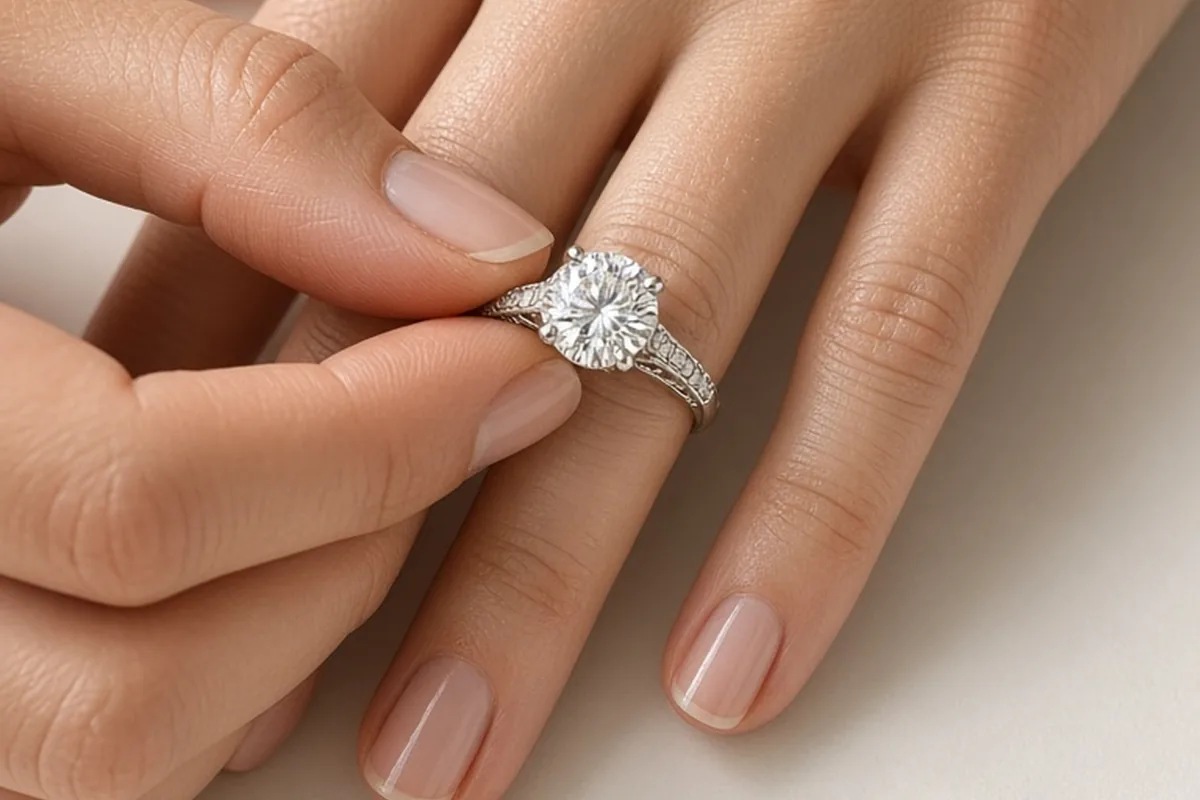
Your favorite diamond shape often reflects your balance between personal aesthetic, lifestyle demands, and self-expression. Classic round brilliants signal timeless simplicity and tradition, while clean emerald and asscher cuts lean toward architectural sophistication and quiet confidence. Expressive shapes like pear, marquise, and heart prioritize individuality and romantic drama, whereas princess and cushion cuts bridge modern sparkle with soft romanticism. Choosing a shape highlights how you balance visual appeal with daily wearability.
When selecting an engagement ring or signature fine jewelry, most people gravitate toward specific stone geometries long before evaluating laboratory grading reports. While a cut cannot scientifically diagnose your personality, your visual preference serves as a reliable window into your daily aesthetic, comfort with attention, and tolerance for jewelry maintenance.
Round Brilliant: The Appeal of Timeless Balance and Effortless Versatility
The round brilliant remains the most chosen diamond shape worldwide, and an affinity for it generally points toward someone who values dependability, symmetry, and understated elegance. People drawn to round stones often prioritize enduring appeal over passing fashion trends. If your wardrobe leans toward tailored blazers, crisp white shirts, and capsule staples that look sharp regardless of the season, the round brilliant fits naturally into your routine. This preference suggests a grounded mindset that finds comfort in proven choices rather than feeling an urge to reinvent the wheel for the sake of novelty.
Beyond its traditional reputation, choosing a round diamond reflects a practical understanding of visual performance. Engineered with 57 or 58 facets to maximize optical light return, the round cut offers unmatched brilliance and dispersion. Individuals who favor this silhouette often appreciate low-friction design in their everyday belongings. Round stones lack sharp corners that catch on knit sweaters, gym gear, or work pockets, making them an effortless companion for active hands. Preferring this shape does not mean your taste is predictable; rather, it shows you value functional grace and a design that never demands an apology or an explanation.
Princess and Cushion Cuts: Bridging Modern Polish with Romantic Softness
Square and modified brilliant outlines cater to those who appreciate vibrant sparkle but desire a deliberate departure from the standard circle. The princess cut, characterized by clean ninety-degree corners and geometric brilliance, appeals to individuals with an organized, decisive, and distinctly modern presence. Lovers of the princess cut often enjoy crisp lines, contemporary interior decor, and bold structural silhouettes. There is a sense of sharp self-possession in choosing a clean square stone; it conveys ambition and clarity, projecting a tailored confidence that feels polished without appearing overly delicate.
In contrast, the cushion cut softens square geometry with rounded corners and larger facet patterns, evoking antique pillow cuts from past eras. An affinity for cushion shapes often aligns with a warm, romantic, and nostalgic temperament. Wearers of cushion diamonds frequently cherish vintage heirlooms, layered textiles, and heirloom-inspired craftsmanship. This stone combines the fire of a brilliant cut with a gentle, pillow-like contour, making it ideal for someone whose personal style blends approachable romance with timeless luxury. If you love an inviting atmosphere and curated vintage treasures, the cushion cut mirrors that gentle balance between past charm and modern durability.
Emerald and Asscher Step-Cuts: Architectural Confidence and Understated Luxury
Emerald and asscher diamonds depart from glittering brilliance in favor of step-cut faceting, which produces an optical hall-of-mirrors effect through parallel rectangular planes. Preferring an emerald cut signals an innate appreciation for architectural precision, quiet luxury, and art deco minimalism. Those who love this silhouette rarely seek loud, flashy sparkle; instead, they are drawn to clarity, proportion, and structural integrity. This shape speaks to someone with discerning taste who values high-grade craftsmanship over surface-level flash, often mirroring an affinity for mid-century modern lines, gallery visits, and tailored fashion.
Choosing a step-cut also reveals a willingness to embrace honesty in materials, because long, open facets do not hide internal inclusions or body tint the way brilliant faceting can. The square asscher cut, with its cropped corners and deeper pavilion, adds an element of vintage mystery to this structured aesthetic. Admirers of asscher cuts often possess an eccentric streak paired with disciplined taste, delighting in subtle details that casual observers might miss. Wearing a step-cut diamond suggests a self-assured composure: you are comfortable with an understated stone whose beauty reveals itself through composure and geometry rather than overwhelming light dispersion.
Oval, Pear, and Marquise Silhouettes: Expressive Individuality and Elongated Drama
Elongated fancy shapes—namely oval, pear, and marquise cuts—attract personalities who enjoy visual flair, artistic expression, and graceful proportions. The oval cut offers the fire of a round diamond while creating an elongating effect on the wearer's fingers. Fans of oval shapes frequently balance contemporary trends with creative styling, seamlessly blending eclectic jewelry stacks with high-end designer accents. An oval preference reflects a sociable, adaptable personality that enjoys staying current without straying into fleeting fads, offering a fluid silhouette that transitions effortlessly from casual weekend outings to formal gatherings.
Pear and marquise cuts take that expressive energy a step further by introducing sharp, dramatic tips that demand attention. The pear shape, resembling a tear or dewdrop, blends the softness of a round curve with an assertive point, appealing to independent, emotionally attuned individuals who embrace unique paths. The marquise cut, with its pointed boat-like silhouette inspired by eighteenth-century court glamour, speaks to someone unafraid of theatrical elegance and bold retro glamour. Favoring these pointed cuts shows a confident eye for vintage grandeur and a playful willingness to let your jewelry serve as a conversational centerpiece.
Radiant and Heart Cuts: Vibrant Energy Meets Unapologetic Sentimentality
Radiant cuts combine the trimmed profile of an emerald cut with the complex, shattered-glass brilliance of a modified brilliant facet arrangement. People drawn to radiant diamonds usually possess dynamic, outgoing, and high-energy personalities. They enjoy the clean silhouette of a rectangle or square but refuse to sacrifice intense sparkle. If you love radiant cuts, your personal presentation is likely vibrant, cheerful, and decisive. You enjoy making an impression when entering a room, and you appreciate jewelry that captures ambient light from across a dining table or outdoor patio.
On the other end of the expressive spectrum sits the heart-shaped diamond, the most explicitly symbolic cut available. Loving a heart-shaped stone suggests an unapologetically sentimental, passionate, and open-hearted approach to life. Wearers of heart diamonds rarely concern themselves with conventional expectations or minimalist trends; they wear their emotions openly and embrace personal storytelling. Choosing this shape indicates a romantic spirit that values genuine emotional attachment over purely conventional prestige, unbothered by whether traditionalists consider the shape unconventional for a daily ring.
Balancing Personal Expression Against Daily Wear and Setting Vulnerabilities
While your personality might naturally lean toward an elongated marquise or an open-table emerald cut, your daily physical routine must serve as an honest reality check. Diamond is the hardest natural mineral, but specific geometries carry inherent structural vulnerabilities. Pointed tips on pear, marquise, and princess cuts can chip if struck against hard surfaces, requiring protective V-prong settings or sturdy bezels. If your daily life involves frequent hand washing, athletic training, gardening, or hands-on clinical work, prioritizing fragile points without protective metalwork can lead to heartbreak.
Similarly, step cuts like emerald and asscher diamonds require frequent cleaning because oils, hand creams, and dust quickly dull their broad, flat facets. A round brilliant or radiant stone can disguise minor surface smudges through intense light scintillation, but a step cut displays every stray fingerprint. When choosing a shape that aligns with your personality, evaluate whether your lifestyle accommodates regular gentle cleanings and specialized prong maintenance, or if an inherently protected, low-profile silhouette better supports your peace of mind.
How to Verify Your Stone Choice in Person Before Committing to a Ring Setting
Digital ring mockups and overhead photographs flatten how a diamond interacts with your hand, your skin tone, and three-dimensional light. Stone proportions such as length-to-width ratios dramatically alter the personality of fancy shapes. For instance, an oval cut with a 1.30 ratio appears full and approachable, whereas a 1.50 ratio looks slender, sleek, and dramatic. The only reliable way to confirm that a shape truly aligns with your aesthetic is to test loose stones or unset sample mountings on your own fingers under varied light sources.
During an in-person viewing, observe how the stone behaves under diffuse office lighting, direct warm spotlighting, and natural outdoor shade. Pay particular attention to optical phenomena like the bow-tie effect—a dark cross-shaped shadow across the center of poorly cut ovals, pears, and marquises. Take photos of your hand at natural resting angles rather than just posing under intense jewelry store display lights. This practical assessment ensures that the cut you admire on screen harmonizes with your personal gestures, wardrobe color palette, and daily comfort.
Frequently asked questions
Can your favorite diamond shape change over time?
Yes, personal preferences frequently shift alongside your evolving wardrobe, lifestyle, and career demands. Someone who favored an energetic princess cut in their twenties may appreciate the serene, architectural restraint of an emerald cut in later years. Changing tastes reflect natural growth rather than a conflicting sense of self.
Does choosing an unconventional diamond shape affect its long-term durability?
Durability depends heavily on the presence of exposed pointed corners rather than the shape alone. Pear, marquise, and princess cuts feature vulnerable tips that can chip if knocked against hard granite or metal counters. Choosing protective prong styles like V-caps or half-bezels provides adequate defense for everyday wear.
Why do some diamond shapes look larger than others at the same carat weight?
Shapes like oval, pear, and marquise distribute more of their total carat weight across the top surface, creating a larger visible footprint when viewed from above. Deeper cuts, such as asscher or cushion stones, carry more weight in the lower pavilion, resulting in a slightly smaller surface spread for identical carat weights.
Your next step
Try on sample mountings featuring three different diamond shapes in natural daylight to see which silhouette best balances your physical comfort with your everyday personal style.