Unique and unforgettable bachelor party ideas focus on shared, immersive experiences tailored specifically to the groom rather than generic party formulas. High-impact concepts include backcountry cabin retreats, private culinary workshops, high-performance driving track days, guided wilderness pack-ins, and themed nostalgia weekends. Success depends on selecting an itinerary that matches the groom's authentic personality, setting clear expectations early, and balancing organized group activities with unscheduled downtime so every guest can enjoy the celebration.
Planning a pre-wedding celebration often comes with pressure to replicate tired nightlife tropes that may not match what the guest of honor actually enjoys. A memorable gathering does not require chaotic club circuits or punishing itineraries; it demands thoughtful alignment with the groom's real interests and respectful consideration of everyone invited.
Tailoring the Celebration to the Groom Rather Than the Standard Script
The most common mistake planners make is adopting a generic party template out of habit. Before booking plane tickets or putting down rental deposits, talk directly with the groom about what kind of atmosphere he genuinely prefers. Some grooms thrive in energetic social environments surrounded by large crowds, while others want a quiet weekend away with close friends around a campfire. Asking for his clear non-negotiables, preferred activity pace, and people he wants in attendance prevents well-meaning organizers from designing an exhausting obligation instead of an authentic celebration.
To gather this direction without ruining every surprise, ask the groom to name two things he definitely wants to experience and two things he wants to avoid entirely. He might want fresh air and local food while expressly vetoing crowded nightclub districts or mandatory matching outfits. Once you establish these boundaries, keep the specific day-to-day details confidential so there is still genuine excitement when the weekend unfolds. This approach guarantees the concept reflects his real tastes while keeping planning focused and deliberate.
Wilderness Expeditions and Off-Grid Outdoor Adventures
For an outdoorsy groom, stepping away from urban nightlife into natural surroundings creates immediate camaraderie. Renting a remote backcountry lodge or organizing a multi-day guided river rafting trip strips away the distractions of daily life and keeps the focus squarely on group interaction. Activities like fly-fishing alpine streams, guided sea kayaking along coastal islands, or booking a desert cabin adjacent to public trails provide natural daytime structure without forcing rigid schedules on the group.
Outdoor trips require honest appraisal of the group's varied fitness levels and backcountry experience. If some guests are experienced backpackers while others rarely hike, choose an experience with built-in flexibility. A comfortable basecamp cabin with plumbing, paired with optional day excursions like chartered fishing, canyon day hikes, or scenic off-road utility vehicle rentals, allows everyone to participate at their comfort level. Ensure the organizer coordinates gear rentals in advance so guests who do not own tents or technical layers are not forced to buy expensive equipment for a single weekend.
- Cabin basecamp with day excursions: Rent a property near a national forest or state park to combine comfortable beds and hot showers with daytime hiking, mountain biking, or lake activities.
- Guided whitewater river expedition: Hire a licensed outfitter for a two-day river descent where guides handle navigation, gear, and camp meals, leaving the group free to focus on the experience.
- Coastal surf or fishing camp: Book a beach house adjacent to charter docks or surf breaks, giving guests open space to relax between morning boat outings and evening beach cookouts.
Hands-On Culinary Immersions and Regional Tasting Trails
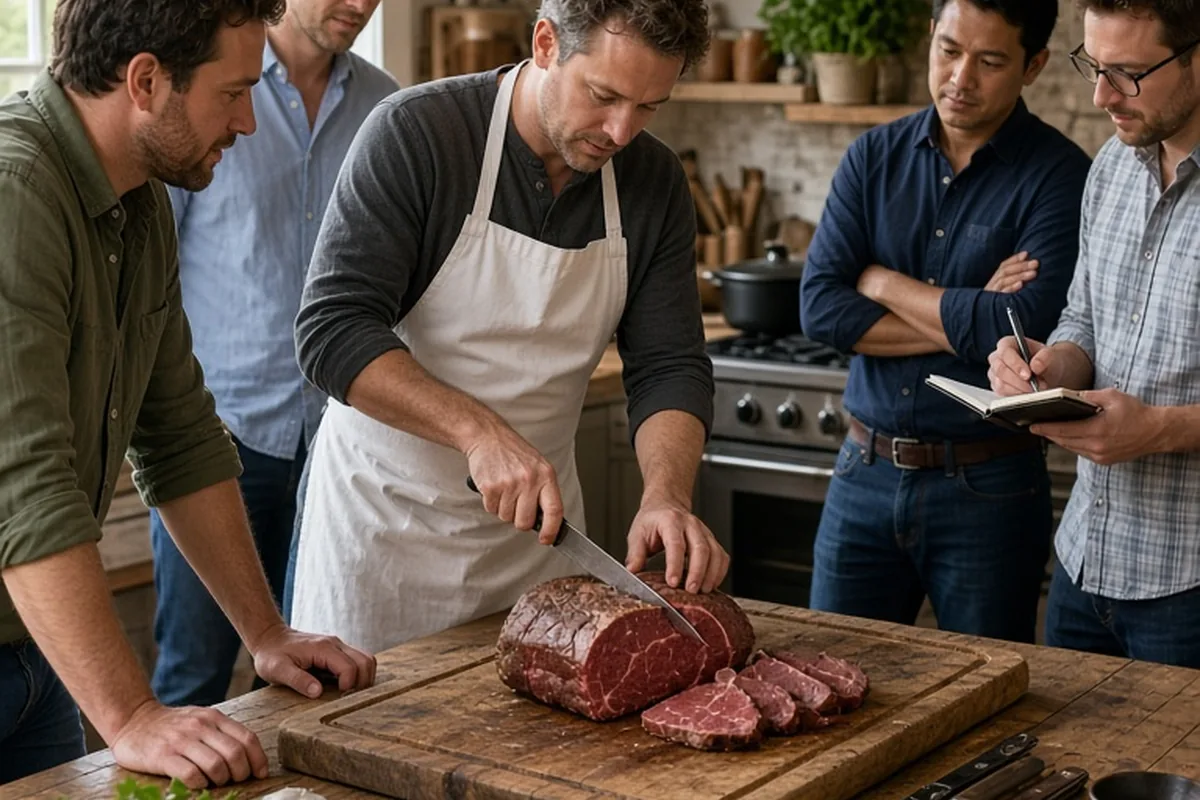
Food-focused bachelor parties offer a refined, low-stress alternative that appeals across generations, from college friends to future brothers-in-law. Instead of booking hurried dinners in noisy venues, design the gathering around immersive culinary experiences. Consider renting a rural farmhouse in an agricultural valley or wine region and hiring a private chef to conduct a custom butchery or pasta-making workshop followed by an unhurried multi-course dinner on the patio. This format prioritizes rich conversation and exceptional food without the friction of splitting complex restaurant checks.
For grooms interested in regional food traditions, structure the trip around an iconic regional circuit. Examples include touring historic pitmaster barbecue joints across central Texas, exploring artisan bourbon distilleries along rural trail routes, or sampling coastal seafood shacks along the New England shoreline. When organizing tasting itineraries, hire dedicated professional transportation like a private sprinter van to ensure everyone remains safe, comfortable, and accounted for throughout the day.
Skill-Building Challenges and High-Performance Sports
High-energy groups often bond best through active, competitive challenges that teach a new skill. High-performance driving schools, where guests learn car control and complete hot laps in sports cars, offer adrenaline in a supervised, highly controlled environment. Other compelling options include private sporting clays courses, guided coastal deep-sea spearfishing, amateur rally driving academies, or a half-day sailing charter where the group acts as active crew under the captain's instruction.
When choosing action-oriented activities, prioritize experiences with professional coaching and strict safety standards. Check cancellation and weather policies early, and verify that the provider provides all necessary protective equipment. It is equally important to make clear that participation is completely voluntary. If a guest prefers to watch track laps or skip a strenuous physical challenge, ensure the venue has comfortable lounge areas where they can socialize without feeling pressured or excluded.
Low-Key Nostalgic Retreats and Hobby Weekends
Not every groom wants physical exertion or public festivities. Many grooms appreciate a nostalgic, relaxed weekend dedicated to hobbies they rarely have time for in busy daily life. Renting a spacious lake house or historic mountain home for a curated tabletop gaming marathon, retro video game tournament, or fantasy sports draft provides deep social connection without any performance pressure. Stocking the house with favorite vintage snacks, local craft beverages, and collaborative board games creates an easygoing, communal atmosphere.
Another effective format is a sports road trip centered on minor league baseball parks, college football tailgates, or a dedicated golf weekend at a walkable public resort. Minor league games, in particular, offer relaxed outdoor entertainment, quirky local stadium food, and accessible ticket prices compared to major league arenas. The low-stakes environment allows guests to catch up naturally without shouting over blaring stadium sound systems or navigating massive arena crowds.
Balancing Budgets Without Putting Attendees on the Spot
Financial friction is the fastest way to derail group excitement. Attendees often come from diverse financial backgrounds, with differing career stages, student loan obligations, and family commitments. Expecting guests to publicly negotiate their budgets in a large group message often leads to quiet resentment or silent dropouts. The host should establish financial transparency from the very first conversation.
Before locking in non-refundable lodging or booking high-cost excursions, send a short anonymous poll asking each attendee to select a realistic total spending range for the trip, including lodging, meals, and activities. Use the lowest consensus range as your baseline budget. Clearly separate mandatory shared baseline costs, such as the rental property and basic groceries, from optional excursions. If some guests want to book an expensive round of golf while others prefer hanging out by the pool or visiting a local museum, design the schedule so both choices are treated as equally valid.
Managing Bachelor Party Logistics, Schedules, and Group Dynamics
The best bachelor parties maintain a balanced rhythm rather than an overstuffed itinerary. When planners try to schedule every hour from breakfast to late night, guests quickly become exhausted, delays cascade through the day, and interpersonal patience frays. As a reliable rule of thumb, plan no more than one major organized activity per day. Leave the remaining hours open for leisurely breakfasts, afternoon downtime, spontaneous local wandering, or simply resting before dinner.
Clear, respectful communication keeps the group aligned without overwhelming everyone with notifications. Set up a single central communication thread for critical logistics such as arrival windows, packing needs, address details, and payment milestones. Share a concise one-page itinerary document covering addresses, essential contact numbers, and recommended attire a week before arrival. Once on-site, let the schedule breathe. If the group is thoroughly enjoying an impromptu afternoon conversation on the deck, feel free to push dinner reservations back or adjust low-priority plans to preserve the natural momentum of the weekend.
Frequently asked questions
How far in advance should a bachelor party be planned?
Starting four to six months before the wedding is generally ideal, especially if the plan involves booking rental homes, flights, or guided excursions. This timeline gives guests sufficient notice to request time off work, arrange travel, and budget responsibly without feeling rushed.
Who traditionally pays for the groom during the party?
Typically, the attendees divide the groom's share of shared accommodations, group meals, and planned activities among themselves. However, if the party involves high-ticket travel or expensive sports, organizers should confirm this arrangement with attendees in advance so no one faces unexpected costs.
What is the best way to handle guests who do not drink alcohol?
Choose activities centered on tangible skills, outdoor exploration, sports, or food rather than pub crawls. When stocking group lodging, provide high-quality non-alcoholic beverages alongside any alcohol, and never make drinking games or bar attendance mandatory for full participation.
How many days should a unique bachelor party last?
A two- to three-night weekend is usually the sweet spot for keeping energy high and costs manageable. Trips longer than four days often cause schedule fatigue, higher absenteeism due to work conflicts, and escalating expenses that strain attendees.
Your next step
Reach out to the groom today for his honest list of two things he would love to do and two things he wants to avoid, then use those guardrails to set up an anonymous budget survey for the guest list.