To save money on a wedding without diminishing the experience, cut variables tied directly to headcounts, such as guest totals, multi-course plated dinners, elaborate paper suites, and single-use floral installations that cannot be repurposed. Conversely, never scrimp on professional photography, sound and entertainment, experienced day-of coordination, or basic guest comfort like climate control and adequate food. These non-negotiable elements protect your memories, prevent logistical breakdowns, and shape how your guests actually feel throughout the celebration.
Planning a wedding involves balancing personal priorities against significant financial commitments, where small line items rapidly compound into substantial financial pressure. Knowing where to negotiate or trim expenses—and recognizing the critical services that safeguard your celebration from avoidable stress—allows you to allocate funds intentionally while preserving an enjoyable, memorable event for everyone involved.
Reducing Guest Counts and Adjusting Calendar Timing for Immediate Savings
The overall guest count is the single largest cost driver in any wedding budget because almost every operational expense scales on a per-person basis. Each additional attendee requires not only another meal and bar allocation, but also additional table rentals, linens, chair setups, centerpieces, place cards, and invitation postage. By establishing thoughtful boundaries early—such as reserving plus-ones for partners living together or long-term couples, and keeping personal invitations consistent across extended family branches—couples can trim their bottom line significantly without altering the standard of hospitality delivered to the people in the room.
Calendar timing represents another major lever for reducing overall expenditures. Peak Saturday evenings during late spring and early autumn command the highest venue rental fees, the strictest food and beverage minimums, and premium rates from in-demand vendors. Shifting your celebration to an off-peak month, an earlier daytime slot, or a Friday or Sunday afternoon can lower venue minimums substantially. Vendors who face lower demand on non-peak dates are often far more open to negotiating package inclusions, waiving travel fees, or providing complimentary service hours to secure the booking.
Rethinking Wedding Catering and Bar Formats Without Compromising Hospitality
Food and beverage expenses routinely constitute the largest percentage of a reception invoice, yet guests rarely evaluate a meal solely by the complexity of its presentation. Traditional multi-course plated dinners require heavy kitchen staffing, extensive service labor, and high rental costs for specialized flatware and china. Transitioning to curated food stations, family-style service, or an upscale buffet reduces back-of-house labor requirements while giving guests more flexibility over portion sizes and dietary preferences. Focusing on high-quality, seasonal ingredients prepared well is far more memorable than an overly intricate menu where execution suffers at scale.
Bar service offers substantial room for financial optimization without resorting to a cash bar, which can feel ungenerous to traveling attendees. Offering a full open bar with top-shelf spirits leads to high per-bottle markups and unpredictable consumption charges. Instead, consider an open bar featuring curated regional wines, craft beers, and two pre-batched signature cocktails that highlight your personal tastes. This keeps service lines moving rapidly, controls liquor costs, and provides a festive atmosphere. For dessert, ordering a modest single-tier decorative cake for ceremonial cutting alongside cost-effective sheet cakes or miniature dessert platters delivers the same sweet finish at a fraction of custom bakery pricing.
Streamlining Decor, Florals, and Paper Goods Through Dual-Purpose Design
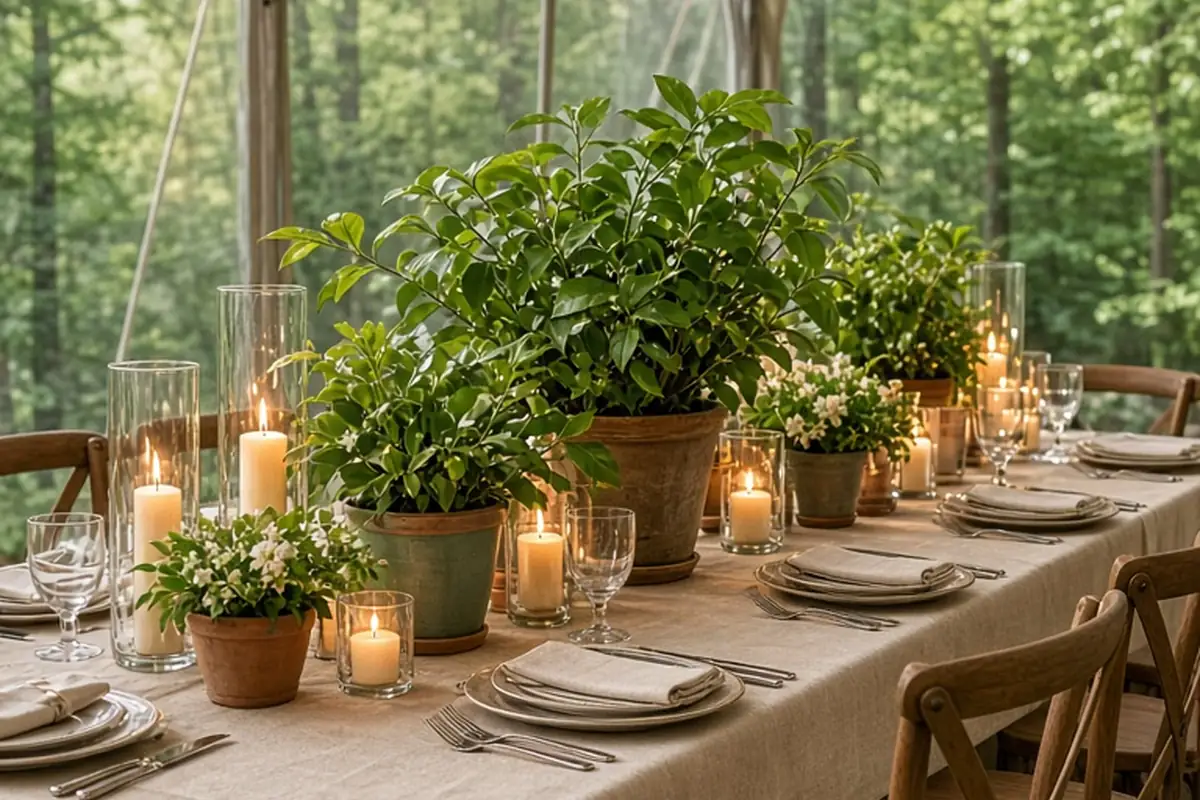
Floral arrangements and venue decor can quickly drain resources when planned as isolated visual elements across separate ceremony and reception spaces. To maximize your investment, work with your florist to design arrangements that serve dual purposes throughout the day. Ground arrangements used to frame the ceremony altar can be quickly transitioned during cocktail hour to flank the sweetheart table or the band stage, while bridesmaid bouquets placed in pre-arranged vases can effortlessly decorate the head table or dessert station. Choosing seasonal foliage, potted greenery, and hardy local blooms over delicate out-of-season imports preserves visual density while mitigating premium procurement and cold-chain shipping fees.
Stationery is another area where conventional expectations often lead to unnecessary spending. Multi-piece custom paper suites featuring custom wax seals, foil stamping, vellum wraps, and heavy inner envelopes incur steep printing costs as well as elevated postage rates due to non-standard sizing and weight. Modern couples can achieve a sophisticated aesthetic by sending a cleanly designed, single-card physical invitation that directs guests to a comprehensive wedding website for digital RSVP tracking, meal selection, travel recommendations, and event schedules. This approach slashes printing and mailing costs while making guest communication and headcount verification significantly more accurate.
Selecting Attire and Beauty Services Without Designer Markups
Attire costs extend beyond the initial retail price tags of dresses and suits, frequently catching couples off guard with secondary expenses such as alterations, specialized undergarments, and accessories. Shopping sample sales, trunk shows, designer consignment boutiques, or ready-to-wear collections from established fashion retailers can secure beautifully constructed garments at substantial markdowns. When shopping, always evaluate the construction and fabric complexity, as altering heavy beadwork, delicate illusion lace, or multiple petticoat layers can easily add hundreds of dollars to the final bill, sometimes rivaling the original purchase cost.
Suiting and wedding party attire present similar opportunities for straightforward financial management. Coordinated suit rentals or establishing a flexible color palette where attendants select their own attire within defined guidelines eliminates burdensome financial expectations for close friends while producing a modern, cohesive look in photos. In terms of beauty services, focus your professional budget where it matters most: booking a thorough hair and makeup trial for the marrying couple. Entourage members can be given the option to book professional styling at their own expense or style their own hair and makeup, eliminating the requirement to fund full salon services across a large party.
Why Professional Photography and Videography Are Non-Negotiable Investments
Visual documentation is one of the only physical assets that remains long after the wedding day ends, making it a critical area where budget cuts carry irreversible consequences. Entrusting photography or videography to well-meaning friends, hobbyists, or entry-level operators poses severe risks. Live event environments are technically demanding, characterized by harsh outdoor sunlight, dim reception lighting, rapid movement, and fleeting emotional moments that cannot be paused or restaged. Experienced professional photographers carry redundant camera bodies, dual-slot memory cards, off-camera lighting equipment, and secure backup systems designed to prevent catastrophic data loss.
Beyond technical mastery, seasoned photographers act as calming, secondary timeline managers on the day of the wedding. They know how to direct large, distracted family groupings efficiently, keep formal portrait sessions on schedule, and anticipate candid interactions before they happen. If your budget is constrained, the solution is not hiring an inexperienced provider for the entire day. Instead, negotiate a focused six-to-eight-hour coverage package with a proven professional that covers essential milestones—such as preparations, the ceremony, family portraits, and the beginning of the reception—ensuring that the moments captured are rendered with exceptional artistry and technical clarity.
The Essential Value of Competent Audio Engineering, Entertainment, and Day-Of Coordination
Sound quality and musical pacing govern the overall emotional atmosphere and momentum of an entire wedding. Relying on an automated smartphone playlist connected to portable rental speakers frequently leads to technical mishaps, such as inaudible ceremony vows, screeching microphone feedback during toasts, awkward dead air between program transitions, and an uninspiring dance floor. A skilled professional DJ or live band sound engineer does far more than queue audio tracks. They understand acoustics across diverse venue spaces, provide reliable wireless lavalier microphones for officiants, read room energy to sustain dance floor engagement, and deliver clear, professional master-of-ceremonies announcements without being overbearing.
Professional day-of coordination provides vital insurance for every other vendor investment you make. Even the most meticulously organized couple cannot manage logistical questions, coordinate vendor arrivals, oversee room flips, or troubleshoot unexpected emergencies while walking down the aisle or greeting guests. A professional day-of or month-of coordinator steps in to review vendor contracts, build a realistic master timeline, manage schedule slips quietly, and ensure your creative vision is executed smoothly. Investing in professional coordination protects you, your partner, and your immediate families from logistical friction, allowing everyone to participate fully as honored hosts rather than stressed event staff.
Protecting Guest Comfort and Accounting for Hidden Operational Costs
True hospitality centers on the physical comfort and well-being of the people attending your celebration, which should never be sacrificed to fund aesthetic upgrades or decorative vanity items. Common missteps include skimping on adequate climate control during extreme summer heat or autumn chills, hosting outdoor ceremonies without shade or rain contingencies, providing insufficient seating during extended cocktail hours, or neglecting water stations. Guests who are thirsty, shivering, overheated, or standing for hours on grass will remember their physical discomfort regardless of how exquisite the floral centerpieces look. Allocating funds toward reliable weather protection, clean and accessible restroom facilities, and plentiful water and food is foundational.
Finally, preserving your budget requires looking past initial vendor estimates to identify hidden operational fees that can quietly derail your financial plans. Thoroughly examine contracts for venue service charges, mandatory staff gratuities, cake-cutting fees, bartending corkage fees, trash removal charges, and load-in or load-out overtime penalties. When comparing vendor bids, evaluate the total out-of-door cost rather than the baseline package rate. Establishing a dedicated contingency line item of approximately ten to fifteen percent within your total budget ensures that unexpected logistical needs, such as sudden marquee tent rentals or local delivery surcharges, can be absorbed without compromising the core elements of your celebration.
Illustrative Scenarios
Illustrative Scenario: Strategic Realignment of Reception Priorities
A composite couple facing budget overruns restructured their plans by evaluating guest impact versus decorative value. They narrowed their guest list from 150 to 110 attendees, shifted from an open liquor bar to wine, beer, and signature drinks, and swapped elaborate floral centerpieces for potted foliage and candles. By redirecting the realized savings, they retained an experienced eight-hour photographer, secured a professional day-of coordinator, and upgraded their outdoor venue tent to include full sidewalls and climate control for unpredictable weather.
Key point: Trimming variable headcount expenses and simplifying static decor allows couples to protect professional vendor management, flawless photography, and baseline guest comfort without increasing their overall spending cap.
Frequently asked questions
Is it considered acceptable to host an adults-only wedding to lower overall costs?
Yes, hosting an adults-only wedding is an established way to manage guest counts, food costs, and venue capacity limits. Clearly state the policy on your save-the-dates and wedding website using polite, direct phrasing, such as 'While we love your little ones, our celebration is an adult-only event.' Provide ample advance notice so parents have sufficient time to coordinate childcare.
How can couples identify hidden vendor fees before signing contracts?
Ask each vendor directly for a comprehensive, out-of-door quote that explicitly itemizes service charges, sales taxes, delivery fees, setup and teardown costs, and expected gratuities. Review contractual fine print for overtime penalties, meal requirements for vendor crews, and venue-specific corkage or cake-cutting policies. Verifying these line items before signing prevents unexpected charges from appearing on your final settlement invoice.
Can a trusted family member or friend serve as the day-of coordinator instead of hiring a professional?
While a friend or relative can handle basic tasks, assigning this responsibility to a guest places substantial stress on them and removes them from enjoying the celebration. Friends often lack experience handling complex vendor friction, sudden electrical or audio failures, or schedule disruptions without panicking. If professional coordination is not an option, assign only minor, clearly defined tasks to several people rather than expecting one untrained loved one to direct the entire event.
What is the most cost-effective way to handle wedding flowers without turning to plastic alternatives?
Focus on heavy greenery, in-season regional blooms, and potted plants that can be rented or easily taken home after the event. Designing statement arrangements that transition seamlessly from the ceremony arch to the reception head table cuts your floral inventory in half. Combining minimal floral accents with ambient pillar candles and tea lights creates a warm, full atmosphere at a fraction of the cost of extensive fresh floral installations.
Your next step
Open your current wedding budget worksheet today and categorize every line item into headcount variables, physical comfort necessities, or non-repeatable services to immediately identify where to trim and where to protect your investment.