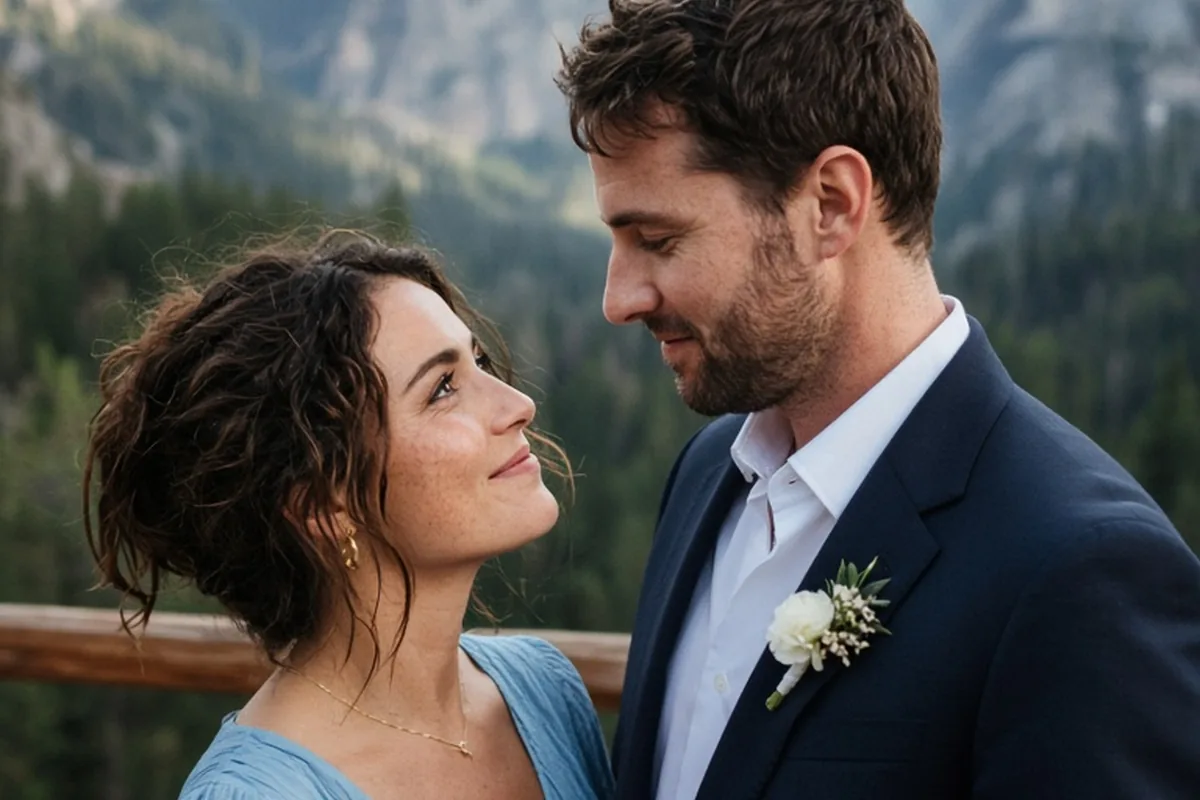
Hosting a wedding at a national park for 150 guests is possible, but it requires specialized planning because standard outdoor scenic viewpoints usually cap ceremonies at 20 to 50 people. To accommodate 150 guests, you must secure a Special Use Permit for a designated high-capacity site—such as an amphitheater, historic lawn, or in-park concessionaire lodge—or host the ceremony in a gateway town venue overlooking the park, followed by chartered shuttles and strictly managed Leave No Trace protocols.
National parks provide some of the most striking backdrops in the country, but their primary mission is resource preservation rather than private event hospitality. Scaling an outdoor celebration to 150 attendees introduces distinct regulatory, logistical, and spatial constraints that differ sharply from conventional commercial wedding venues.
Permits and Capacity Limits for Large National Park Weddings
Every national park requires a Special Use Permit (SUP) for any organized gathering, including commitment ceremonies and vow renewals. When managing a guest list of 150 people, the most immediate hurdle is site capacity. Most designated wedding locations within the National Park Service (NPS) system—such as cliffside overlooks, fragile alpine meadows, and trailside clearings—are strictly limited to small groups of 10 to 30 people to prevent soil erosion, wildlife disruption, and visitor crowding.
To host 150 guests within park boundaries, you must focus exclusively on designated high-capacity zones. These typically include historic amphitheaters, developed visitor center lawns, reservable picnic pavilions, or outdoor areas adjacent to historic structures. For example, parks with developed historical infrastructure may allow larger assemblies on maintained turf or stone terraces, whereas wilderness-adjacent zones will automatically reject applications of this scale.
Permit applications must be submitted directly to the specific park's commercial services or special park uses office, often 6 to 12 months in advance. Each park sets its own application window, non-refundable filing fee, and compliance review process. The permit will dictate exact start and end times, approved physical boundaries, maximum vehicle counts, and whether a designated NPS ranger must be present on-site to monitor compliance throughout the event.
Booking In-Park Concessionaire Lodges Versus Bordering Gateway Venues
Because raw outdoor sites within national parks rarely permit large-scale catering, amplified music, or permanent shelter, couples hosting 150 guests generally choose between two operational models: booking a private concessionaire-operated lodge inside the park, or hosting the event at a privately owned venue in an adjacent gateway town.
In-park lodges are operated by authorized private concessionaires rather than the federal government directly. Many of these historic properties feature dedicated banquet halls, ballroom spaces, and private lawns engineered to handle groups of 150 or more. Booking an in-park lodge simplifies several logistical challenges because the facility already possesses commercial food service licenses, dedicated parking, indoor restrooms, and pre-approved commercial event parameters. However, dates at these landmark lodges often book out more than a year ahead, and couples are typically bound to the concessionaire's exclusive in-house catering and beverage packages.
The alternative is a hybrid model: holding a brief, permitted outdoor ceremony inside the park at an approved high-capacity amphitheater, followed by an evening reception at a private ranch, resort, or event hall located in the neighboring gateway community. This structure provides the iconic park experience for the vows while eliminating federal restrictions on music volume, late-night curfews, outside catering vendors, and alcohol service during the reception.
Charter Shuttles, Vehicle Entry, and National Park Traffic Logistics
Managing transportation for 150 attendees is one of the most complex operational elements of a national park wedding. Parking lots at park viewpoints and trailheads are designed for standard visitor turnover, not for dozens of private vehicles arriving simultaneously for a private event. Allowing guests to drive individually often leads to separated groups, missed ceremony start times due to entrance gate queues, and illegal parking along sensitive road shoulders that can result in federal citations.
Hiring private charter buses, minibuses, or executive passenger vans is the standard industry solution for large park weddings. Charters consolidate 150 guests into three to five vehicles, drastically reducing traffic congestion and ensuring everyone arrives together. However, charter operators must also meet park requirements: many parks require commercial road-use permits for third-party bus companies, and certain mountain roads enforce strict vehicle length limits that prohibit full-sized 56-passenger coach buses.
You must also establish a clear protocol for park entrance fees. Every vehicle entering a national park must pay the standard per-vehicle entrance fee or present a valid federal recreation pass. To prevent long delays at the entrance stations, work with your charter service and the park's permit office to arrange prepaid commercial entry, or cover the group entrance fees directly through your Special Use Permit billing.
Managing Sound, Decor, and Environmental Conservation Rules
National park regulations prioritize the preservation of natural soundscapes, dark night skies, and native ecosystems. As a result, the decor and entertainment choices standard at traditional wedding venues are heavily restricted or outright prohibited on park land. Understanding these rules before designing your aesthetic is critical to avoiding permit revocation on the day of the event.
Sound regulations are enforced strictly. In most open-air park locations, amplified sound—including live bands, DJ setups, and high-wattage public address systems—is prohibited to prevent disturbing wildlife and non-wedding visitors. Acoustic instruments such as acoustic guitars, violins, or cellos are commonly allowed, along with small, battery-powered handheld voice amplifiers if specifically authorized in your permit. All sound must typically remain below specified decibel thresholds measured at a short distance from the ceremony boundary.
Decor guidelines follow strict Leave No Trace principles. Prohibited items universally include loose glitter, plastic confetti, rice, birdseed, sparklers, smoke bombs, and open candle flames. Floral arrangements must generally use cut, dried, or artificial materials that do not contain invasive seeds or berries that could spread into the park ecosystem. Furthermore, decor cannot be staked into the ground, tied to trees, or attached to historical stonework, requiring entirely freestanding, weighted arch structures that leave zero physical imprint upon removal.
Catering, Power Infrastructure, and Waste Management for 150 Guests
Providing food and beverage service for 150 people on undeveloped federal land presents major utility and sanitation hurdles. If your ceremony or reception takes place outside of an established concession lodge, you cannot assume access to running water, high-voltage electricity, or standard municipal trash disposal.
Third-party catering within park boundaries is heavily regulated. In parks where concessionaires hold exclusive food service contracts, outside caterers cannot operate on park grounds. Where outside vendors are permitted, caterers must often obtain their own Commercial Use Authorization (CUA) from the park, carry substantial commercial liability insurance, and operate completely self-contained mobile kitchen units. Open wood fires and charcoal grills are frequently restricted due to seasonal wildfire risks, limiting cooking methods to contained propane equipment.
Waste management is an absolute legal responsibility. In wildlife-rich parks, unattended food waste, beverage cups, or floral scraps can attract bears, rodents, and other wildlife, creating severe ecological hazards. Your event plan must include dedicated cleanup staff, heavy-duty animal-resistant trash receptacles, and a mandatory pack-it-in, pack-it-out protocol where all refuse is hauled entirely outside park boundaries immediately following the event. For sites without adequate public facilities, renting luxury, self-contained mobile restroom trailers may be necessary, requiring advance park approval regarding placement and gray-water containment.
Guest Accessibility, Mountain Elevation, and Weather Contingency Plans
A gathering of 150 guests inevitably includes diverse physical abilities, ages, and health profiles. National park environments feature natural hazards that require proactive safety and comfort management, particularly uneven terrain, high altitudes, intense sun exposure, and lack of cellular connectivity.
Evaluate the accessibility of your chosen site under Americans with Disabilities Act (ADA) standards. While historic lodges and developed visitor areas usually offer paved pathways and ramp access, outdoor ceremony locations often require walking over gravel, hard-packed dirt, or stone stairs. If you have guests with mobility aids, verify whether transport golf carts or designated drop-off zones are authorized under your permit. Additionally, prepare guests for high-elevation parks by advising hydration, sun protection, and layered clothing, as mountain temperatures can drop rapidly within minutes.
A robust weather contingency plan is essential. Outdoor national park permits rarely allow couples to erect large pop-up tents or shade canopies on short notice due to soil protection and wind safety rules. If severe weather, lightning, wildfire smoke, or sudden snow occurs, you must have an enclosed, pre-reserved indoor backup space—either at an in-park facility or an off-site private venue—rather than relying on temporary outdoor shelters.
Estimating Park-Specific Vendor and Regulatory Expenses
Budgeting for a 150-guest national park wedding differs significantly from planning a conventional hotel or estate wedding. While public land permit fees are often lower than private venue rental deposits, the ancillary logistics of supporting a large group in a remote setting create unique cost categories that must be carefully accounted for.
Direct federal costs include the initial Special Use Permit application fee, permit issuance fees, and hourly monitoring charges if the park assigns dedicated law enforcement or interpretive rangers to oversee your event. Some parks also require refundable damage bonds to cover potential landscape rehabilitation. Photographers, videographers, caterers, and florists operating on-site may also need to purchase individual Commercial Use Authorizations or commercial liability riders, costs that are typically passed directly to the couple.
The largest budgetary variables stem from remote infrastructure and transportation. Securing multiple multi-passenger charter shuttles, paying driver overtime for remote mountain routes, renting self-contained power generators, and bringing in specialized mountain-capable vendor teams often balance out any savings on the ceremony site fee. To establish an accurate financial plan, request detailed written quotes that explicitly separate venue permit costs, vendor travel surcharges, and municipal or gateway lodging taxes.
Frequently asked questions
Can we set up a large reception tent in an open field inside a national park?
Generally, no. Most national parks prohibit staking tents, installing dance floors, or erecting large structural canopies in open natural areas to protect root systems, native vegetation, and archaeological resources. Large tented receptions are usually restricted to designated concession lodge grounds or private properties located outside the park borders.
How far in advance should we apply for a Special Use Permit for 150 guests?
You should contact the park's special park uses office 8 to 12 months in advance of your planned date. High-capacity sites suitable for 150 attendees are extremely limited across the national park system, and permit offices require adequate lead time to review group logistics, traffic impacts, and staffing availability.
Are wedding guests allowed to bring their dogs to an outdoor ceremony in a national park?
In most national parks, pets are strictly limited to paved roads, parking areas, and developed campgrounds, and are barred from trails, scenic overlooks, and natural meadows. Unless your ceremony is held on the private grounds of a pet-friendly concession lodge, guests should be instructed to leave pets at home or in local boarding facilities.
Can we hire a professional drone videographer to capture our ceremony?
No. The National Park Service enforces a system-wide ban on the launching, landing, or operating of unmanned aircraft systems (drones) on all lands and waters administered by the agency. Violations carry federal misdemeanor penalties, so all photography and videography must be conducted using ground-based, hand-carried equipment.
Your next step
Contact the Special Park Uses office at your specific target national park to request their official list of approved high-capacity ceremony sites and current permit application deadlines.