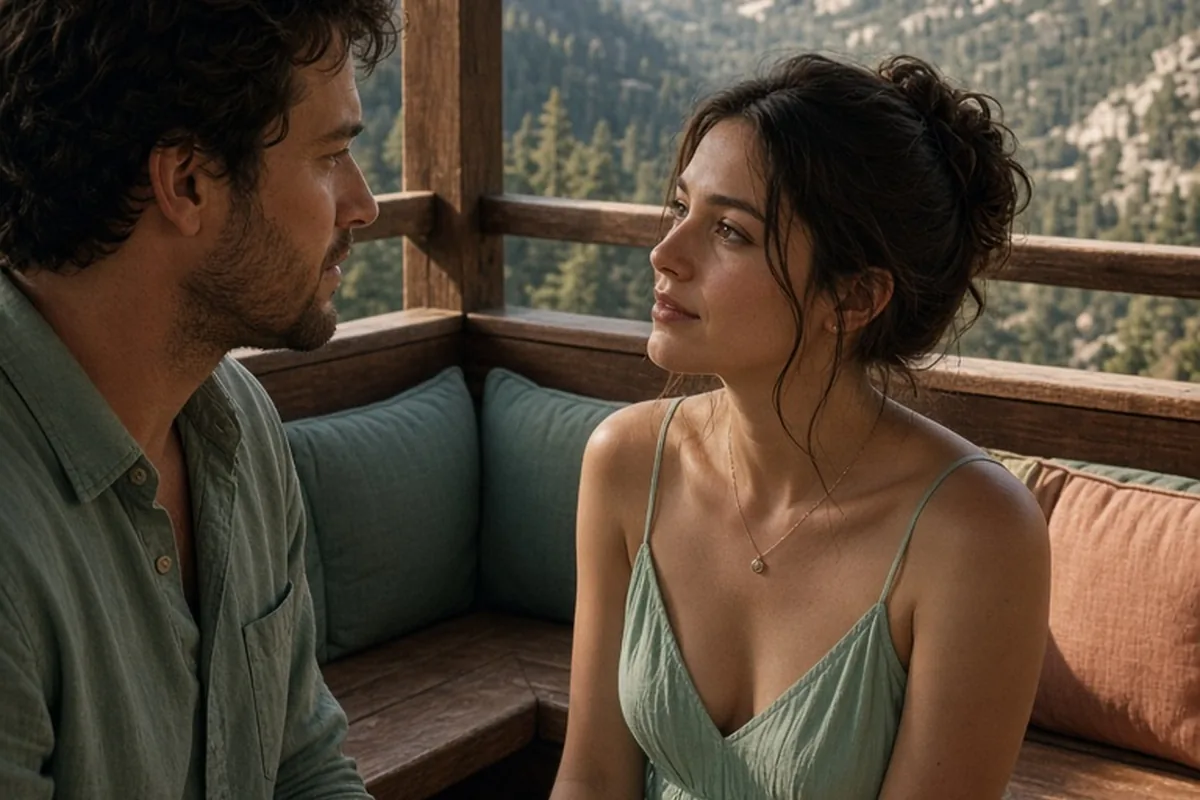
Planning a wedding at a national park for a small group requires pairing scenic backdrops with strict conservation guidelines. Focus on low-impact ceremony formats such as standing circle vows or historic park amphitheaters, keep guest numbers aligned with specific site permit caps, and transition to nearby private lodges or outdoor pavilions for celebratory meals. Prioritizing trail logistics, seasonal weather pacing, and environmental stewardship ensures a memorable, legally compliant experience.
National parks provide awe-inspiring natural backdrops, from towering alpine peaks and quiet old-growth forests to dramatic red rock canyons. Celebrating a marriage in these protected landscapes offers a meaningful sense of connection and adventure that conventional banquet halls cannot replicate. However, because these lands are dedicated to public preservation, hosting an intimate gathering requires thoughtful coordination, respect for park regulations, and a willingness to embrace nature on its own terms.
Choosing the Right National Park Landscape for Your Gathering
Every park environment introduces distinct physical qualities and sensory moods that influence the overall tone of your gathering. Desert locations like Joshua Tree or Zion feature striking geological formations, wide horizons, and warm afternoon light, but they also bring intense sun exposure, dry winds, and rapid temperature drops once twilight arrives. Forest environments such as Olympic or Redwood National and State Parks offer lush greenery, filtered canopy lighting, and natural sound dampening, yet they frequently involve damp soil, uneven root systems, and cooler microclimates.
Alpine settings like Rocky Mountain or Glacier provide panoramic vistas and crisp mountain air, but high elevation can cause shortness of breath or altitude fatigue for unaccustomed travelers. Coastal and shoreline parks like Acadia combine ocean sounds with dramatic rocky ledges, where wind gusts and shifting tides dictate timing. When choosing a park setting, balance your aesthetic vision against the physical reality of the environment so your guests feel engaged rather than overwhelmed.
Consider how far the ceremony site sits from park entrance stations, paved roadways, and lodging hubs. A secluded overlook that requires an hour of driving on winding switchbacks and a mile-long hike may work well for two people, but it can quickly create logistical friction for ten or fifteen guests. Identify designated ceremony zones located near pullouts or established viewpoints to keep the travel experience smooth.
Creative Ceremony Concepts That Comply with Park Regulations
Park guidelines generally prohibit the installation of arches, large seating arrays, amplified sound systems, and synthetic decorations that could disturb wildlife or damage delicate ecosystems. Rather than viewing these rules as limitations, treat them as an invitation to design an authentic, minimalist ceremony that centers human connection against a monumental backdrop.
A standing circle ceremony is an effective approach for groups of ten to twenty people. Guests form a natural, loose circle around the couple, allowing everyone to see, hear, and feel included without the need for folding chairs or risers. If older family members or guests with mobility considerations attend, bring two or three lightweight, portable camp chairs that leave no lasting impression on the ground, setting them at the front edge of the circle.
Another compelling idea is timing your vows to natural lighting shifts. Early sunrise ceremonies offer empty trails, soft morning light, and calm wildlife activity before tour buses arrive. Late afternoon ceremonies that transition directly into golden hour provide rich photography opportunities and cooler temperatures. To involve guests meaningfully without paper programs or electronic music, consider passing the wedding rings through the circle for a silent group blessing, or inviting a few attendees to share short acoustic readings.
Navigating Special Use Permits and Group Size Restrictions
Nearly every national park requires a Special Use Permit for commercial activity or structured gatherings, regardless of how small the group might be. These permits exist to prevent overcrowding, protect fragile soil and plant life, and ensure that general park visitors can continue enjoying public spaces without disruption. The permitting office evaluates your requested date, exact site coordinate, guest count, and vendor list before issuing formal approval.
Application timelines vary across the National Park Service system. Some high-traffic parks open their permit calendar up to a year in advance and fill popular spots rapidly, while smaller or remote units accept applications a few months before the event. When completing your application, list backup locations within the same park in case your primary choice is already reserved or temporarily closed for trail maintenance, seasonal snowpack, or wildlife nesting closures.
Carefully examine the explicit restrictions detailed on the approved permit document. Most permits outline exact time windows, parking stall allocations, restrictions on floral materials to prevent non-native seed dispersal, and strict bans on throwing rice, confetti, or birdseed. Keeping a printed physical copy of your permit with you on the day of the ceremony is essential, as park rangers frequently check paperwork at active trailheads.
Designing Memorable Post-Ceremony Receptions Outside Park Boundaries
Because active wilderness zones are not designed for full-scale catering, amplified dancing, or extensive dining setups, the smoothest celebration flow separates the natural ceremony from the social reception. Transitioning from a dramatic cliffside vow exchange to a comfortable, private dining setting lets you enjoy both the wilderness and a relaxed party atmosphere.
Renting a historic lodge dining room, an open-air pavilion in a neighboring gateway town, or a private scenic vacation property provides shelter, restrooms, refrigeration, and commercial power. Local private dining rooms often specialize in regional cuisine, such as smoked trout in mountain regions or local wines near coastal valleys, allowing you to treat your guests to a sit-down meal without managing complex outdoor kitchen rentals.
If you prefer an al fresco outdoor meal, look for commercially operated glamping resorts or private ranches bordering the park border. These venues frequently offer fire pits, communal dining tables, string lighting, and sheltered gathering spaces where guests can loosen their hiking footwear, share a formal toast, and listen to acoustic music well into the evening without violating federal park quiet hours.
Practical Attire, Footwear, and Decor Choices for Natural Terrain
Wild landscapes require wardrobe choices that prioritize stability, freedom of movement, and safety without sacrificing elegance. Traditional formal footwear with thin stiletto heels sinks into soft dirt, catches on granite cracks, and creates real safety hazards on sloped pathways. Choosing low block heels, leather boots, clean trail runners, or flat dress shoes keeps you grounded and comfortable throughout the day.
When selecting dresses or suits, choose breathable, resilient fabrics that can handle wind and contact with rock surfaces. Long flowing veils can easily catch on scrub brush or whip violently in high ridge winds, so many couples choose floral hairpieces, structured hats, or shorter veils. Flowing dress trains will naturally collect dust, twigs, and sand, which is a natural part of marrying outdoors; embracing that gentle wear helps avoid unnecessary stress during photo sessions.
For personal florals, verify that your park permit permits live cut flowers. Even when allowed, park regulations almost universally forbid invasive plant varieties, dried grasses that shed seeds easily, or delicate blossoms that drop petals along pristine trails. Select sturdy, locally sourced blooms bound securely with natural ribbon, and avoid trailing ribbons or loose elements that could detach and become litter.
Coordinating Guest Transit, Environmental Safety, and Comfort
A successful small wedding in a remote park hinges on clear, thoughtful communication with your guests long before they pack their bags. Unlike standard venues with clear signage and paved lots, park trailheads can have limited parking, spotty cell service, and confusing junction points. Providing guests with detailed printed guides and offline map coordinates prevents unexpected delays on the morning of the event.
Car pooling or hiring a private shuttle van from the base town minimizes parking congestion and reduces the environmental footprint of your gathering. When everyone travels together, no one gets lost searching for an obscure overlook, and the group arrives simultaneously. Ensure your timeline builds in ample buffer time for entrance station lines, wildlife-related road slowdowns, and slow walking paces over rocky or high-altitude terrain.
Prepare an outdoor comfort kit for your group containing essentials tailored to the season. In sunny or arid parks, offer reef-safe sunscreen, mineral hydration packets, and handheld umbrellas for shade. In forested or alpine zones, keep bug spray, hand warmers, lightweight fleece blankets, and emergency rain ponchos on hand. Anticipating these environmental needs ensures your guests remain focused on celebrating your vows rather than battling the elements.
Frequently asked questions
How far in advance should we apply for a national park wedding permit?
Most national parks recommend submitting Special Use Permit applications between six and twelve months prior to your intended date. High-demand parks fill designated spots quickly, while smaller park units may process requests in two to four months. Always check the specific park website for exact application windows and fee schedules.
Can we set up chairs and an arch for our small ceremony?
Most national parks prohibit arches, heavy decorative structures, and full chair setups on open trails to preserve soil and avoid blocking public access. However, small accommodations for elderly or mobility-impaired guests using lightweight folding chairs are typically permitted when requested on your permit.
What happens if severe weather impacts our outdoor ceremony location?
Because mountain and desert weather can change rapidly, every outdoor park wedding should have a pre-planned backup location. Discuss alternate designated shelters, covered park pavilions, or your private reception rental space with your vendors and guests ahead of time so you can pivot seamlessly if necessary.
Are professional photographers and officiants covered under our ceremony permit?
In many parks, your single Special Use Permit covers the entire ceremony gathering, including your vendors, as long as they are listed on the application. Some individual parks, however, require commercial photographers to hold a separate Commercial Use Authorization. Always clarify vendor requirements directly with the park permit coordinator.
Your next step
Visit the official National Park Service website for your desired park, download their current Special Use Permit application, and verify the designated wedding locations and guest size caps before finalizing any vendor or travel bookings.