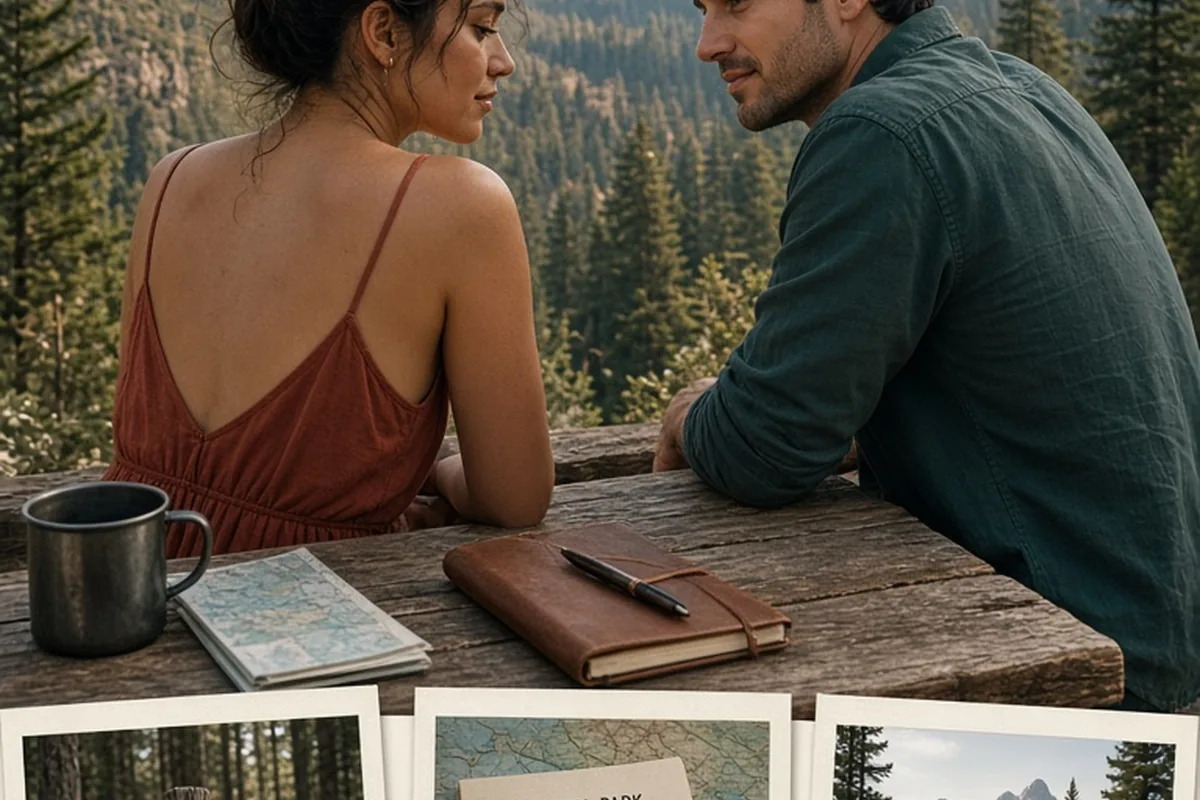
A national park wedding offers breathtaking natural backdrops, unique outdoor ceremony sites, and lower initial permit fees compared to traditional commercial venues. However, the trade-offs include strict Special Use Permit restrictions, lack of privacy due to public visitors, unpredictable weather, limited guest accessibility, strict Leave No Trace rules, and major logistical constraints such as no electricity, zero cell service, and limited nearby lodging.
Exchanging vows against the backdrop of towering granite peaks, ancient redwood groves, or vast canyon vistas is an appealing alternative to conventional banquet halls. Before committing to a public land ceremony, couples must weigh the emotional and aesthetic rewards against the complex logistical, regulatory, and physical demands of national park environments.
The Core Advantages: Unmatched Scenery, Meaningful Atmosphere, and Lower Site Fees
The primary draw of hosting a wedding in a national park is the natural scenery. Public lands feature some of the most dramatic geological formations, alpine lakes, and historic forests in North America. Natural backdrops eliminate the need for expensive floral installations, rented drapery, or manufactured stage lighting. Natural daylight and organic landscapes create organic, timeless wedding photography that cannot be replicated in a standard indoor ballroom or landscaped resort courtyard.
National park ceremony locations can be significantly less expensive in baseline site fees than private event venues. While high-end private wedding venues often charge thousands of dollars for a few hours of access, national park Special Use Permits generally cost a fraction of that amount. This lower starting cost allows couples to reallocate their overall wedding budget toward high-quality documentary photography, specialized guest transportation, or experiential post-ceremony dinners at nearby lodges.
Beyond aesthetics and costs, outdoor weddings offer a distinct sense of adventure and personal significance. For couples who share a mutual love for hiking, camping, or wildlife preservation, marrying within a protected park anchors their celebration in shared values. These ceremonies tend to feel intimate, grounding, and focused on the commitment itself rather than commercial wedding production.
Permits, Regulations, and Strict National Park Service Restrictions
Public lands are managed with a conservation-first mandate, meaning wedding parties must adapt to the land rather than altering the land to fit the wedding. Every national park enforces its own Special Use Permit system, establishing exact parameters for where ceremonies can occur, how many people may attend, and what equipment is permitted on site. Popular destinations like Yosemite, Rocky Mountain, and Zion restrict weddings to designated ceremony sites to prevent soil compaction and protect fragile alpine or desert vegetation.
Permit processing timelines vary widely by park and season, frequently requiring applications to be submitted several months to nearly a year in advance. Furthermore, wedding photographers, videographers, and officiants are often required to hold their own Commercial Use Authorizations or separate commercial permits to conduct business on park grounds. Failing to secure the appropriate documentation can result in park rangers halting the ceremony and issuing federal citations on the wedding day.
Environmental protection rules, specifically Leave No Trace principles, govern decor and activities. Most parks strictly prohibit the release of balloons, throwing of rice, birdseed, or flower petals (even real dried petals), and the use of confetti. Affixing signs or decorations to trees, rocks, or historical structures is banned, and driving stakes into the ground for arches or tents is generally prohibited. Live amplified music, microphones, and generators are also routinely restricted to maintain natural soundscapes for wildlife and other visitors.
Guest Logistics, Physical Accessibility, and Travel Complexities
A major challenge of a national park wedding is managing the physical comfort and transit of your guests. Many of the most picturesque ceremony overlooks require navigating unpaved trails, uneven stone steps, loose gravel, or steep inclines. These terrain features present significant barriers for elderly relatives, guests with mobility challenges, parents with strollers, or anyone unaccustomed to outdoor walking. Even designated roadside overlooks may have limited ADA-compliant pathways.
Park infrastructure introduces transit bottlenecks. Entrance gates often have long vehicle queues during peak morning and midday hours, and parking lots at popular trailheads regularly fill to capacity before mid-morning. Many parks now utilize timed-entry reservation systems or mandatory shuttle fleets. Couples must coordinate whether guests will drive individually, pay standard park vehicle entry fees, or travel together in chartered commercial shuttles that possess the necessary commercial park access permits.
Accommodating guests in remote park regions demands early planning. In-park historic lodges and nearby gateway town hotels often book out up to twelve months in advance during summer and autumn seasons. If your wedding takes place in an expansive park like Death Valley or Yellowstone, driving between the ceremony site, primary lodging, and reception dining can take one to two hours each way on winding mountain roads.
Vendor Limitations and Missing Infrastructure in Wilderness Sites
Ceremony sites on public lands rarely provide standard venue utilities. Most designated park ceremony points lack electrical outlets, potable running water, climate control, and modern restroom facilities. Restrooms near trailheads are frequently limited to basic vault or composting toilets without mirrors or running sinks for freshening up. Hair and makeup touch-ups, formal wardrobe changes, and temperature regulation must all be managed offsite before arriving at the location.
Hiring standard wedding vendors becomes substantially more complicated in an outdoor park setting. Traditional caterers cannot set up open-flame cooking stations, warming ovens, or bar services at raw outdoor viewpoints. Standard rental companies will rarely deliver chairs, tables, or heavy decor to unpaved wilderness areas, and many parks cap the number of portable chairs permitted exclusively to guests with documented medical needs. Everything brought into the park must be packed out immediately, including ceremony programs, floral clippings, and personal trash.
Communication gaps present an additional hurdle on the event day. Cellular service and mobile data are notoriously weak or entirely absent in canyon depths, deep forest valleys, and high-altitude passes. Vendors, coordinators, and guests cannot rely on real-time navigation apps, group messaging, or emergency phone calls once inside park boundaries, making precise printed itineraries and pre-established meetup points essential.
Navigating Public Crowds, Seasonal Tourism, and Lack of Privacy
A Special Use Permit grants legal permission to hold an event at a specific park location, but it does not grant exclusive access or private ownership of the land. National parks are public spaces open to all visitors. While most park guests are polite and respectful, couples must expect hikers, tour groups, and sightseers to walk past, take photos, or linger nearby during the vows.
Achieving a degree of privacy requires strategic timing and site selection. Planning ceremonies at dawn or early sunrise provides the quietest atmosphere, clearest lighting, and lowest crowd density, though it requires early morning preparation and navigating trails in the dark. Midday ceremonies during peak summer weekends, holiday periods, or peak fall foliage weeks carry the highest risk of noise, crowded backdrops, and heavy traffic delays.
Couples seeking uninterrupted quiet may need to look beyond the most famous, iconic postcard spots. Selecting lesser-known state parks, adjacent national forest lands, or secondary viewpoints within larger national parks can dramatically improve the intimacy of the ceremony while retaining the desired outdoor grandeur.
Unpredictable Weather, Environmental Hazards, and Mandatory Backup Plans
Outdoor natural settings expose events to sudden, uncontrollable shifts in weather. Mountain environments can experience dramatic temperature swings within a few hours, shifting from bright sunshine to dense fog, torrential rain, high winds, or unexpected snowfall even during late spring and early autumn. In desert parks, extreme heat and sudden flash floods in slot canyons present serious safety risks.
Wildfire season has become an essential consideration across the Western United States. Smoke from regional fires hundreds of miles away can settle into valleys, obscuring scenic mountain views and creating hazardous air quality conditions that make outdoor events dangerous for guests with respiratory sensitivities. Furthermore, active wildfires, rockslides, or heavy winter snowpack can lead to emergency road closures or complete park shutdowns on short notice.
Because outdoor park sites offer no indoor shelter during storms, a solid secondary plan is non-negotiable. Couples must secure an indoor backup venue, such as a rented private cabin, an event room at a nearby gateway lodge, or a covered pavilion outside park borders. Relying solely on clear skies can result in a canceled ceremony or a miserable experience for unprepared attendees.
Decision Framework: Evaluating if a National Park Wedding Matches Your Vision
Determining whether a national park wedding is right for your celebration depends on your guest count, budget distribution, physical flexibility, and personal priorities. An open-air national park ceremony is generally best suited for elopements or micro-weddings with fewer than twenty to thirty guests who are physically mobile, comfortable in nature, and excited by non-traditional logistics.
If your vision requires a formal multi-course plated dinner, a live band or DJ, high heels, complex floral installations, and a guest list of fifty or more people, a direct park ceremony site will likely create significant friction. In that scenario, a balanced hybrid approach often works best: host a private morning ceremony or portrait session inside the park with just your photographer, followed by an evening ceremony and reception at a full-service private lodge, resort, or ranch located in the adjacent gateway community.
Before making non-refundable deposits on lodging or vendor travel, evaluate your personal tolerance for uncertainty. If unexpected weather changes, curious tourists in the background of your ceremony, or the logistical challenge of off-grid coordination causes you severe stress, a private venue with outdoor views will provide a much smoother planning experience.
Illustrative Scenarios
Balancing Wilderness Vows with a Gateway Reception
A couple wanted the dramatic mountain views of a high-altitude national park for their 25-guest wedding. After reviewing the park's permit constraints, they discovered their preferred overlook capped attendees at 15 and banned all amplified sound and chairs. Instead of canceling, they adjusted their plan: they held an intimate standing sunrise ceremony at an approved overlook with immediate family, navigated the dirt trail in hiking boots before changing into formal shoes, and hosted a full dinner reception that evening at a private lodge dining room just outside the park entrance.
Key point: Splitting the wedding into a small outdoor ceremony within park regulations and a separate indoor reception at a nearby commercial venue preserves natural beauty without sacrificing guest comfort or celebration elements.
Frequently asked questions
How far in advance should I apply for a national park wedding permit?
Most national parks accept Special Use Permit applications anywhere from six to twelve months prior to the planned event date. Because popular parks have strict daily quotas and designated site limits, submitting your application as early as the specific park's application window opens is strongly recommended.
Can we set up an arch, chairs, and an aisle runner for our ceremony?
In most national parks, freestanding arches, carpets, aisle runners, and standard folding chairs are prohibited to avoid damaging vegetation and disturbing the natural terrain. Some parks permit a limited number of portable chairs exclusively for guests with documented physical disabilities or mobility restrictions.
Are wedding receptions allowed inside national parks?
Open-air wedding receptions with catered dining, dance floors, and music are generally not permitted at raw outdoor park ceremony sites. Receptions within national parks are typically restricted to contracted private concessionaires, such as historic park lodges, developed picnic pavilions, or designated dining halls.
Can our dog be part of our national park wedding ceremony?
Pet policies vary dramatically by park, but most national parks strictly prohibit dogs on unpaved dirt trails and sensitive natural areas to protect wildlife and habitat. If including a pet is essential, you must check the specific park's pet regulations or consider national forest lands, which generally have more permissive pet guidelines.
Your next step
Review the official Special Park Uses webpage for your specific target national park to download their current permit guidelines, list of approved ceremony locations, and maximum guest caps before committing to travel dates.