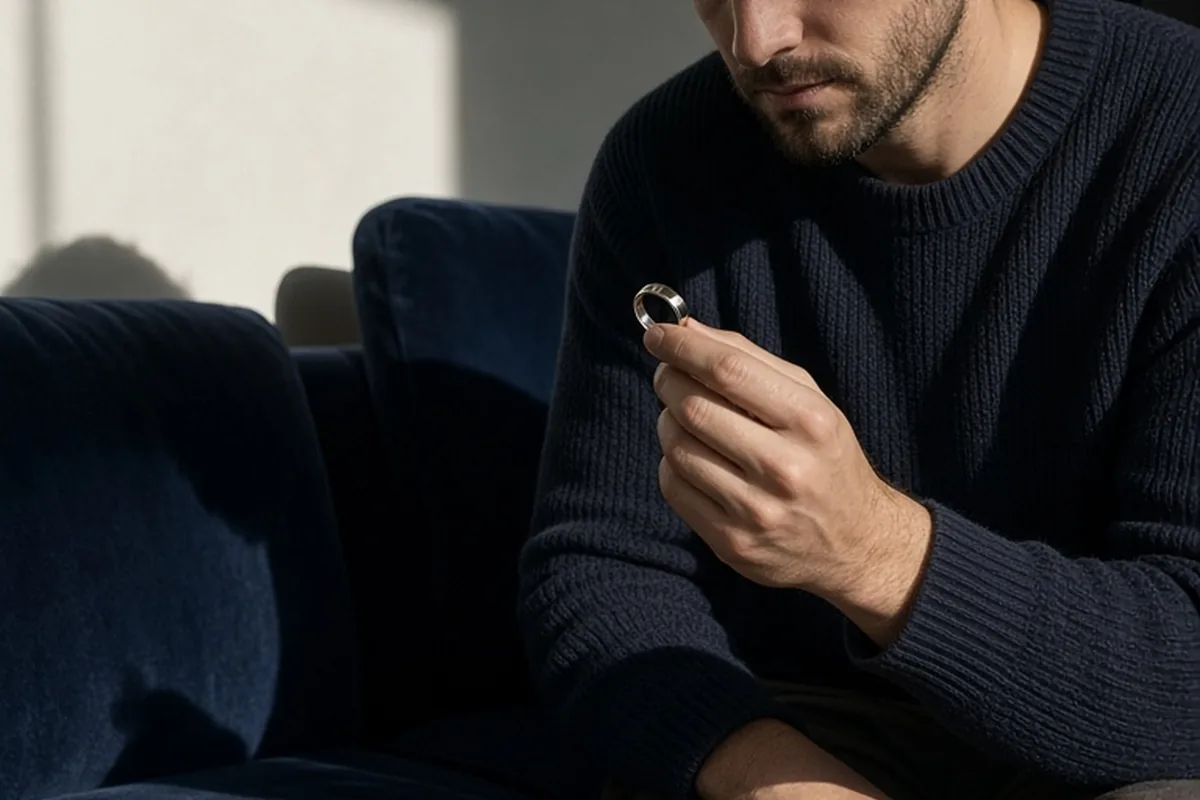
Men's wedding band pricing varies widely based on the chosen metal, ring width, finger size, interior profile, and custom finishes. Simple alternative metals generally sit at accessible entry levels, traditional precious metals reflect fluctuating global commodity markets and ring weight, and custom artisan rings or diamond-accented designs command premium pricing. Obtaining itemized quotes from independent and retail jewelers is the most reliable way to evaluate total out-of-pocket costs.
Selecting a wedding band involves balancing daily comfort, physical durability, personal style, and a realistic budget. Understanding how jewelers calculate prices helps you make an informed investment without paying for hidden markups or unexpected maintenance down the road.
Primary Metal Selection and Material Pricing Drivers
The specific material you select serves as the baseline driver for any men's wedding band purchase. Precious metals such as platinum, yellow gold, white gold, and rose gold trade on international commodity markets, meaning raw material expenses scale directly with the spot price of the metal. Platinum commands a higher price point due to its natural rarity, density, and purity requirements in jewelry manufacturing. Gold rings vary in purity, typically offered in 10k, 14k, and 18k alloys. Higher karat designations contain greater percentages of pure gold, which increases the material cost while also yielding a softer finished ring.
In contrast, contemporary alternative metals such as titanium, tungsten carbide, cobalt chrome, and stainless steel operate on an entirely different pricing framework. These industrial metals are abundant and significantly less expensive to source as raw commodities. However, their machining costs can vary based on the specialized tooling required to cut, lathe, and polish exceptionally hard compounds. Tantalum and Damascus steel occupy a middle ground, offering distinct aesthetics and specialized metallurgical processing that command moderate prices without reaching the baseline cost of high-purity precious metals.
Ring Dimensions, Wall Thickness, and Finger Size Impact
Beyond the metal alloy itself, physical dimensions dictate the total mass of the band and therefore alter the final price tag. Men's bands generally range between 4 millimeters and 8 millimeters in width. A wider band requires significantly more metal volume to produce, which raises the raw material cost proportionally, particularly in solid platinum and gold configurations. The thickness of the ring wall, measured from the inner diameter to the outer surface, also contributes substantial weight to the finished piece.
Finger size plays an equally direct role in metal consumption. A larger ring circumference, such as a size 12 or 13, requires more material than a standard sample size 9 or 10. Many jewelers establish base pricing around standard sample sizes and apply surcharges for extended sizes to cover the additional precious metal consumed. Furthermore, choosing a comfort-fit interior, which features a domed inner surface rather than a flat inner cylinder, adds ergonomic wearability but introduces extra metal mass into the core of the ring.
Surface Finishes, Inlays, and Custom Design Elements
Surface treatments and custom structural accents directly influence the labor required to manufacture a men's band. A standard high-polish finish represents the most straightforward baseline, while specialized textures such as brushed, satin, hammered, wire-matte, or sandblasted finishes require deliberate secondary tooling steps. While minor texture variations may carry minimal labor surcharges, intricate multi-finish patterns, millgrain borders, and hand-carved facets require dedicated bench jeweler time that elevates retail pricing.
Inlays introduce mixed-material complexity that shapes both immediate production costs and long-term durability. Bands incorporating exotic wood, carbon fiber, meteorite fragments, turquoise, or contrasting metal sleeves require meticulous stabilization and bonding processes to prevent separation during daily wear. Rings featuring flush-set or channel-set gemstones introduce additional material costs for the stones alongside gem-setting labor fees. Custom engraving on the interior or exterior adds personalization, with laser engraving and hand engraving priced according to complexity and letter count.
Balancing Everyday Durability Against Future Resizing Limits
A critical financial consideration when purchasing a men's wedding band is how the chosen material handles long-term body changes and daily wear. Traditional precious metals like gold and platinum are ductile, meaning a bench jeweler can easily cut the band, adjust the diameter up or down, and solder it back together seamlessly. This flexibility protects your initial financial investment over decades of physical changes, ensuring the ring can remain on your finger throughout life transitions.
Conversely, alternative modern metals present strict structural limitations regarding future modification. Tungsten carbide, ceramic, and titanium cannot be resized using conventional jeweler torches and stretching mandrels because they are either too brittle to bend without fracturing or too rigid to alter cleanly. If your ring size changes over time, an alternative metal band must usually be completely replaced. Factoring in whether a manufacturer provides a lifetime size-exchange warranty helps determine the true long-term value versus the lower initial acquisition cost.
Retail Markups, Brand Premiums, and Buying Channels
Where you choose to purchase your wedding band shapes the retail markup applied to the physical piece. Heritage luxury design houses attach significant brand equity premiums to their collections, pricing their merchandise well above the intrinsic metal and labor value to account for bespoke packaging, flagship retail overhead, and prestige positioning. National mall-based jewelry chains carry high commercial overhead, which can result in elevated base prices alongside frequent seasonal discount promotions.
Direct-to-consumer online jewelers and local independent bench jewelers often operate with leaner operational structures. Online retailers frequently offer competitive base pricing by maintaining digital inventory models, though this requires buyers to independently verify sizing and evaluate tactile comfort via sample programs. Independent local jewelers provide direct access to skilled craftspeople who can explain the exact labor and casting breakdown, offering transparency in metal purity, weight, and fabrication techniques.
Hidden Ownership Costs: Insurance, Maintenance, and Protection
Calculating the true cost of a men's wedding band requires looking beyond the initial checkout receipt to anticipate recurring ownership expenses. White gold rings, for example, typically feature a rhodium plating to achieve their bright silvery-white appearance. Daily friction gradually wears away this micro-layer, necessitating periodic professional cleaning, buffing, and rhodium re-plating every few years to maintain the original luster, which incurs ongoing bench service fees.
Insurance and loss prevention represent another vital ongoing expenditure, particularly for valuable precious metal and gemstone-set bands. Adding a scheduled personal property rider to a homeowner or renter policy involves an annual premium calculated as a percentage of the ring's appraised replacement value. Regular appraisal updates may be required by insurers every few years to account for fluctuations in precious metal spot prices, which ensures that your coverage limits match real replacement expenses.
Smart Cost-Saving Strategies Without Sacrificing Quality
You can optimize your wedding band budget effectively by making intentional trade-offs in metal karat, profile width, and retail timing. Choosing 14k gold instead of 18k gold reduces the overall purchase price while delivering superior scratch resistance for daily active use, as the alloy contains a higher proportion of strengthening base metals. Similarly, adjusting a band width from 7 millimeters down to 5 or 6 millimeters reduces the total gram weight of precious metal without compromising visual presence on most hand profiles.
Purchasing bands during trunk shows, studio anniversary events, or seasonal wedding promotional windows can secure discounts or complimentary services such as laser engraving and custom sizing adjustments. Bundling your purchase with an engagement ring or bridal band through the same jeweler frequently creates opportunities for package concessions, complimentary lifetime cleaning programs, or waived customization setup fees.
Essential Questions to Ask Your Jeweler Before Buying
Before finalizing your order, obtain clear written details regarding the exact specifications and service policies attached to the ring. Ask the jeweler to confirm the total gram weight, alloy karat purity, and specific country of origin for the casting. Inquire about the exact warranty terms covering structural defects, gemstone tightening, and finish restoration, ensuring you understand which maintenance tasks are covered and which require out-of-pocket payments.
Clarify return windows, restocking fees, and formal size-exchange policies, especially when ordering custom pieces or alternative metals that cannot be resized on a bench. Request a comprehensive, itemized sales receipt that clearly breaks down material costs, specialized fabrication labor, and any applied expedited production charges so you have accurate documentation for appraisal and insurance purposes.
Frequently asked questions
How does comfort-fit styling impact the total price of a men's wedding band?
A comfort-fit band features a domed interior profile that rounds out the inner edges, making the ring easier to slide over the knuckle and more comfortable for daily wear. Because this design requires more metal mass than a standard flat-interior band of the same outer dimensions, it slightly increases the total precious metal weight and resulting purchase price.
Is 14k gold or 18k gold more practical for a man's daily wedding band?
14k gold contains a lower percentage of pure gold and a higher percentage of durable alloy metals compared to 18k gold. This composition makes 14k gold more resistant to surface scratching and bending in hands-on work environments, while also maintaining a lower price point due to reduced pure gold content.
Why can't tungsten or titanium rings be resized by a standard jeweler?
Tungsten carbide is an extremely hard, sintered ceramic-metal compound that will shatter under the mechanical stress and heat of traditional jeweler tools. Titanium is exceptionally rigid and cannot be soldered cleanly with standard precious metal torches. When your finger size changes, these alternative metal rings must typically be exchanged or replaced rather than physically resized.
What documentation should I collect for insurance appraisal purposes?
Request an itemized receipt and a formal appraisal document from your jeweler that states the metal alloy, verified purity, total gram weight, ring width, and specific details on any set gemstones or custom finishes. This documentation allows your insurance provider to establish an accurate replacement value for your policy.
Your next step
Visit a local jeweler to try on different millimeter widths and comfort profiles in person, then request itemized written quotes for your preferred metal options before making a final decision.