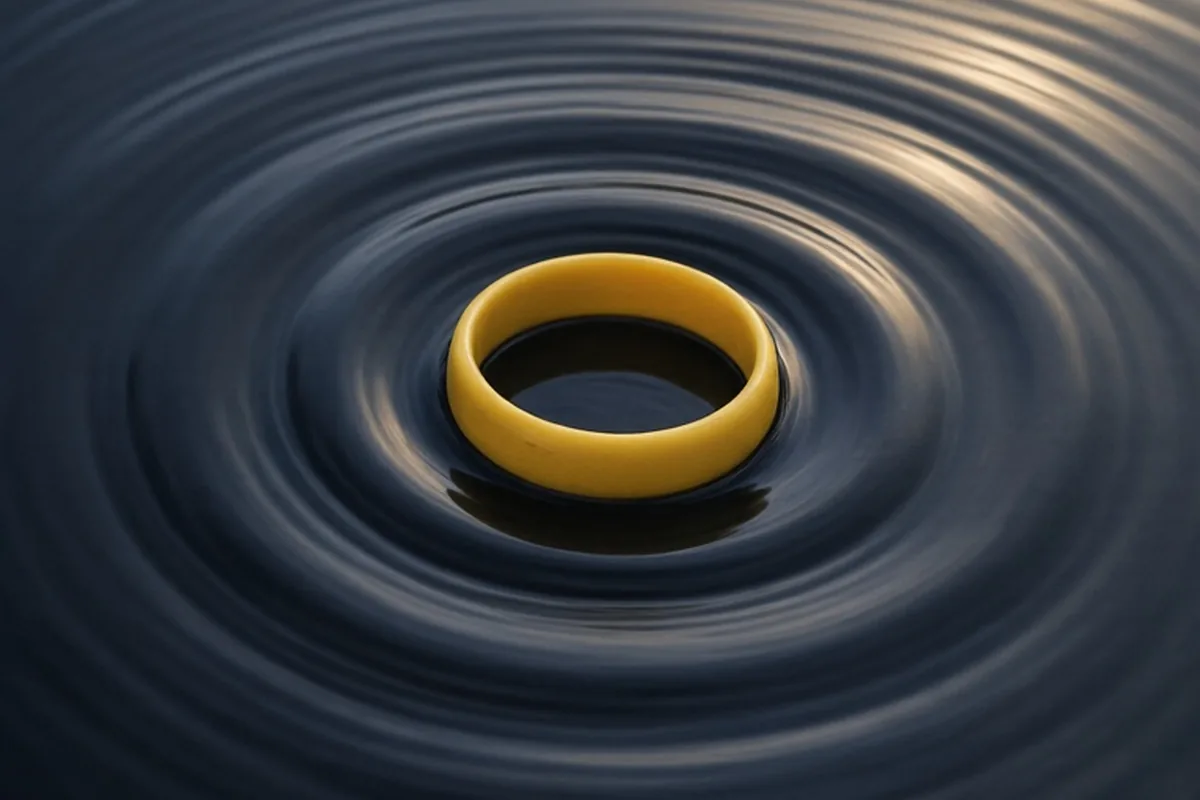
Wedding bands alternatives range from non-traditional ring materials—such as flexible medical-grade silicone, lightweight titanium, scratch-resistant tungsten carbide, ceramic, and reclaimed wood—to non-ring symbolism, including tattooed bands, custom necklaces, heirloom watches, or shared experiential investments. The best alternative depends on workplace safety regulations, sensory preferences, skin sensitivities, budget flexibility, and whether you prefer everyday physical durability or meaningful symbolic alternatives to standard precious metal rings.
While classic gold and platinum rings remain traditional staples, many couples seek wedding band alternatives that match demanding professions, active hobbies, personal aesthetic tastes, or skin sensitivities. Selecting the right alternative requires balancing physical resilience, safety requirements, long-term maintenance, and personal symbolism.
Silicone and Flexible Rubber Bands for Heavy Labor, Healthcare, and Sports
Flexible silicone bands have transitioned from niche workout accessories into mainstream daily wedding bands. Crafted from medical-grade, biocompatible silicone polymers, these rings provide high flexibility, tensile give, and electrical non-conductivity. They appeal directly to individuals working in mechanical engineering, electrical trades, firefighting, professional athletics, and healthcare fields where rigid metal bands pose severe occupational hazards.
The primary functional advantage of a silicone ring is the prevention of traumatic ring avulsion—a catastrophic injury that occurs when a rigid metal ring catches on heavy equipment, cargo, or gym hardware, stripping soft tissue from the finger. Under excessive tension or snagging forces, a silicone band simply stretches and tears safely away. Silicone is also completely non-reactive, making it impervious to sweat, saltwater, and chlorine, and safe for those with severe contact dermatitis from nickel or metal alloys.
Despite their safety advantages, silicone rings present specific lifestyle trade-offs. The flexible material naturally stretches over months of friction and heat, necessitating periodic replacements. In addition, because silicone creates a tight, non-porous seal against the skin, moisture from frequent handwashing or heavy sweating can become trapped beneath the band. Without regular cleaning and drying, this trapped dampness can cause localized skin maceration, peeling, or fungal irritation known colloquially as wedding ring rash.
Industrial and Modern Metals: Titanium, Tungsten, Tantalum, and Cobalt
Couples who desire the substantial appearance and weight of a metallic band without the traditional look or high cost of precious gold often turn to industrial and refractory metals. Tungsten carbide stands out for its extreme hardness and exceptional scratch resistance; its surface remains polished and lustrous even after years of rugged daily wear. However, tungsten carbide is inherently brittle rather than malleable. If subjected to extreme localized impact, such as a drop onto a hard porcelain tile floor or a direct hammer strike, it will fracture rather than bend.
Titanium offers an ultralightweight alternative with an exceptional strength-to-weight ratio and natural hypoallergenic properties. It feels nearly weightless on the finger, making it ideal for people unaccustomed to wearing jewelry or those bothered by the heft of traditional bands. Cobalt chrome provides the bright, reflective white appearance of platinum at a lower cost, alongside high resistance to scratching and corrosion. Tantalum, a dense, slate-gray refractory metal, offers substantial heft, resistance to shattering, and a distinct gunmetal patina that develops naturally over time.
The most critical consideration with industrial metals is their resizing limitation. Unlike ductile metals such as gold, silver, and platinum, metals like tungsten and titanium cannot be heated, stretched, cut, or soldered by traditional jewelers to accommodate finger size changes over decades. If your knuckle dimensions or weight shift permanently, you will generally need to purchase a replacement ring rather than alter your original band.
Natural and Contemporary Non-Metal Materials: Wood, Ceramic, and Carbon Fiber
For a distinct organic or modern aesthetic, non-metallic materials offer innovative alternatives to standard jewelry design. Reclaimed hardwood bands—crafted from bentwood layers of walnut, koa, oak, or whiskey barrels—provide unique grain patterns and an earthy, warm tactile feel. High-quality wooden rings are typically stabilized with marine-grade resins and fitted with internal metal or carbon fiber sleeves to protect the structural integrity of the grain against natural expansion and contraction.
High-tech ceramic rings, composed of zirconium carbide or titanium carbide, are completely non-metallic, exceptionally hard, and highly scratch-resistant. They come in deep black, crisp white, or colored finishes that do not fade, tarnish, or oxidize. Because ceramic is biologically inert, it is entirely hypoallergenic and safe for individuals with extreme sensitivities to metal traces. Carbon fiber bands provide an ultralight, high-tensile-strength option with an industrial weave pattern that resists denting, chipping, and everyday environmental corrosion.
Care requirements for these organic and composite materials differ substantially from metal bands. While ceramic and carbon fiber tolerate daily water exposure, natural wood rings remain vulnerable to prolonged moisture, harsh detergents, industrial solvents, and alcohol-based hand sanitizers. Chemical exposure can gradually degrade protective resin topcoats, leading to water ingress, swelling, and cracking of the wood. Owners must remove wooden bands before swimming, doing dishes, or handling harsh household chemicals.
Tattooed Wedding Bands and Body Art Symbolism
Permanent ink wedding bands provide a permanent, zero-profile symbolic commitment that cannot be lost, misplaced, snagged on machinery, or damaged during intense manual labor. Common tattoo band designs range from delicate fine-line rings, minimalist Roman numerals marking the wedding date, and geometric patterns to complementary partner designs and small initials placed along the ring finger.
Finger tattoos behave very differently from tattoos placed on flatter, less active areas of the body. The skin on the fingers and hands is subjected to rapid cellular turnover, continuous friction, extensive sun exposure, and frequent washing. Furthermore, the skin over knuckles is thin and unevenly textured. Consequently, finger band tattoos are prone to premature fading, ink spreading (blowout), and patchy pigment loss within the first one to three years, often requiring ongoing touch-ups to maintain crisp definition.
Before selecting a tattooed band, consider workplace healing protocols and personal career requirements. The initial healing phase requires keeping the tattooed area clean, dry, and protected from friction, which can conflict with tasks that require wearing disposable rubber gloves, washing hands dozens of times a day, or handling unsanitary equipment. In addition, tattoo removal on fingers is notoriously painful and often leaves ghosting or texture irregularities if removal is ever desired.
Non-Ring Keepsakes: Fine Pendants, Commemorative Watches, and Pocket Tokens
Wearing a ring on the finger is not comfortable or practical for everyone. People diagnosed with skin conditions such as eczema, psoriasis, or sensory processing sensitivities often find any object encircling their fingers distracting or physically irritating. Similarly, surgeons, dental professionals, and food processing workers who perform sterile scrubs multiple times daily often prefer non-ring physical keepsakes that do not harbor bacteria on their hands.
Suspending a wedding ring or custom engraved pendant from a durable platinum, titanium, or gold chain allows the wearer to keep the commitment symbol close to their heart without interfering with daily hand dexterity. Commemorative luxury or mechanical watches represent another established alternative; having the wedding date, personal vows, or coordinates engraved on the case back creates a functional, heirloom-quality piece that integrates smoothly into professional business attire.
Other couples select custom everyday-carry pocket tokens, challenge coins, or miniature medallions forged from Damascus steel, meteorite, or brass. Kept in a pocket, wallet, or desk setup, these tokens serve as tactile grounding objects and personal reminders of commitment without requiring any wearable jewelry on the body.
Experiential Traditions, Charitable Commitments, and Living Heirlooms
Some couples choose to bypass personal jewelry entirely, redirecting the funds traditionally allocated for wedding rings into shared experiential investments, property, or legacy milestones. Allocating ring budgets toward a real estate down payment, launching a joint business venture, funding an extended sabbatical travel experience, or building an emergency financial reserve establishes practical long-term stability as the primary expression of commitment.
Symbolic rituals during the wedding ceremony itself can replace the physical ring exchange. Traditional handfasting cords, ceremonial tree plantings, exchanging inscribed first-edition books, or commissioning a custom joint art piece provide tangible ceremony moments and permanent home keepsakes. Other couples establish donor-advised philanthropic funds, dedicating ongoing annual charitable contributions in honor of their marriage.
Choosing an experiential or non-jewelry path requires intentional communication with extended family and social circles, where unadorned fingers might occasionally prompt well-meaning questions. Clear alignment between partners ensures that the chosen expression of commitment feels validating and meaningful regardless of external social conventions.
Workplace Safety, Ring Avulsion Risks, and Daily Lifestyle Screening
Selecting the right alternative begins with an honest audit of daily physical activity, occupational hazards, and hand usage. Ring avulsion occurs when a rigid ring catches on moving parts, ladders, scaffolding, heavy machinery, or vehicle doors, transferring extreme tensile load directly to the finger bone and soft tissue. In heavy industrial trades, warehousing, climbing, and weightlifting, metal rings present documented trauma risks that make non-rigid materials essential.
Hygiene and infection control standards present another critical screening factor. In clinical healthcare settings, veterinary medicine, and commercial culinary environments, the gap beneath rigid metal rings can trap moisture, soap residue, bloodborne pathogens, and food particles. Standard surgical scrubs require the removal of all hand and wrist jewelry to ensure comprehensive skin antisepsis, making non-ring keepsakes or easily sanitized breakaway bands far more practical for shifts.
Evaluate your exposure to household and industrial chemicals as well. Chlorine in swimming pools and hot tubs can slowly weaken the solder points in certain alloyed rings, while automotive fluids, strong acids, and abrasive polishing agents can permanently ruin resin finishes, wood inlays, or polished metal surfaces. Matching your ring choice to your true daily environment prevents costly damage and safety emergencies.
Resizing Realities, Long-Term Maintenance, and Emergency Removal Procedures
A critical difference between traditional precious metals and modern alternative band materials lies in how they behave during emergencies and over years of bodily change. Standard gold and platinum bands are ductile; they can be severed in seconds by hospital emergency personnel using basic manual ring cutters, and they can be enlarged or sized down repeatedly by local jewelers across decades of life changes.
Alternative materials require specialized emergency removal protocols. Tungsten carbide rings cannot be cut with manual ring saws; instead, emergency responders use standard locking vice-grip pliers to apply gentle, increasing pressure to opposite sides of the band until the brittle material safely shatters off the swollen finger. Titanium and cobalt chrome rings require specialized diamond-tipped motorized rotary cutting discs or heavy-duty manual cutters designed for hardened metals, which can take several minutes longer to slice through.
Maintenance routines also differ across alternative materials. Ceramic and carbon fiber require only mild dish soap and warm water cleaning, whereas wooden inlays benefit from periodic conditioning with natural beeswax or mineral oil to maintain water resistance. When purchasing any alternative metal or non-metal band, confirm the jeweler's exchange and sizing warranty policies, as future size adjustments will typically require an outright exchange for a newly manufactured ring.
Frequently asked questions
Can emergency medical personnel safely remove tungsten and titanium wedding bands?
Yes, emergency medical staff and firefighters are trained to remove alternative metal bands. Tungsten carbide is removed by applying controlled pressure with locking pliers until the brittle band shatters safely away, while titanium and cobalt bands are cut using specialized high-speed rotary saws with diamond or carbide blades.
Are silicone wedding bands completely safe for people with metal allergies or eczema?
Medical-grade silicone is hypoallergenic and free of nickel, copper, and common metal irritants, making it safe for allergy sufferers. However, wearers must regularly remove the band to wash and dry both the ring and skin underneath, as trapped sweat and hand soap can cause moisture-related contact dermatitis.
Why cannot alternative materials like wood, ceramic, and tungsten be resized?
Traditional ring resizing requires cutting the band, adding or removing metal, and soldering the joint with heat before reshaping. Tungsten and ceramic are too hard and brittle to solder, wood will burn under jeweler torches, and carbon fiber weaves cannot be spliced back together without destroying structural integrity.
What is the most durable wedding band alternative for intense physical labor?
For absolute bodily safety during physical labor, breakaway silicone bands are the most practical choice because they tear under tension to prevent ring avulsion. For scratch resistance in non-snagging environments, tungsten carbide and high-tech ceramic resist abrasions better than any traditional precious metal.
Your next step
Audit your daily occupational safety requirements, hand washing frequency, and skin sensitivities, then try sample sizing rings in person before committing to an alternative material or non-ring keepsake.