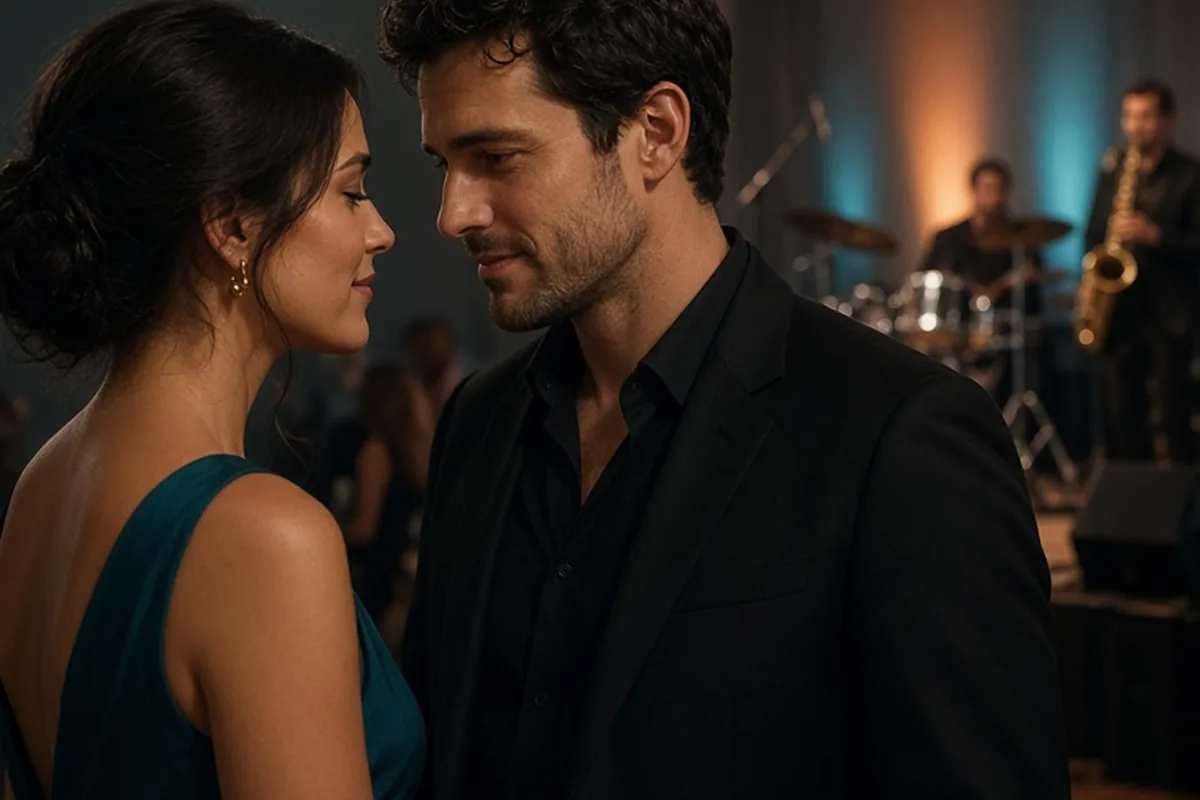
For a wedding with 150 guests, a 6-piece to 8-piece live band typically delivers the best balance of musical versatility, stage presence, and sound distribution. A core lineup of drums, bass, guitar, keyboards, and two lead vocalists covers most genres seamlessly. Adding a saxophone or two-piece horn section provides extra fullness without overwhelming a mid-sized room or exceeding standard venue stage footprints.
A 150-guest wedding is a classic mid-sized celebration that requires careful entertainment planning. The gathering is large enough to create a lively dance floor, yet intimate enough that an overly loud or poorly configured ensemble can disrupt dinner conversation and crowd the room. Matching the band's size, instrumentation, and technical setup to your venue ensures an energetic party that respects guest comfort.
Determining the Ideal Band Lineup and Instrumentation for 150 Guests
A reception of 150 guests needs sufficient acoustic power to project energy across the dance floor without blasting the tables nearest the stage. A standard four-piece rock or rhythm section can play popular hits, but it often lacks vocal range across varied eras and genres. Expanding to a six-piece ensemble by adding a second lead vocalist and a multi-instrumentalist allows the group to alternate between Motown, pop, classic rock, and modern radio tracks with authentic arrangements.
For couples wanting a more layered sound, an eight-piece band adds a dedicated brass section, usually comprising a trumpet and saxophone or trombone. Brass adds visual excitement and rich sonic depth that works exceptionally well for classic soul, funk, and big-band standards. However, in a room sized for 150 people, adding more than eight musicians often yields diminishing returns, as larger groups take up valuable floor space and can overpower standard room acoustics.
Consider the vocal chemistry and versatility of the performers when reviewing lineups. Having both male and female lead singers broadens the setlist significantly, allowing smooth transitions from classic ballads to contemporary dance music. This flexibility keeps a diverse age demographic engaged throughout the night without requiring awkward key transpositions or canned backing tracks.
Evaluating Stage Footprint and Venue Layout Requirements
A live band requires dedicated square footage that directly impacts your table arrangements and dance floor dimensions. As a standard planning metric, each musician generally needs around twenty to thirty square feet of space to accommodate instruments, personal amplifiers, microphone stands, and cabling. Drum kits and keyboard setups require the largest static footprints, while vocalists and horn players need room to move safely.
For a six-piece to eight-piece band performing for 150 guests, plan for a stage area measuring roughly twelve feet deep by sixteen to twenty feet wide. If your venue does not offer a built-in riser, check whether the band can perform directly on the floor level. Floor-level setups save valuable floor area in historic venues, barns, or smaller private dining spaces, but they reduce sightlines for guests seated toward the back of the room.
Verify clear load-in pathways between the venue loading dock and the staging zone. In historic estates, boutique hotels, or urban venues with tight elevator access, transporting sound boards, subwoofers, and lighting trusses takes considerable time. Ensure your venue coordinator grants the band at least two to three hours of uninterrupted access prior to guest arrival to load in, cable instruments, and run audio tests.
Balancing Sound Distribution, Decibel Levels, and Room Acoustics
Managing volume is critical for a mid-sized wedding. While younger guests often gravitate toward the front of the stage, older relatives frequently prefer to converse comfortably at perimeter tables. A professional wedding band achieves this balance through line-array speakers that distribute sound evenly across the room rather than pushing high volume exclusively from two massive front speakers.
Discuss drum management with prospective bandleaders. Traditional acoustic drum kits can be naturally loud in enclosed spaces with high ceilings, exposed brick, or uncarpeted floors. In reflective rooms, ask whether the band can use drum shields, hot rods, or modern electronic hybrid kits that allow the audio engineer to control the master volume without losing musical impact.
Many municipal venues, residential neighborhoods, and historical properties impose strict decibel limits, commonly capping levels between 85 and 95 decibels at the property boundary or mixing desk. Share your venue sound policies with the bandleader before booking. Experienced professionals will confirm whether their sound engineer carries calibrated decibel meters to keep the performance compliant with local noise regulations.
Power Demands, Electrical Circuits, and Dedicated Sound Engineering
Live musical acts consume substantial electrical power that standard household outlets cannot reliably support. An eight-piece band using powered main speakers, stage monitors, guitar tube amplifiers, keyboards, and an LED lighting rig typically requires three to four independent 20-amp circuits. Plugging the entire performance into a single shared wall circuit risks tripping breakers during peak moments.
Confirm with your venue manager that dedicated circuits are available near the performance area and are not shared with catering equipment like warming ovens or commercial coffee makers. If your wedding takes place in an outdoor tent or private estate requiring generator power, specify continuous, quiet-run generator power with built-in voltage regulation to prevent audio hums or sudden equipment failure.
A dedicated front-of-house sound engineer is a vital asset for a 150-person wedding. Rather than relying on a musician on stage to guess how the mix sounds in the room, an external technician constantly adjusts vocal clarity, balances instruments, and eliminates feedback as the room fills with guests. Ask the bandleader whether the quoted package includes an independent sound technician.
Structuring Band Sets, Ceremony Sound, and Intermission Playlists
A standard four-hour reception contract typically consists of three 45-minute or two 60-to-75-minute live music sets separated by brief intermissions. For a 150-person event, pacing the music alongside food service is essential for maintaining guest momentum. Acoustic duos or light jazz trios pulled from the larger band work well during the cocktail hour and seated dinner, saving high-energy dance sets for later.
Clarify how the band manages intermissions so the room never falls silent. High-caliber bands provide pre-programmed DJ playlists or designate a band member to live-mix tracks between sets, maintaining continuous energy on the dance floor. Ensure that the playlist reflects your specific musical exclusions and personal preferences rather than generic automated shuffle tracks.
If you plan to use the band sound equipment for ceremony audio, toasts, or specialty dances, confirm these details during the booking phase. Request a dedicated wireless handheld or lapel microphone for speeches and officiants, and ask whether an auxiliary speaker can be positioned outdoors or in an adjacent cocktail area to deliver unified sound throughout the property.
Reviewing Performance Contracts, Overtime Rates, and Band Riders
Wedding band agreements contain specific logistical requirements known as hospitality and technical riders. Standard contract riders for a mid-sized event typically include hot vendor meals for all performers and crew, a secure and private green room for breaks, bottled water, and adequate changing facilities separate from guest restrooms. Budgeting for these vendor meals is an essential part of your catering headcount.
Examine the agreement for clear overtime provisions. Wedding receptions frequently run behind schedule due to extended photography sessions or lengthy toasts. Determine the exact billing increments for overtime, such as per-half-hour or per-hour fees, and confirm whether extra time requires cash payment on the night or post-event invoice settlement.
Check cancellation, postponement, and substitute musician policies. A reputable entertainment agency or independent collective should clearly outline how they handle unexpected illness among key vocalists or rhythm players. Ensure the contract guarantees qualified, pre-rehearsed substitute performers who can execute the agreed setlist seamlessly without diminishing performance quality.
Vetting Live Showcases, Raw Videos, and Client References
Promotional showreels on wedding websites are often recorded in controlled studio environments with pitch-corrected vocals and pre-recorded backing tracks. While polished reels offer a sense of the band's style, they do not demonstrate how the musicians manage room energy or transition between songs in real time.
Ask to view unedited, single-camera live footage recorded directly from a real wedding reception. Pay attention to how the band handles crowd interaction, vocal tuning in a live setting, and the natural flow between disparate genres. Attending a public showcase or private studio rehearsal allows you to witness the musicians' live dynamics and stage chemistry firsthand.
Request references from past clients who hosted weddings of similar size and venue type. Inquire about the bandleader's communication during the planning phase, their punctuality, their adherence to requested 'do-not-play' lists, and how smoothly they coordinated with the wedding planner and venue staff throughout the event.
Frequently asked questions
Is a 5-piece band sufficient for a 150-person wedding reception?
A 5-piece band can work well if your venue has limited stage space or strict noise caps. However, a 6-piece or 7-piece group offers greater vocal diversity and musical range across different genres. If opting for five pieces, ensure the lineup includes two strong vocalists alongside drums, bass, and guitar or keys.
How much stage space does an 8-piece band need for 150 guests?
An 8-piece band generally requires an area of at least twelve by twenty feet to accommodate instruments, monitors, and horn sections safely. If your venue has limited floor area, discuss whether the band can use compact electronic gear or perform on floor level without a raised platform.
How do live bands handle sound restrictions at historic or residential venues?
Professional bands manage noise limitations by using in-ear monitors instead of loud stage amplifiers, utilizing drum dampeners or electronic drum kits, and relying on line-array speakers that direct sound onto the dance floor. Always share your venue decibel limits with the bandleader before signing a contract.
Should the band provide cocktail hour and dinner music as well?
Most professional wedding bands offer package add-ons that utilize a subset of their musicians, such as a solo guitarist, pianist, or jazz duo, for the ceremony and cocktail hour. This approach ensures consistent sound equipment quality and avoids the need to hire separate musicians for earlier parts of the day.
Your next step
Request your venue floor plan and electrical specifications, then contact three top-rated bands to review their stage footprints, power requirements, and raw live video footage.