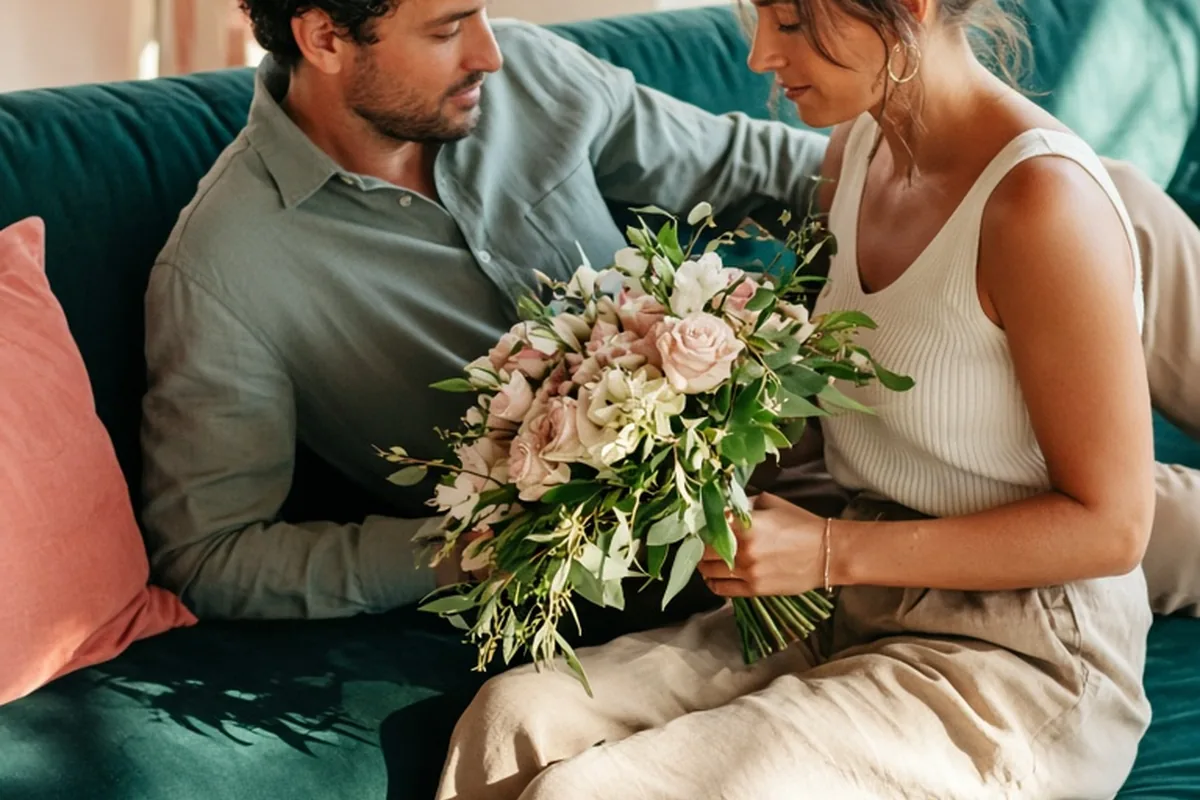
A wedding bouquet cost depends primarily on bloom selection, stem density, structural complexity, and the professional labor required for sourcing, conditioning, and custom design. Because fresh flowers are perishable commodities traded on global and regional wholesale markets, overall pricing fluctuates based on seasonal availability, import logistics, and specific design techniques. To get an accurate quote, couples should request an itemized proposal from a local floral designer detailing stem varieties, construction styles, and handling fees.
Planning floral arrangements for a wedding requires balancing visual aesthetic with practical logistics. The bridal bouquet serves as a central focal point throughout the ceremony, photographs, and reception, making it one of the most meticulously crafted pieces in a wedding floral collection.
What Goes into a Professional Wedding Bouquet Quote
When reviewing a quote for a wedding bouquet, the final total represents far more than the raw cost of stems purchased at a wholesale market. Professional floral design is a high-touch service industry where material procurement, storage, precise timing, and artistic labor constitute a substantial portion of the overall expense. Designers spend days leading up to an event preparing perishable inventory, ensuring every bloom reaches its peak visual openness exactly at ceremony time.
The preparation process begins days before the event. Florists must receive bulk shipments, inspect every individual stem for transit damage, remove guard petals and foliage, cut stems at precise angles, and hydrate them in temperature-controlled environments using specific floral nutrient solutions. Different flower varieties open at distinct rates; for instance, tight garden roses may require warm, humid conditioning several days in advance, while delicate open blooms like sweet peas or hydrangeas require cool storage to prevent premature wilting. This manual conditioning requires extensive physical space, specialized refrigeration, and hours of monitoring.
Labor also encompasses the consultation, recipe formulation, sourcing logistics, and the actual assembly of the bouquet. A structural bridal arrangement requires structural support, whether built as a spiral hand-tied arrangement, wired individually stem by stem, or secured in specialized holders with water reservoirs. Finally, florists factor in administrative overhead, studio utilities, vehicle upkeep for refrigerated transport, professional insurance, and luxury finishing materials such as naturally dyed silk ribbons or specialty pins.
Flower Selection and Stem Tiers: How Blooms Influence the Bottom Line
The specific botanical varieties chosen for an arrangement serve as one of the primary drivers of material expense. Cut flowers are generally categorized into distinct pricing tiers based on how difficult they are to cultivate, transport, and maintain without spoilage. High-demand focal flowers with short vase lives and high vulnerability to bruising naturally command higher wholesale prices, which directly translates into the final bouquet price.
Premium focal flowers such as garden roses, peonies, lily of the valley, stephanotis, and specialty orchids require delicate handling, climate-controlled shipping, and precise temperature regulation. Many of these stems must be flown in directly from international growers or specialized domestic farms under strict cold-chain logistics. Furthermore, because these blooms are fragile, floral designers must order overage—purchasing extra stems to guarantee having enough flawless blooms on the wedding morning—which adds to the raw wholesale investment.
Conversely, hardier blooms and architectural greenery fall into more moderate cost categories. Standard spray roses, carnations, ranunculus, delphinium, lisianthus, and hardy foliage like Italian ruscus or silver dollar eucalyptus generally hold up well during transport and yield higher usable stem counts per bunch. A bouquet that features a high ratio of specialty focal blooms will require a substantially higher investment than an arrangement structured with resilient secondary flowers, textural filler, and dense foliage.
Bridal Bouquet Construction Styles and Labor Demands
The physical architecture of a bouquet directly determines the amount of bench time a floral designer must dedicate to its construction. A traditional hand-tied bouquet, where stems are arranged in a spiral pattern in the designer's hand and secured with waterproof binding tape, relies on natural stem strength and intuitive placement. While demanding a practiced eye for balance and color distribution, this method is often less time-consuming than intricate historical or sculptural bouquet silhouettes.
Cascading, teardrop, and presentation-style bouquets require significantly more technical construction. To achieve a graceful, flowing drape that remains stable without collapsing during hours of handling, florists often must individually wire and tape delicate stems, construct hidden armature frameworks out of coated wire or vine branches, or build the design inside an angled mechanical holder with specialized floral foam or cage mechanics. These intricate mechanics require advanced engineering skills and can take multiple hours of meticulous bench work to assemble, inspect, and balance.
Complex designs also introduce weight and balance considerations. A large, cascading bouquet packed with water-retaining mechanics and heavy stems requires careful counterweighting so the person carrying it does not experience wrist or arm fatigue during photography. The additional expertise and labor hours required to engineer a structurally sound, comfortable, and long-lasting dramatic arrangement naturally increase the quote relative to simpler, free-form styles.
Wholesale Sourcing Realities, Market Seasonality, and Calendar Pressures
The global floral trade is subject to seasonal supply shifts, weather disruptions, and major commercial calendar events that affect wholesale pricing. Even if a particular flower is technically available year-round through global greenhouse growers, sourcing it outside of its natural domestic harvest window carries steep shipping and import surcharges. For example, requesting spring-blooming peonies in late autumn means paying for international air freight from the Southern Hemisphere, where harvest volumes may be lower and transport risks higher.
Calendar timing plays an equally critical role in floral market pricing. Weddings scheduled near major floral holidays—such as Valentine's Day, International Women's Day, and Mother's Day—coincide with global surges in raw stem demand. During these peak periods, wholesale auction prices for standard stems like red and blush roses, tulips, and carnations can double or triple due to widespread competition among retail florists, supermarkets, and international buyers.
Local climate disruptions, unseasonal heatwaves, frost, and transportation bottlenecks can also suddenly restrict wholesale supply, forcing florists to secure replacement stems through last-minute emergency brokers at a premium. Couples planning a wedding should understand that quotes may reflect these calendar pressures, and flexibility regarding specific bloom varieties can prevent unexpected budget inflation caused by market fluctuations.
Hidden Line Items: Delivery, Conditioning Supplies, and On-Site Handling
Beyond the standalone price of the bouquet itself, the final invoice often includes essential logistical and support services that protect the flowers throughout the wedding day. Fresh floral stems lose hydration rapidly once cut, especially in warm outdoor environments, direct sunlight, or air-conditioned rooms with dry airflow. Ensuring that the bouquet remains vibrant from morning preparation photos through late-evening festivities requires specialized containment and delivery protocols.
Florists routinely supply custom transport vessels, temporary hydration vases, and protective packing boxes designed to hold the bouquet upright without crushing delicate outer petals. If a design requires trailing raw-edge silk ribbons, hand-dyed velvet, or heirloom textile wraps, these specialty notions will appear on the itemized bill as dedicated material charges. In addition, personal styling kits containing hydration sprays, stem sheers, and emergency floral tape may be included for the wedding coordinator or attendant.
Delivery and on-site distribution fees represent another critical expense. Having the florist personally deliver the bridal bouquet to the dressing suite ensures that the stems are properly dried off before being handed over, preventing water drops from staining bridal fabrics. The floral team will also provide instructions on how to hold the bouquet correctly for photos and how to place it back into its hydration container during meal breaks, providing valuable on-site quality assurance.
Practical Strategies to Manage Bouquet Expenses Without Sacrificing Style
Couples seeking to optimize their floral investment can use several practical design strategies to achieve a lush, high-end aesthetic while managing overall expenses. One of the most effective methods is adopting a 'color-palette-first' approach rather than insisting on rigid, specific flower varieties. By giving the floral designer creative freedom to select the healthiest, best-value blooms available on the market that match the agreed color palette, couples can benefit from sudden wholesale bargains and seasonal surpluses.
Another practical approach involves balancing high-impact focal flowers with cost-effective textural elements. Instead of building an entire bouquet out of premium stems, designers can use one or two standout focal blooms—such as a pair of showstopping open garden roses or a single exotic orchid stem—and surround them with voluminous, textured foliage, spray roses, lisianthus, or seasonal flowering branches. This technique creates depth, visual interest, and physical scale without multiplying the cost of expensive individual stems.
Repurposing ceremony florals for the reception is an additional avenue for maximizing value. A bridal bouquet can be placed into an elegant, pre-set vase on the sweetheart table or head table to serve as a central floral centerpiece during dinner. This dual-use strategy eliminates the need to purchase an extra dedicated arrangement for the main dining table while ensuring the custom bridal flowers remain on display throughout the entire celebration.
Questions to Ask Florists to Ensure Clear, Itemized Estimates
To obtain realistic and comparable floral proposals, it is essential to ask detailed questions during the consultation phase. Floral proposals can be structured in varying ways; some designers provide flat-rate package pricing, while others break down individual stems, labor hours, and delivery charges. Requesting an itemized proposal ensures complete transparency regarding what is included in the base design and what might trigger additional charges later.
Couples should clarify substitution policies in writing before signing a contract. Because cut flowers are perishable natural products subject to agricultural realities, florists must sometimes substitute a specified bloom if the wholesale shipment arrives damaged or off-color. Asking the designer how they handle substitutions, whether they guarantee equal or greater value for replacement stems, and how they communicate alterations ensures peace of mind.
Finally, discuss minimum spend requirements, payment schedules, and delivery logistics early in the process. Some floral studios enforce studio minimums for peak weekend dates, which may influence whether you hire a full-service event florist or a studio that offers à la carte personal flower pickups. Confirming whether pickup is an option—and what packaging precautions are included—allows couples to make informed logistical decisions tailored to their schedule and budget.
Illustrative Scenarios
Balancing Premium Focal Blooms with Seasonal Foliage
A couple planning an early autumn wedding originally requested a large bouquet composed entirely of out-of-season white peonies and imported gardenias. After discussing the high shipping surcharges and fragility risks with their floral designer, they adjusted the recipe. The florist substituted locally grown white garden roses as the primary focal blooms and incorporated textural autumn foliage, snowberry branches, and hardy white lisianthus to achieve the desired fullness and romantic aesthetic.
Key point: Focusing on the overall color palette, texture, and silhouette rather than rare, out-of-season stems allows florists to build a resilient, visually striking arrangement while keeping procurement and transport expenses under control.
Frequently asked questions
Why are bridal bouquets generally more expensive than bridesmaid bouquets?
Bridal bouquets are larger, feature a higher concentration of premium focal blooms, and require significantly more design time to create a balanced, multi-angled focal piece. Bridesmaid bouquets are typically scaled-down variations that use fewer stems, simpler hand-tied mechanics, and a higher proportion of hardy filler flowers or foliage.
Can I save money by picking up my wedding bouquet instead of paying for delivery?
Picking up personal florals directly from the studio can eliminate delivery and on-site styling fees if your florist permits studio collections. However, you must ensure your vehicle has climate control and safe, upright transport boxes to prevent stems from breaking, wilting in the heat, or bruising before the ceremony.
How far in advance should I book my wedding florist to get an accurate quote?
Most floral designers recommend booking between six and nine months before your wedding date once your venue, color scheme, and attire are established. While final wholesale stem pricing is confirmed closer to the event, early booking locks in your date on the florist's calendar and establishes a clear structural budget framework.
What happens if a specific flower in my bouquet is unavailable on the wedding week?
Professional floral contracts typically include a substitution clause that permits the designer to replace unavailable or sub-standard blooms with flowers of equivalent style, color, and monetary value. Experienced florists use their wholesale network to select the closest visual match to preserve the integrity of your overall color palette and design.
Your next step
Schedule consultations with two or three local floral designers, bring your confirmed color palette and attire swatches, and request itemized proposals that clarify stem tiers, substitution policies, and delivery fees.