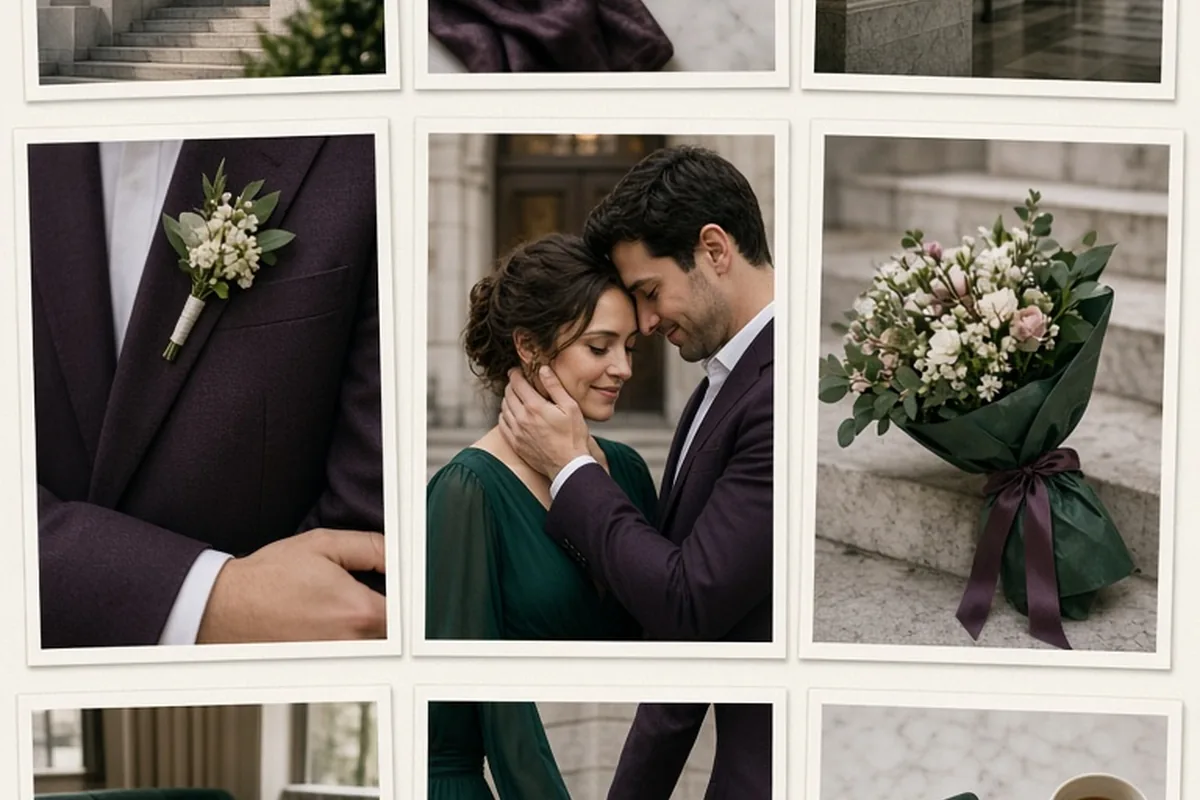
A courthouse wedding budget covers the direct legal fees for a marriage license and civil ceremony alongside optional personal choices like attire, photography, flowers, and celebratory dining. Because municipal charges vary by municipality and state, total spending is primarily shaped by the scale of post-ceremony meals, professional vendor bookings, and whether you celebrate privately or host guests.
Opting for a civil ceremony at a city hall, county courthouse, or municipal clerk office allows couples to marry with minimal administrative friction while keeping financial commitments flexible, intentional, and fully tailored to personal priorities.
Mandatory Administrative and Legal Municipal Fees
Every civil wedding begins with the legal paperwork managed by a county clerk, city clerk, or probate court. The foundational expense of any courthouse wedding is the marriage license application, which is legally separate from the ceremony itself. Application requirements, identity verification procedures, and license fees vary widely by county and municipal jurisdiction. In some regions, paying for the license is a standalone transaction, while in others, you must purchase the license in one department and pay a separate docketing or booking fee for the civil commissioner, judge, or clerk who solemnizes the vows.
Beyond the baseline license fee, your administrative budget must account for official certified copies of the completed marriage certificate. Municipalities rarely provide free official copies automatically after filing; instead, you must request and pay for certified records individually. These copies are required for legal name changes, updating insurance policies, immigration filings, and modifying banking or beneficiary documentation. Factoring in two to three certified copies from the start prevents surprise administrative expenses later. Additionally, verify local payment options before your appointment date, as many government offices do not accept credit cards or personal checks, requiring exact cash, cashier checks, or money orders that may carry small bank purchase surcharges.
Courthouse Wedding Photography and Coverage Timelines
Photography often represents the largest optional line item in a courthouse wedding budget. Unlike traditional all-day weddings requiring eight to twelve hours of coverage, a civil ceremony typically requires only two to four hours of professional photography. This condensed window allows couples to secure high-caliber documentary or editorial photographers by booking hourly rates, short-event collections, or specialized elopement packages rather than paying full-day rates. A standard civil coverage timeline generally captures arrivals on the courthouse steps, the courtroom ceremony, witness signatures, indoor architectural portraits, and an outdoor portrait session in the surrounding neighborhood.
When evaluating photography quotes, clarify specific logistical details that directly impact the total cost. Municipal buildings frequently have strict interior photography guidelines, designated media zones, or flash restrictions due to active legal proceedings in neighboring courtrooms. Inquire whether your photographer charges travel fees for metropolitan parking or public transit, and ask if second-location portrait permits are required for nearby parks, historic plazas, or civic monuments. Securing digital delivery rights with high-resolution printing permissions within your contract ensures you avoid unexpected post-ceremony photo lab markups.
Civil Ceremony Attire, Accessories, and Styling Allocations
Courthouse wedding attire provides complete aesthetic freedom, spanning tailored suiting, contemporary midi dresses, jumpsuits, vintage pieces, or traditional gowns. Because city hall venues eliminate the expectations of formal venue ballgowns, couples can source garments from ready-to-wear designers, sample sales, rental services, or sustainable fashion brands at a fraction of bespoke bridal salon pricing. However, a comprehensive wardrobe budget must account for alterations, which can equal or exceed the initial purchase price of an off-the-rack garment depending on structural hemming, tailoring, or fabric complexity.
Accessories and personal grooming require equal budget attention. Walking through government facilities, security checkpoints, and urban sidewalks demands comfortable yet polished footwear, alongside weather-appropriate outer layers such as wool overcoats, trench coats, or blazers for seasonal outdoor portraits. For hair and makeup styling, evaluate whether you prefer booking in-studio appointments at a local salon or paying a premium for mobile artists to travel to your home or hotel. In-studio appointments usually eliminate travel minimums and on-location service surcharges, making them a cost-effective choice for courthouse timelines.
Bouquets, Personal Florals, and Security Guidelines
Floral budgets for courthouse weddings generally focus on focal personal items rather than large-scale installations or table centerpieces. A curated bouquet, single stem, or lapel boutonniere adds celebratory color and timeless framing to documentary-style civil photographs. Because full-service florists often enforce seasonal minimum order requirements during peak wedding months, courthouse couples often achieve better value by ordering from floral designers that offer a la carte studio pickups, selecting arrangements from local growers, or sourcing market-fresh stems directly.
Before finalizing floral arrangements, verify the security screening rules for your specific municipal building. Many historical city halls and active legal courthouses require all visitors to pass through metal detectors and X-ray screening checkpoints. Oversized floral arrangements, loose water vessels, glass vases, or open pins can be confiscated or delayed by security personnel at the entrance. Opt for compact, handheld designs secured with structural ribbon or wrapped stems, and equip boutonnieres with safety-compliant magnetic clasps or standard floral pins that easily clear checkpoint screening.
Post-Ceremony Hospitality and Private Dining Choices
Celebrating after the ceremony represents the most flexible variable in a courthouse wedding budget. The simplest and most economical route is an intimate lunch, brunch, or dinner for the couple and their legal witnesses at a favorite neighborhood restaurant using standard menu ordering. If you choose to invite close family and friends, group dining costs will scale based on headcount, menu structures, and venue reservation styles. Booking a private or semi-private dining room typically requires agreeing to a food and beverage minimum spend rather than a dedicated room rental fee, which maximizes the value of your hospitality spending.
When reviewing group dining contracts for post-courthouse meals, scrutinize mandatory operational additions that increase the base menu price. Restaurant event contracts routinely include automated service charges ranging from eighteen to twenty-five percent, municipal dining taxes, corkage fees for outside wine bottles, and plating or cutting fees if you bring an outside wedding cake. Requesting an itemized sample invoice before signing confirms the total bottom-line cost per guest and prevents unexpected discrepancies between standard menu pricing and group event catering minimums.
Urban Transportation, Lodging, and Guest Logistics
Courthouse ceremonies situated in dense downtown centers introduce transit and parking variables that should be formally budgeted. Municipal districts often have limited street parking, strict meter time limits, or expensive garage daily rates. Factor in prepaid parking passes for your vehicle and key witnesses, or budget for rideshare options to avoid transit delays that could cause you to miss a designated municipal court docket window. Missing a strict morning clerk appointment can result in forfeiture of application fees or rescheduling delays.
For couples turning their civil wedding into a mini-destination experience or multi-day retreat, overnight accommodations represent another core budget category. Reserving a boutique hotel room or suite for the night before and the night of the ceremony provides a calm, photogenic environment for getting ready and allows for seamless first-look portraits before traveling to city hall. Booking off-peak weekday nights often yields significantly lower hotel rates compared to traditional weekend wedding dates, freeing up funds for elevated dining or extended portrait sessions.
Courthouse Wedding Budget Allocation Frameworks
Structuring your overall spending becomes straightforward when you organize your courthouse wedding into clear spending tiers based on priorities. A minimalist legal approach directs nearly all spending toward official licensing, certified documentation, polished everyday attire, and a private celebratory meal. This framework suits couples who view the courthouse appointment purely as an administrative milestone or who plan to host a larger ceremonial reception at a later date.
A photography-focused or hospitality-focused framework redistributes funds according to what creates lasting memories for the couple. In a photography-led budget, forty to fifty percent of available funds may go toward high-end documentary coverage and visual styling, with the remainder supporting legal fees and an intimate dinner. In a hospitality-led framework, forty to sixty percent of funds support a private multi-course dining experience for ten to twenty close guests, while visual coverage is kept to a concise two-hour window. Assessing which category matters most prevents overspending across every vendor category simultaneously.
Creating a Localized Expense Tracker and Verification Plan
To build an accurate, realistic spending plan, begin by establishing direct contact with your local county clerk or city marriage bureau. Request their current published fee schedules for marriage licenses, civil ceremony solemnization, and certified record copies. Inquire about exact accepted payment methods, appointment booking deposit rules, and cancellation policies. Because local government fees are set by state and municipal legislative codes, obtaining current figures directly from the clerk eliminates guesswork.
Next, construct an itemized spreadsheet separating firm legal commitments from flexible aesthetic choices. For vendor inquiries, provide exact dates, times, and expected guest numbers to obtain precise written quotes rather than generalized range estimates. Include columns for local sales tax, gratuity buffers, transportation, and small administrative extras such as postage or money order fees. Reviewing this consolidated ledger before executing contracts guarantees your courthouse wedding remains financially comfortable and entirely aligned with your shared priorities.
Frequently asked questions
What is the minimum mandatory cost to get married at a courthouse?
The only mandatory expenses are the legal marriage license fee and the municipal civil ceremony or officiant fee charged by the local government jurisdiction. Depending on your county, you may also need to pay a small fee per certified copy of the marriage certificate for post-wedding legal name changes and documentation updates.
Do courthouse weddings require tipping the officiant or judge?
Municipal judges, magistrates, and government staff members solemnizing marriages during regular business hours are public employees and often legally prohibited from accepting cash tips or personal gratuities. However, if your jurisdiction uses volunteer commissioners or traveling officiants who perform ceremonies in public rotundas, check local clerk guidelines regarding customary administrative honorariums.
How far in advance should I book vendors for a weekday courthouse wedding?
Booking two to four months in advance is generally sufficient for weekday civil weddings, though popular metropolitan photographers and private dining spaces can book up further ahead during spring and autumn peak seasons. Checking municipal appointment availability first ensures your vendor dates align precisely with your confirmed courthouse docket time.
Your next step
Contact your local county clerk office or visit their official municipal website today to verify current license fees, accepted payment methods, and appointment scheduling requirements for your civil ceremony.