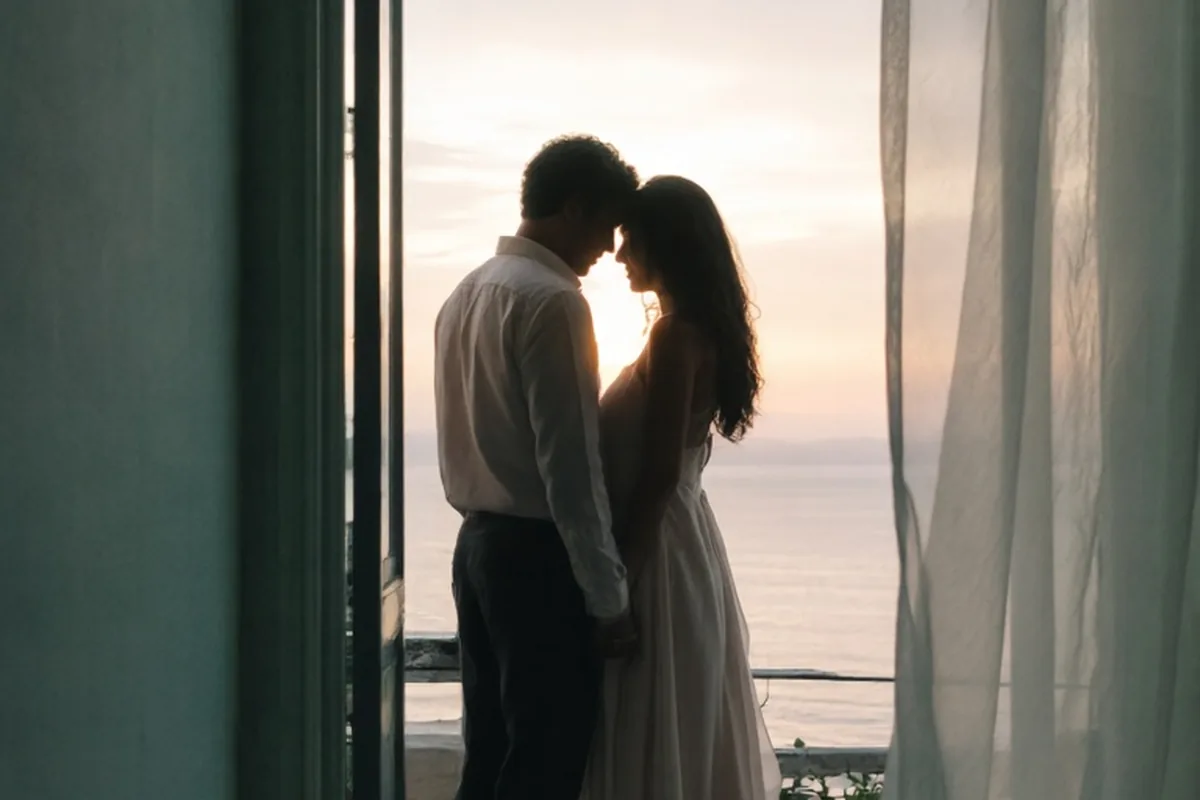
A wedding budget for a micro wedding typically prioritizes high-touch guest experiences for 10 to 50 people over mass-scale venue rentals and standard event production. While overall spending is often lower than a conventional celebration, the cost per guest is frequently higher because couples invest in elevated dining, premium photography, and customized details while still paying fixed costs for officiants, attire, and professional vendors.
Planning an intimate wedding allows couples to step away from generic banquet halls and rigid traditions, but managing the finances requires a distinct approach compared to a 150-person event. When guest counts drop, the balance between per-person expenses and fixed vendor fees changes dramatically, making clear financial planning essential from the very beginning.
Balancing Fixed Vendor Fees Against Scalable Per-Guest Expenses
A micro wedding alters the standard financial structure of wedding planning by sharply dividing your expenses into two distinct categories: variable per-person costs and fixed overhead. Variable costs include catering, bar service, rentals like chairs and place settings, favors, and printed menus. These line items scale directly downward as your guest list shrinks, providing immediate financial relief when hosting 20 guests instead of 150. If a plated dinner costs a set dollar amount per attendee, cutting 100 attendees eliminates that specific expense entirely.
Fixed expenses, however, do not shrink alongside your guest list. Professional wedding photographers, officiants, hair and makeup artists, musicians, and ceremony attire require the same amount of preparation, time, and talent regardless of whether twelve people or two hundred people watch you exchange vows. A photographer still reserves the entire date and spends dozens of hours editing images, meaning their standard rates remain essentially unchanged. Recognizing this distinction prevents the common misconception that an intimate guest count automatically cuts the entire wedding budget down to a fraction of traditional pricing.
Allocating Funds Across Dining, Photography, and Venue Rentals
Because micro weddings are freed from the logistical demands of large crowds, couples generally allocate their money differently across planning categories. A conventional wedding often dedicates substantial capital to high-capacity venue rental fees and mass-market banquet catering. In contrast, an intimate gathering allows you to redirect funds into high-quality food, specialty wine pairings, and comprehensive photography packages that document genuine moments with every attendee.
A practical starting framework for a micro wedding budget allocates roughly 45 to 50 percent of total funds toward venue, food, and beverage. Because the group is small, this portion often covers a multi-course chef tasting menu or a private dining buyout at an upscale restaurant rather than standard buffet line fare. Photography typically claims 15 to 20 percent, securing an experienced visual storyteller for the full day. The remaining funds are divided among floral installations and decor (10 to 15 percent), attire and styling (10 percent), entertainment and officiant fees (5 to 10 percent), and a dedicated contingency reserve (10 percent) to handle unexpected municipal permits, delivery charges, or gratuities.
Evaluating Micro Wedding Venues: Private Dining vs. Rental Properties
Choosing a venue represents one of the largest financial crossroads in micro wedding planning. One popular approach is reserving a private dining room in a high-end restaurant or boutique hotel. This model frequently operates on a food and beverage minimum rather than an upfront rental fee. If your group easily meets the required spending minimum through curated menus and premium bar selections, the physical space itself carries no additional room fee, effectively merging your venue and catering costs into a single predictable bill.
Conversely, booking a private estate, historic cottage, or vacation rental can offer picturesque surroundings and schedule flexibility, but it often introduces significant secondary costs. Short-term residential rentals rarely come equipped with commercial kitchen infrastructure, adequate restroom facilities, or commercial event insurance. You may find yourself paying separate delivery, setup, and strike fees for tables, chairs, glassware, and portable sanitation units. Additionally, residential properties often carry strict neighborhood noise ordinances, parking restrictions, and event permit requirements that add administrative fees and logistical stress to your bottom line.
Trimming Traditional Wedding Line Items Without Sacrificing Atmosphere
The intimate scale of a micro wedding makes it easy to eliminate outdated, high-cost traditions that do not add personal value to your day. Large bridal parties, for example, multiply expenses for bouquets, boutonnieres, attendant gifts, and pre-wedding rehearsal meals. Many micro wedding couples choose to have zero attendants or simply invite a maid of honor and best man, immediately reducing floral and styling line items.
Similarly, you can omit mass-produced wedding favors, elaborate multi-tiered fondant cakes, and multi-piece printed invitation suites. Digital invitations or bespoke single-card letterpress suites sent to a smaller circle save money on both production and postage. Replacing a six-tier display cake with an artisanal single-tier cutting cake alongside plated dessert courses served by your restaurant caterer cuts bakery delivery charges and high cake-cutting service fees while providing guests with a far better culinary experience.
Investing in High-Impact Details and Elevated Guest Hospitality
Trimming mass-event overhead creates room in your budget for thoughtful, high-impact hospitality that would be financially impossible with a large guest list. Intimate gatherings thrive on tactile details, personalized touches, and memorable shared moments. Instead of scattering budget across dozens of low-cost centerpieces, you can concentrate your floral budget into a single stunning ceremony backdrop that later frames your shared dinner table.
Consider directing funds into customized elements that make guests feel personally cherished. Examples include hand-calligraphed place cards accompanied by handwritten notes to each attendee, custom cocktail pairings tailored to individual preferences, or hiring a solo acoustic musician or jazz trio to provide live, warm background melodies throughout the evening. These immersive details elevate the gathering from a standard dinner into an unforgettable celebration without requiring commercial-grade sound systems or large staging rentals.
Building a Contingency Buffer for Taxes, Gratuities, and Hidden Fees
A common budget trap in wedding planning is failing to calculate mandatory fees that sit outside baseline vendor price quotes. In hospitality and event production, baseline proposals rarely include state and municipal sales taxes, standard operational service charges, delivery and breakdown fees, or staff gratuities. Service charges alone at private dining rooms and venues often add 20 to 25 percent to the subtotal before tax is applied.
To ensure your micro wedding budget remains sound from concept to execution, build a non-negotiable 10 to 15 percent contingency line into your initial calculations before signing contracts. This buffer absorbs variable expenses such as weather-related tent rentals, day-of transportation surges, last-minute alterations, or mandatory event liability policies required by your venue. Treating this reserve as committed money prevents financial friction during the final two weeks of vendor payments.
Questions to Ask Vendors Before Signing Micro Wedding Contracts
When securing vendors for an intimate event, you must clarify how their standard policies adapt to smaller groups. Many full-day wedding vendors enforce minimum spend thresholds or strict weekend packages that may not align with a four-hour micro gathering. Asking pointed questions during initial consultations ensures you receive quotes tailored to your actual scope rather than an arbitrary full-scale wedding rate.
Before signing agreements, ask venues and caterers whether they charge separate room rental fees alongside their food and beverage minimums, what their policy is regarding outside dessert or wine corkage, and the exact window allotted for setup and breakdown. For photographers and musicians, ask whether they offer custom hourly or half-day coverage packages rather than mandating an eight-hour minimum. Clarifying these operational parameters in writing protects your financial boundaries and eliminates surprise billing.
Frequently asked questions
Is a micro wedding always significantly cheaper than a traditional wedding?
A micro wedding usually costs less in total simply because you are feeding and accommodating fewer people. However, couples often choose to spend more per person on gourmet dining, top-shelf beverages, and high-end photography, which means the overall savings depend entirely on your chosen style and priorities.
How many guests are typically included in a micro wedding budget?
A micro wedding generally includes between 10 and 50 guests. Gatherings with fewer than 10 people are typically categorized as elopements, while events exceeding 50 guests begin requiring the infrastructure and logistics of a conventional full-scale wedding.
Can I negotiate lower rates with wedding vendors due to my smaller guest list?
Some vendors may adjust pricing if your timeline is shorter, such as a photographer offering a four-hour package instead of an eight-hour day. However, core fixed costs for their time, preparation, and single-event exclusivity mean professional rates rarely drop proportionally to guest count.
What is the best way to save money on a micro wedding venue?
Reserving a private dining room at an established restaurant that relies on food and beverage minimums rather than separate venue rental fees is often the most cost-effective approach. Hosting your celebration on a weekday or Sunday can also significantly reduce spending minimums.
Your next step
List your top three personal priorities for the day, set a firm overall spending limit, and request itemized proposals from private dining venues and photographers to establish realistic baseline costs.