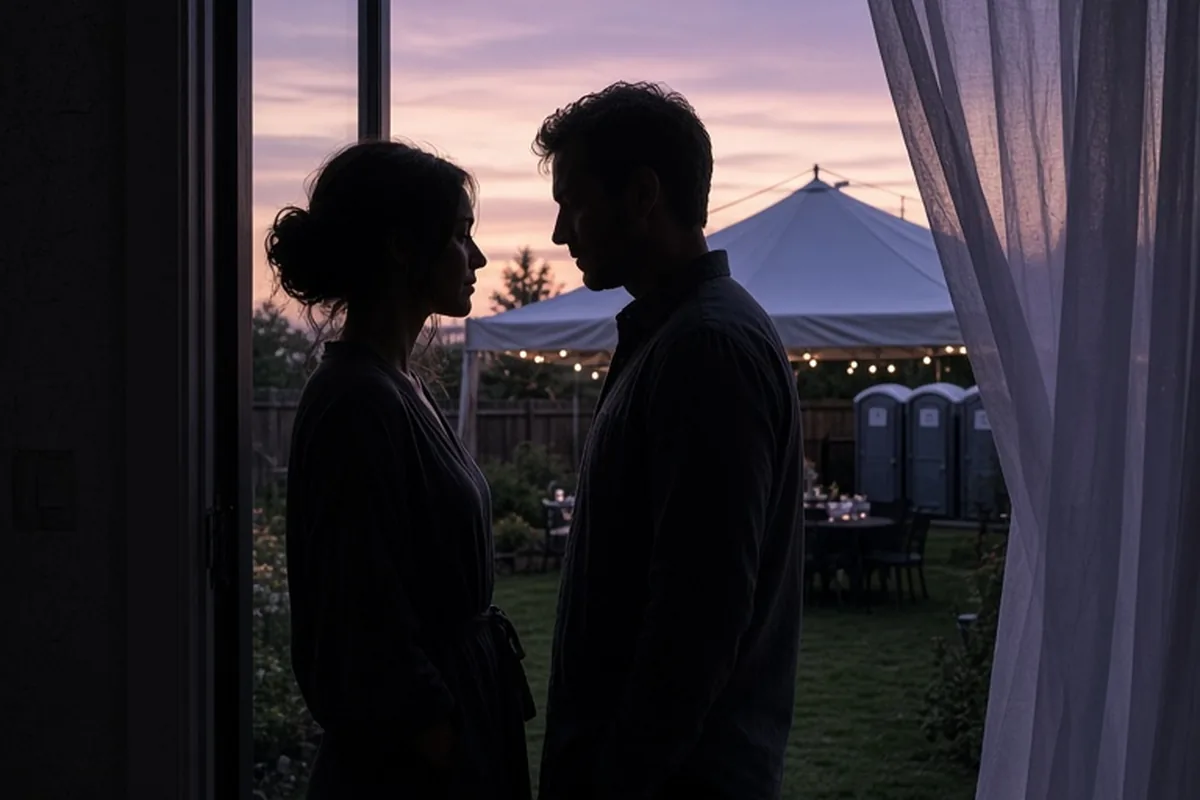
A wedding budget with a backyard venue trades standard commercial venue rental fees for private property infrastructure and logistical expenses. While you avoid a fixed site fee, you must fund essential structural elements, including commercial-grade tenting, auxiliary electrical generators, portable luxury restrooms, sound permits, dance floors, and full-service catering setups. To build an accurate budget, audit the property's physical capacity first, secure quotes for critical infrastructure rentals before booking guest accommodations, and reserve a dedicated contingency fund for property preparation and weather contingencies.
Backyard weddings are frequently perceived as simple, budget-friendly alternatives to traditional banquet halls or commercial resorts, but hosting an event on private residential property introduces unique operational variables. Understanding where your money actually goes allows you to allocate funds effectively without facing unexpected logistical expenses weeks before the event.
Assessing Property Viability Before Allocating Your Funds
Before setting line-item budgets for decor or catering, you must assess whether the residential property can physically support your anticipated guest count. Traditional venues bundle foundational utilities into their flat fees, whereas a private backyard requires an independent audit of terrain, electrical capacity, water pressure, and access routes. If the ground has a significant slope, you will need engineered leveling or specialized subflooring beneath your reception tent to ensure tables and chairs sit flat, which represents a major structural line item.
Additionally, evaluate access points for heavy commercial delivery vehicles. Rental companies transporting pole tents, generators, mobile restroom trailers, and commercial kitchen setups require wide entry gates, stable driveways, and adequate clearance beneath tree canopies. If a vendor cannot bring a truck directly onto the staging area, they may assess manual labor surcharge fees to hand-carry heavy equipment across the yard. Factoring in property accessibility from the start prevents severe budget overruns during the vendor contracting phase.
Backyard Venue Infrastructure: Tents, Flooring, and Power
The single largest capital allocation for an outdoor private property wedding is usually foundational infrastructure. A standard marquee or frame tent is not merely a backup plan for rain; it is your venue's primary structure, shielding guests and expensive equipment from direct sunlight, wind, and moisture. Frame tents do not require center poles and can be weighted or staked, making them adaptable to patios or lawns, while pole tents offer soaring visual peaks but require extensive peripheral staking that extends several feet beyond the tent perimeter.
Do not overlook auxiliary power distribution when planning tent placement. Standard residential household circuits cannot handle the simultaneous electrical draw of high-wattage band equipment, DJ sound systems, commercial warming ovens, coffee makers, portable air conditioning or heating blowers, and atmospheric lighting. Renting a commercial-grade, whisper-quiet generator along with distribution spider boxes and safety cable ramps ensures that your wedding reception avoids tripped breakers or structural electrical damage to the main residence.
Sanitation Logistics and Guest Comfort Expenses
Residential plumbing systems are engineered for the daily use of a single family, not continuous operation by dozens or hundreds of guests over an eight-hour period. Relying on indoor bathrooms can lead to septic system failures, clogged plumbing, and indoor foot-traffic bottlenecks that compromise your living space. Allocating funds for a self-contained, luxury mobile restroom trailer is a non-negotiable expense for almost every backyard wedding exceeding thirty guests.
Mobile restroom trailers provide dedicated running water, interior lighting, mirrors, flushing porcelain toilets, and climate control without tapping into your home's interior drains. Budgeting for sanitation must also include setup considerations such as level parking, accessible freshwater spigots or dedicated onboard water tanks, and discreet positioning that maintains privacy while remaining accessible for elderly guests or those with mobility challenges.
Catering Infrastructure and Full-Service Kitchen Requirements
Catering a wedding in a backyard requires independent culinary facilities that go far beyond what a residential kitchen can accommodate. Most off-premise professional caterers require an on-site satellite kitchen to prepare, hold, plate, and garnish meals at safe commercial temperatures. When calculating food and beverage costs, ensure your caterer's quote accounts for necessary rental equipment such as prep tents, portable convection ovens, hot boxes, stainless-steel prep tables, handwashing stations, and dedicated refrigeration trucks.
Staffing ratios also influence your catering budget significantly in a private residential setting. Because there is no existing bussing stations, dishwashing line, or bar infrastructure, caterers must bring additional service staff, bartenders, and cleanup crews to manage trash, clear flatware, refill water glasses, and break down the prep area after the reception. Confirm whether your chosen food vendor provides full breakdown service or if you will need to hire third-party staffing to handle end-of-night trash removal and recycling.
Permits, Insurance, and Municipal Regulatory Costs
Private property weddings are subject to local municipal bylaws, zoning regulations, and neighborhood association rules that can carry direct and indirect financial costs. Before confirming dates, consult your local city or county municipal office regarding noise ordinances, decibel limits, and mandatory evening cutoff times for amplified sound. Some jurisdictions require specific event permits, amplified sound permits, or a fire marshal site inspection for tents exceeding certain square footage thresholds.
Parking and liability are two critical municipal compliance areas requiring dedicated financial allocation. If residential street parking is restricted, you will need to budget for off-site parking lot rentals, valet services, or dedicated shuttle transport to carry guests safely between a nearby parking facility and the property. Furthermore, secure a comprehensive private event insurance policy with general liability and host liquor liability endorsements to protect property owners against accidental property damage or guest injury claims.
Landscape Preparation, Setup Labor, and Property Restoration
Preparing a home's outdoor space for a major formal event often requires upfront grounds maintenance well before rental trucks arrive. Pre-event landscaping expenses may include professional lawn aerating, grading uneven patches, pruning low-hanging tree branches, planting seasonal floral beds, applying organic pest and mosquito control treatments, and adding discrete pathway safety lighting. These aesthetic and safety investments elevate the guest experience but must be accounted for within your overall landscape preparation budget.
Equally important is allocating funds for post-event property restoration. Sustained foot traffic, heavy tent ballasts, dance floor placement, and catering footpaths can compress turf, leave tire ruts, or damage garden beds. Establish a dedicated restoration reserve to pay for commercial turf aeration, overseeding, sod repair, and post-event waste disposal, including temporary commercial dumpster rentals to handle the substantial volume of trash and recyclables generated during a large gathering.
Structuring Your Backyard Venue Budget Allocation Plan
To prevent unexpected cost escalation, organize your backyard wedding budget by grouping costs into structural infrastructure, guest service, regulatory compliance, and contingency buffers. Unlike commercial venue contracts that charge a single per-person package covering space, tables, chairs, bathrooms, and cleanup, your backyard budget will feature multiple distinct rental contracts. Request itemized estimates from rental companies that explicitly include delivery charges, setup labor, teardown labor, and damage waivers rather than relying solely on catalog equipment prices.
Maintain a dedicated contingency reserve of fifteen to twenty percent of your overall budget specifically earmarked for logistical modifications. As planning progresses, you may discover that changing weather patterns require sidewalls, tent heaters, or industrial fans, or that local utility companies require special marking for underground lines prior to tent staking. Having liquid funds allocated to an unassigned operational buffer prevents budget shortfalls when addressing site-specific requirements during the final weeks of preparation.
Frequently asked questions
Is hosting a wedding in a backyard always cheaper than booking a traditional venue?
Not necessarily. While you eliminate commercial venue rental fees, building a fully functional, weather-resistant venue from the ground up requires renting heavy infrastructure like tents, generators, mobile restrooms, and temporary kitchens. For large guest counts, these combined rental, logistical, and staffing expenses can equal or exceed the base cost of a traditional all-inclusive venue.
How much extra power does a backyard wedding require?
Most backyard weddings require a dedicated commercial generator rather than residential wall outlets. High-draw equipment such as commercial catering warmers, band amplifiers, DJ sound systems, portable air conditioning units, and extensive lighting can easily overload a residential electrical panel. Consult your caterer, lighting vendor, and musical entertainment to calculate total wattage demands before sizing your rental generator.
What insurance coverage is needed for an event on private property?
You should secure a specialized one-day private event liability insurance policy that includes host liquor liability and property damage coverage. Standard homeowner policies frequently exclude commercial-scale events, third-party vendor incidents, or alcohol-related liability. Many rental companies and mobile bartenders will also require you or the property owner to list them as an additional insured party on the policy certificate.
How do you manage parking for a residential wedding?
Examine street parking regulations and neighborhood association rules to determine legal vehicle limits. If on-street parking is restricted or inadequate for your guest count, arrange a rental agreement with a nearby church, school, or commercial lot. Budget for a licensed shuttle service or professional valet company to transport guests safely between the designated parking site and the residence.
Your next step
Walk the property with a reputable local tent and event rental specialist to conduct a formal site inspection, map utility lines, and generate an itemized baseline infrastructure quote before committing to catering or guest counts.