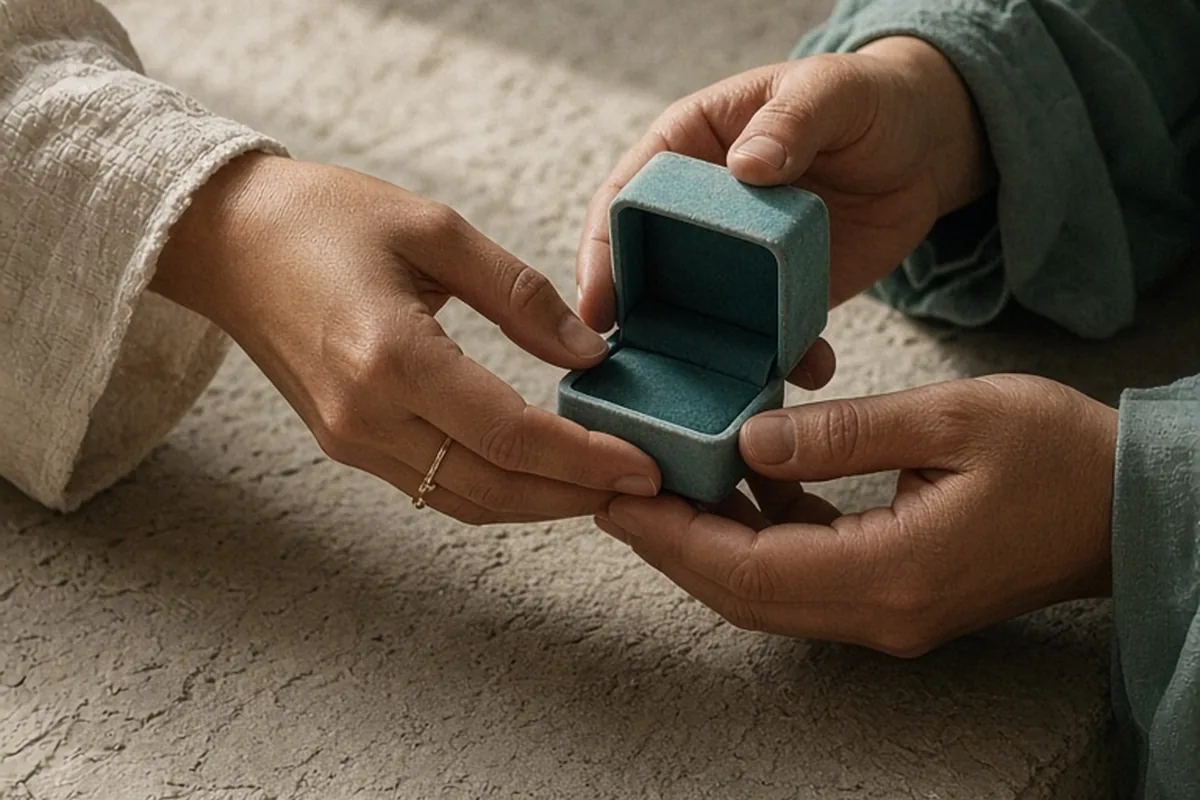
A small wedding ceremony order typically adapts the standard flow—prelude, processional, welcome, readings, vows, ring exchange, pronouncement, and recessional—into a relaxed 15 to 25 minute timeline. With fewer guests, couples often replace formal aisle processions with shared arrivals, integrate interactive rituals like ring warming or community blessings, seat guests in a semicircle, and flow directly into cocktails without a structured receiving line. This creates an intentional, close-knit atmosphere.
Gathering a guest list of ten to fifty people fundamentally changes how space, time, and emotional energy function during a wedding. When you remove the logistical demands of managing hundreds of attendees, the rigid formalities of a traditional service give way to flexible, personalized ceremony structures.
Adapting the Classic Wedding Ceremony Order for Under Fifty Guests
A conventional wedding service relies on a predictable sequence developed for large halls and cathedrals: musical prelude, wedding party entry, bride entry, invocation, scripture or secular readings, declaration of intent, vows, ring exchange, pronouncement, kiss, and a formal exit. In an intimate setting, this structure still serves as a dependable foundation, but the pacing shifts dramatically. Without eight bridesmaids and groomsmen processing down a long center runner, an aisle walk that usually spans five minutes takes barely twenty seconds. If you maintain the traditional order without adjusting the choreography, the entire entry can feel rushed and stark.
To adapt this classic framework, slow down the musical transitions and simplify the entry configuration. Couples often choose to walk down the aisle together, walk in alongside their parents simultaneously, or simply enter from an adjacent room once everyone has gathered. The officiant can bypass generic welcoming lectures and speak directly to the specific community present in the room. Because everyone in attendance is personally known to both partners, readings can be delivered from a guest's seat rather than from an elevated lectern, preserving the conversational intimacy of the room while maintaining a revered cadence.
- Prelude: Soft instrumental or acoustic music plays for ten to fifteen minutes as guests arrive and take their seats unhurriedly.
- Processional: A simplified entrance featuring either solo walks, the couple walking arm-in-arm, or an informal gathering at the front.
- Opening Remarks: The officiant welcomes the group, acknowledges the shared bonds in the room, and states the purpose of the gathering.
- Personal Readings: One or two brief poems, literary excerpts, or family reflections delivered from the audience or up front.
- Vows and Ring Exchange: Spoken promises, either traditional or custom-written, followed by the exchange of wedding bands.
- Pronouncement and Kiss: The legal or ceremonial declaration of marriage, followed immediately by the celebratory kiss.
- Recessional: An upbeat musical exit down the central path, leading directly toward refreshments or celebratory hugs.
Circular and Semicircular Small Wedding Ceremony Orders
Linear seating arrangements naturally focus all attention forward toward an altar, creating an implicit stage dynamic between performers and audience. For micro-weddings and elopements with under thirty guests, arranging chairs in a semicircle or a full circle around the couple transforms the energy into a shared community gathering. In a circular ceremony order, the traditional directional aisle disappears. The couple can stand in the center while their guests envelop them, ensuring that every attendee enjoys an unobstructed view and clear acoustics without sound amplification.
The running order in a circular ceremony frequently opens with a communal centering moment. Rather than standing stiffly waiting for music cues, the couple might start already in the center, greeting each guest as they enter the circle before stepping back to initiate the formal proceedings. The officiant can stand within the perimeter as part of the circle rather than elevated between the couple, stepping back entirely during the exchange of personal vows. This layout also allows for a natural turning ritual, where the couple faces inward toward one another for their promises, then rotates outward to face their family and friends during the pronouncement.
- Gathering and Seating: Guests find unassigned seats around the perimeter, often holding a beverage or program.
- Centering Moment: The officiant calls the circle to focus with a short meditation, chime, or moment of silent presence.
- Communal Blessing: A collective acknowledgment of the circle of support surrounding the couple.
- Exchanged Promises: The couple faces each other directly in the center to exchange spoken vows and rings.
- Outward Facing Pronouncement: The couple turns to face their assembled community as the marriage is declared.
- Communal Embrace: Instead of walking away down a path, the couple stays in the center as the circle closes in for congratulations.
Integrating Participatory Rituals into an Intimate Ceremony Flow
In large weddings, interactive elements involving the entire guest list are virtually impossible because moving physical items or speaking across hundreds of people creates logistical bottlenecks. In a small wedding, participation becomes your greatest creative asset. You can embed symbolic rituals into the sequence of events that require the direct involvement of every person present, turning passive observers into active witnesses.
A prime example is the ring warming ritual, which works best when positioned immediately following the opening welcome and before the formal exchange of vows. The wedding bands are tied securely to a ribbon or placed in a protective pouch and passed through the hands of every seated guest. Each person holds the rings briefly, offering a silent blessing, wish, or prayer for the marriage before passing them to the next chair. Because a guest list of twenty to thirty people allows the rings to complete the circuit in roughly three to five minutes, this movement can occur peacefully in the background while a family member reads a poem or while soft acoustic music plays.
- Welcome and Context Setting: The officiant explains the ritual so guests know what to expect when items reach them.
- Ring Warming Initiation: The bands are handed to the first guest while an acoustic instrumental plays softly.
- Community Vow: The officiant asks the guests collectively if they promise to support the union, prompting an in-unison reply of 'We do.'
- Vows and Ring Presentation: The warmed rings arrive at the front just as the couple prepares to speak their commitments.
- Communal Signing: The couple signs the marriage certificate at a small side table while guests look on, inviting two attendees to sign as witnesses.
Cocktail-First and Dinner-Table Ceremony Timelines
Who says the vows must precede the hospitality? In conventional timelines, the ceremony occurs first, often accompanied by nervous anticipation, followed by a formal cocktail hour and seated meal. For small weddings, reversing or combining these components creates an exceptionally relaxed, hospitable environment that puts both the couple and their guests at ease from the moment they arrive.
A cocktail-first timeline begins with thirty to forty-five minutes of welcome drinks, artisanal appetizers, and casual conversation. Guests arrive, take off their coats, enjoy a glass of sparkling wine, and break the ice. When it is time for the ceremony, there is no formal ushering or stiff silence; a gentle acoustic chime or an invitation from the officiant invites everyone to carry their drinks to their seats. Once the pronouncement is made, the celebration resumes instantly without a lagging transition or transport delay.
Another compelling alternative is the seated dinner-table ceremony, which is especially effective for groups of eight to twenty people renting a private dining room or hosting an intimate backyard feast. Guests are seated directly at the fully set dining table. The ceremony takes place right at the head of the table or with the couple standing in the center. After the vows and pronouncement, the first course or a sparkling toast is served immediately, eliminating room turnovers and venue changes entirely.
- Arrival and Welcome Drinks: Thirty minutes of unstructured mingling with light refreshments to set a hospitable tone.
- Gentle Gathering Cue: The officiant or host rings a small chime or invites everyone to sit with their beverages.
- Condensed Ceremony: A focused ten-to-fifteen-minute ceremony emphasizing heartfelt vows and ring exchange.
- Immediate Pronouncement Toast: The ceremony concludes with an immediate raise-your-glass moment across the room.
- Transition to Dinner: Guests remain in place or take two steps toward their dining table as food service begins.
Pacing, Audio, and Music Choices in Small Spaces
One of the most common pitfalls in small ceremonies is accidental rushing. In massive spaces, natural pauses occur because attendants take time to walk, sound echoes through vaulted ceilings, and large crowds take minutes to settle down. In a small space, nervous couples often speak quickly, skip ambient transitions, and discover their entire ceremony concluded in under seven minutes, leaving them feeling disconnected from the gravity of the occasion.
To establish a grounded, intentional rhythm, intentionally build silence and musical spacing into the script. Introduce a thirty-second pause after the opening remarks for everyone to breathe and absorb the setting. If you include readings, allow the reader to walk calmly to their spot, pause before speaking, and pause after finishing. These small gaps prevent the ceremony from feeling like a checklist and give emotional moments room to resonate.
Sound management also requires deliberate planning. While a sound system with booming speakers and handheld microphones feels clinical and jarring for twenty people in a small garden or library, relying entirely on unamplified voices can backfire if your venue has background noise such as city traffic, crashing waves, or active heating systems. Test speaking volumes during a quick walkthrough. For music, skip generic recorded tracks with abrupt stops; opt instead for a solo live musician, such as an acoustic guitarist, cellist, or harpist, who can adjust their volume dynamically and fade notes naturally based on where people are in the room.
Transitioning from Pronouncement to Reception Without an Awkward Exit
In a conventional wedding, the newly married couple kisses, turns, and marches briskly down the aisle out of the room, followed by the wedding party. They hide in a separate staging area while ushers slowly dismiss guests row by row toward a receiving line or transport shuttles. If you attempt this dramatic disappearance with twenty guests, it creates an awkward social void. The couple exits out a door, stops abruptly in a hallway, and wonders when they are allowed to return to their own party.
Instead of staging an artificial departure, redesign your conclusion to embrace closeness. When the officiant delivers the pronouncement and the kiss occurs, turn to your guests and simply stay in the room. You can invite your guests to step forward for immediate hugs, pop a champagne cork right at the altar, or initiate a group photograph containing every single attendee before anyone disperses to the bar.
If you want to preserve the joy of an aisle recessional, plan a destination that makes sense. Rather than retreating to a back room, your exit path should lead straight to the open patio, the drink station, or the dinner table, with your guests following directly behind you. This establishes a continuous, celebratory flow that keeps the social momentum thriving.
Frequently asked questions
How long should an intimate wedding ceremony last?
Most small ceremonies run comfortably between fifteen and twenty-five minutes. This timeframe provides plenty of room for an unhurried entrance, meaningful readings, custom vows, and a symbolic ritual without causing guests to feel fatigued or making the service feel artificially stretched.
Do we need an aisle if we only have fifteen guests?
No, an aisle is completely optional. You can seat guests in a circle, a horseshoe, or around a dining table, entering together from a side door, walking in arm-in-arm, or already being present in the room when your guests sit down.
Can we invite our guests to speak during the ceremony?
Yes, open blessings or spontaneous reflections work well with small groups if structured properly. To prevent runaway speeches or awkward silences, ask two or three designated individuals in advance, or limit open remarks to a single piece of advice capped at one minute per contributor.
How do we handle the marriage license signing during a small ceremony?
Instead of sneaking away to sign documents in private, many couples place a small bistro table in the ceremony space. Signing the license in full view of your guests with instrumental music playing turns a legal formality into an engaging ceremonial moment.
Your next step
Sketch your draft ceremony timeline on paper, walk through the physical space together to test sightlines and audio, and choose one participatory element that reflects your personal values.