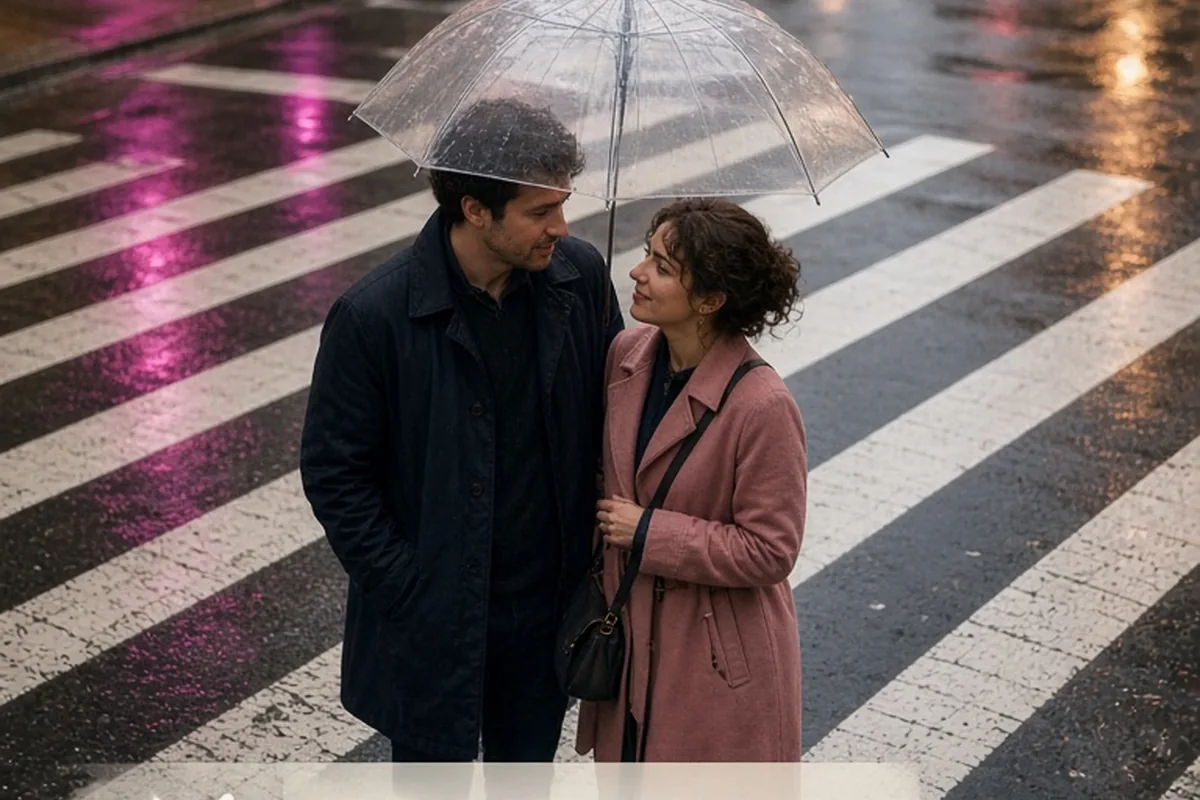
Choosing a wedding ceremony order involves balancing emotional momentum, cultural customs, guest comfort, and logistical timing. Traditional orders provide familiar structure and effortless cueing for vendors, but they can feel rigid or emotionally distant for modern couples. Alternative formats—such as holding vows before readings, integrating pre-ceremony cocktails, or walking down the aisle together—offer greater personalization and intimacy, though they require careful rehearsal to prevent awkward pauses or disrupted audio setups.
Your ceremony outline sets the emotional tone for your entire wedding day, dictating how guests experience your entrance, your promises, and your first moments as a married couple.
Traditional Linear Wedding Ceremony Orders: Familiarity Versus Rigidity
A standard traditional wedding ceremony follows a time-tested sequence: processional, welcome remarks, scripture or secular readings, officiant address, exchange of vows, exchange of rings, pronouncement, the kiss, and the recessional. The greatest advantage of this classic progression is immediate clarity. Professional officiants, live musicians, photographers, and venue coordinators know the standard sequence intuitively, which dramatically reduces the chance of missed musical cues or mispositioned cameras. Guests of all generations immediately understand the rhythm, allowing them to settle into the emotional weight of the moment without wondering what happens next.
However, the traditional sequence carries notable drawbacks for couples seeking a deeply personalized gathering. Rigid adherence to conventional scripts can make the event feel formal, impersonal, or disconnected from your relationship's unique dynamic. Furthermore, placing personal vows after lengthy readings and homilies means nervous speakers must hold their anxiety throughout the entire first half of the ceremony. If your wedding aims for an informal, conversational, or boundary-pushing atmosphere, following an unmodified traditional structure can feel counterproductive to the mood you want to build.
Front-Loading Personal Vows: Emotional Momentum Versus Stage Fright
In an inverted or vow-forward ceremony structure, the couple exchanges their personal promises immediately after the welcome remarks, saving readings, musical interludes, and the officiant's address for the second half. The primary benefit of this arrangement is emotional freshness. Speaking your vows early allows you to express your commitments while focus is sharpest, releasing performance anxiety early so you can relax and truly absorb the remainder of the service. It immediately centers the ceremony on the core relationship rather than framing it through third-party interpretations.
The trade-off lies in the subsequent energy drop. Once the high-stakes moment of exchanging vows concludes, secondary readings, symbolic gestures, or lengthy officiant homilies can feel like an emotional anti-climax. Guests may subconsciously perceive the service as concluding early, causing the middle portion to drag. If you choose an early vow placement, keep subsequent readings brief and use an upbeat musical interlude or dynamic community blessing to sustain audience engagement through the ring exchange and pronouncement.
Cocktail Hour Before the Ceremony: Warm Hospitality Versus Disrupted Focus
Scheduling a light cocktail reception before the ceremony begins flips the conventional timeline by welcoming guests with drinks and conversation prior to taking their seats. This approach relieves the panic of guests arriving late due to traffic or parking confusion, as latecomers simply slip into a social gathering rather than interrupting a formal aisle walk. It also eases social tension, allowing separated family members, distant friends, and traveling guests to connect casually in daylight before sharing a solemn or celebratory ritual.
Despite its hospitality appeal, pre-ceremony mingling introduces substantial logistical challenges. Alcohol consumption before the ceremony can lead to vocal chatter, delayed seating, and diminished attention spans during serious readings. Officiants and planners often struggle to transition dozens of socializing adults from standing conversation into silent seating on time. Additionally, this format requires clear physical boundaries or a dedicated holding room if one or both partners wish to keep their formal outfits hidden until the actual processional.
In-the-Round and Circular Ceremony Seating: Intimacy Versus Sightline Challenges
Arranging your ceremony in a circle, spiral, or semi-circular layout places the couple in the center of their community rather than at the front of a directional hall. This layout transforms passive viewing into active witness, fostering profound emotional closeness because every guest sits closer to the altar area than in a traditional long-aisle setup. It visually communicates equality, shared support, and community unity, which appeals strongly to non-hierarchical and secular wedding visions.
The logistical disadvantage centers on sightlines and technical execution. When standing in the center of a circle, the couple and officiant inevitably turn their backs on half the audience at any given moment. Microphones must be wireless and expertly balanced to prevent feedback from circular speaker placement, and photographers must constantly circulate without becoming a visual distraction. If you select an in-the-round format, choreograph subtle quarter-turns during transitions so both sides of the circle can see your expressions during key readings and the ring exchange.
Joint Processionals and Modern Partner Entrances: Equity Versus Established Expectations
Modifying the entrance sequence—such as walking down the aisle together, entering simultaneously from opposite sides, or walking solo without an escort—rejects patriarchal traditions of giving away a partner in favor of mutual autonomy. Entering hand-in-hand provides instant grounding, helping anxious couples steady their nerves together while symbolizing an intentional, equal partnership entering marriage of their own volition. It also avoids family conflicts when complex family dynamics make choosing a single parental escort difficult or uncomfortable.
The drawback involves managing family expectations and choreographing spatial timing. Parents who expected a traditional escort role may feel hurt or unacknowledged unless alternative honors, such as speaking roles, front-row flower presentations, or special entrance walks, are provided. Dual-entrance layouts require wide aisles, precise musical timing, and synchronized pacing so that neither partner reaches the altar awkwardly ahead of the other. Photographers also need clear advance instructions, as capturing two simultaneous entrances down separate aisles requires dual shooters.
Mid-Ceremony License Signing and Unity Rituals: Pacing Depth Without Stalling
Integrating symbolic actions—such as handfasting, tree planting, candle lighting, or signing the legal marriage register in front of guests—adds concrete visual metaphor to spoken promises. Signing the official register mid-ceremony offers legal authenticity, honoring witnesses publicly and creating a reverent, ceremonial pause accompanied by dedicated music. For multicultural or interfaith celebrations, unity rituals create tangible bridges between different heritages, visually demonstrating the blending of two lineages.
However, physical rituals run the risk of introducing awkward dead air and logistical hurdles if they are poorly positioned within the timeline. Lighting candles outdoors frequently fails due to wind, planting gestures can result in soiled formal wear, and signing documents requires setting up tables, functioning pens, and proper lighting in the staging area. When inserted between high-energy moments like the vow exchange and the pronouncement, an unpracticed physical ritual can deflate the room's energy. Keep unity actions under three minutes, rehearse every movement, and ensure background music fills any mechanical silence.
Designing a Customized Ceremony Timeline: Practical Evaluation Criteria
To select the most effective ceremony order for your event, evaluate your venue constraints, vendor limitations, and emotional tolerance. Begin by measuring the physical transit path from your dressing suites to the altar area to determine realistic processional song lengths. Confirm whether your sound technician can support wireless lapel or handheld microphones if you plan to move around the space, and consult your photographer regarding where natural light falls during key vows and ring exchanges.
Next, balance public presentation against personal comfort. If public speaking causes acute distress, shorten spoken vows, place them early in the program, or reserve private vows for a secluded first look while using standard repeat-after-me declarations during the public ceremony. Share a finalized minute-by-minute timeline with your officiant, planner, and musicians at least two weeks before the wedding so every contributor understands visual cues, musical fades, and emergency backup steps.
Frequently asked questions
How long should a standard wedding ceremony typically last?
Most secular and modern wedding ceremonies run between 20 and 30 minutes, which provides adequate time for processional walks, personal vows, one or two short readings, and the recessional without causing guest fatigue. Traditional religious ceremonies or formal liturgical celebrations can last between 45 and 60 minutes depending on sacramental requirements and musical selections.
Where should the ring exchange occur in the ceremony sequence?
The ring exchange is most effective immediately following the personal or standard vow exchange. Placing the rings directly after the spoken commitments acts as an immediate physical seal of the promises just made, keeping the emotional trajectory focused before moving to the pronouncement and the final kiss.
Can we include private vows if we already have a public ceremony order?
Yes, many couples choose to exchange deeply personal, uncensored vows during a private first look before the ceremony begins. They then use streamlined, traditional, or community-focused vows during the public service, allowing them to express intimate sentiments without stage fright while keeping the formal ceremony concise.
What is the best way to signal the start of the ceremony to seated guests?
A noticeable shift in music serves as the clearest universal cue. Have your musicians or DJ transition from ambient prelude songs to a distinct processional melody, accompanied by the officiant and first wedding party members taking their places at the altar, which naturally prompts guests to quiet down and direct their attention forward.
Your next step
Draft a rough chronological outline of your desired ceremony elements today, then schedule a 20-minute alignment call with your officiant to review the flow, flag potential pacing dead zones, and verify technical needs.