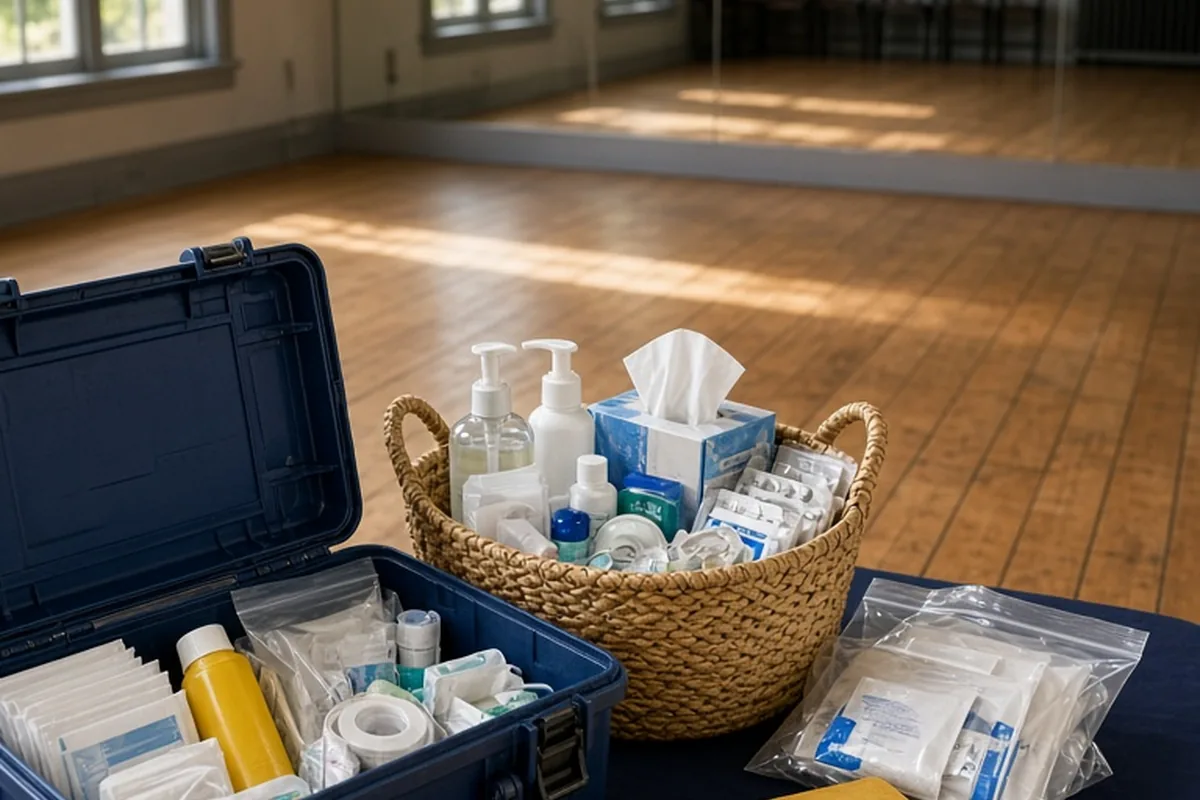
A wedding day emergency kit for 150 guests requires a two-tiered system: a private, heavy-duty repair kit for the wedding party and self-serve amenity baskets placed in the primary guest restrooms. Sizing for a 150-person count demands multiple duplicates of high-turnover items, including stain remover wipes, blister bandages, safety pins, hairpins, breath mints, and travel toiletries, ensuring quick fixes without pulling wedding coordinators or hosts away from the celebration.
Managing logistics for a mid-to-large guest count means preparing for predictable wardrobe mishaps, sudden weather changes, minor hygiene needs, and physical discomforts that can arise over six to eight hours of celebration.
Structuring Emergency Supplies for a 150-Guest Wedding
When planning supplies for 150 attendees, relying on a single makeup bag carried by a bridesmaid or coordinator creates bottlenecks and leaves guests without immediate solutions for simple problems. A 150-person guest list typically translates to around 15 to 20 tables, a wedding party of 8 to 14 people, and steady foot traffic across ceremony spaces, cocktail lounges, and reception restrooms. To serve this volume effectively, divide your supplies into two distinct categories: private VIP kits dedicated to the getting-ready suites, and public courtesy baskets stationed inside the main venue restrooms.
The VIP kits handle high-stakes mechanical, structural, and cosmetic emergencies such as broken zippers, detached boutonnieres, fallen hems, or smudged makeup before photos. The public restroom baskets address guest comfort, minor footwear abrasions, breath freshness, and sudden personal hygiene needs. Distributing your inventory this way keeps the wedding party from being interrupted by guest requests while guaranteeing that minor mishaps do not derail the reception schedule or leave anyone feeling uncomfortable on the dance floor.
High-Traffic Restroom Amenity Baskets and Quantities
Guest restroom baskets at a 150-person event must be tailored for high turnover and sanitary use. Avoid communal multi-use bottles for items like lotion or mouthwash whenever possible, as single-use packets or pump dispensers keep the staging area clean and sanitary throughout a long evening. For 150 guests, anticipate that roughly 50 to 60 percent of attendees will use the restroom facilities within the first two hours of the reception, with traffic spiking immediately following the meal and during band intermissions.
In women-designated and all-gender restrooms, prioritize hair ties, bobby pins in multiple shades, individually wrapped panty liners, regular and super tampons, oil-absorbing face sheets, clear nail polish for nylon runs, and blister prevention friction sticks. In men-designated restrooms, focus on pre-threaded sewing needles with dark thread, collar stays, lint rollers, stain remover wipes, breath mints, and comb sets. Both stations should include travel-sized dental floss picks, hand lotion, spray deodorant (never roll-on), antacid chewables, and adhesive bandages in varied sizes.
- Individually wrapped feminine hygiene items (15 to 20 pads and tampons total per basket)
- Single-serve breath mints or individually wrapped lozenges (40 to 50 count per basket)
- Dental floss picks in a covered dispenser (30 to 40 count per basket)
- Adhesive bandages in standard and blister-relief sizes (25 to 30 count per basket)
- Individual stain remover wipes or mini travel pens (10 to 15 per basket)
- Aerosol spray deodorant and travel pump hand lotions (1 to 2 bottles per basket)
Attire Repairs and Wardrobe Hardware for the VIP Suite
Wardrobe malfunctions are the most time-sensitive issues on a wedding day, particularly before formal portraits, the grand entrance, and the first dance. The private wedding suite kit should function like a mobile tailor shop. Standard safety pins are essential, but you should also include heavy-duty coil-less pins, which will not snag delicate lace, silk, or chiffon. Pack industrial double-sided apparel tape, a seam ripper, multiple shades of thread matching the primary attire (specifically ivory, white, black, and navy), and sharp fabric scissors.
Bustle failures happen frequently once dancing begins, especially under the weight of heavier multi-layered gowns. Include large, heavy-gauge safety pins and small clear zip ties in the VIP kit; these can discreetly secure a collapsed train to an interior underskirt loop when delicate bustle loops snap. For suits and tuxedos, include extra cufflink backs, magnetic boutonniere holders in case lapel pins fail, chalk sticks to cover minor scuffs on white garments, and temporary hem tape to instantly correct dropped pant cuffs.
Seasonal, Footwear, and Outdoor Comfort Essentials
If any portion of your 150-guest wedding takes place outdoors, such as a garden ceremony, lawn cocktail hour, or tented dinner, environmental factors introduce additional points of failure. High heels sink into turf, temperature drops create guest discomfort, and outdoor insects can quickly irritate attendees. Anticipating these localized conditions ensures that guests stay focused on the event rather than searching for physical relief.
For lawn venues, stock heel-protector caps in multiple base widths near the transition point from paved walkways to grass. For warm-weather gatherings, provide unscented insect repellent wipes (which prevent overspray onto formal fabrics), blotting papers, mini handheld battery fans, and mineral water facial mist. For cool-weather or coastal events, keep a reserve of clear umbrella sets for the wedding party, hand-warmer packets, and static-cling spray, which becomes critical when dry indoor heating causes formal fabrics to bunch and cling awkwardly.
Health, Hydration, and First-Aid Staging Limits
A well-prepared kit must balance helpfulness with safety and venue regulations. While offering over-the-counter pain relievers, antacids, and allergy medication is standard practice, never leave open, loose medication bottles in unsupervised public restroom baskets where children might access them. Many commercial venues and catering halls explicitly prohibit unsealed medications in public restrooms due to liability concerns.
Keep over-the-counter medications in their original, factory-sealed single-dose packets, or retain them inside the private wedding coordinator or bridal suite kit where distribution can be monitored. Essentials include ibuprofen, acetaminophen, chewable antacids, non-drowsy antihistamines, eye drops for contact lens wearers, electrolyte drink mix packets, and glucose-boosting snacks for wedding party members who may have missed meals during early morning hair and makeup sessions.
Venue Logistics, Assembly, and Day-Of Replenishment
Assembly and presentation determine whether your emergency kit actually solves problems or simply creates clutter on restroom countertops. For public restrooms, select shallow, easy-to-clean woven or acrylic bins that fit neatly around sink basins without blocking access to soap dispensers or paper towel holders. Group items by category—such as personal hygiene, dental care, and garment fixes—using smaller interior dividers so guests can quickly locate what they need without rummaging.
Designate a specific person, such as your day-of coordinator, venue captain, or a trusted family member, to transport and monitor the baskets. This point person should place the baskets during vendor setup, check them midway through the evening after dinner to restock depleted items and discard trash, and pack up any remaining supplies at the end of the reception. Staging this routine ahead of time ensures that the facilities remain tidy, inviting, and fully functional until the final send-off.
Frequently asked questions
Who is responsible for restocking the bathroom emergency baskets during the reception?
Assign this task to your professional day-of coordinator, venue site manager, or a designated personal attendant. Schedule a quick five-minute check immediately after the cocktail hour and another midway through open dancing to empty wrappers, replenish popular items like mints and hairpins, and keep the counter organized.
Can I put over-the-counter medications directly in guest bathroom baskets?
Check your venue contract first, as some properties prohibit leaving medication in public areas. If permitted, provide only individually sealed single-dose manufacturer packets rather than open multi-dose bottles to ensure safety, sanitation, and child protection.
What items run out fastest at a 150-person wedding?
Individually wrapped breath mints, stain remover wipes, blister bandages, bobby pins, and dental floss picks experience the highest turnover. Pack roughly 20 to 30 percent more of these specific supplies than you estimate needing for baseline attendance.
How far in advance should I purchase and assemble the emergency kits?
Assemble your baskets and private VIP kits four to six weeks before the wedding day. This timeline gives you ample opportunity to purchase multi-packs online, cross-reference inventory with your venue policies, and pack everything into labeled, travel-ready bins for smooth transport.
Your next step
Conduct an inventory audit six weeks before your event date, divide supplies into clearly labeled venue baskets and VIP suite pouches, and confirm your venue bathroom layout with your site coordinator.