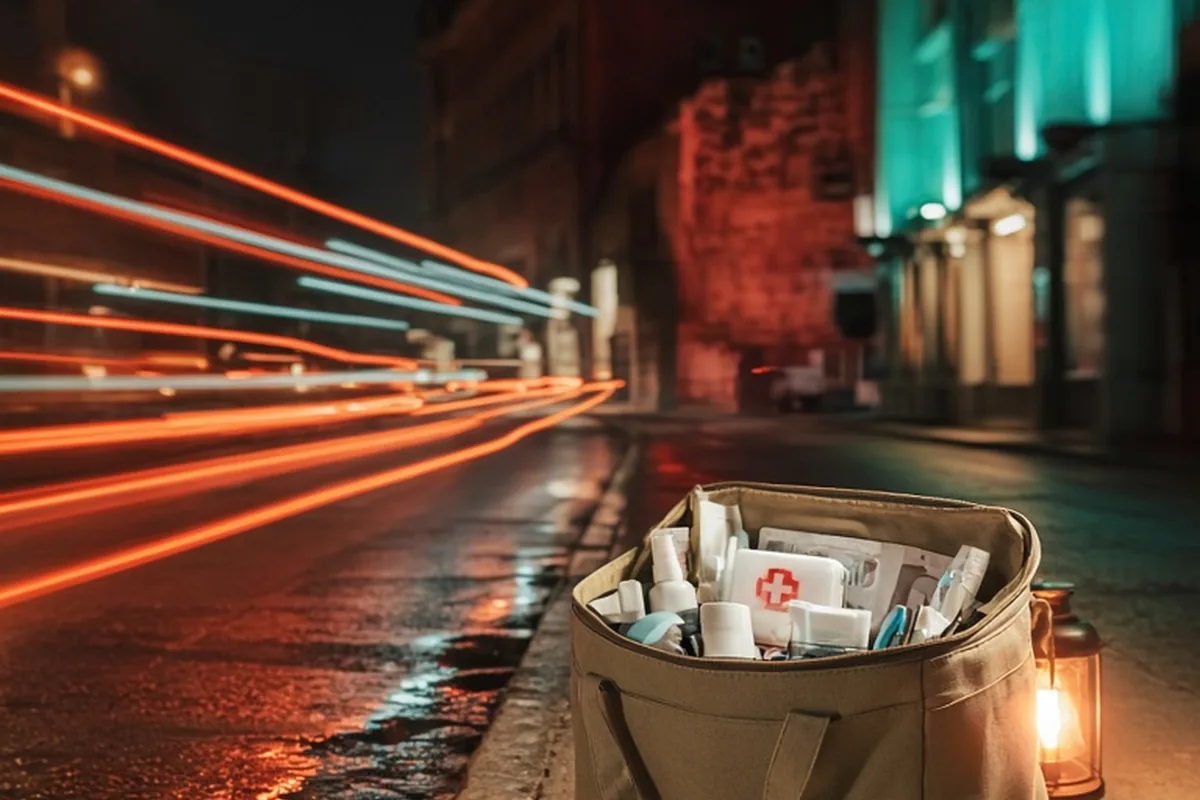
A wedding day emergency kit for 50 guests balances intimate bridal party needs with communal restroom hospitality. Unlike larger events requiring bulk crates, a 50-guest gathering runs smoothly with two focused kits: a portable bridal suite caddy containing high-grade garment tools, stain removers, and beauty adhesives, paired with a curated restroom basket offering blister care, breath fresheners, lint rollers, hairpins, and basic single-dose personal care essentials.
Planning for fifty attendees creates a unique sweet spot in wedding coordination. The guest count is large enough that unexpected mishaps will occur, yet compact enough that a thoughtful, well-curated supply kit avoids the waste, clutter, and cost of commercial event packages.
Sizing the Emergency Kit for a 50-Person Guest List
A 50-person guest list changes the logistical math of an event emergency kit. At a large 200-guest wedding, items disappear rapidly, requiring wholesale quantities of breath mints, safety pins, and blister cushions. For fifty people—typically distributed across five to seven reception tables—excessive inventory leads to overcrowded counters, wasted products, and unnecessary spending. The goal for this guest size is high variety paired with moderate depth, ensuring you have an immediate solution for rare problems without turning the restroom vanity into a retail shelf.
To right-size your supplies, consider the actual demographic profile and timeline of your celebration. An intimate guest list usually means close family, dear friends, and a tighter circle of wedding VIPs who feel comfortable asking for assistance if something goes awry. Sizing for fifty means packing roughly fifteen to twenty individually wrapped mints, ten to fifteen adhesive bandages in varying shapes, three to five sanitary pads and tampons, and a single comprehensive sewing kit rather than multiple duplicate packets. This lean approach keeps everything visible, organized, and easy to inspect before the celebration begins.
Garment Care and Wardrobe Malfunction Fixes
Wardrobe complications represent the most urgent category of wedding day emergencies. A split seam, popped button, or broken zipper pull can instantly derail portraits or delay the ceremony entrance if appropriate tools are missing. For a 50-person celebration, your garment kit must prioritize mechanical strength over novelty gadgets. Standard tiny travel sewing kits often contain thread that snaps under minor tension and needles too flimsy to pierce dense suit fabrics or layered tulle. Build a dedicated apparel pouch stocked with heavy-duty thread in white, ivory, black, and navy, accompanied by pre-threaded hand needles stored in a compact case to save critical minutes in low light.
In addition to sewing supplies, include commercial-grade garment tape, assorted safety pins in both black and silver finishes, and emergency cuff links. For sudden fabric stains, avoid aggressive liquid bleaches that can discolor delicate bridal silks or leave wet water rings on crepe. Instead, pack solvent-free dry stain wipes, a chalk pencil to mask dark scuffs on bridal satin or leather shoes, and a lint roller for dark wool tuxedos. Heel protectors for walking on grass or historic wooden decks are also indispensable, particularly if an intimate venue features outdoor lawn games or cobblestone pathways.
Restroom Basket Supplies for 50 Wedding Guests
Restroom hospitality kits signal high consideration for your guests, serving as an unannounced support station throughout the reception. In a venue sized for fifty people, the facilities often consist of one or two single-occupancy restrooms or a small shared multi-stall bathroom. Placing oversized, disorganized baskets in these spaces creates clutter and makes maintenance difficult for the venue staff. A tidy, open-top woven basket or divided acrylic tray keeps items upright, legible, and easy to grab without digging through communal supplies.
Stock the restroom tray with individual single-use items to maintain hygiene standards. Avoid open jars of hair gel, communal comb sets, or tubs of lotion where multiple hands can cause cross-contamination. Provide travel pump lotion without intense synthetic fragrances, individually sealed dental floss picks, individually wrapped breath mints, aerosol dry shampoo, clear hair elastics, and bobby pins matched to various hair tones. A discreet, lidded box within the basket should hold feminine hygiene products, ensuring privacy while remaining intuitive for anyone who needs them during the evening.
First Aid, Comfort Items, and Health Considerations
Minor physical discomforts—from a paper cut on an escort card to a blister caused by new formal shoes—can quickly pull a guest or wedding party member away from celebrating. High-friction footwear is the most reliable source of distress at weddings; hydrocolloid blister bandages and anti-friction chafe sticks should be central to your comfort inventory. Standard fabric adhesive bandages in multiple dimensions, sterile antiseptic cleansing wipes, eye drops for irritated contact lenses, and burn relief gel packets should also form the base of your first-aid collection.
Distributing medications requires careful thought and clear boundaries. Leaving open bottles of over-the-counter pain relievers, allergy tablets, or antacids on an unattended restroom counter presents an accidental ingestion risk, particularly if children are among the 50 guests. Many professional venue coordinators recommend keeping systemic medications inside the private bridal party kit or in the coordinator's personal organizer. Guests who need ibuprofen or an antihistamine can simply ask a designated point of contact, ensuring pharmaceuticals are dispensed responsibly rather than left exposed on public countertops.
Environmental and Seasonal Adjustments for Outdoor Elements
A gathering of fifty guests often opens possibilities for unconventional locations, such as botanical gardens, private estate terraces, mountain overlooks, or beachfront gazebos. While scenic, these settings introduce environmental variables that standard indoor kits overlook. If your wedding takes place outdoors during warm months, sweat and sun exposure become immediate priorities. Include fragrance-free blotting papers to control facial shine before photos, non-greasy mineral sunscreen lotion, and insect repellent wipes. Wipes are far superior to aerosol sprays in formal environments, as airborne bug spray can permanently spot delicate bridal gown fabrics and ruin polished leather footwear.
For autumn, winter, or coastal celebrations subject to sudden temperature dips and ocean breezes, adjust the kit to combat wind, moisture, and static. Pack static-cling elimination spray, which resolves synthetic dress linings catching on tights or suit trousers. Add compact hand warmers for the wedding party during outdoor photography sessions, along with heavy-duty clear umbrellas that look elegant in photographs while offering real rain protection. Having these seasonal supplies ready prevents unpredictable weather from undermining the comfort of your intimate gathering.
Kit Placement, Accessibility, and Mid-Event Monitoring
Having the right supplies is pointless if nobody can find them when an emergency occurs. The most effective strategy divides your materials into two distinct containers: the Bridal Suite Master Kit and the Guest Restroom Amenity Trays. The Master Kit stays with the couple or coordinator from early morning hair and makeup through the end of the ceremony, addressing structural wardrobe emergencies, dress bustles, and cosmetic touch-ups. The Guest Restroom trays are deployed during cocktail hour setup when the public spaces are finalized.
Because an intimate 50-person event rarely employs a dedicated restroom attendant, assign one reliable person—such as a personal attendant, family friend, or the day-of coordinator—to check the restroom displays once midway through the reception. A quick sixty-second reset between dinner and dancing allows your helper to wipe down water splashes around the basket, discard used wrappings, and restock mints or paper hand towels. This simple checkpoint ensures that the presentation remains welcoming and tidy rather than picked-over by the end of the night.
Container Selection, Layout, and What to Do After the Reception
The physical containers you choose impact how smoothly emergencies are resolved. Soft zippered makeup pouches often turn into chaotic sacks where small safety pins or eyedrops sink to the bottom. Instead, select hard-sided clear organizers with adjustable dividers, such as segmented craft storage boxes, fishing tackle cases, or acrylic drawer caddies. Being able to see the exact item through the plastic lid eliminates frantic digging when a zipper splits three minutes before the processional begins.
After the reception concludes, your 50-guest emergency kit does not have to go into the trash. Because a smaller wedding consumes fewer single-use goods, the vast majority of your tools, unused bandages, sewing supplies, and grooming products will remain untouched. Disassemble the kits at the end of the night and integrate the remaining supplies into your household first-aid cabinet, vehicle emergency kit, or travel luggage. Repurposing these items ensures that your pre-wedding investment continues to provide practical value long after the final dance.
Frequently asked questions
How much does it cost to assemble an emergency kit for 50 guests?
Costs vary based on whether you source items individually, purchase pre-made sets, or use household supplies you already own. Budget-conscious couples often spend modest amounts by gathering travel-sized goods from local discount stores, while upscale custom acrylic caddies with specialty designer amenities cost more. To manage spending, inspect your home medicine cabinet for unused sewing needles, safety pins, and unopened grooming travel packs before shopping.
Should men and women have separate emergency baskets in the restrooms?
If your venue features designated men's and women's restrooms, dividing the supplies improves convenience and flow. Men's baskets benefit from extra collar stays, shoe shine wipes, lint rollers, and unscented lotion, while women's baskets typically need more hairpins, blotting sheets, and feminine care products. If the venue has single-occupancy, all-gender restrooms, a single comprehensive tray placed near the sink vanity serves everyone effectively.
Who should be responsible for carrying the emergency kit on the wedding day?
The main getting-ready kit should be entrusted to your day-of coordinator, wedding planner, or maid of honor during early preparations. Once the ceremony begins, this kit should be placed in an accessible, designated spot such as the venue dressing room or coat check office. The couple should never carry or manage these items directly during the event.
Are venues allowed to restrict what items go into guest restroom baskets?
Yes, many venues have specific venue policies regarding unattended products. Common restrictions prohibit open flame items, loose oral medications, glass bottles that could shatter on tile floors, and non-washable aerosol sprays that leave slippery residue. Always review your venue contract or speak directly with the venue site manager before stocking public restroom areas.
Your next step
Draft a personalized supply inventory based on your venue's layout, check your bathroom vanity for items you already own, and purchase your missing travel-sized supplies at least three weeks before the ceremony.