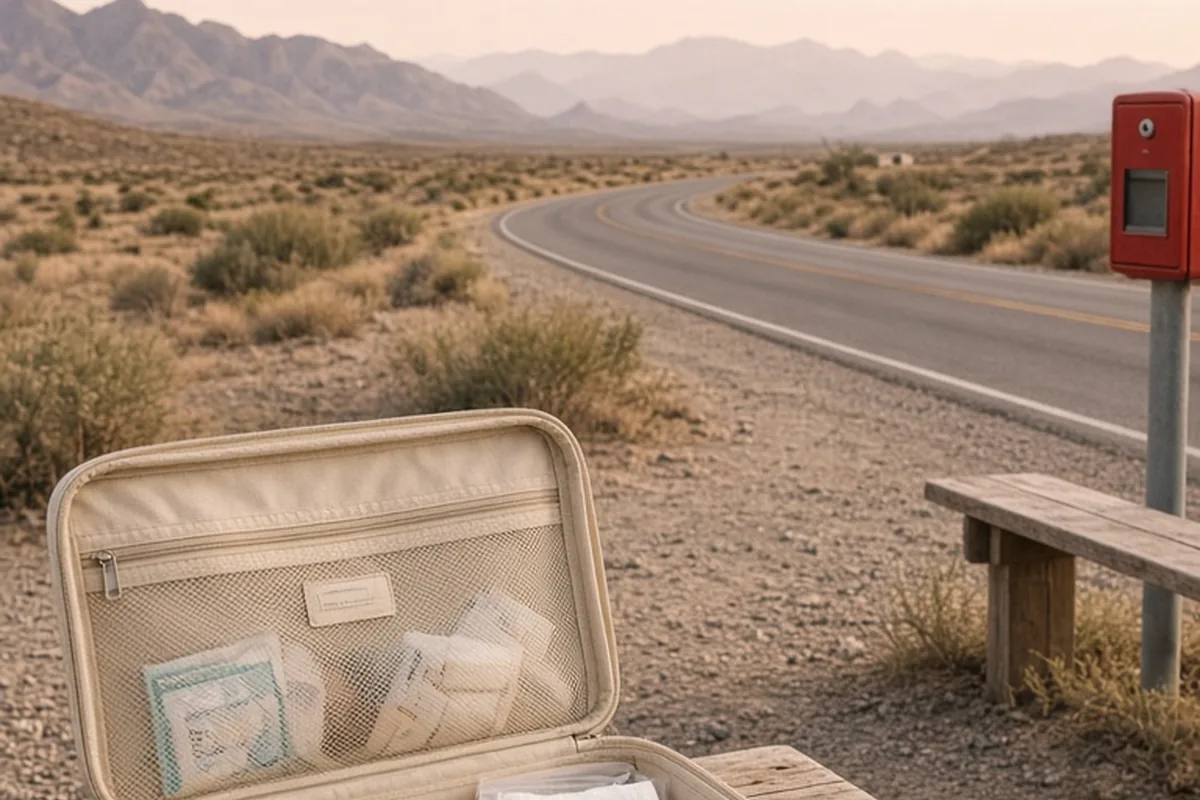
Wedding day emergency kit hidden costs arise when couples purchase branded pre-made kits with high retail markups, buy duplicate full-sized cosmetics, or rely on travel-sized goods with inflated unit pricing. Hidden expenses also accumulate from buying duplicate supplies when wedding planners or venues already supply essentials, paying rush shipping fees for last-minute supplies, and assembling separate redundant kits across multiple getting-ready locations.
Preparing for wardrobe tears, blistered heels, unexpected headaches, and spilled refreshments is a standard part of wedding preparation. However, what starts as a simple checklist of basic safety pins and pain relievers frequently turns into an unexpectedly expensive project when couples overlook packaging markups, duplicate inventory, and transport logistics.
The Price Markup on Pre-Packaged Bridal Emergency Kits
Pre-packaged wedding emergency kits marketed directly to engaged couples carry some of the steepest markups in the event retail industry. These commercial kits typically come in an attractive pouch or decorative tin embossed with bridal slogans, but the contents inside rarely match the premium price tag. Manufacturers frequently fill these packages with low-grade versions of everyday household items, such as miniature sewing packets with brittle thread, tiny plastic safety pins that bend under tension, and single-use adhesive strips that struggle to hold heavy fabrics like crepe, satin, or velvet.
When couples open these kits during the actual wedding morning, they often realize the included tools are inadequate for serious dress emergencies or diverse party needs. The kit might include a generic neutral thread that clashes with an off-white gown, or a single stain-remover wipe that leaves a visible moisture ring on delicate silk. As a result, couples end up purchasing secondary replacement items at the eleventh hour, effectively paying twice: once for the branded novelty kit and once for the professional-grade tools required to actually resolve an emergency.
The Travel-Size Markup and Duplicate Beauty Supplies
Assembling a kit from scratch avoids the novelty packaging trap, but shopping the travel-size aisle introduces a different financial pitfall: extreme unit markups. Miniature cans of hairspray, travel-sized dry shampoo, tiny bottles of micellar water, and miniature blister sticks often cost nearly as much as their full-sized counterparts while offering only a fraction of the product. When an individual purchases ten to fifteen different miniature toiletries to fill a kit, the total bill can quickly exceed what they would spend on standard household inventory.
A related hidden expense is the impulse to buy duplicate cosmetic products specifically for the day-of emergency bag. Rather than bringing their existing makeup products or decanting setting powders, blotting sheets, and lip balms into smaller reusable containers, many planners and wedding attendants purchase brand-new cosmetics to ensure the kit is fully stocked weeks in advance. If multiple attendants buy their own individual duplicate sets, the collective expenditure on cosmetics that will sit mostly unused after the event increases dramatically.
Fabric-Safe Tools and Specialized Garment Care Hidden Expenses
Standard home emergency supplies are often unsafe for specialized formal wear, creating an unexpected need for niche garment-care products. For example, standard metal safety pins can snag lace, pull delicate tulle, or leave oxidation marks on damp fabrics if a gown gets wet during outdoor photos. To prevent fabric damage, couples often find themselves purchasing specialized dressmaker pins, clear filament thread, extra-wide double-sided garment tape, and fabric-safe uncolored chalk to cover dark scuffs on bridal hems.
Stain management on formal textiles introduces additional financial considerations. Standard household stain pens and oxygenated wipes frequently contain formulas that lift fabric dyes, leave water rings on silk and rayon, or dissolve specialized fabric finishes. Purchasing fabric-specific emergency solutions, such as dry-cleaning spray powders, non-residue absorbent wipes, and dedicated lint rollers that do not leave tacky adhesives on delicate embroidery, requires careful research and often commands specialty pricing through fabric supply or bridal alteration stores.
Redundancy with Planner, Venue, and Hair Stylist Kits
One of the largest sources of wasted spending is failing to check what professional vendors already bring to the venue. Professional wedding planners, day-of coordinators, luxury venue managers, and bridal hair and makeup teams routinely maintain extensive emergency kits as part of their standard service packages. These vendor kits typically contain commercial-grade steamers, industrial bobby pins, professional hairsprays, advanced first-aid items, multiple shades of sewing thread, and heavy-duty static guard sprays.
When couples assemble a comprehensive emergency kit without first asking their coordinator or beauty team for an inventory list, they almost always duplicate these supplies. Buying items like extension cords, portable steamers, lint rollers, and multi-packs of pain relievers represents redundant spending if the on-site event team already has access to higher-capacity, professional versions in their standard operational gear.
Dual-Party Logistics and Multi-Suite Redundancy
Weddings involving separate prep locations create logistical challenges that can double or triple supply costs. When one half of the wedding party gets ready at a hotel downtown while the other prepares at a venue bridal suite or a private rental several miles away, a single centralized emergency kit is ineffective. Without prior coordination, the natural reaction is to buy or build two or three separate, identical emergency kits for each getting-ready suite.
This duplication leads to purchasing multiple containers of medications, multiple sewing kits, multiple fabric steamers, and several sets of lint rollers. Instead of buying complete duplicate kits, couples can reduce costs by auditing which specific risks apply to each location. For instance, the suite handling heavy makeup and intricate gown bustles requires specialized garment tape and cosmetic setting tools, whereas a suite focused on suit adjustments primarily needs lint rollers, collar stays, cufflink backups, and shoe polish wipes.
Last-Minute Expedited Shipping and Post-Wedding Waste
Emergency kit planning is frequently postponed until the final week before the wedding, when attention turns to day-of logistics. Assembling a kit under tight deadlines often forces reliance on expedited shipping fees and rush delivery surcharges from online retailers to ensure specialty blister pads, clear umbrella backups, or dress shields arrive before the rehearsal dinner. These shipping fees can sometimes equal or exceed the value of the items themselves.
Post-wedding waste is another hidden financial factor. After the wedding concludes, the emergency kit is often set aside in a closet or hotel room, where specialized adhesives dry out, single-dose medications pass their expiration dates, and custom shade threads go unused. When items are purchased strictly for a single twelve-hour window without a plan to integrate leftovers into everyday household or travel first-aid kits, the cost-per-use becomes exceptionally high.
Building a Low-Cost Kit Through Home Audits and Decanting
The most effective way to eliminate hidden costs is to shop your own home before purchasing anything new. Most households already contain basic sewing needles, assorted safety pins, common over-the-counter pain relievers, bandages, dental floss, tweezers, and cotton swabs. Gathering these supplies into a clean travel organizer eliminates the need to pay for pre-assembled kits or inflated travel-size retail packaging.
For liquid toiletries, hair products, and skincare items, use small reusable cosmetic pots, dropper bottles, or silicone squeeze tubes filled directly from your existing full-sized products. Decanting allows you to bring your trusted, daily-use formulas without spending extra money on miniature sizes that may react unpredictably with your skin or hair on the wedding day. This method keeps overall spending minimal while ensuring every item in the kit is of dependable quality.
Frequently asked questions
Which emergency kit items are worth spending extra money on?
Invest in heavy-duty clear garment tape, high-tensile safety pins, and specialized friction sticks for blisters. Inexpensive tape and weak pins frequently fail under the weight of heavy formal fabrics, while quality anti-friction balms provide reliable protection without staining shoes or socks.
How can I find out what my wedding coordinator already carries in their kit?
Send your coordinator or venue manager a short email asking for their standard emergency kit inventory list before you begin shopping. Most experienced professionals will gladly share what tools and first-aid supplies they bring on-site, allowing you to cross those items off your personal shopping list.
Is it safe to bring loose over-the-counter medications in a DIY kit?
Keep all medications in their original blister packs or clearly labeled travel bottles that list the active ingredients and expiration dates. This prevents accidental mix-ups, maintains hygiene, and ensures wedding party members can verify dosages and allergy warnings before taking anything.
How should I handle emergency supplies if the wedding party gets ready in two locations?
Divide multi-pack items, such as bandages, mints, and safety pins, between two smaller pouches rather than buying two separate kits. Assign one specific person in each prep suite to carry their respective pouch, and tailor the contents to the specific attire and needs of each group.
Your next step
Email your wedding coordinator and beauty team to request their standard day-of kit inventory list before purchasing any emergency supplies.