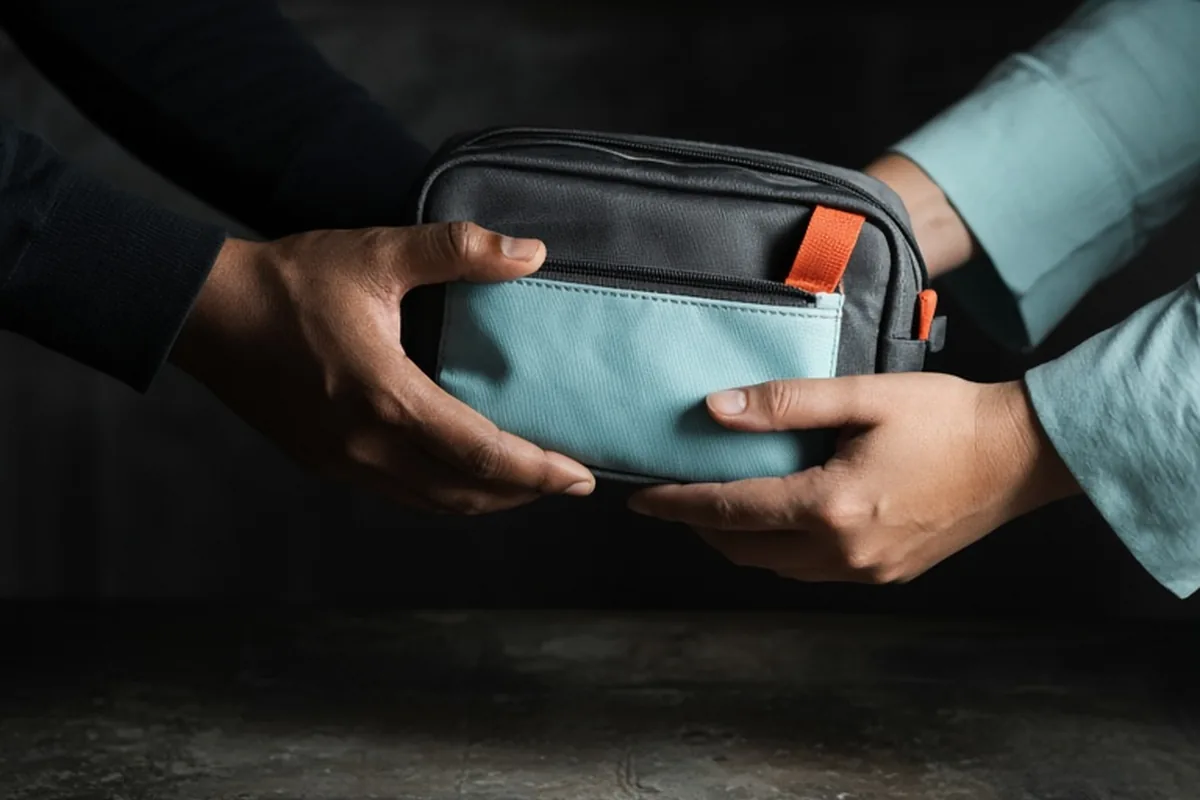
To build a wedding day emergency kit on a budget, repurpose items you already own and buy travel-sized necessities from discount stores instead of purchasing expensive pre-assembled kits. Group low-cost supplies into four functional categories: garment repair, personal comfort and hygiene, simple first-aid, and hardware or venue quick fixes. Pack these items into a multi-pocket toiletry bag and assign one trusted attendant to manage it during the event.
Pre-packaged bridal emergency kits sold online frequently carry steep markups for standard drugstore items packaged in branded packaging. Building your own kit allows you to customize supplies for your specific venue, wedding attire, and bridal party needs while keeping total out-of-pocket spending minimal.
Repurposing Household Basics Before Spending Money
The fastest way to reduce the cost of a wedding emergency kit is to shop your own home before stepping into a store. Most households already contain sewing supplies, half-used boxes of safety pins, clear nail polish, tweezers, and travel toiletries collected from past trips. Gathering these loose items into one staging area prevents you from buying duplicate supplies you will never use again after the wedding day.
Inspect your existing medicine cabinet, linen closets, and vanity drawers for duplicates. Extra phone charging cables, standard nail clippers, full-size scissors, and leftover stain remover pens can be pulled directly into your kit. If you share a wedding party group chat, you can also ask attendants to contribute single spare items, such as extra bobby pins matching specific hair shades or fabric tape they already own. This collaborative approach distributes the responsibility and drops your supply costs to near zero for basic hardware and beauty notions.
Assembling Low-Cost Wardrobe and Fabric Quick Fixes
Wardrobe malfunctions represent the most common category of wedding day emergencies, ranging from broken bustle loops and popped tuxedo buttons to sudden hem tears. A budget-friendly fabric repair set does not require professional tailoring tools. A basic sewing compact containing pre-threaded needles in neutral shades, a small wheel of assorted safety pins, and a spool of heavy-duty white or ivory thread will handle nearly any structural dress issue.
In addition to needle and thread, include double-sided fabric tape or heavy-duty fashion tape to secure shifting necklines, gap-prone shirts, or drooping hems without needle holes. Standard white chalk is an inexpensive, highly effective tool for instantly masking dark smudges, grease spots, or makeup marks on light-colored bridal gowns when washing is impossible. Clear liquid nail polish should also be included to instantly stop runs in sheer hosiery or seal fraying edges on satin ribbons and veil hems.
Sourcing Budget First-Aid and Physical Comfort Essentials
Physical discomfort from tight footwear, tension, dehydration, or indigestion can quickly drain energy on a busy wedding schedule. Instead of buying individual single-dose medication packs at convenience stores, buy generic multi-count travel bottles or repurpose standard bottles from home. Focus on single-ingredient pain relievers, chewable antacids, anti-diarrheal tablets, and non-drowsy allergy relief pills to address common physical reactions without spending heavily on name brands.
Foot care requires specific attention due to brand-new shoes and long hours of standing during photos and the reception. Inexpensive hydrocolloid blister bandages and standard adhesive strips provide immediate barrier protection against friction. Include a small packet of electrolyte drink powder to combat morning dehydration, along with a travel pack of facial tissues, soothing eye drops for redness caused by wind or emotion, and a compact pack of adhesive heating pads for sudden muscle tightness or menstrual cramps.
Low-Cost Grooming and Touch-Up Must-Haves
A budget touch-up kit should prioritize oil control, breath freshness, and hair security rather than duplicating an entire cosmetic collection. Translucent oil-blotting papers or simple single-ply tissue squares control facial shine under photography lighting without caking makeup. A miniature can of firm-hold hairspray and a multi-pack of matte bobby pins matching the key hair colors of the wedding party will rescue fallen updos throughout outdoor photos or active dancing.
Add a small travel deodorant, a pack of sugar-free breath mints, and disposable dental flossers to maintain hygiene between the ceremony and reception meals. Avoid chewing gum, which can show up awkwardly in candid photography. A basic emery board nail file prevents snagged lace on dresses, while travel-sized unscented lotion keeps dry skin from flaking without introducing competing fragrances to your planned perfume or cologne.
Hardware, Fasteners, and Venue Troubleshooting Tools
Certain unpredictable wedding day problems involve venue mechanics, loose floral arrangements, or uncooperative electronics. You can assemble a robust hardware kit from a dollar store or home toolbox for very little money. Clear zip ties are invaluable for securing broken floral arches, fixing loose boutonnieres, or steadying loose signposts. A small roll of neutral gaffer tape or low-tack painter tape can hold runner carpets flat or secure microphone cables without leaving sticky residue on venue flooring.
Include a pair of sharp precision shears or compact wire cutters to trim stubborn zip ties, stubborn dress tags, or thick florist wire. A simple disposable lighter can seal synthetic ribbon edges against fraying or safely melt loose threads on heavy outerwear. Finally, pack a compact, fully charged portable power bank with a multi-tip charging cord to ensure that the primary contact phones for vendors, coordinators, and family members do not lose battery power during photo sessions.
Smart Packing: Organizing by Morning Prep and Reception Needs
An emergency kit is only effective if items can be located within seconds under high-stress conditions. Storing everything in a single, unorganized tote bag forces attendants to dig through loose containers when time is short. Instead, use an inexpensive clear plastic multi-compartment tackle box, a hanging toiletry bag with transparent zippered sections, or clear reusable food storage bags labeled with a permanent marker.
Divide your gear into two distinct stages: morning preparation supplies and reception essentials. The morning preparation pouch holds seam-rippers, lint rollers, static guard spray, and garment steamers that stay in the bridal dressing suite. The reception pouch contains high-frequency items such as safety pins, blister bandages, mints, touch-up powder, and pain relievers. This split design prevents you from lugging a heavy master kit to the venue floor or cocktail hour.
Assigning Kit Custody and Managing Venue Accessibility
The couple should never carry or manage the emergency kit personally during the wedding day. Designate a specific, highly organized attendant, such as the maid of honor, a trusted groomsman, or your day-of coordinator, as the sole custodian of the emergency supplies. This person should know where the kit is stored at every phase of the timeline and have immediate access to key items without interrupting planned photo schedules.
Establish a fixed location for the kit at each venue location. In the dressing suite, place the kit on a dry, unobstructed countertop away from sinks, food, and makeup stations. During the ceremony and reception, the assigned custodian should place the compact reception pouch under a designated head-table seat or with the venue coordinator. Communicating this location to the wedding party ensures quick access without frantic searching when minor mishaps arise.
Pre-Made Bridal Kits vs. DIY: What to Skip to Protect Your Budget
Commercial wedding kits often include dozens of niche items designed to inflate the piece count on product packaging while providing little practical value. Items like decorative matchbooks, cheap disposable sewing cards with low-tensile thread, miniature plastic shoe horns, and branded compact mirrors drive up kit prices without offering reliable performance. Skipping these gimmicks saves significant money while keeping your kit lightweight and functional.
Avoid buying full-sized bottles of liquids, bulky aerosols, or specialty cleaning chemicals that require specific fabric testing. Specialty silk spot cleaners can easily leave water rings or discoloration on delicate wedding gowns if used incorrectly under time pressure. Stick to conservative, proven tools like dry white chalk, lint rollers, and double-sided tape. Investing only in universal, multi-use supplies prevents wasted budget and ensures that every single item in your bag serves a distinct purpose.
Frequently asked questions
How much does it cost to build a DIY wedding day emergency kit?
A basic DIY wedding emergency kit typically costs between fifteen and thirty dollars when sourcing generic supplies from dollar stores and combining them with items already available at home. In contrast, pre-assembled commercial bridal kits often retail for fifty to one hundred dollars while providing lower-quality tools and smaller quantities.
Who is responsible for carrying the wedding emergency kit?
The emergency kit should be assigned to a designated member of the wedding party, such as the maid of honor, best man, or day-of coordinator. The couple should never carry the kit, but the custodian must ensure it moves between getting-ready suites, photo locations, and the reception venue.
Can I use standard tape instead of fashion tape on a wedding dress?
Standard clear household tape or duct tape should never be applied directly to wedding dress fabrics because the adhesives can leave sticky residues, tear fine lace, or discolor delicate silks. True double-sided fabric tape or standard safety pins pinned from the inside of the garment are much safer alternatives for quick alterations.
What is the single most frequently used item in a wedding emergency kit?
Safety pins and bobby pins are consistently the most frequently used items on a wedding day. They resolve unexpected bustle failures, loose straps, boutonniere slippage, and shifting hairstyles quickly without requiring extensive repair time or specialized skills.
Your next step
Walk through your home with a checklist today to gather existing sewing, grooming, and first-aid supplies into a designated hanging toiletry bag before purchasing any remaining items.