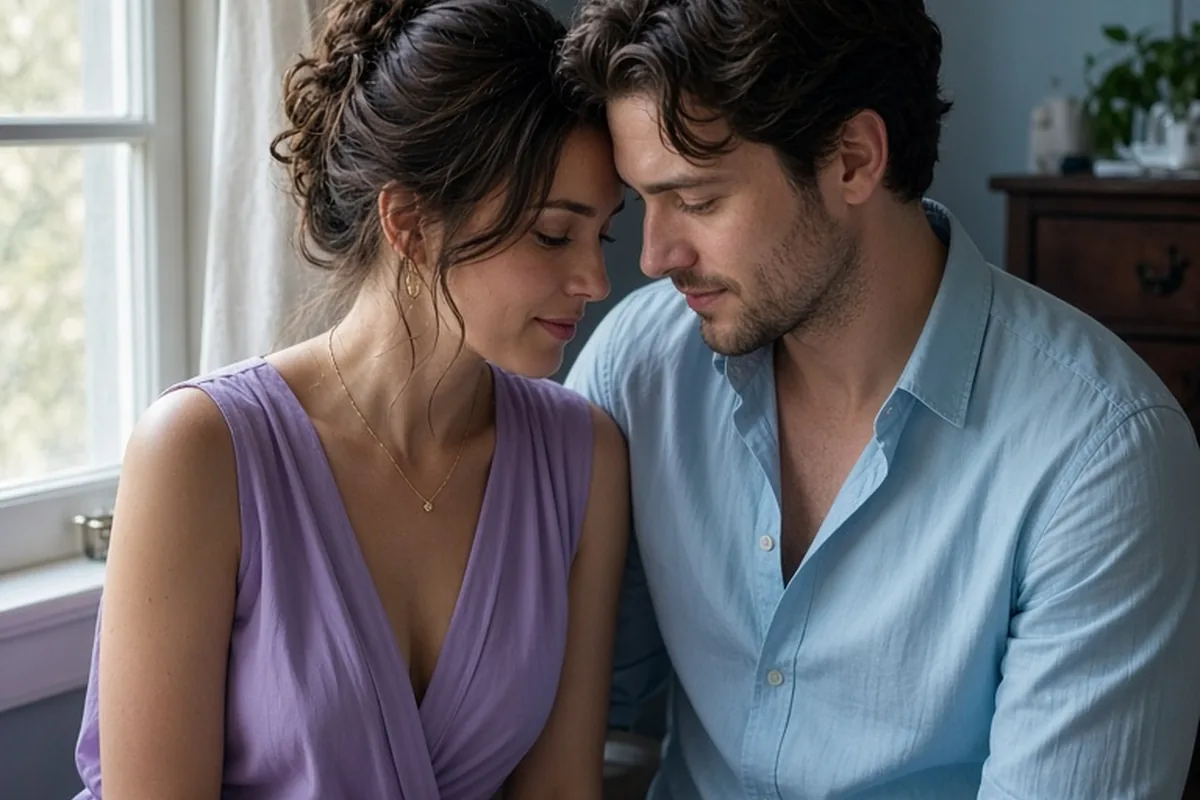
A wedding day emergency kit provides peace of mind and quick fixes for common wardrobe tears, makeup smudges, blisters, and sudden headaches during a long, active event. However, purchasing or assembling one also comes with drawbacks, including added costs for items you may never touch, clutter in getting-ready suites, and heavy overlap with tools your coordinator, photographer, or hair and makeup team already carry.
Wedding planning often highlights worst-case scenarios, prompting couples to purchase specialized survival gear for every conceivable minor mishap. Before spending money on pre-packaged bags or spending hours assembling travel-sized items, weighing the practical benefits against the realistic downsides can help you decide whether an emergency kit is a genuine asset or an unnecessary distraction for your celebration.
The Primary Advantages of Having a Wedding Day Kit on Hand
The most compelling benefit of an emergency kit is its ability to resolve minor wardrobe failures instantly without disrupting your timeline. Delicately constructed bridal gowns, tuxedos, and bridesmaid dresses undergo significant physical stress from walking on outdoor terrain, sitting for extended ceremonies, and energetic dancing. Common mishaps like broken bustles, fallen hems, popping buttons, and stuck zippers can derail photo sessions if the right supplies are not nearby. Having items like reinforced safety pins, fabric-safe double-sided tape, pre-threaded neutral needles, and clear garment tape allows immediate repairs right in the bridal suite or venue holding room.
Beyond garment emergencies, personal comfort tools keep the couple and wedding party refreshed across a ten-to-fourteen-hour day. Minor physical discomforts, such as friction blisters from new formal shoes, sudden tension headaches, seasonal allergies, acid reflux from rich catering, or static cling on lightweight fabrics, can diminish your enjoyment. A well-placed supply pack containing pain relievers, blister patches, antacids, breath mints, stain-remover wipes, and blotting papers offers fast physical relief, allowing everyone to stay focused on the festivities rather than feeling worn down.
Notable Downsides, Hidden Clutter, and Redundant Spending
The principal downside of a wedding day emergency kit is the low rate of use relative to its expense and assembly effort. Many couples purchase elaborate multi-piece kits or spend hours buying travel-sized toiletries, only to leave ninety percent of the contents entirely untouched. Pre-assembled commercial sets often charge a noticeable markup for basic household supplies simply because they are packaged in wedding-themed pouches, while containing low-durability tools like dull mini-scissors or flimsy plastic safety pins that fail under real pressure.
Logistical clutter is another subtle drawback that couples frequently overlook. Wedding prep suites, hotel rooms, and venue dressing areas naturally accumulate garment bags, luggage, floral boxes, makeup cases, and food platters. Adding another large tote bag or heavy tackle box creates unnecessary physical clutter in already tight quarters. Furthermore, if the kit remains stationary in a dressing suite during off-site portraits or cocktail hour across the venue grounds, it becomes completely inaccessible precisely when a tear or stain is most likely to happen.
Pre-Made Wedding Emergency Kits Compared with Custom DIY Packs
Commercial pre-packaged kits offer immediate convenience for busy couples who prefer not to spend time curating travel items. These ready-to-use sets arrive neatly categorized in compact, photo-ready pouches and cover standard generic bases such as sewing needles, fashion tape, breath drops, emery boards, and lint sheets. However, their primary limitation is a lack of customization. Commercial kits rarely account for specific dress fabrics, unique hair textures, prescription medications, skin sensitivities, or specialized garment hardware like specific cufflink backs or corset laces.
Assembling a DIY kit requires extra planning and shopping time, but it guarantees that every single item serves a known purpose tailored to your bridal party. When building your own pack, you can include your preferred brand of long-wear lipstick, specialized blister dressings, fabric-appropriate stain removers, exact-match thread, and extra-strength garment tape. While DIY assembly avoids the poor quality of budget pre-made kits, it can easily become more expensive if you buy full-sized packages of items you only need a single portion of, making disciplined shopping essential.
Evaluating What Your Hired Vendors and Venue Already Provide
Before investing money or time into an emergency kit, audit what your professional vendor team already brings to the wedding. Professional day-of coordinators and full-service wedding planners routinely carry commercial-grade bridal toolkits equipped with heavy-duty garment steamers, industrial safety pins, sewing kits, spot cleaners, lighters for fraying ribbons, and basic first-aid supplies. Because resolving timeline disruptions is part of their core service, experienced planners frequently have superior repair tools already on site.
Similarly, professional hair stylists and makeup artists maintain professional-grade touch-up supplies during their contracted hours, including lash adhesive, hairspray, bobby pins, blotting papers, and setting powder. Venues and catering managers are also legally required to maintain standardized first-aid stations containing bandages, antiseptic wipes, and burn creams. Contacting your vendor team during final detail meetings allows you to identify overlaps, eliminating the need to duplicate items they already manage.
Essential Versus Overrated Items for a Tailored Wedding Kit
If you choose to prepare a kit, prioritizing high-utility essentials over novelty items keeps the kit lightweight, effective, and budget-conscious. High-value necessities include heavy-duty safety pins in multiple sizes, high-tack double-sided apparel tape, a reliable stain removal pen or white chalk for masking oil-free dress spots, friction-reducing blister sticks, cushioned hydrocolloid bandages, and basic non-drowsy pain relievers. These items address the vast majority of real-world wedding day interruptions with minimal bulk.
Conversely, many widely promoted emergency kit items are rarely practical during a high-energy event. Full-sized sewing kits with dozens of colored spools are unnecessary when a single neutral spool and pre-threaded needle suffice. Elaborate manicure tools, nail polish collections, liquid superglue that risks damaging delicate silks, and oversized medication bottles add weight without offering practical value. Keeping the inventory restricted to rapid, mess-free fixes prevents your emergency kit from turning into an unwieldy travel bag.
Managing Kit Placement and Assigning a Dedicated Point Person
An emergency kit is only effective if it is accessible within minutes of a problem arising. Leaving the kit unattended in an empty bridal suite while the couple takes outdoor portraits three hundred yards away leaves everyone stranded if a bustle loop snaps. To maximize utility, divide your supplies into two groups: a comprehensive supply pack that stays in the main prep room, and a slim, pocket-sized pouch containing tape, safety pins, blotting sheets, and mints that travels with you.
Designate a specific, dependable person—such as the maid of honor, best man, personal attendant, or wedding coordinator—to manage the mobile kit. Clearly inform this person where the primary pack is stored and ensure they carry the compact touch-up pouch during formal photo sessions and the reception transition. Assigning this responsibility ahead of time prevents frantic searches and keeps the couple relaxed and present throughout the celebration.
Frequently asked questions
Is a wedding day emergency kit strictly necessary if I have a wedding coordinator?
A standalone kit is usually not required if you have a full-service wedding planner or day-of coordinator, as experienced coordinators carry comprehensive toolkits. However, you should still carry your personal prescription medications, custom cosmetic touch-up shades, and specialized shoe comfort items that vendors do not provide.
How much does a typical DIY wedding emergency kit cost to make?
A customized DIY kit typically costs between thirty and seventy dollars, depending on whether you repurpose supplies you already own or buy new travel-sized products. Gathering leftover sample cosmetics and standard home medicine cabinet staples is the most effective way to keep assembly costs low.
What is the single most frequently used item in a wedding emergency kit?
Heavy-duty safety pins and apparel tape are consistently the most used items across weddings of all sizes. They provide immediate, invisible fixes for torn bustle loops, sagging necklines, popped buttons, and loose pocket squares without requiring time-consuming needlework.
Can the wedding party share one central emergency kit?
Yes, sharing a single well-organized kit between all bridesmaids, groomsmen, and immediate family members is practical and cost-effective. Keeping the kit in a shared prep suite or central vendor station prevents multiple people from buying redundant supplies.
Your next step
Review your coordinator and beauty vendor contracts to confirm what emergency supplies they bring, then assemble a compact, five-item pouch containing only your personal touch-up products and safety pins.