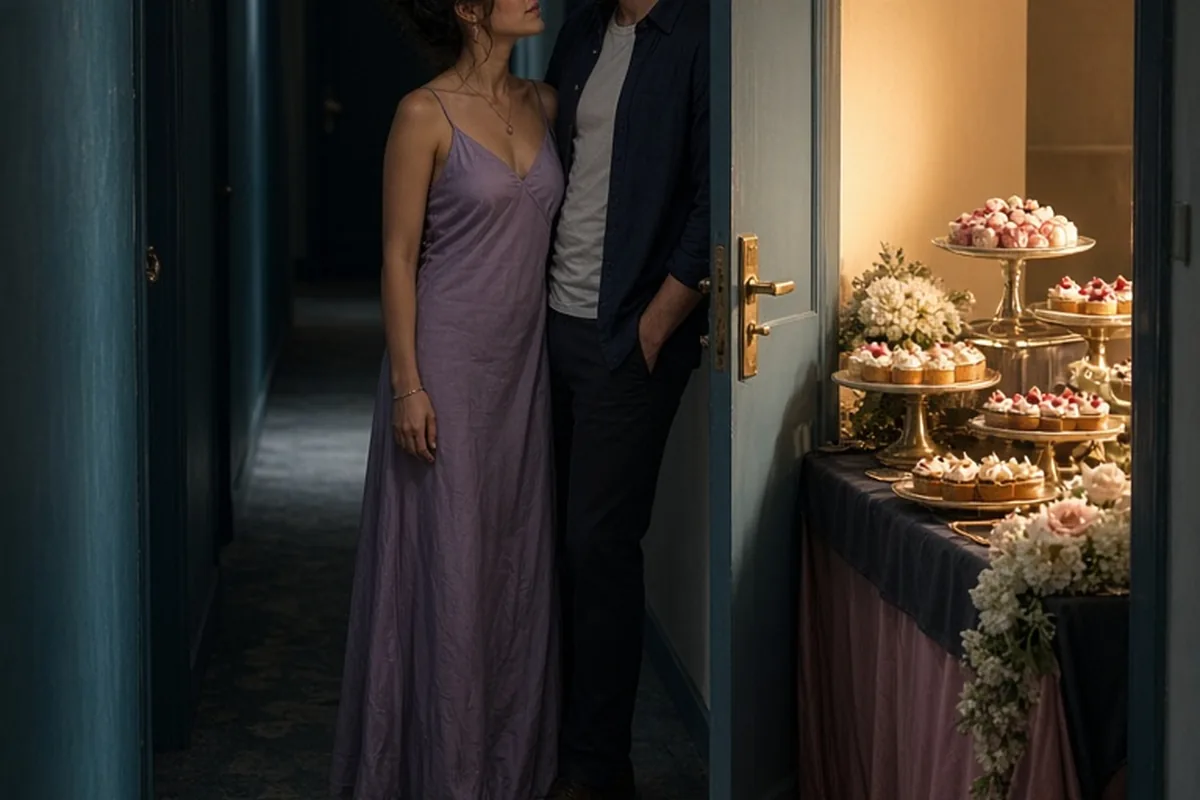
A wedding dessert table cost depends on guest count, the number of distinct treats per person, bakery tier pricing, display hardware rentals, and staffing logistics. Bakeries and caterers typically price dessert stations on a per-item or per-guest basis, with additional fees for delivery, custom styling, stand rentals, and onsite replenishment. To determine your total cost accurately, request itemized quotes reflecting your guest numbers, chosen pastry varieties, and venue setup requirements.
Replacing or supplementing a traditional tiered wedding cake with a multi-item dessert table has become one of the most popular reception trends. While a dessert station allows couples to offer diverse flavors and dietary accommodations, building a realistic budget requires understanding how individual pastries, styling hardware, and service fees add up on an itemized catering invoice.
Line-Item Production Costs for Bakery Sweets and Custom Confections
The primary driver of any dessert table budget is the production cost of the individual confections. Unlike bulk retail baked goods, wedding-grade confections require specialized labor, consistent sizing, and premium decorative finishes. Bakeries generally bill individual sweets either by the individual piece, by the dozen, or as a bundled per-guest package. The complexity of the chosen items heavily influences the baseline quote, as pastries requiring delicate individual hand-piping, intricate sugar work, or multi-step tempering command higher artisan rates than drop cookies or sheet brownies.
Menu variety also introduces distinct production minimums that affect total pricing. If you select six distinct dessert types, the pastry chef must prepare six separate batches, manage different baking schedules, and source specialized ingredients ranging from imported vanilla beans to freeze-dried fruit powders. Gluten-free, dairy-free, or vegan items frequently carry an upcharge due to the need for dedicated allergen-safe prep areas and costlier alternative flours and fats. Pre-wedding tasting boxes or consultation sessions may be billed separately or credited toward your final contract balance depending on bakery policy.
Display Hardware, Tiered Stands, and Aesthetic Table Styling
A dessert table relies as much on visual presentation as it does on the taste of the pastries. Creating an abundant, visually striking spread requires vertical dimension, which involves a combination of pedestals, tiered cake stands, apothecary jars, wooden crates, acrylic risers, and decorative platters. Couples must decide whether to rent these display pieces through their baker, source them from a specialized event rental company, or purchase them outright.
Renting display hardware through your baker or caterer usually incurs a rental charge per vessel alongside a refundable security deposit that protects against chips, cracks, or missing serving tongs. If you choose to source your own display pieces from thrift stores or retail home goods shops, you must account for the upfront purchase expense, post-event storage or resale logistics, and the labor required to wash and transport the glassware. Additional styling elements that influence the total invoice include custom linen rentals, menu signage, allergen indicator cards, decorative floral runners, and battery-operated accent lighting.
Bakery Delivery Logistics, Temperature Control, and Onsite Setup Fees
Transportation and setup fees form a critical portion of the final bill that couples often overlook when browsing per-piece pastry menus. Delivering delicate confections requires climate-controlled vehicles, specialized transit packaging, and careful route planning to prevent delicate items like macarons, mousse cups, and chocolate ganache from melting or shifting during transit. Bakeries typically calculate delivery fees using a base drop-off charge plus a mileage rate based on the distance between their commercial kitchen and the venue.
Onsite styling fees cover the labor required for the pastry team or an event coordinator to unbox, arrange, and style the table at the venue according to a pre-approved floor plan. For high-volume or temperature-sensitive displays, this process can take one to two hours before guest arrival. If your reception occurs outdoors in warm weather, the bakery may require an indoor staging area with active refrigeration, releasing items in waves rather than setting the entire spread out in advance, which can add dedicated staffing labor hours to your delivery contract.
Service Staffing, Table Maintenance, and Reception Venue Fees
A successful dessert table requires ongoing maintenance throughout the reception evening to avoid an untidy appearance once guests begin selecting items. Without dedicated staffing, partially empty platters, scattered crumbs, and discarded napkin piles quickly diminish the display aesthetic. Catering companies and venue event teams charge hourly labor rates for attendants assigned to restock pastries from cold storage, consolidate trays, clear empty plates, and assist guests who have dietary questions.
Venues may also apply specific operational fees to outside dessert vendors. Some venues charge an outside-catering surcharge or a flat plating fee even if no traditional cake cutting occurs, covering the venue's provision of dessert plates, forks, cocktail napkins, and dishwashing labor. Before signing agreements with an independent bakery, verify whether your venue contract mandates that all edible items come from an insured commercial kitchen or imposes a service fee for external food stations.
Calculating Portion Ratios and Menu Variety per Guest
Accurately sizing a dessert table requires balancing portion counts against guest behavior. When presented with a diverse buffet of miniature items rather than a single pre-plated cake slice, guests routinely sample multiple varieties. Event caterers typically recommend ordering between two and four mini portions per confirmed guest, depending on whether you also serve a focal cutting cake or late-night savory snacks. Underestimating this ratio leads to depleted tables early in the evening, while overestimating creates costly food waste.
Balancing variety with efficiency is essential for controlling preparation costs. Offering three to four distinct dessert styles provides sufficient choice for varied palates without triggering excessive bakery batch minimums. A well-constructed menu often pairs a rich chocolate item with a refreshing fruit tartlet, a bite-sized pastry or cookie, and a dedicated dietary-friendly option such as a gluten-free French macaron. Keeping individual item footprints consistent also simplifies display planning, ensuring uniform platter arrangements.
Practical Ways to Lower Your Wedding Dessert Table Expenses
You can achieve a visually impressive dessert presentation while managing overall expenditure through strategic sourcing and menu design. One effective approach is a hybrid sourcing model: commission a modest, beautifully finished single-tier cutting cake and select showpiece confections from a bespoke wedding baker, while sourcing supplementary crowd-pleasing items like standard cookies, brownies, or mini cupcakes from high-volume local specialty bakeries or reputable catering depots.
Simplifying display hardware is another proven cost-control method. Instead of paying rental fees for dozens of ornate vintage stands, incorporate standard venue banquet tables styled with elevated wooden blocks or inverted boxes hidden beneath quality table linens to create height. Limiting single-bite items that demand excessive manual assembly, such as individual piped tartlets, in favor of neatly sliced bar bites or mini gourmet donuts allows bakeries to charge lower labor markups while maintaining generous portion volumes.
Contract Terms, Deposit Policies, and Hidden Fee Verification
Before finalizing a dessert table agreement, review vendor contract language for potential hidden surcharges. Common contract line items include non-refundable booking deposits, strict headcount finalization deadlines, and mandatory damage fees for unreturned crates or rental platters. Pay close attention to policies regarding event delays: if your venue access window shifts on the wedding day, bakeries may charge hourly standby fees if their delivery drivers must wait to access the reception space.
Clarify end-of-night handling procedures in writing. Determine whether your catering staff, the bakery, or your designated family members are responsible for packing up unconsumed sweets, boxing rental hardware for pickup, and providing leftover bakery boxes for departing guests. Ensuring these responsibilities are assigned avoids last-minute cleanup confusion and prevents venues from withholding portions of your security deposit for uncleaned service stations.
Essential Questions to Ask Caterers and Bakers for Accurate Itemized Quotes
Obtaining transparent, comparable quotes requires asking specific operational questions during the vendor inquiry phase. When reaching out to prospective bakeries or caterers, request an itemized proposal that clearly separates raw confection costs from delivery, stand rentals, styling labor, and service fees. This line-item clarity allows you to adjust individual components to match your budget targets without canceling entire service categories.
Key questions to ask during consultations include: Does your proposal include setup and table styling, or is delivery strictly curbside drop-off? Are display stands and serving tongs included in the quoted price, and what is the return timeline for rented equipment? What are your minimum order quantities per flavor? Do you provide allergen labeling tent cards? How do you handle hot-weather outdoor events to ensure pastry stability? Gathering written answers ensures accurate budget forecasts and prevents unexpected day-of expenses.
Frequently asked questions
How many mini desserts should I order per wedding guest?
Most professional caterers recommend planning for 2 to 4 mini dessert portions per guest when a dessert table serves as the primary sweet course. If you are also serving a plated slice of traditional wedding cake, you can reduce this ratio to 1 to 2 mini pieces per person.
Is a dessert table cheaper than a traditional tiered wedding cake?
A dessert table can be less expensive or more expensive than a tiered cake depending on your selections. Simple cookies, brownies, and sheet bars are often more economical than intricate multi-tier fondant cakes, but selecting numerous high-end individual confections like macarons and mini tarts alongside custom display rentals can equal or exceed traditional cake costs.
Who is responsible for setting up and refilling the dessert table during the reception?
Responsibility depends entirely on your vendor contracts. Some full-service bakeries include setup and initial styling in their delivery fee, while table restocking throughout the night is typically managed by your venue catering team or dedicated day-of coordinators.
What happens to leftover desserts at the end of the night?
Leftover handling must be arranged in advance with your caterer or coordinator. You should supply takeout pastry boxes so staff can pack remaining treats for you to take home or offer them as favors to departing guests.
Your next step
List your guest count and preferred treat varieties, then contact three local insured bakeries or caterers to request itemized proposals separating pastry prices, delivery logistics, and stand rental fees.