Hiring a wedding DJ for 100 guests requires a compact yet powerful audio setup, typically featuring two 12-inch or 15-inch powered top speakers, a dedicated wireless microphone system for vows and toasts, and optional low-end reinforcement like a single subwoofer. A 100-person guest count represents a balanced crowd where the DJ acts as both a musical curator and an attentive master of ceremonies, directing room flow without overwhelming the acoustic space.
A guest list of roughly one hundred people creates an intimate yet vibrant atmosphere that requires careful acoustic planning and nuanced timeline moderation. Unlike massive ballroom celebrations or tiny backyard gatherings, a 100-person event needs balanced sound distribution that lets dancers feel the bass on the floor while allowing seated guests to converse comfortably.
Sizing Audio Gear and Speaker Coverage for a 100-Person Room
A 100-guest wedding typically occupies a medium-sized banquet room, a tented outdoor pavilion, or a repurposed industrial loft. In these spaces, sound reinforcement must strike a balance between clarity and energy. Two powered two-way loudspeakers, featuring either 12-inch or 15-inch woofers mounted on stable tripods, serve as the standard foundation for this guest count. This configuration projects vocal frequencies and midrange instrumentation cleanly across the entire room without forcing the DJ to push the master gain into harsh, distorted territory.
Acoustic environments drastically alter how sound behaves for a group of this size. Hard surfaces such as exposed brick, polished concrete floors, and large glass windows reflect sound waves, creating flutter echoes and muddy vocal clarity. In these rooms, smaller satellite speakers positioned strategically can distribute volume more evenly than two loud main speakers blasting from the front. Conversely, outdoor lawn receptions lack walls to contain acoustic energy, causing bass frequencies to dissipate rapidly. For outdoor 100-guest gatherings, adding a single 12-inch or 15-inch dedicated subwoofer prevents the mix from sounding thin and hollow.
Speaker placement should focus direct acoustic energy onto the active dance floor while angling dispersion away from dining tables assigned to older relatives or families with young children. Elevating speaker horns slightly above ear level ensures sound carries over standing guests at the front of the dance floor to reach people at the back. A professional DJ will walk the perimeter of the room during the sound check to confirm there are no harsh volume spikes near seating areas or dead zones near the bar.
Ceremony, Cocktail Hour, and Reception Multi-Zone Sound Logistics
Most 100-guest weddings span multiple physical areas throughout the day, often moving from an outdoor ceremony lawn to a patio for cocktail hour, and finally indoors for dinner and dancing. Managing sound across these distinct zones requires either a secondary, portable satellite sound system or rapid transition planning. Expecting a single DJ to tear down their primary mixing console, transport heavy speakers down a flight of stairs, and re-wire equipment during a ten-minute cocktail transition often leads to awkward dead air or delayed schedules.
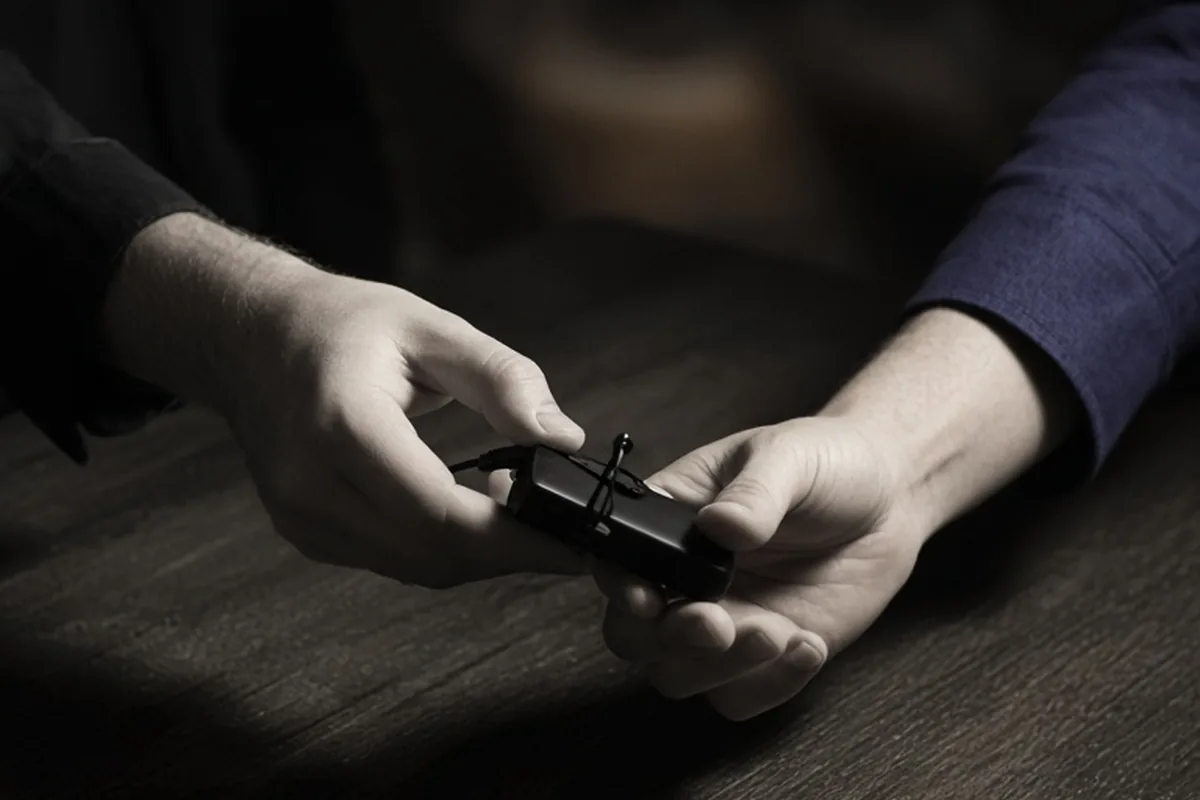
Ceremony sound demands dedicated, low-profile gear. The DJ should provide at least two channels of wireless audio: a bodypack transmitter paired with an omnidirectional lavalier or discreet headworn microphone for the officiant, and a handheld wireless microphone on a weighted boom stand for readers or the couple's vows. Because outdoor ceremony locations frequently lack immediate access to grounded electrical outlets, professional DJs often utilize compact, battery-powered PA systems that operate independently for several hours without requiring unsightly extension cords across guest walkways.
Cocktail hour music sets the social tone while guests mingle and sample appetizers. This environment calls for background-level sound distribution where background tracks complement rather than compete with conversation. If the cocktail space is physically separated from the reception hall by walls or outdoor corridors, a dedicated satellite speaker connected via a wireless audio link or an auxiliary cable ensures continuous ambiance without bleeding high volume into the main dining room before doors officially open.
Master of Ceremonies Duties and Crowd Dynamics for 100 Guests
With one hundred attendees, the social dynamic of a wedding is personal and interconnected. Unlike massive galas where announcements must be booming and theatrical, a 100-guest wedding benefits from a warm, conversational, and polished master of ceremonies (MC) approach. The DJ should project authority during key moments, such as introducing the wedding party or announcing the buffet order, without adopting an overbearing, radio-announcer persona that alienates guests.
Timeline management is one of the most critical responsibilities handled by the DJ behind the scenes. The DJ collaborates closely with the banquet captain, lead photographer, and videographer before making any major announcement. For example, before announcing the cake cutting, first dances, or toasts, the DJ verifies that the catering team has poured champagne and that the visual team is in position with lenses calibrated. This behind-the-scenes coordination keeps the evening flowing seamlessly without jarring delays.
Reading a room of 100 people requires subtle observation. Because a dance floor for this crowd size usually holds between twenty and fifty active dancers at any given moment, momentum can shift quickly if a song falls flat. An experienced wedding DJ observes body language, notices which age groups are congregating near the dance floor, and adjusts tempos smoothly rather than abruptly cutting off songs. They know how to use transitional tracks that bridge classic hits with contemporary favorites to keep multiple generations engaged simultaneously.
Curating Playlists, Do-Not-Play Lists, and Guest Song Requests
Music programming for a 100-person gathering requires a balanced collaboration between the couple's personal tastes and the broader entertainment needs of the crowd. Prior to the wedding, the DJ should provide a planning framework where couples can specify their core musical preferences across different phases of the event: prelude, processional, recessional, cocktail hour, dinner, and dancing. Defining genres, favorite artists, and meaningful cultural tracks helps the DJ build a cohesive sonic profile for the celebration.
Establishing a firm 'Do-Not-Play' list is just as important as selecting favorite tracks. This list protects the atmosphere from songs that carry negative personal associations, overplayed novelty line dances, or genres that clash with the couple's vision. A seasoned DJ treats this list as an absolute rule while diplomatically filtering spontaneous guest requests made at the booth during the reception.
When guests approach the DJ booth to request tracks, the DJ acts as a musical gatekeeper. If a requested song fits the current energy and aligns with the couple's approved genres, the DJ can mix it into an upcoming set smoothly. If a guest requests a track that appears on the forbidden list or would clear a packed dance floor, a professional DJ politely informs the guest that the song does not fit the current timeline, protecting the couple's preferences without causing friction.
Lighting, Visual Enhancements, and Venue Power Verification
Visual atmosphere directly influences how willingly guests step onto the dance floor. For a 100-guest setting, lighting packages should enhance the room's architecture and define the dance area without overwhelming the venue. Battery-powered, wireless LED uplighting fixtures placed along perimeter walls or architectural columns allow the DJ to wash the room in warm, ambient tones during dinner and transition to dynamic color changes once open dancing begins.
Dance floor lighting should be scaled appropriately for a moderate footprint. A basic package featuring sound-activated wash fixtures or subtle moving-head lights mounted on vertical totem stands provides movement and excitement without blinding seated guests or casting harsh, unflattering patterns across wedding photos. Heavy strobe effects and excessive fog should generally be avoided unless specifically requested, as they can cause visual discomfort and trigger venue smoke alarms.
Electrical infrastructure must be verified with the venue coordinator well before wedding day. A standard DJ setup featuring two main speakers, a subwoofer, mixing hardware, wireless receivers, and LED lighting can draw significant power during peak bass moments. A reliable professional will confirm that their gear is divided across isolated 15-amp or 20-amp circuits, avoiding shared outlets with high-draw catering equipment like coffee warmers or chafing heaters that could trip a circuit breaker mid-reception.
Contract Terms, Overtime Policies, and Emergency Contingencies
A comprehensive vendor contract protects both the couple and the DJ by defining clear expectations and operational parameters. The contract should outline exact arrival and load-in windows—typically two to three hours before guest arrival—as well as tear-down duration, total contracted performance hours, and explicit pricing for unexpected overtime if the party continues beyond the scheduled end time.
Emergency backup planning is an essential hallmark of a professional operator. Equipment failures can happen to any electronic component; what separates amateur hobbyists from seasoned professionals is redundant hardware. The DJ should bring backup laptops, secondary hard drives with offline music libraries, spare audio cables, duplicate wireless microphones, and an auxiliary analog mixer ready to deploy instantly in case a digital audio interface crashes.
The agreement must also include clear clauses regarding illness, emergencies, and liability insurance. Professional wedding DJs carry comprehensive general liability insurance policies, which most modern venues require before permitting any vendor onto the premises. Additionally, the contract should specify a formal replacement protocol detailing how an equally qualified substitute DJ from their professional network will step in if the primary performer experiences a medical emergency.
Comparing Solo Owner-Operators Against Multi-Operator Entertainment Agencies
When shopping for a wedding DJ suitable for 100 guests, couples generally choose between two business models: independent owner-operators and multi-operator entertainment agencies. Solo owner-operators manage their own bookings, meet directly with the couple throughout the planning process, and perform at the event personally. This model offers high consistency, personalized communication, and deep familiarity with your specific musical brief.
Multi-operator agencies maintain a roster of several DJs under a unified brand. These companies often offer streamlined planning portals, packaged lighting add-ons, and built-in staff redundancy, meaning if your assigned DJ falls ill, the agency can immediately dispatch another trained team member. However, couples working with larger agencies must ensure they interview and contractually lock in their specific DJ rather than being assigned an unvetted performer a week before the wedding.
To decide between these options, schedule a direct phone or video consultation with the individual who will actually hold the microphone on your wedding day. Evaluate their responsiveness, their willingness to listen to your ideas, and their understanding of your venue's physical layout. Clear rapport during initial conversations is the strongest indicator of a low-stress, well-executed wedding reception.
Frequently asked questions
How much space does a wedding DJ need for a 100-guest reception?
A standard DJ booth and speaker setup typically requires an area of roughly eight feet wide by six feet deep. This footprint provides sufficient space for a standard banquet table or facade, speaker stands, lighting totems, and safe cable routing away from guest walkways.
Does a 100-person wedding require a dedicated subwoofer?
While two quality 12-inch or 15-inch top speakers can adequately handle vocal clarity and light bass in small indoor rooms, adding a single subwoofer is strongly recommended for outdoor spaces, large halls, or dance-heavy receptions where you want rich, physical low-end sound without straining the main speakers.
How far in advance should we book a wedding DJ for 100 guests?
Most couples secure their wedding DJ between eight and twelve months prior to the event date. Peak Saturday dates during the spring and autumn months fill up quickly, particularly among sought-after independent owner-operators.
What audio details should we confirm with our venue before hiring a DJ?
Ask your venue manager about existing sound restrictions or decibel limits, the physical distance between ceremony and reception locations, available dedicated electrical circuits, and whether your DJ must submit a certificate of general liability insurance prior to load-in.
Your next step
Request your venue's electrical layout and vendor sound guidelines today so you can provide precise room specifications to prospective DJs during your initial quote consultations.