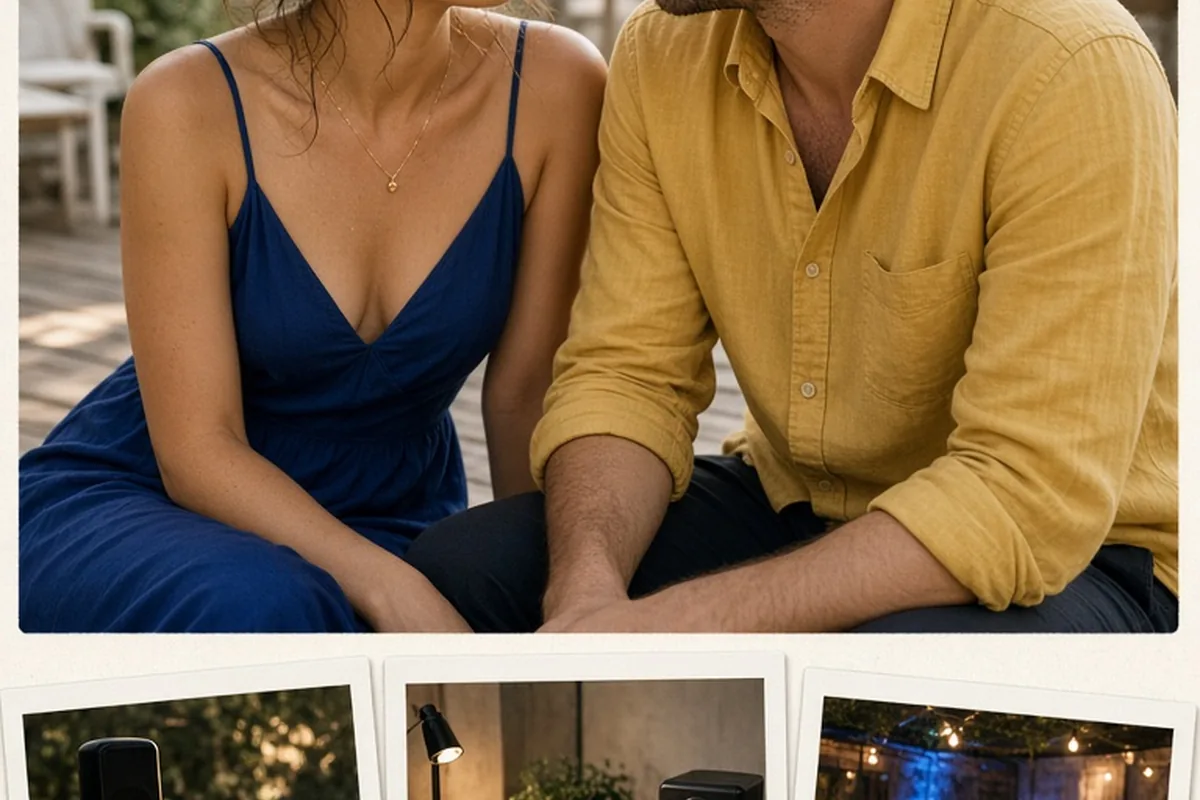
Wedding DJ ideas for small weddings focus on intimate pacing, personalized playlists, and adaptable sound setups rather than arena-style hype. Effective approaches include hosting interactive music trivia during cocktail hour, curating niche genre transitions that reflect the couple's personal story, utilizing compact wireless satellite speakers for balanced low-volume sound, incorporating acoustic hybrid sets, and letting the DJ act as an understated master of ceremonies who facilitates effortless conversation before transitioning into a high-energy, lounge-style dance floor.
Planning entertainment for an intimate guest list requires a deliberate shift in perspective, moving away from high-pressure party tactics and focusing instead on shared experiences, atmosphere, and meaningful musical storytelling.
Designing a Balanced Sound Environment for Intimate Venues
Small weddings often take place in unconventional spaces such as boutique restaurants, historic brownstones, art galleries, private estates, or intimate garden courtyards. These venues present unique acoustic dynamics because sound bounces rapidly off hard surfaces like exposed brick, marble, and large glass windows. A standard large-scale sound system featuring massive subwoofers can easily overwhelm a room of thirty to seventy guests, drowning out dinner conversation and causing listener fatigue. When collaborating with your wedding DJ, request a scaled sound design that emphasizes clarity and distribution over sheer volume.
A practical approach is utilizing compact column array speakers or distributed wireless satellite speakers placed strategically throughout the space. By positioning multiple smaller speakers at lower volume levels around the perimeter rather than blasting two massive speakers from the front of the room, you achieve uniform sound coverage. Guests seated near the back can enjoy the music without shouting across their tables, while those closer to the dance floor still feel the rhythm. Discuss acoustic dampening options with your venue and DJ, such as positioning the audio setup away from echo-prone corners, to ensure speech intelligibility during toasts and vows.
Volume management throughout the evening must follow a deliberate, graduated curve. During the ceremony and cocktail hour, the audio level should serve as an elegant backdrop that masks awkward lulls while letting guests converse without raising their voices. As dinner winds down, the DJ can gently increase the mid-range and low-end frequencies, signaling an energetic shift without an abrupt jump in decibels. This careful calibration ensures the music feels like an organic extension of the room's atmosphere rather than an intrusive interruption.
Interactive Musical Formats That Engage Close-Knit Guest Groups
In a micro wedding, guests are usually immediate family, lifelong friends, or close colleagues who already share personal connections. This dynamic creates an ideal setting for interactive musical moments that might feel chaotic or disorganized at a large gathering of two hundred people. A skilled DJ can implement subtle, engaging formats that break the ice and highlight shared memories without turning the reception into a game show.
One effective idea is integrating a brief, curated music trivia segment between courses during dinner. Your DJ can play short instrumental clips of songs that hold special meaning to specific tables, immediate family members, or milestone years in your relationship. Guests can guess the track or the memory tied to it, prompting laughter and storytelling across tables. Another compelling option is a collaborative vinyl lounge hour, where the DJ sets up a turntable station alongside digital decks, allowing guests to flip through a curated crate of records to select background tracks for dessert.
Digital song request systems also take on a much more personalized role in smaller settings. Rather than a chaotic open-mic approach, couples can invite guests in advance to submit a single song along with a two-sentence memory about the couple. The DJ can weave these selections into the playlist and occasionally acknowledge the dedicated track, giving the evening a warm, storytelling quality that larger weddings simply cannot replicate.
Incorporating Live Hybrid Elements with DJ Sets
A hybrid entertainment format pairs the flexibility and wide repertoire of a professional DJ with the raw energy and visual appeal of a live musician. For small weddings, this combination delivers the sophistication of live music without requiring the physical footprint or higher budget of a full six-to-ten-piece band. Live instrumentalists can seamlessly integrate with the DJ's audio feed to elevate key moments throughout the day.
Consider pairing your DJ with a solo saxophonist, electric violinist, or percussionist during the cocktail hour and transition into dancing. A live saxophonist improvising over soulful house, deep funk, or smooth jazz creates an upscale lounge ambiance that encourages mingling. During the dance set, the musician can move onto the floor alongside guests, providing an immersive performance element that generates immediate excitement and pulls people toward the center of the room.
When executing a hybrid performance, ensure your DJ and guest musician have technical synchronization established beforehand. The DJ will need to provide direct monitor feeds, dedicated wireless receivers, and an auxiliary mixing channel for the live instrument. Confirm during venue walkthroughs that there is sufficient room for the musician to move comfortably without crowding dining tables or obstructing service pathways.
Adapting Master of Ceremonies Style for Low-Key Gatherings
The role of the Master of Ceremonies (MC) must be fundamentally reimagined for an intimate wedding. The booming, high-energy announcements common at massive ballroom receptions often feel jarring, performative, and out of place when spoken to a room of forty people. In a small space, the DJ should adopt a warm, conversational, and understated hosting tone that feels like an attentive host guiding dinner party guests.
An effective micro-wedding MC focuses on seamless procedural transitions rather than forced hype. Announcements for the first dance, family toasts, cake cutting, or late-night snacks should be delivered smoothly and concisely at a natural speaking volume. Because fewer guests mean less background noise and faster movement between activities, timelines often run ahead of schedule. A perceptive DJ observes room cues, coordinating quietly with the catering staff and couple before prompting the next event rather than adhering rigidly to pre-set minute-by-minute schedules.
Brief your DJ thoroughly on family dynamics, pronunciation of names, and the exact tone you desire. Emphasize that you prefer minimal microphone commentary outside of essential logistical directions and formal introductions. When the MC speaks sparingly and authentically, guests pay closer attention, maintaining an elevated and relaxed mood throughout the celebration.
Creating High-Energy Dance Floors in Smaller Footprints
One common concern for couples planning small weddings is the fear of an empty-looking or awkward dance floor. When only twenty or thirty people are dancing, a standard commercial dance floor can look cavernous and discourage participation. The key to overcoming this psychological barrier lies in spatial planning, lighting design, and clever musical programming.
Work with your venue and rental coordinator to define a compact dance area, using soft perimeter seating, cocktail tables, or modular lounge furniture to frame the boundary. A smaller, well-defined floor feels full and lively with just eight to twelve people dancing, creating social momentum that attracts the rest of the room. Warm, low-profile uplighting and moving ambient wash lights can visually compress the space, creating an intimate club or lounge environment that makes guests feel less exposed.
From a musical standpoint, the DJ should employ dynamic mini-sets rather than long, drawn-out thematic blocks. Mixing rapid transitions across complementary genres—such as moving from classic nineties R&B into indie pop, then into timeless funk—keeps energy circulating quickly. Because a smaller crowd shares a tighter set of cultural and musical touchpoints, your DJ can lean heavily into deep cuts and shared favorites that might fall flat with a broader, more heterogeneous audience.
Equipment Aesthetics and Non-Traditional Venue Logistics
In a micro wedding, every aesthetic detail is magnified because guests are seated closer to vendor stations and visual clutter is harder to disguise. A sprawling table covered in exposed cords, oversized road cases, and bulky speaker tripods can disrupt the refined decor of an intimate dining room or boutique venue. Prioritize a DJ who offers a minimalist, clean setup designed specifically for tight spatial constraints.
Modern professional setups feature low-profile all-in-one column speakers, custom wooden or matte facade booths that hide all cabling, and battery-powered wireless fixtures. Battery-operated uplights and wireless transmitters eliminate taped-down extension cords running across guest walkways, which is especially critical in historic properties or outdoor venues with limited access to dedicated wall outlets.
Schedule a detailed technical walkthrough with your DJ and venue manager before finalizing logistics. Verify the dedicated electrical circuit amperage to prevent tripped breakers when audio gear, catering warmers, and specialty lighting run simultaneously. Confirm load-in pathways, elevator dimensions, and setup timelines to guarantee the sound check is fully completed long before the first guest arrives.
Frequently asked questions
How much space does a wedding DJ need at a small reception?
Most professional DJs utilizing compact or column array equipment require an area of approximately six feet by six feet, along with enough clearance to safely set up speaker stands. For venues with severe space constraints, a DJ can use an ultra-compact table setup or a wireless satellite system to fit into a four-by-four-foot footprint.
Should we hire a DJ or just use a custom playlist for a small wedding?
While a curated playlist can work for background dinner music, a professional DJ provides real-time sound balancing, handles microphone logistics for vows and toasts, and actively reads guest energy to prevent awkward silences. A DJ also manages unexpected timeline changes, freeing you and your guests from technical duties.
Can a DJ successfully get a small group of guests to dance?
Yes, an experienced DJ reads the unique preferences of a smaller group and builds momentum using rapid genre transitions, personal requests, and dedicated mini-sets. Framing a smaller, defined dance floor with lounge furniture also helps guests feel comfortable dancing without feeling put on display.
Your next step
Draft a short list of 10 to 15 core songs that represent your personal history, then schedule a consultation with your DJ to discuss a minimalist equipment footprint and a low-key MC style tailored to your venue.