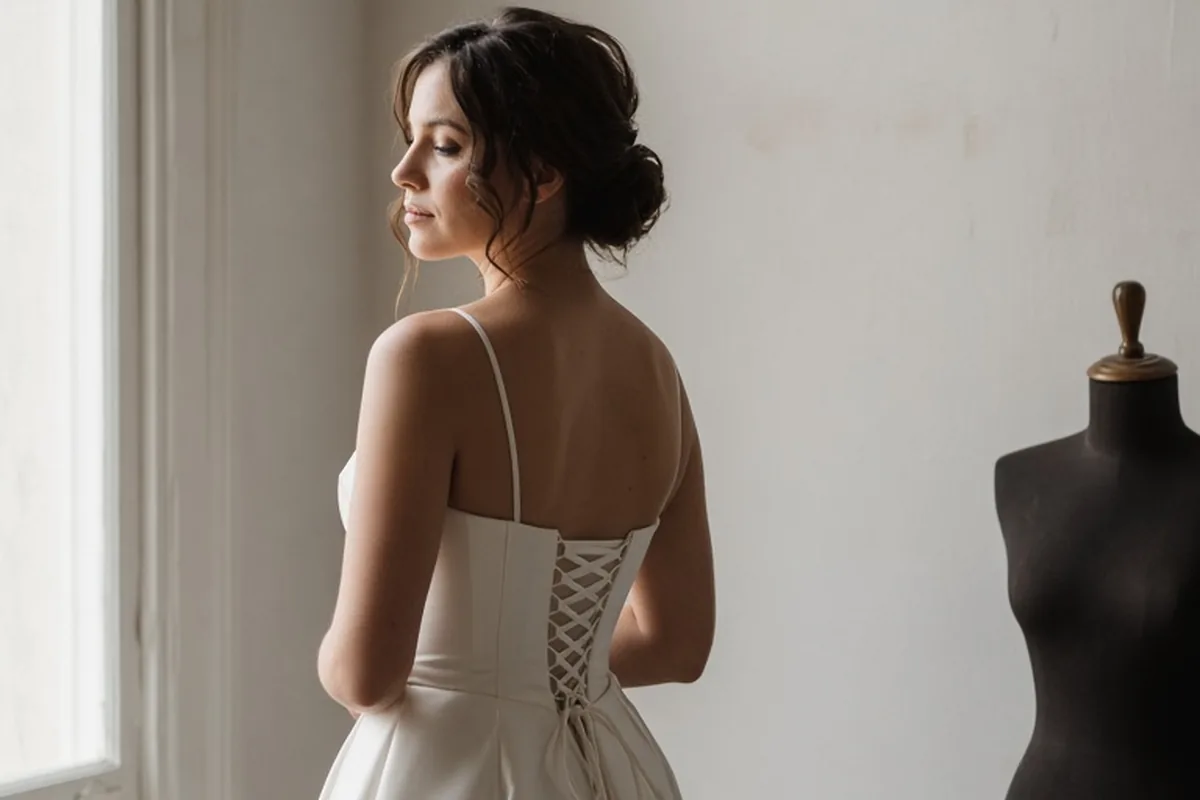
Wedding dress alterations alternatives allow you to bypass extensive custom tailoring through made-to-measure bridal designers, adjustable corset backs, ready-to-wear separates, designer gown rentals, and specialized foundation undergarments. Choosing styles tailored precisely to your measurements at production or selecting flexible silhouettes with wrap closures, modular separates, and elasticated waistbands minimizes or completely removes the need for expensive structural reconstruction, shortening turnaround times while preserving design integrity and staying within your wedding budget.
Traditional bridal purchasing often assumes an unavoidable second phase: taking a standard sample size to a seamstress for costly, time-consuming deconstruction and rebuilding. Exploring viable alternatives before ordering your gown can protect your schedule, eliminate unexpected fitting fees, and keep your wedding wardrobe decisions straightforward.
Made-to-Measure Bridal Brands That Cut Fabric Directly to Your Proportions
One of the most direct alternatives to post-purchase wedding dress alterations is purchasing from bridal designers and direct-to-consumer labels that cut garments directly to your unique body measurements. Traditional bridal salons operate by matching your widest circumference against a standardized manufacturer size chart, routinely forcing brides to purchase one or two sizes up to accommodate a single measurement like the hips or bust. This legacy retail practice virtually guarantees the need for extensive bodice tapering, waist shortening, and skirt recutting once the dress arrives in store.
In contrast, made-to-measure studios solicit comprehensive profile measurements, including your hollow-to-hem length, bust apex, underbust, waist, torso length, and preferred heel height before pattern cutting begins. Because the garment is constructed around your physical proportions rather than graded down from a stock pattern, structural elements like boning channels, armscye depths, and seam placements align naturally with your posture. When choosing this pathway, verify whether the company includes minor adjustments in their initial pricing structure, confirm who is responsible for taking the initial measurements, and ask how the maker accommodates small posture variations or production tolerances across different textiles.
Lace-Up Corset Backs and Adjustable Closures That Adapt Without Sewing
If you want to sidestep precise structural tailoring on a traditional wedding gown silhouette, choosing or adding an adjustable closure system offers exceptional flexibility. Gowns constructed with lace-up corset backs eliminate the rigid fit requirements of modern hidden zippers, which demand an exact match down to a fraction of an inch to zip cleanly without gaping or pulling across delicate seam allowances. A lace-up panel utilizes a modesty flap beneath crisscrossed satin or velvet lacing, allowing the wearer to expand or compress the torso fit by several inches whenever desired.
This dynamic adaptability makes adjustable closures an ideal alternative for brides facing unpredictable timelines, shifting personal fitness routines, or medical fluctuations in water retention. Beyond full lace-up backs, look for bridal designs featuring wrap bodices, tie-shoulder straps, elasticized internal waist stays, and hook-and-eye plackets built with multi-row settings. These elements absorb dimensional variance around the ribs and bustline without altering the dress architecture, ensuring a supportive, contoured silhouette on the wedding day without an appointment at an alteration salon.
Bridal Separates and Coordinated Suiting Built on Standard Ready-to-Wear Sizing
Bridal separates, including coordinated tops, skirts, overskirts, tailored trousers, and bridal blazers, provide an adaptable alternative to single-piece wedding gowns that often require extensive bodice and hip rebalancing. When a full-length gown fits comfortably across the shoulders but restricts movement at the hip line, a seamstress must split side seams, reset zippers, and potentially disrupt intricate hand-beading or continuous lace appliques. Separates solve this proportional mismatch naturally by letting you buy a top in one standard size and a skirt or trouser in an entirely different size.
Additionally, separates open up vast sizing flexibility that matches familiar street-clothing parameters rather than archaic couture numbering systems. An elasticated silk skirt waistband or an unboned camisole top accommodates normal movement with minimal fuss, whereas structured one-piece ballgowns resist natural changes in posture. Combining separate pieces also allows you to repurpose components for future formal occasions, effectively spreading out garment value while circumventing the complex bustle setups and skirt-shortening challenges inherent in multi-layered ceremonial trains.
Designer Wedding Dress Rentals With Included Styling and Basting Services
Renting a luxury wedding dress provides direct access to high-tier designer styling while removing the obligation and financial burden of paying for permanent structural tailoring. Traditional bridal shops forbid modifications prior to outright purchase, placing full risk on the customer if a gown fails to drape cleanly. Rental companies, however, design their business model around versatile, forgiving silhouettes and frequently provide temporary, non-damaging adjustment services handled by in-house technicians prior to dispatch.
These adjustment techniques typically involve professional basting, delicate micro-tacking, snaps, and temporary hem adjustments using reversible, fabric-safe adhesives or loose tension stitching that leaves no needle marks on silks or tulles. Because permanent cuts to the fabric are prohibited in rental contracts, rental platforms curate collections specifically engineered with flexible stretch crepes, forgiving bias cuts, and adaptable internal support systems. If you pursue rental as an alternative, always examine the platform terms to understand what temporary pinning is permitted, whether backup sizes are sent automatically, and how accidental fabric tension is handled under rental insurance policies.
High-Performance Foundation Garments to Shape the Silhouette Non-Invasively
Before committing to invasive tailoring to take in loose fabric, eliminate back gapes, or lift a low neckline, investing in dedicated bridal foundation garments can address fit discrepancies without a single stitch. Minor bodice looseness, slight fabric pooling over the waist, or cup fullness issues are often an undergarment balance problem rather than an issue with the dress pattern itself. Modern longline corsetry, seamless bonded bodysuits, and medical-grade silicone lift systems can reposition soft tissue and stabilize torso posture to fill out a gown's existing lines naturally.
To test this alternative method, obtain professional bra fittings and explore shapewear specifically tailored for wedding wear, including backless contour bodysuits, adhesive support wings, and waist cinchers with flexible spiral steel boning. Changing the height or firmness of your undergarments can instantly elevate how a gown sits over the chest and ribs, eliminating puckering along the neckline. Similarly, selecting specialized bridal petticoats, crinolines, or mermaid underskirts with graduated ruffles can lift a slightly long skirt off the floor by spreading the skirt volume outward, potentially bypassing a costly multi-layered hem shortening service.
Pre-Owned Wedding Dresses with Preserved, Documented Custom Fit Profiles
Browsing the secondary bridal market for pre-owned, sample, or consignment dresses presents a unique alternative: acquiring a gown that has already undergone master tailoring to solve common fit challenges. In standard salon orders, brides pay full retail price for raw manufacturer sizing, followed by a second substantial bill to shape the armholes, shorten the hem, and install an elaborate bustle system. When buying second-hand, you can search for sellers whose physical height, bust measurements, and posture match your own, acquiring an expertly adjusted gown at a fraction of initial fabrication expenses.
When browsing secondary marketplace listings, prioritize sellers who share clear, unedited alteration logs rather than basic original retail tags. Look for listings that detail the exact altered hem length, the bride's barefoot height plus specific wedding shoe heel elevation, and the precise mechanical style of the bustle installed, such as an over-bustle, under-bustle, or ballroom tie configuration. Having these structural details documented in advance allows you to select a gown that is already finished and structurally stable, removing guesswork and scheduling stress entirely.
Strategic Shoe Elevation and Accessories to Solve Wedding Skirt Length Issues
Hemming is frequently the single most labor-intensive and unpredictable portion of bridal alterations, especially on skirts that incorporate horsehair braid, scallop-edged border lace, or dozens of gathered horsehair tulle tiers. Reconstructing these hem finishes requires dismantling the entire skirt from the waist down or painstakingly hand-cutting and reapplying motifs around the lower perimeter. A straightforward non-invasive alternative to skirt tailoring is adjusting your vertical height through footwear choices and under-skirt foundation accessories.
Experimenting with platform bridal shoes, varying heel blocks, or internal orthopedic heel lifts allows you to tune your eye-to-ground height to match the gown's factory hemline precisely. A one-inch or two-inch platform shoe can preserve comfort while lifting delicate hem laces completely off the ground to avoid tripping hazards. Pairing footwear adjustments with a subtle A-line hoop skirt or tulle trumpet crinoline expands the lower bell of the skirt laterally, which automatically pulls excess vertical fabric up and outward away from the floor, bypassing structural hem tailoring entirely.
Frequently asked questions
Can every wedding dress style support a corset back conversion?
Most gowns with existing side seams and adequate structural boning can support a corset back conversion, but completely backless or illusion-mesh gowns generally cannot. Gowns with delicate zipper placements along transparent lace require sufficient side-seam anchoring to handle the lateral tension exerted by tightened lacing.
How do rental companies handle wedding dress length if hemming is forbidden?
Rental services typically stock standard lengths designed for specific height bands worn with moderate heels, and they often allow non-permanent tailor tape or temporary basting stitches. Additionally, bridal rental stylists recommend using underskirt petticoats to flare the skirt outward, naturally raising the hem off the floor without cutting the fabric.
Will using foundation garments or shapewear completely replace dress tailoring?
High-performance shapewear can eliminate minor fit issues such as slight bodice looseness, mild gaping, or uneven drape over the hips. However, foundation garments cannot fix extreme length mismatches, gaping armholes, or a dress that is more than one full size away from your frame.
Is buying a made-to-measure gown always more economical than standard sizing plus alterations?
Made-to-measure gowns typically carry a higher initial retail purchase price than off-the-rack mass-production garments, but they often eliminate the separate secondary invoice for bodice and hem reconstruction. Total overall savings depend on your local tailoring rates and the complexity of the fabric finishes on the gown you select.
Your next step
Take your precise bust, waist, hip, and hollow-to-hem measurements with a soft measuring tape while wearing your planned wedding footwear, then compare those numbers directly against made-to-measure designers or modular separates before signing a non-refundable salon contract.