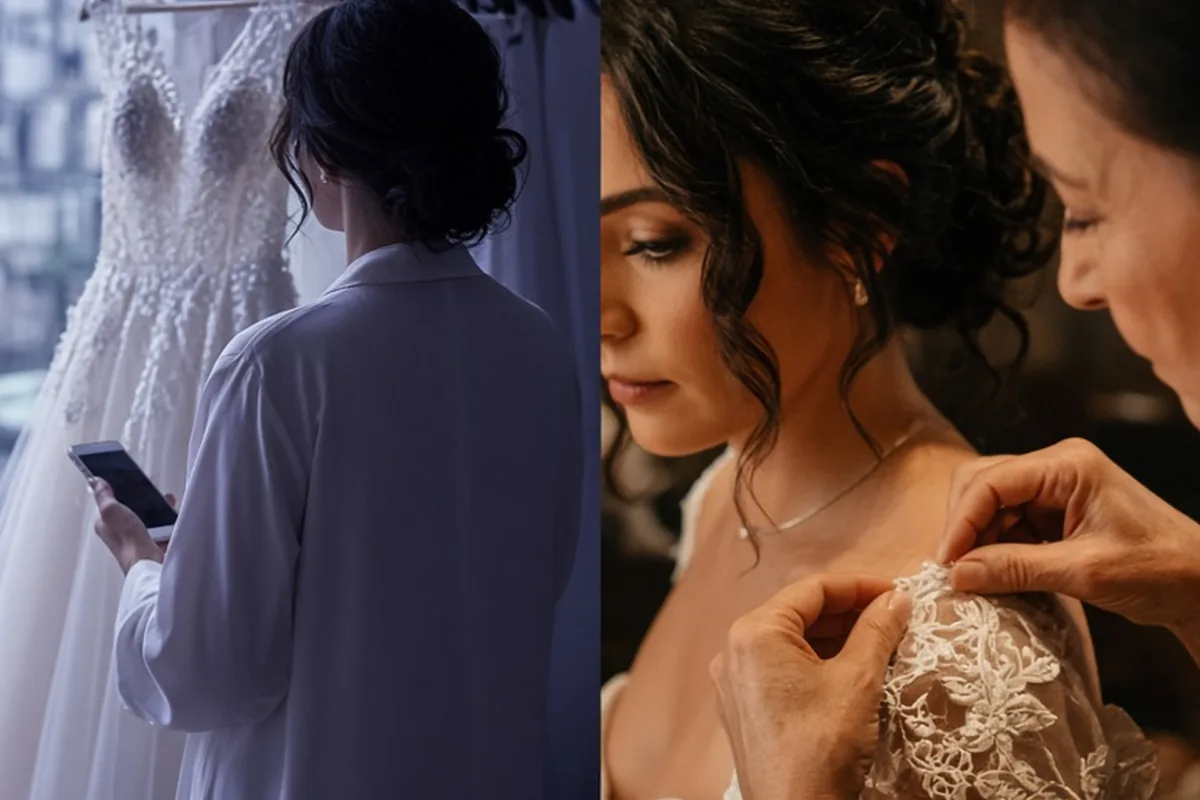
Wedding dress alterations by location depend primarily on regional labor markets, local fabric specializations, and proximity to your event venue. Major metropolitan areas provide access to specialized couture ateliers but often experience compressed seasonal schedules and higher hourly rates, whereas smaller regional markets may have fewer bridal specialists. Sourcing alterations locally requires evaluating whether to complete all fittings near your residence or near your wedding destination to prevent transit creasing, structural shifts, and emergency fitting complications.
Securing the right seamstress or tailor is one of the most critical steps in the bridal preparation process, as an off-the-rack or custom gown almost always requires precise tailoring to fit individual proportions.
Metropolitan Hubs Versus Regional Markets for Wedding Dress Alterations
The geographic market where you book your bridal alterations dictates the volume of specialized tailors available, the scheduling turnaround times, and the prevailing local labor pricing. In large metropolitan areas, the sheer density of bridal boutiques creates a competitive ecosystem of independent alteration ateliers, custom dressmakers, and high-end couture specialists. These urban specialists frequently handle intricate design modifications, such as reconstructing illusion bodices, resetting delicate French lace, or modifying complex multi-layered ballgown skirts. However, urban studios often operate at peak capacity during popular seasonal cycles, requiring brides to reserve fitting slots months in advance to avoid expedited production fees.
In suburban and smaller regional markets, the landscape shifts toward trusted neighborhood tailors, full-service dry cleaners with tailoring wings, or regional bridal salons offering in-house services. While regional tailors often provide more flexible scheduling and personal attention, they may encounter fewer niche gown constructions, such as internal corsetry with structural boning or heavy architectural micro-pleating. If you live in a less populated area and purchase an intricately beaded or structurally complex gown, you may need to evaluate whether to use a local generalist or travel to an adjacent metropolitan center with dedicated bridal alteration studios.
In-House Boutique Tailoring Versus Independent Local Seamstresses
Bridal boutiques often offer in-house alteration packages or recommend exclusive affiliated tailors directly at the point of sale. Utilizing an in-house boutique tailor provides a seamless chain of custody for your gown, as the dress arrives directly from the manufacturer into the boutique storage room without requiring you to transport it between studios. In-house fitters are intimately familiar with the specific designer collections their salon carries, meaning they know the exact seam allowances, internal construction methods, and fabric tolerances of those specific labels.
Hiring an independent local seamstress gives you greater control over vendor selection and often allows for more customized pricing based strictly on individual alterations rather than standardized flat-rate salon packages. Independent bridal tailors frequently work out of dedicated private studios where appointments are one-on-one, providing an environment free from the retail floor bustle. When selecting an independent tailor, it is essential to verify that their studio is climate-controlled, smoke-free, and equipped with industrial pressing tables and specialized bridal sergers rather than domestic sewing machines.
Destination Wedding Logistics: Altering Locally Versus Near the Venue
Couples hosting weddings in different cities, states, or countries face a key logistical choice: completing all alterations where they reside or hiring a tailor located near the celebration venue. Completing fittings locally is generally the preferred approach for complex structural work because the fitting timeline typically spans three to four distinct sessions over several months. Local fittings allow you to assess the dress after weight fluctuations, bring your exact wedding footwear and undergarments to every appointment, and address nuanced hemline adjustments in person without incurring repetitive travel expenses.
However, scheduling final preparation services near your wedding destination remains a necessary secondary step. Transporting a fitted gown across long distances by car or airplane inevitably introduces fabric creasing, rumpling, and compression to internal crinoline layers. Establishing a relationship with a professional bridal presser or day-of seamstress located at your destination ensures that the gown can be professionally steamed, inspected, and minor transport issues resolved immediately prior to the ceremony.
Tailoring for Specific Climate, Altitude, and Environmental Conditions
Geographic settings introduce environmental variables that directly influence how a wedding gown should be tailored. For outdoor ceremonies in humid, coastal, or tropical regions, heavy internal petticoats, synthetic linings, and dense multi-layered tulle can trap significant body heat. Tailors working in these environments often suggest modifying the inner lining to breathable silk or lightweight rayon, reducing unnecessary structural crinoline, or adding discreet hidden hooks to lift substantial train volume off sandy or moist ground.
Similarly, ceremonies held in mountain destinations or uneven outdoor terrains require customized hemline considerations. In traditional ballroom settings, a standard floor-grazing hem sits approximately one inch above the ground across flat, polished flooring. For outdoor ranch, vineyard, or alpine venues where ground surfaces consist of grass, flagstone, or gravel, tailors typically recommend raising the front hemline slightly higher to prevent catching, snagging, or collecting outdoor debris during movement.
Understanding Local Labor Rates and Billing Structures
The cost structure for bridal alterations varies significantly depending on local commercial rent overhead, regional artisan labor wages, and how individual studios structure their pricing. Some studios utilize a flat-tier package system that bundles standard adjustments—such as shortening the hem, taking in the side seams, and constructing a basic three-point bustle—into one upfront cost. Other studios bill entirely à la carte, charging separate fees for every seam opened, lace applique relocated by hand, cup inserted, or bustle point engineered.
To prevent unexpected budget increases, request an itemized written quote during your initial fitting appointment before any fabric is cut or pinned permanently. When reviewing the estimate, ask whether the quote covers all subsequent fitting rounds and final steam pressing, or if each adjustment round incurs an additional hourly rate. Sourcing quotes from multiple local providers can help you gauge the fair market range for your specific gown complexity within your geographic area.
Coordinating Multi-City Alteration Schedules and Moving Across Locations
Relocating for work or personal reasons during an active wedding planning timeline can complicate alteration scheduling. If you must begin alterations in one city and finalize them in another, transparent communication between both tailoring providers is essential. Request that the initial seamstress document the exact modifications completed, record seam allowance measurements, and avoid trimming excess interior fabric so that a secondary tailor in your new location retains sufficient material to make final adjustments.
When transferring a gown mid-alteration, always transport the gown in a breathable, acid-free fabric garment bag rather than a synthetic plastic bag, which can trap humidity and cause chemical discoloration on delicate silks and tulles. Keep all removed fabric remnants, extra designer lace appliques, and spare matching buttons in a labeled pouch inside the garment bag so the subsequent professional has the materials needed to finish the work.
Evaluating Local Bridal Tailor Portfolios and Verification Steps
Before entrusting your wedding dress to a local professional, conduct a thorough vetting process to confirm their technical competency with bridal-grade textiles. Request to see direct photographic evidence of past projects that share construction elements with your dress, such as horsehair braid hems, beaded French lace overlays, sheer mesh bodices, or complex bustles. A skilled bridal tailor should readily explain the mechanics of how they plan to shorten your specific hem without destroying border lace motifs or compromising the natural drape of the skirt.
Additionally, verify the studio's operational policies regarding liability, secure storage, and timeline guarantees. Confirm whether the studio maintains commercial liability insurance to cover accidental damage or loss while the gown is in their care. A reputable tailor will provide a clear written contract establishing a guaranteed delivery date that leaves at least two to three weeks of buffer time before your actual wedding date or departure travel.
Illustrative Scenarios
Coordinating Alterations Across Two States
A bride purchased an intricate crepe gown featuring a long lace train in her home city but hosted her wedding in a mountainous coastal region 800 miles away. She completed three major structural fittings locally to tailor the bodice, take in the hips, and construct a five-point French bustle. Two days prior to the wedding, she transported the garment in a breathable travel bag and utilized a pre-booked local bridal specialist near the venue for final professional steaming and an on-site fit check.
Key point: Completing structural adjustments locally allows for consistent fitting oversight, while booking local steaming services near the venue ensures the gown arrives at the ceremony without travel wrinkles.
Frequently asked questions
How many fitting appointments are typically required for wedding dress alterations?
Most standard bridal alterations require three to four separate fitting sessions spaced over two to three months. The initial fitting focuses on structural pinning, the second fitting checks seam adjustments and bustle placement, and the final fitting confirms the exact hemline with your shoes and undergarments.
What should I bring to my local wedding dress alteration appointments?
You must bring the exact shoes you plan to wear during the ceremony, along with any specific undergarments, shapewear, and bust cups. Even a minor quarter-inch variation in heel height or a change in bra construction can alter the hemline drape and bodice fit.
Can any local tailor alter a bridal gown?
While general tailors are skilled in suits and everyday garments, bridal gowns feature internal corsetry, delicate lace motifs, delicate illusion mesh, and multi-layered hems that require specialized bridal equipment and techniques. It is best to choose a professional with demonstrated bridal experience.
Your next step
Schedule an in-person consultation with a specialized bridal tailor in your area at least three to four months before your wedding date, bringing your ceremony shoes and undergarments to receive an itemized quote.