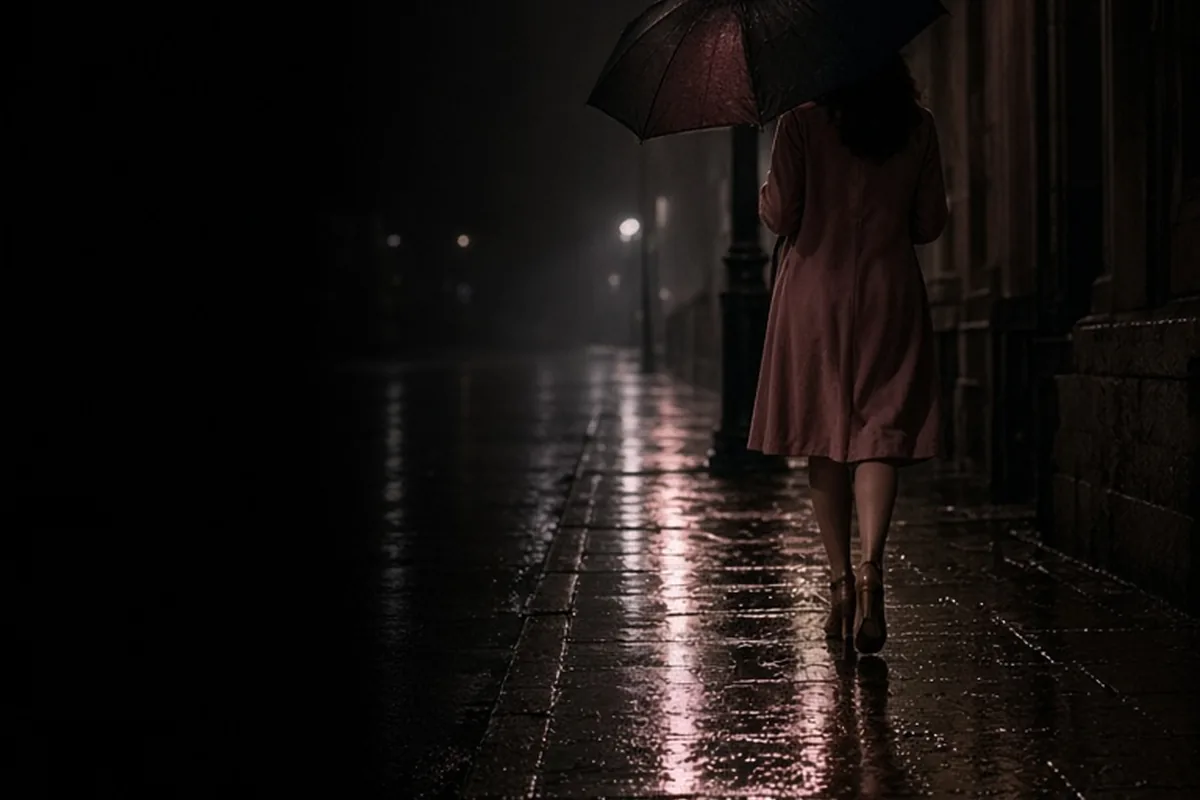
To write wedding dress code wording by location, state the standard attire tier alongside concise, practical notes about the venue environment, terrain, and climate. Place a brief one-line cue on your formal invitation details card and expand with full footwear, layering, and transport details on your wedding website. For example: "Cocktail Attire: Our ceremony takes place on an open lawn; chunky heels, wedges, or flats are strongly encouraged over stilettos."
Wedding dress codes guide guests toward the appropriate level of formality while protecting them from preventable discomfort caused by local climate and physical terrain. When guests do not understand how a venue's setting interacts with their clothing choices, they risk ruining delicate footwear in damp turf, shivering through outdoor speeches, or sweating through heavy formal layers.
Structuring Attire Notes for Lawns, Gardens, and Uneven Outdoor Terrain
Outdoor settings such as botanical gardens, private backyards, and working vineyards require specific wording that balances elevated formality with physical ground realities. Grass, soft soil, loose gravel, and uneven flagstones make traditional stiletto heels sink into the earth and cause tripping hazards. When crafting wording for garden or lawn celebrations, your primary responsibility is to pair your desired formality level with a straightforward footwear recommendation so guests can plan without second-guessing their shoe choices.
On your paper enclosure card, keep the instruction direct and unobtrusive, such as: "Garden Cocktail Attire: The ceremony and reception will be held outdoors on grass. Block heels, wedges, or dressy flats are recommended." On your wedding website, expand on the site layout to clarify how much walking is required between spaces. Detail whether the reception moves to a paved patio, whether sun protection like wide-brimmed hats or sunglasses is welcome during an unshaded ceremony, and what happens in the event of damp evening turf.
Setting Expectations for Historic Estates, Manors, and Stone Courtyards
Historic properties, European-style villas, and stone manor houses present unique logistical considerations because they frequently feature historic masonry, unlevel cobblestone pathways, and strict preservation guidelines. Many historic estates prohibit narrow metal-tipped heels to protect antique parquet floors, or they feature historic outdoor courtyards that become drafty after dark due to thick stone walls and shaded exposures.
To communicate these parameters gracefully, frame the instructions around personal comfort and site appreciation rather than rigid restrictions. A helpful phrasing template reads: "Semi-Formal / Black Tie Optional: Please note that our cocktail hour takes place on a historic stone courtyard with uneven flagstones. Comfortable dress shoes, sturdy heels, and light evening wraps are encouraged for moving throughout the grounds." On the website FAQ, clarify whether indoor rooms lack modern central climate control, prompting guests to bring tailored blazers, structured cardigans, or silk shawls for evening room transitions.
Drafting Ballroom, Urban Loft, and Downtown Black-Tie Venue Phrasing
Metropolitan venues such as hotel ballrooms, historic banks, private clubs, and modern warehouse lofts generally feature polished hardwood, poured concrete, or plush carpeting alongside full climate control. For these environments, location-based attire wording should focus on clear formal definitions, arrival transit logistics, and indoor heating or cooling considerations rather than terrain warnings.
Because urban venues often have dedicated coat check facilities and flat walking surfaces, couples can comfortably request traditional Black Tie, Black Tie Optional, or Formal attire. An effective wording structure for an invitation card is: "Black Tie: Tuxedos and floor-length evening gowns are requested for our indoor celebration." On your wedding website, add practical city guidance, including parking garage access, valet drop-off spots, and whether the venue requires walking a block from an off-site ceremony location, which alerts guests to bring street walking shoes or arrange direct ride shares.
Adapting Dress Codes for Coastal, Beach, and Waterfront Settings
Waterfront celebrations range from casual seaside gatherings on soft sand to polished yacht club dinners on open harbor docks. The primary environmental factors for coastal weddings are ocean breezes, reflective sun, humid air, and sand accumulation inside footwear. If the dress code is left open-ended, some guests will arrive in beach casual shorts and flip-flops while others struggle in structured polyester suits and trailing hemline dresses that drag through wet sand.
To establish the right tone, specify the breathable fabric styles and footwear accommodations clearly. For beach ceremonies followed by open-air tented dinners, use wording such as: "Beach Formal: Lightweight suits in linen or breathable blends, linen shirts, and midi or maxi dresses in airy fabrics. Our ceremony will take place directly on the sand; shoe check and brush stations will be provided at the entrance." On your digital details page, inform guests whether bare feet are welcome for the ceremony, whether ties are optional, and whether an ocean breeze makes a pashmina or light sport coat advisable once the sun sets.
Crafting Mountain, Winter Lodge, and High-Altitude Dress Code Notes
Mountain retreats, alpine ski lodges, and high-altitude ranches demand special wording because temperatures can drop thirty degrees Fahrenheit between an afternoon ceremony and an evening reception. In addition, thin mountain air increases sun exposure during the day, while snowpack, gravel access roads, and timber staircases create slick footing that requires practical outerwear transitions.
Your dress code phrasing should actively encourage deliberate layering and warm outer garments without diminishing the celebratory spirit. A clear phrasing example is: "Mountain Chic / Elevated Semi-Formal: Warm dress layers, tweed, wool blazers, velvet, and dress boots are encouraged. The ceremony will be held outdoors overlooking the valley, followed by an indoor fireside reception." Your website details section should explicitly advise guests to bring a heavy winter coat for transport, suggest thermal undergarments for outdoor photo opportunities, and confirm that secure coat check services will be available upon entering the lodge.
Balancing Rustic Barns, Working Ranches, and Agricultural Venues
Barn and ranch weddings present a common etiquette dilemma: couples often desire a refined cocktail or semi-formal aesthetic, but guests may interpret the word "barn" as an invitation to wear distressed denim, graphic t-shirts, or work boots. Conversely, guests who overdress in delicate silk gowns and patent leather dress shoes may find themselves navigating dirt parking lots, wood shavings, and unpaved pathways with frustration.
Clear, descriptive terminology bridges this gap effectively. Use phrases like "Rustic Formal" or "Country Cocktail" backed by specific examples of what to wear and what to leave at home. For example: "Dressy Casual / Western Cocktail: Suits, dress slacks with blazers, and cocktail dresses paired with boots or sturdy footwear. Please note that our dinner and dancing take place in an open-air timber barn with gravel pathways." On your website, clarify that while cowboy boots and dress denim with sport coats are welcome, athletic wear and worn work clothes are not suited for the event.
Dividing Details Between Printed Stationery and Wedding Websites
A common mistake in wedding planning is attempting to print extensive location-specific explanations directly onto traditional invitation cards. Overcrowded stationery looks cluttered and diminishes visual clarity. The most effective approach relies on a two-tier information architecture: print concise terminology on the invitation enclosure card, then host comprehensive venue guidance, visual guides, and environmental FAQs on your dedicated wedding website.
Your printed card should contain only the baseline dress code tier and a single line noting the environment, such as: "Cocktail Attire / Outdoor Ceremony and Reception." Include a clean URL or scannable QR code directing guests to the site's details tab. On the website, create a dedicated "Attire & Venue Guide" section where you can list specific bullet points covering terrain conditions, indoor-outdoor flow, anticipated weather ranges, footwear recommendations, and direct advice on modesty requirements for religious ceremony spaces.
Handling Multi-Site Weddings, Religious Spaces, and Modesty Requests
When a wedding spans multiple locations—such as a solemn ceremony in a house of worship followed by an energetic outdoor reception—guests need clear expectations for both segments. Houses of worship may enforce modesty rules regarding exposed shoulders, plunging necklines, or bare legs, while some cultural or religious traditions require removing footwear or covering one's head before entering the sanctuary.
Address these requirements respectfully and proactively so no guest feels singled out or unprepared at the sanctuary doors. On your website, provide an explicit breakdown: "Ceremony Attire: Out of respect for the cathedral, shoulders and knees must be covered during the service. Shawls will be provided at the entrance for convenience. Reception Attire: For our garden reception following the service, feel free to remove extra layers and switch into comfortable block heels or flats for lawn games and dancing."
Frequently asked questions
Where should the dress code wording appear on a traditional wedding invitation suite?
Place the dress code in the lower-right corner of the main invitation card only for formal Black Tie affairs. For all other dress codes, print the line on a separate enclosure or details card, accompanied by your wedding website link where guests can read detailed terrain and weather notes.
How do you politely tell wedding guests not to wear high heels on grass or sand?
Focus on their personal comfort and safety rather than issuing a strict rule. Use phrasing such as: "Our ceremony is set on open lawn; for your comfort, block heels, wedges, or dressy flats are recommended over thin stilettos."
Can I invent custom dress code terms like 'Desert Chic' or 'Nautical Elegance'?
Custom terms can add personality, but they often confuse guests if used alone. Always anchor your creative phrasing with a recognized standard tier, such as: "Desert Cocktail: Lightweight suits, midi dresses, and breathable fabrics suitable for a warm outdoor sunset celebration."
What should we do if our ceremony and reception have drastically different temperatures?
Explain the transition directly on your wedding website FAQ. State the daytime ceremony temperature, expected evening low, and whether heating lamps, fire pits, or blankets will be provided, advising guests to bring a coordinating light jacket or wrap.
Your next step
Review your venue contracts to confirm all surface materials and climate control limits, then draft a one-line attire summary for your paper details card and publish a comprehensive footwear and weather FAQ on your wedding website.