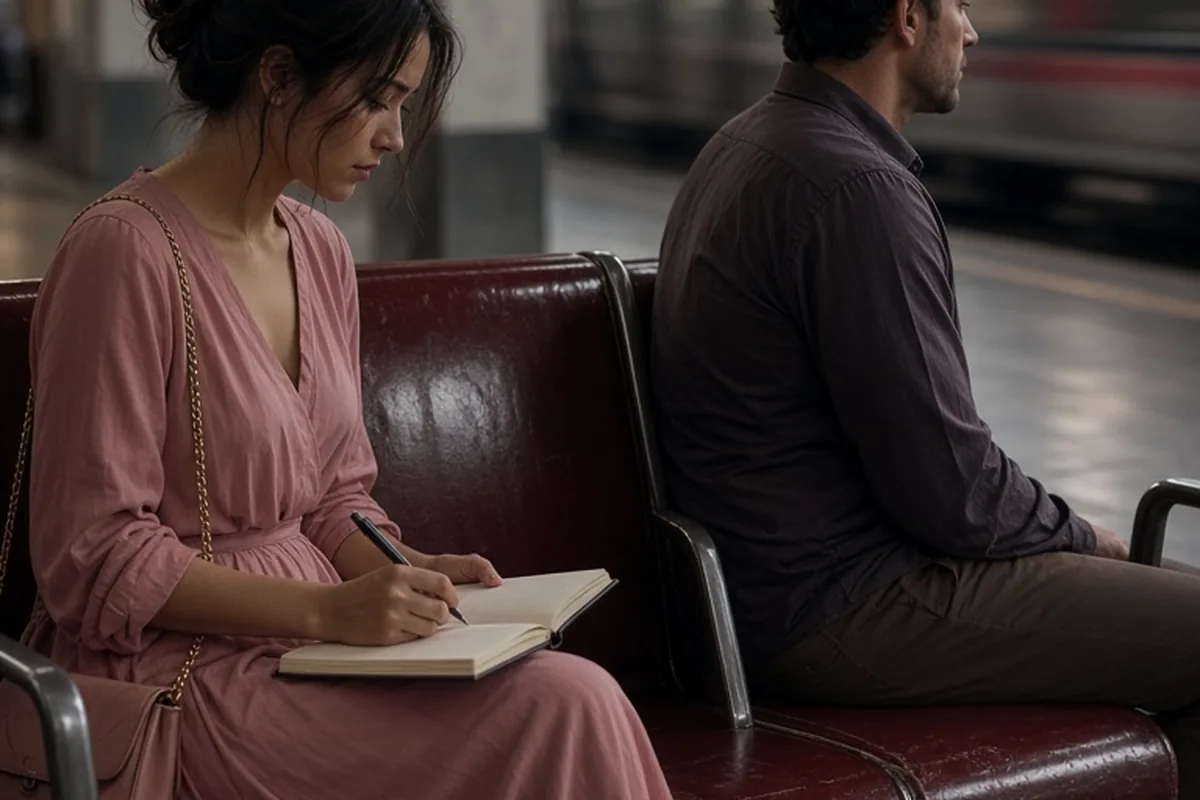
Clear wedding dress code wording informs guests of attire expectations on invitations and wedding websites using recognized formality tiers paired with brief practical notes. Concurrently, a wedding dress payment schedule organizes boutique or custom gown expenses into defined contractual milestones: an initial production deposit upon ordering, an interim installment upon gown delivery or first fitting, and a final settlement prior to alterations release. Aligning guest attire clarity with bridal party payment expectations prevents logistical friction and financial surprises.
Coordinating wedding attire involves two interrelated challenges: communicating guest expectations with precision and managing the contractual payment milestones associated with formalwear production. Whether drafting enclosure cards for invitations or navigating designer billing terms, clear language and transparent payment tracking ensure that both guests and wedding parties navigate attire decisions smoothly.
Standard Wedding Dress Code Wording for Invitations and Websites
Specifying dress codes requires standardized etiquette phrasing so guests immediately understand the expected level of formality. For invitation suites, place the dress code in the lower right-hand corner of the main invitation card or on a dedicated details card. Using established terminology avoids ambiguity. For black-tie affairs, state 'Black Tie' directly, which signals tuxedos with bow ties for men and floor-length evening gowns for women. If you prefer flexibility while encouraging high formality, 'Black Tie Optional' or 'Formal Attire' communicates that dark suits and formal cocktail dresses are fully acceptable alternatives to tuxedos and ballgowns.
For daytime or semi-formal celebrations, clarity prevents over-dressing or under-dressing. 'Cocktail Attire' invites knee-length, tea-length, or midi dresses alongside tailored suits. 'Semi-Formal' or 'Dressy Casual' signals that collared shirts, blazers, dress slacks, and daytime dresses are appropriate, while casual fabrics like denim, athletic wear, and t-shirts remain excluded. On your wedding website, expand these short phrases into two or three sentences of clarifying context. Provide concrete examples of acceptable fabrics and silhouettes to eliminate guesswork for guests unfamiliar with traditional formalwear vocabulary.
Nuanced Attire Guidance for Outdoor Settings and Cultural Traditions
Environmental realities and cultural contexts warrant specific practical guidance without compromising formal etiquette. If your ceremony or reception occurs on lawn turf, uneven flagstone, or oceanfront sand, provide functional advice regarding footwear on your digital wedding details page. Wording such as 'The ceremony will take place on an outdoor lawn; block heels, wedges, or dressy flats are strongly encouraged over stilettos' prevents footwear damage and guest discomfort.
Similarly, ceremonies held in traditional religious venues or multicultural environments may require specific modesty standards, head coverings, or color protocols. Frame these requests courteously by emphasizing venue norms. You might write: 'Out of respect for our sacred ceremony space, shoulders and knees should be covered during the service; lightweight wraps or shawls will be available upon arrival.' If cultural customs suggest avoiding certain colors, such as white, cream, or bright red, clearly explain this on the website FAQ section rather than the printed invitation, framing the guideline around honoring family traditions.
Bridal Party Dress Costs and Transparent Financial Communication
Expectations surrounding wedding party attire can generate interpersonal tension when financial boundaries remain undefined. In North American wedding tradition, attendants commonly pay for their own dresses or suits, alterations, and accessories, while the hosts sometimes choose to cover hair, makeup, or attire gifts. Because financial circumstances vary among bridal party members, initiate the wardrobe selection process with an anonymous budget survey or a private, one-on-one conversation before presenting specific dress options.
When communicating dress requirements to bridesmaids or attendants, transparency must accompany aesthetic direction. When sending style choices, specify the brand, color code, fabric finish, and order deadline alongside the retail price. If you require a specific designer line to maintain uniform dye lots, state the ordering lead time and any available promotion windows. A thoughtful written update might read: 'We have selected this floor-length chiffon dress in Desert Rose. Please place your order by October 15 to ensure timely manufacturing and delivery before our first fittings in March.' This approach respects personal budgets and keeps the manufacturing timeline on track.
Structuring Custom Wedding Gown and Boutique Payment Schedules
Purchasing a wedding gown through a specialized bridal boutique or commissioning a custom designer requires a structured payment schedule tied to concrete procurement milestones. Unlike standard off-the-rack retail, bridal salons place custom-ordered gowns into production with international mills or designers only after receiving contractual commitment and capital. Standard boutique contracts typically divide payments into two to three distinct installments, beginning with an initial non-refundable deposit upon taking measurements and signing the purchase agreement.
The second milestone typically occurs when the finished gown arrives from the manufacturer at the boutique, prior to the commencement of any alterations. Salons generally require the remaining merchandise balance to be settled in full before the dress leaves the showroom or moves to the sewing room. For fully custom couture gowns built from sketch to silhouette, payment schedules frequently involve three or four phases: a design retainer, an installment upon muslin mock-up approval, a fabric procurement milestone, and a final payment after the hand-finishing fitting. Ensure your contract explicitly states what happens if manufacturing delays occur.
Alteration Payment Timelines, Rush Fees, and Hidden Tailoring Expenses
Alterations represent an independent service with its own operational billing schedule that is almost universally billed separately from the gown's retail purchase price. Professional bridal tailoring requires between two and four distinct fittings across an eight- to twelve-week period. Tailors frequently operate under two payment structures: a 50 percent labor deposit at the initial pinning fitting with the remaining balance due upon final pickup, or a flat-rate alterations package billed upfront during the first structural consultation.
Failing to account for auxiliary tailoring line items can disrupt your overall wedding budget. Customizations such as adding structural boning, reconstructing illusion necklines, building complex multi-point bustles, or adjusting hem lengths through delicate lace appliques involve specialized handwork. Clarify with your seamstress whether fees are calculated hourly, à la carte, or under a comprehensive alterations package. Request a written estimate of anticipated modification costs during your first pinning session before authorizing any fabric cuts, and inquire about rush charges if your timeline falls under six weeks.
Synchronizing Production Milestones With Invitation and Fitting Deadlines
A successful attire strategy demands synchronizing guest communication with vendor production schedules. Bridal gowns typically require six to nine months for standard manufacturing, followed by two to three months of scheduled fittings. Consequently, gown ordering must occur nine to twelve months prior to the wedding date. Parallel to this, save-the-date cards should be mailed six to eight months in advance, introducing guests to the event formality tier via your wedding website link long before formal invitations arrive.
Formal invitation suites, which carry the definitive dress code line, are traditionally mailed eight to ten weeks before the event date. This window directly mirrors the period when wedding party members must collect their attire and complete tailoring. By the time formal RSVPs arrive three to four weeks prior to the wedding, your gown balance, alterations installments, and attendant attire deliveries should be fully finalized. Establishing a master calendar containing both vendor payment due dates and invitation distribution milestones prevents last-minute manufacturing expedites and administrative stress.
Vendor Contract Protections, Receipts, and Attire Dispute Safeguards
A formal sales agreement is your primary legal protection when purchasing wedding attire or commissioning sewing services. When ordering a gown, inspect the purchase contract for explicit specifications including the designer name, style number, size ordered, verified bust-waist-hip measurements, hollow-to-hem length, and the agreed colorway. Ensure the expected salon arrival date is documented in writing rather than stated verbally, as factory production windows can fluctuate without notice.
Maintain thorough financial documentation by requesting itemized receipts for every deposit, fitting fee, and accessory purchase. Pay deposits using a credit card whenever possible, as consumer credit cards often offer formal dispute avenues in the event of vendor insolvency or non-delivery. In addition, examine contract clauses regarding dye lot variations, sample condition disclosures, cancellation remedies, and store closure protocols. If a boutique charges a cancellation fee or maintains a strict no-refund policy, understanding those parameters prior to tendering your initial payment protects your financial investment.
Frequently asked questions
Where should the dress code be placed on a printed wedding invitation?
The dress code is traditionally printed in the bottom right-hand corner of the main invitation card using small, understated lettering. Alternatively, if your invitation suite includes a separate reception or details card, you can feature the attire designation there alongside venue directions and accommodation details.
What is the standard payment percentage for a bridal gown deposit?
Most independent bridal boutiques and couture designers require a 50 percent non-refundable deposit at the time the order is signed and submitted to the manufacturer. The remaining 50 percent balance is usually due upon the gown's arrival at the salon, prior to the start of alterations or release of the garment.
Can I request that guests wear a specific color palette on the invitation?
Traditional etiquette discourages requiring guests to wear specific color schemes, as this can impose financial burdens. However, if you are hosting a themed event like an all-white celebration, you may state this politely on your wedding website with gentle wording such as: 'Guests are warmly invited to join our aesthetic by wearing shades of cream and white.'
What should I do if a bridesmaid misses an attire ordering payment deadline?
Contact the bridal party member directly via phone or in person rather than over a group chat. Inquire privately whether financial constraints or scheduling issues are causing the delay, explain the boutique's production cutoff date, and explore alternatives such as split payments or choosing an off-the-rack style in the same color.
Your next step
Review your bridal boutique and alteration contracts today to map each payment deadline and garment arrival milestone directly onto your planning calendar alongside invitation mail dates.