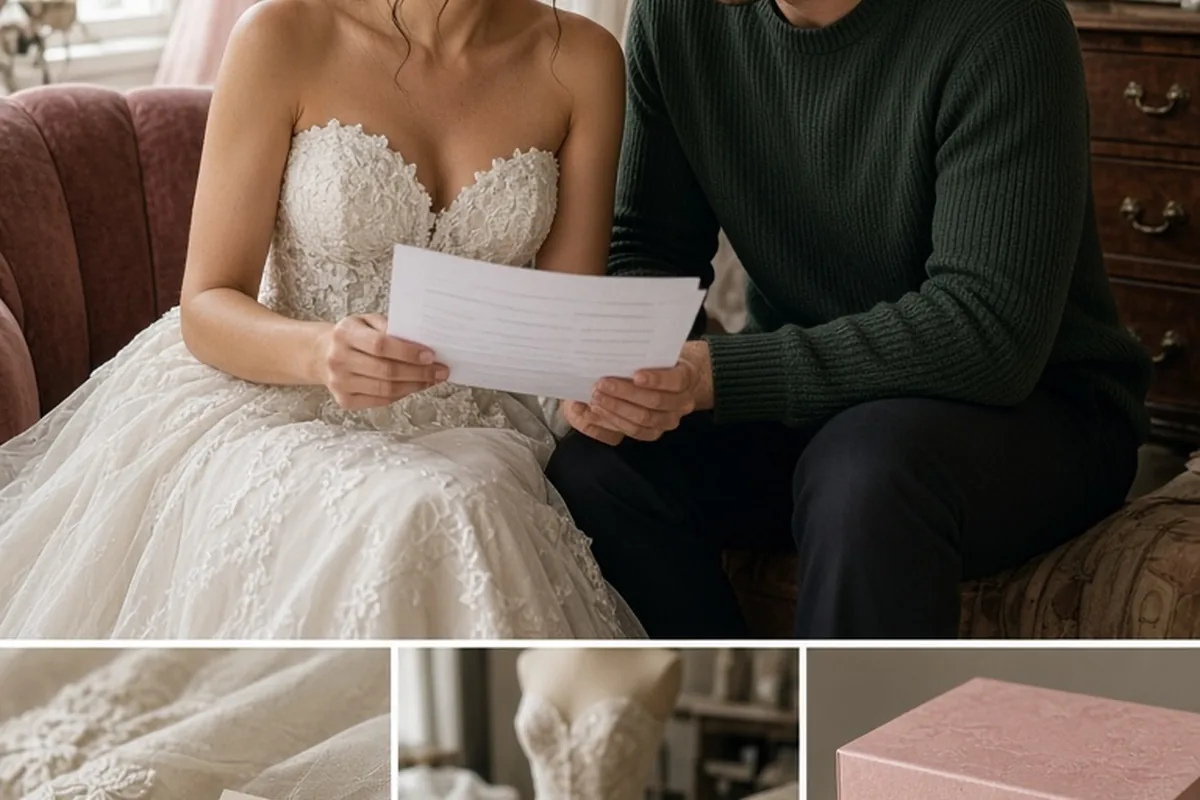
A wedding dress cost depends on designer tier, silhouette, fabric quality, and construction complexity, but the price tag on the hanger is only part of the final investment. Total expenses include professional alterations, specialized undergarments, veils, accessories, sales tax, shipping, and post-wedding preservation. To establish an accurate budget, set a spending ceiling for the gown itself and reserve a separate allowance for tailoring and finishing touches.
Stepping into a bridal salon often brings an overwhelming mix of excitement and surprise once you realize how bridal pricing actually works. Many shoppers fall in love with a particular design only to discover that the sticker price excludes several mandatory services and styling elements required to make the garment wearable on the wedding day.
Breaking Down the Total Expense Beyond the Gown Itself
When calculating the true cost of bridal attire, treating the retail price of the dress as the final number frequently leads to budget strain. Most wedding gowns are ordered according to standard designer size charts rather than custom body measurements, which means almost every dress requires professional tailoring before it fits properly. Depending on the complexity of the internal structure, hems, and bustles, tailoring can add a substantial percentage to your initial investment.
Beyond structural tailoring, completing the look requires dedicated styling components that carry their own distinct price tags. Veils, customized headpieces, specialty shapewear, bridal lingerie, and shoes must all be factored into your apparel allocation. If your chosen gown features an open back or a plunging neckline, you may also need specialized cups sewn directly into the bodice or custom adhesive garments.
Logistical charges represent another commonly overlooked line item on bridal invoices. Most boutiques charge mandatory domestic or international freight shipping to bring the gown from the designer facility to the boutique, and local sales tax can noticeably increase the final balance due at pickup. If you are ordering on a compressed schedule, expedited production charges and express transit fees will escalate the overall financial commitment even further.
How Fabric, Construction, and Embellishments Dictate Dress Tiers
The primary driver of a gown's base retail price is the choice of textiles and the manufacturing method used to create it. High-end natural fibers like pure silk faille, silk mikado, organza, and French Chantilly lace require delicate handling and cost significantly more to source than synthetic polyesters, nylon tulles, and rayon blends. While synthetic fabrics can mimic the visual weight of luxury textiles at a lower price point, pure silks offer distinct breathability, natural drape, and light reflection that define luxury collections.
Internal engineering also creates stark differences in price tags between mass-market gowns and designer offerings. A structured ballgown with multi-layered horsehair braid hems, built-in corsetry, steel boning, and hand-sewn waist stays requires dozens of hours of skilled labor to assemble. Conversely, unlined slip dresses or simple crepe sheaths with minimal internal support require fewer pattern pieces and less manufacturing time, keeping baseline production costs lower.
Surface ornamentation represents the most labor-intensive variable in bridal manufacturing. Machine-applied appliques and printed lace patterns keep prices moderate, whereas hand-placed three-dimensional floral motifs, hand-embroidered metallic threadwork, and individually hand-stitched crystals or pearls require artisan craftsmanship. When browsing bridal collections, evaluating whether the detailing is machine-produced or hand-applied will instantly clarify why two visually similar silhouettes carry vastly different price tags.
Managing Alteration Costs and Tailoring Complexity
Bridal alterations are precision craftsmanship, distinct from standard clothing tailoring, and the work must be quoted based on the garment's internal construction. Shortening a multi-layered tulle skirt with a horsehair border or a scalloped lace hem requires the seamstress to unpick, trim, and reattach delicate borders by hand. If a gown features heavy beadwork along the side seams, those beads must be removed individually before taking in the bodice and hand-stitched back into place afterward to prevent thread breakage.
The bustle is another technical addition that requires specialized labor. Because wedding gowns are constructed with trains intended for ceremony presentation, a tailor must engineer a custom system of hidden buttons, loops, ribbons, or clear snaps so the train can be gathered securely off the floor for the reception. A French bustle, which tucks the excess fabric under itself in cascading folds, or an American over-bustle with multiple attachment points requires substantial fitting time and precision balancing.
To keep tailoring bills predictable, consult an independent bridal seamstress or the boutique's in-house alterations department before signing the purchase agreement. Requesting an evaluation of your top two gown contenders will reveal whether one design requires significantly more complex adjustments than the other. Choosing a gown that naturally aligns with your torso length and bust proportions will minimize structural remodeling during your fitting schedule.
Evaluating Alternative Purchasing Routes: Samples, Consignment, and Rentals
If you want to maximize your budget or wear a higher-end designer label without paying standard retail, alternative purchasing channels offer viable options. Sample sales allow bridal salons to sell floor inventory to make room for incoming seasonal collections. These dresses are sold off-the-rack at discounted rates, but they have been tried on by numerous shoppers, meaning you must inspect the seams, zippers, and hemline for wear or minor makeup marks that may require dry cleaning or minor mending.
Bridal consignment boutiques and dedicated online resale platforms offer another route for sourcing pre-owned or unworn canceled-order gowns. When buying from previous brides or secondary markets, confirm whether the dress was altered from its original size, as an altered label size no longer matches standard manufacturer dimensions. Always request exact flat measurements of the bust, waist, hips, and hollow-to-hem length to ensure the garment can be tailored to your frame without exceeding your adjustment budget.
Gown rental services and modular bridal separates have also gained traction for budget-conscious or minimalist weddings. Renting significantly lowers the initial expenditure, but it comes with strict parameters regarding alterations. Most rental agreements strictly prohibit permanent cutting, taking in, or structural modifications, meaning you must fit comfortably into the garment as manufactured. Weigh the freedom of full customization against the financial savings of temporary wear before choosing a rental pathway.
Timing, Lead Times, and Avoiding Costly Rush Surcharges
The standard timeline for bridal manufacturing ranges from six to nine months from the day your order is submitted to the designer. Because gowns are cut and constructed in dedicated production batches overseas or in specialized ateliers, attempting to compress this timeline triggers tiered rush fees. Designers charge steep premiums to move an order ahead in their cutting queues, and secondary expediting charges apply if air freight must replace standard maritime or bulk ground transit.
Fittings require their own dedicated timeline of two to three months, typically spanning three distinct appointments: structural adjustments, hem and bustle placement, and final pressing. If you purchase your dress late in the planning process, you risk paying both designer rush fees and seamstress overtime fees. Starting your search nine to twelve months prior to the wedding day protects you from these avoidable surcharges and allows you to comparison shop without artificial scheduling pressure.
If your wedding date is less than four months away, bypass custom-order salons entirely and focus on off-the-rack boutiques, department store bridal collections, or ready-to-ship designer inventories. Purchasing ready-to-wear inventory eliminates manufacturing lead times and freight surcharges, leaving your remaining timeline and funds dedicated exclusively to necessary tailoring.
Post-Wedding Cleaning, Restoration, and Preservation Costs
Financial considerations for a wedding dress do not conclude when the reception ends. During the celebration, gowns routinely collect dirt along the hemline, beverage spills on the bodice, and body oils along the interior lining. Leaving these substances untreated can cause fibers to yellow, weaken, and develop permanent stains over time, regardless of whether you intend to keep the gown as an heirloom, resell it, or donate it.
Standard local dry cleaners are generally not equipped to handle delicate bridal textiles, structured internal corsetry, or heat-sensitive beads that can dissolve in conventional cleaning solvents. Professional wedding gown preservationists use specialized wet-cleaning or gentle solvent techniques tailored to specific textile blends, followed by packaging in acid-free, lignin-free presentation boxes with viewing windows.
When planning your overall bridal budget, determine in advance whether you plan to preserve the gown or prepare it for resale. Packaging and cleaning services vary in price based on the density of the skirt, train length, and degree of soiling. Pre-purchasing a preservation package through your bridal salon at the time of dress ordering can sometimes yield bundle discounts compared to arranging standalone cleaning months after the event.
Questions to Ask Bridal Boutiques Before Paying a Deposit
Before providing a non-refundable deposit on a wedding gown, you must review the boutique's purchasing agreement to understand what is included in your order. Salons typically require a deposit ranging from fifty to one hundred percent of the gown's retail price before submitting the purchase order to the designer. Clarify in writing whether your quote includes freight shipping, a protective garment bag, and initial steaming before pickup.
Ask the stylist specifically about sizing protocols. Stylists measure your bust, waist, and hips, then compare those numbers against the manufacturer's sizing chart to recommend an ordered size. Because designer sizes frequently run smaller than standard ready-to-wear street clothes, confirm why a specific size is being ordered and whether it accommodates your largest measurement. Ordering smaller with the intent of losing weight can result in expensive emergency alterations or the need to insert modesty panels if the zipper cannot close.
Finally, ask directly about their cancellation, refund, and dispute policies in the event of production delays or manufacturer defects. Request clarity on what recourse you have if the dress arrives with incorrect detailing, fabric flaws, or off-schedule delivery. Understanding the exact vendor boundaries in your contract gives you consumer protection and peace of mind throughout the waiting period.
Frequently asked questions
What percentage of a total wedding budget should go toward bridal attire?
A standard guideline is to allocate approximately five to eight percent of your total wedding budget to your entire bridal look. This percentage should cover the gown, professional tailoring, undergarments, shoes, veil, and post-wedding cleaning rather than the dress alone.
Why are bridal alterations billed separately from the dress purchase?
Bridal gowns are produced in standardized factory sizes rather than made-to-measure patterns, requiring custom hand-tailoring for every individual body. Because each bride requires different adjustments ranging from basic hem shortening to complex bodice restructuring, salons bill alteration services separately based on labor hours and difficulty.
Can I negotiate the retail price of a new wedding dress at a salon?
Most bridal boutiques operate on fixed manufacturer pricing agreements that prevent them from discounting current designer lines. However, you can often negotiate perks such as trunk show incentives, accessory discounts, bundled preservation packages, or waived shipping charges when placing your order.
How far in advance should I start shopping to avoid extra fees?
Begin shopping nine to twelve months before your wedding date, placing your final order at least eight to nine months in advance. This schedule accommodates standard six-month manufacturing cycles and provides a comfortable two-to-three-month window for fittings without incurring rush fees.
Your next step
Take an itemized inventory of your complete bridal look—including tailoring, veil, undergarments, and preservation—and subtract those estimated costs from your apparel budget to establish the exact maximum price tag you can view during salon appointments.