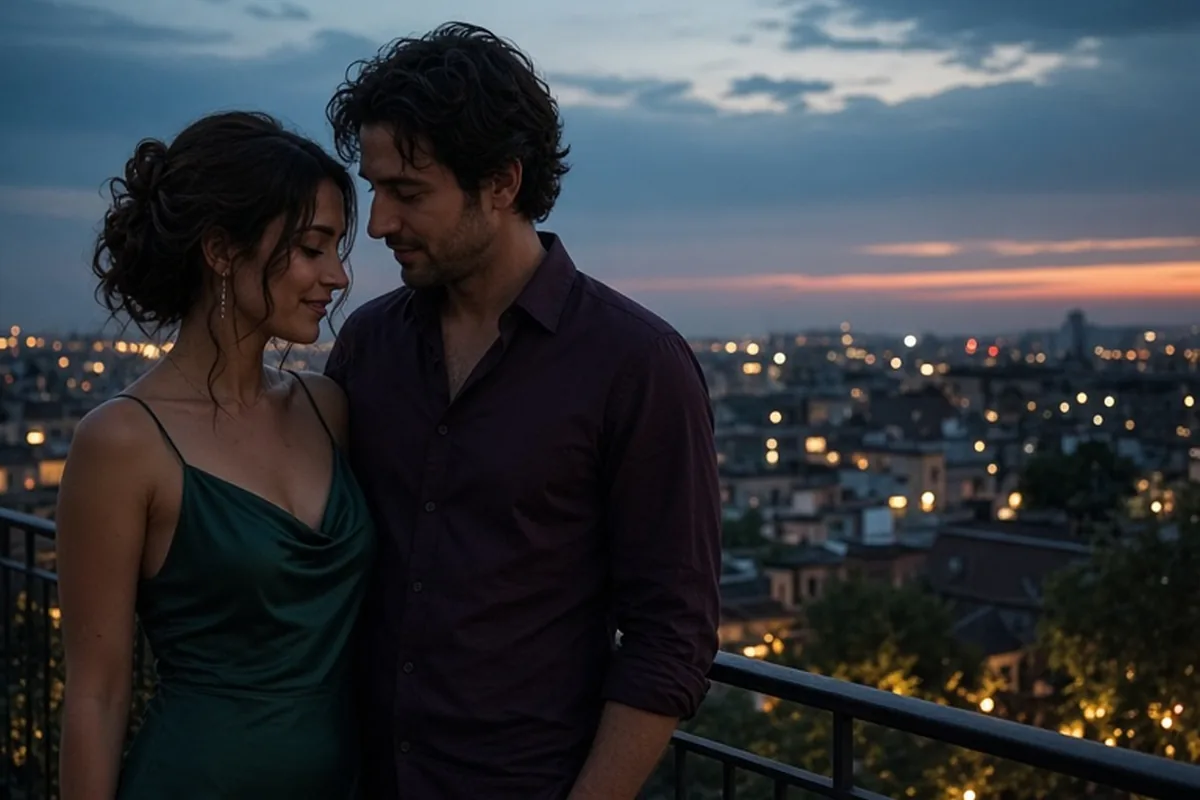
For a 100-guest wedding, the ideal wedding dress balances visual presence at the altar with effortless mobility for close guest interaction. A mid-sized gathering of roughly 10 to 12 reception tables requires a silhouette—such as a tailored A-line, soft fit-and-flare, or column gown—that allows easy movement through dining aisles and comfortable hugging. Select breathable, touch-friendly fabrics and a secure bustle so you can transition smoothly from the ceremony to an interactive, personal reception.
A guest list of 100 people occupies a distinct sweet spot in wedding planning: it provides the energetic atmosphere of a major celebration while maintaining enough intimacy for personal interaction with every attendee. Because a 100-person gathering typically unfolds across moderately scaled venues—such as garden estates, boutique hotel terraces, historic loft spaces, or vineyard lawns—your gown needs to look intentional during the ceremony without creating physical friction during a bustling, close-contact reception.
Defining Dress Scale and Proximity for a Mid-Sized 100-Guest Wedding
The primary factor distinguishing a 100-guest wedding from a large ballroom event of 300 or a micro-wedding of 20 is physical proximity. At 100 guests, the ceremony aisle is rarely an expansive cathedral runway, and the reception floor plan typically features 10 to 13 dining tables. You will spend hours navigating between tightly arranged chairs, stopping to converse in conversational circles, and receiving dozens of warm hugs throughout the evening.
When evaluating gown silhouettes, consider how the volume of the skirt occupies physical space. Massive multi-tiered ballgowns with rigid crinolines can act as an inadvertent physical barrier, making it difficult to pull up a chair at a friend's table or navigate between place settings without brushing against drinkware. Conversely, a gown designed with fluid structural drape gives you full freedom of movement while retaining formal presence from the front of the ceremony space to the dance floor.
Choosing Silhouettes That Balance Ceremony Presence and Easy Mingling
A-line silhouettes remain the standard benchmark for mid-sized weddings because they distribute volume evenly from the natural waist without excessive lateral bulk. An A-line gown creates a classic, regal profile during the ceremony processional, yet softly collapses when walking past seated dinner guests or standing at a cocktail high-top. For brides who prefer defined contouring, a soft fit-and-flare or trumpet silhouette offers architectural definition while keeping the lower skirt diameter manageable in dining spaces.
Column and sheath gowns deliver a streamlined, modern aesthetic that excels in urban loft, museum, and restaurant buyout settings common for 100-guest celebrations. These narrower cuts eliminate skirt navigation challenges entirely, allowing you to move through cocktail hour with total ease. If you love the grandeur of a ballgown, opt for lightweight tulle or organza constructions with soft drop skirts rather than heavy horsehair-braided crinoline foundations, ensuring the garment compresses gracefully in close quarters.
Selecting Fabrics Based on Venue Layout, Touch, and Guest Flow
Because guests at a 100-person event will be standing close enough to see the fine details of your attire, fabric texture and construction quality take center stage. Heavy bridal satins and dense brocades offer magnificent structure, but they also retain body heat rapidly in warm indoor reception halls or sun-exposed outdoor settings. If your 100-guest event involves transitioning between outdoor cocktail lawns and indoor dining rooms, breathable textiles such as silk crepe, lightweight jacquard, floral lace, or multi-layered silk chiffon provide comfort throughout extended mingling.
Tactile durability is another practical factor to assess. Intricate 3D floral appliqués, heavy beadwork, and raw sequin borders can catch on delicate knits, suit jackets, or lace shawls during frequent embraces. Smooth crepe, clean mikado, or embroidered lace with flat-stitched embellishments minimize snagging risks while maintaining visual sophistication under direct dinner lighting and close-up photography.
Bustling and Movement Strategies for Interactive Receptions
A 100-guest wedding is rarely a distant stage presentation; you will be constantly on your feet, visiting tables, sharing drinks, and dancing. If your gown features a chapel or cathedral train, planning your bustle engineering during alterations is essential. A traditional American over-bustle gathers the train up to points along the exterior waistline, lifting the hem off the ground and preventing guests from stepping on delicate lace during crowded moments.
For gowns with minimalist lines or heavy fluid drape, a French under-bustle folds the train beneath the skirt with concealed ribbon ties, creating a clean, tailored hemline that holds securely throughout hours of movement. During your final fitting, practice walking backward, sitting on a standard reception chair, and turning quickly while bustled. Ensure a trusted friend or family member attends the fitting to learn the exact tie or button sequence so the transition after photos takes only two or three minutes.
Coordinating Formality with Venue Setting and Guest Attire
A mid-sized guest list can skew anywhere from elevated garden cocktail to formal black-tie optional depending on the venue and time of day. Matching your gown's weight and embellishment level to your setting creates cohesive event aesthetics. For historic manor houses, private dining clubs, or boutique hotels, structured architectural gowns with clean necklines and understated veils establish a refined, polished atmosphere that complements black-tie optional dress codes.
For coastal pavilions, private vineyard properties, or botanical glasshouses, softer textures such as botanical lace, off-the-shoulder sleeves, or semi-sheer layered skirts reflect the natural environment. To prevent feeling either overdressed or underdressed, use your stated dress code and overall venue footprint as your styling guide, ensuring your dress feels like the centerpiece of the room without looking disconnected from the guest experience.
Second Looks Versus Modular Transformations for Mid-Sized Weddings
With 100 guests, every minute spent away from the celebration is noticeable, making long outfit changes a logistical trade-off. If you want two distinct looks—a grand ceremony profile and a sleek party style—modular gown components offer the most time-efficient solution. Removable overskirts, detachable puff sleeves, clip-on shoulder capes, or boleros allow you to completely transform your silhouette in under a minute without retreating to a dressing suite for extended periods.
If you prefer a complete wardrobe change, select a reception dress—such as a tailored midi dress, silk slip, or bridal jumpsuit—that you can slip into quickly between dinner and open dancing. Keep in mind that stepping away to redo hair, makeup, and garment adjustments takes time away from socializing with guests who may have traveled long distances to celebrate with you.
Weigh the trade-off carefully: if your main ceremony gown is comfortable, breathable, and well-bustled, wearing it for the entire evening allows you to maximize your investment and stay present in every moment of the reception.
Fitting Checks, Clearances, and Pre-Purchase Verification
Before finalizing your gown purchase, evaluate real-world functional criteria that match a 100-guest venue layout. When trying on samples at bridal salons, do not simply stand on the elevated pedestal. Step down to floor level, raise both arms into a full hug position to test bodice flexibility, and sit down on an armless chair to see where the fabric creases or pinches along the ribcage and hips.
Verify standard production timelines with your bridal boutique, which commonly range from four to nine months before shipping, plus an additional six to eight weeks for multi-round tailoring. Request a clear quote that breaks down gown purchase price, rush fees if applicable, and estimated alterations, ensuring your budget accounts for custom hem shortening, bustle construction, and bodice contouring.
Frequently asked questions
Can I wear a cathedral train for a 100-guest wedding?
Yes, a cathedral train works well for the ceremony and formal portraits at a 100-guest wedding. However, ensure the dress includes a sturdy multi-point bustle so you can easily maneuver around dining tables and the dance floor during the reception.
Is a ballgown too dramatic for a 100-person celebration?
A ballgown is not too dramatic as long as the skirt structure allows flexible movement. Choose lightweight tulle, organza, or soft crinoline foundations rather than stiff, wide hoops that might catch on dining chairs or crowd narrow pathways.
Should I plan a second outfit for a 100-guest reception?
A second outfit is optional and depends on your priority between varied fashion moments and face-to-face guest time. If you do change, modular accessories like detachable skirts or a quick-change slip dress keep your absence from the party to a minimum.
Your next step
Review your venue floor plan to measure dining aisle widths, then schedule a bridal appointment to test silhouettes for sitting, hugging, and easy movement.