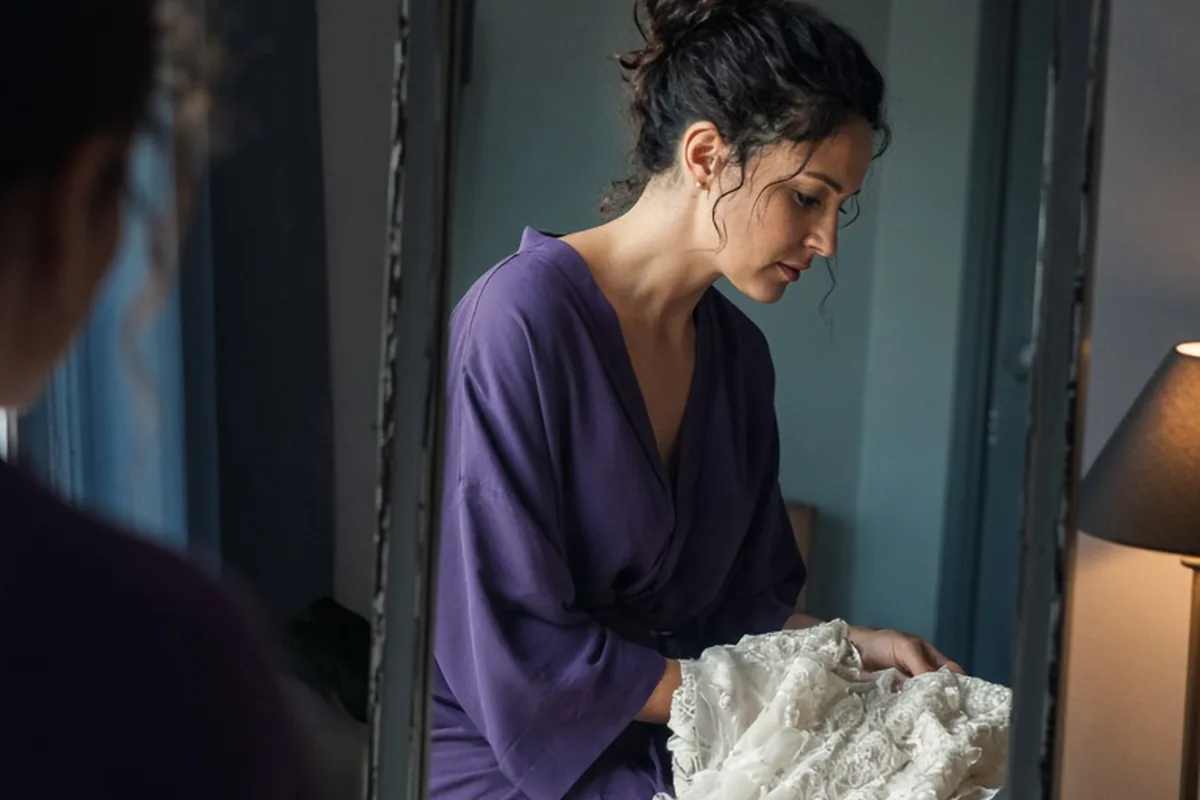
Wedding dress resale value typically reflects the original designer, collection age, condition, and extent of alterations. Most pre-owned wedding dresses sell for a fraction of their original retail price because bridal trends evolve quickly and personalized tailoring limits the buyer pool. Current styles in pristine condition with minimal alterations yield the highest return, while dresses older than two to three years or heavily customized see steep price reductions.
Selling a previously worn or sample wedding gown requires balancing sentimental attachment with market realities. Understanding how prospective brides evaluate pre-owned garments allows sellers to set competitive listing prices, protect their investment, and navigate secondhand platforms successfully.
Core Factors That Dictate Wedding Dress Resale Value
A wedding gown's market value on the secondary market depends primarily on brand recognition, silhouette demand, and the age of the design. High-end luxury couture labels, recognizable runway bridal designers, and indie boutique brands hold market attention better than mass-market private labels. Brides searching pre-owned marketplaces frequently set search alerts for specific designers, making branded gowns significantly easier to match with interested buyers.
The collection release date plays an equally critical role. Bridal fashion trends shift regarding lace patterns, sleeve structures, corsetry styles, and necklines. A dress from the current or previous year's bridal collection commands substantially more interest than a style released four or five seasons ago. As a dress moves past the two-to-three-year mark, it transitions from a contemporary trending style into a standard used garment, unless it represents a timeless, minimalist silhouette with broad appeal.
Original retail tier establishes the initial ceiling for resale potential, but depreciation begins immediately upon purchase. Even an unworn gown with tags loses value once it leaves the bridal salon, reflecting the absence of the traditional boutique shopping experience, custom ordering, and salon perks. Understanding that buyers shop secondhand specifically to secure substantial discounts prevents unrealistic pricing expectations.
How Alterations and Sizing Modifications Affect Buyer Interest
Bridal sizing differs considerably from everyday ready-to-wear clothing, and custom tailoring permanently alters how a gown fits prospective buyers. When a dress is hemmed, taken in at the bodice, or fitted with custom bra cups, the target audience narrows to brides who share those precise physical dimensions or who are smaller. Gowns altered for shorter heights generally experience larger reductions in resale value, as taller buyers cannot restore removed fabric.
Irreversible structural modifications, such as cutting away built-in trains, removing sleeves, or lowering backlines, significantly restrict buyer appeal. Conversely, reversible alterations, such as tacked modesty panels or adjustable corsetry, preserve more flexibility. If a gown retained its original seam allowances inside the lining, allowing a future tailor to let the dress out, clearly noting this detail can preserve buyer confidence.
Providing complete post-alteration garment measurements is essential for closing a sale. Rather than relying on the manufacturer's size tag, sellers must record exact flat-lay measurements across the bust, natural waist, hips, and front hollow-to-hem length, alongside the seller's height and shoe heel height on the wedding day. Detailed sizing disclosures reduce inquiry friction and eliminate post-purchase disputes.
Assessing Fabric Condition, Preservation, and Cleaning Costs
Physical condition directly influences what a buyer is willing to pay. Outdoor ceremonies and indoor reception dance floors inevitably expose hems, trains, and underlinings to soil, turf marks, beverage spills, and friction fraying. Delicate fabrics like silk organza, French tulle, and intricate hand-beading show wear faster and cost significantly more to restore than structured polyester crepes or heavier mikado silks.
Professional bridal dry cleaning is almost universally expected by prospective buyers and directly impacts the net proceeds of the sale. Specialized bridal cleaning involves gentle solvent treatment and manual spot lifting for makeup, sweat, and hem stains, which requires an upfront financial investment from the seller. If a dress is sold uncleaned, buyers will discount their offers steeply to offset their own anticipated restoration expenses and risks.
Proper post-wedding storage also protects the fabric from irreversible oxidation and yellowing. Gowns hung on thin hangers can develop stretched shoulder seams or distorted bodices, while dresses stored in standard plastic garment bags are vulnerable to chemical off-gassing. Keeping the gown in a breathable cotton garment bag or an archival preservation box in a climate-controlled room prevents fabric deterioration while waiting for a buyer.
Choosing Between Online Marketplaces and Bridal Consignment Boutiques
Deciding where to sell a wedding dress involves trading between personal effort and net profit margins. Peer-to-peer online bridal marketplaces give sellers access to a national or international audience of brides looking for specific styles. On these platforms, sellers create listings, handle inquiries, manage shipping, and pay a modest commission fee or flat listing fee upon sale, maximizing their percentage of the proceeds.
Physical bridal consignment boutiques offer a hands-off alternative where the shop manages merchandising, in-person fitting appointments, and payment processing. However, consignment shops generally take a substantial commission percentage of the final sale price, reflecting their overhead, marketing, and styling staff costs. Consignment shops also maintain strict intake criteria, often accepting only gowns younger than two years in flawless condition.
General secondhand fashion apps and local classified boards represent another avenue, though they typically attract buyers seeking steep bargains rather than premium designer apparel. While listing on general fashion apps involves simple upload workflows, high-value designer gowns tend to move faster on dedicated bridal platforms where shoppers understand designer sizing, retail tiers, and fabric specifications.
Calculating a Competitive Listing Price and Factoring Platform Fees
Determining a realistic listing price requires researching completed sales rather than active asking prices. Look for identical or comparable styles from the same designer across secondhand bridal platforms to see the amounts at which dresses actually sell. An active listing that has remained online for six months often indicates an inflated asking price that buyers routinely bypass.
Sellers must account for platform commission rates, payment processing cuts, shipping box costs, and carrier insurance when establishing their baseline price floor. If a platform charges a percentage fee on the total transaction and the payment processor takes a standard transfer fee, the seller's net payout will be lower than the headline price. Factoring these deductions in advance prevents surprises when the payout transfers.
Building a reasonable negotiation buffer into the listing price helps facilitate faster sales. Many secondhand shoppers make offers below the listed price to test seller flexibility. Setting the asking price slightly above your minimum acceptable net threshold gives you room to accept counteroffers or provide shipping discounts without undermining your financial goal.
Creating High-Converting Listings With Clear Photos and Proof of Authenticity
High-quality imagery is the single most effective tool for generating inquiries. Clear, well-lit photos showing the gown from the front, back, and side allow buyers to evaluate silhouette flow and fit. Including a mix of professional wedding day photos, current hanging photos, and close-ups of delicate lace, beadwork, and hemline cleanliness provides full transparency.
Honest documentation of wear or minor flaws protects the seller from return requests and chargebacks. Photograph the inner neckline, underarms, and the underside of the train in bright, natural light. If there are missing beads, a small pull in the tulle, or minor discoloration along the inner lining, photograph and describe these issues plainly so the buyer knows exactly what to expect.
Providing proof of authenticity builds trust for higher-tier designer gowns. Photographing the designer label, the interior size tag, the style number, and the original boutique purchase receipt verifies that the garment is genuine rather than a low-quality counterfeit reproduction. Retaining the original designer garment bag or branded hanger also adds tangible value to the buyer's unboxing experience.
Packaging, Insured Shipping, and Safe Transaction Practices
Shipping a high-value bridal gown requires deliberate packing methods to prevent moisture damage or crushing during transit. The dress should be folded carefully along natural seam lines with sheets of acid-free tissue paper layered between delicate lace, beadwork, and fabric folds to prevent snagging. Placing the folded gown inside a waterproof garment bag or poly-lining before boxing shields it from external weather conditions.
Always use a sturdy, heavy-duty corrugated shipping box sized appropriately for the dress volume. Avoid cramming a voluminous ballgown into a small box, which can damage internal boning, crush horsehair hem braids, and create permanent creasing. Secure all box seams with reinforced water-activated tape or heavy-duty packaging tape.
Protecting the financial transaction requires strict adherence to secure payment systems and verified shipping methods. Never take communication or payments off-platform, as external money transfers void seller protection policies. Always purchase full carrier shipping insurance for the complete selling value, utilize tracked priority courier services, and mandate direct signature confirmation upon delivery to confirm receipt.
Frequently asked questions
How long does it typically take to sell a used wedding dress?
Selling a pre-owned wedding dress often takes between three to nine months depending on the designer, size, condition, and pricing. Gowns from popular current collections priced competitively sell faster, whereas heavily customized or niche vintage designs may require more patience.
Should I dry clean my wedding dress before listing it for sale?
Yes, professional dry cleaning is strongly recommended before listing. Most buyers want a gown that is ready to wear or tailor immediately, and uncleaned dresses with visible hem stains or makeup marks sell for significantly lower amounts or fail to attract inquiries.
Can I sell a wedding dress that has been altered to my specific height?
Yes, altered wedding dresses sell regularly on the secondhand market. You must provide exact flat-lay measurements, your height, and the heel height worn on the wedding day so prospective buyers can accurately determine if the dress can be altered to fit them.
Do wedding dresses appreciate in value over time?
Standard contemporary wedding dresses do not appreciate; they steadily depreciate as bridal trends and silhouettes evolve. Only extremely rare historical garments or museum-grade haute couture pieces from iconic fashion houses hold or gain value over extended decades.
Your next step
Inspect your gown under bright light, record exact bust, waist, hip, and length measurements, and search completed listings for your designer model to set a competitive baseline price.