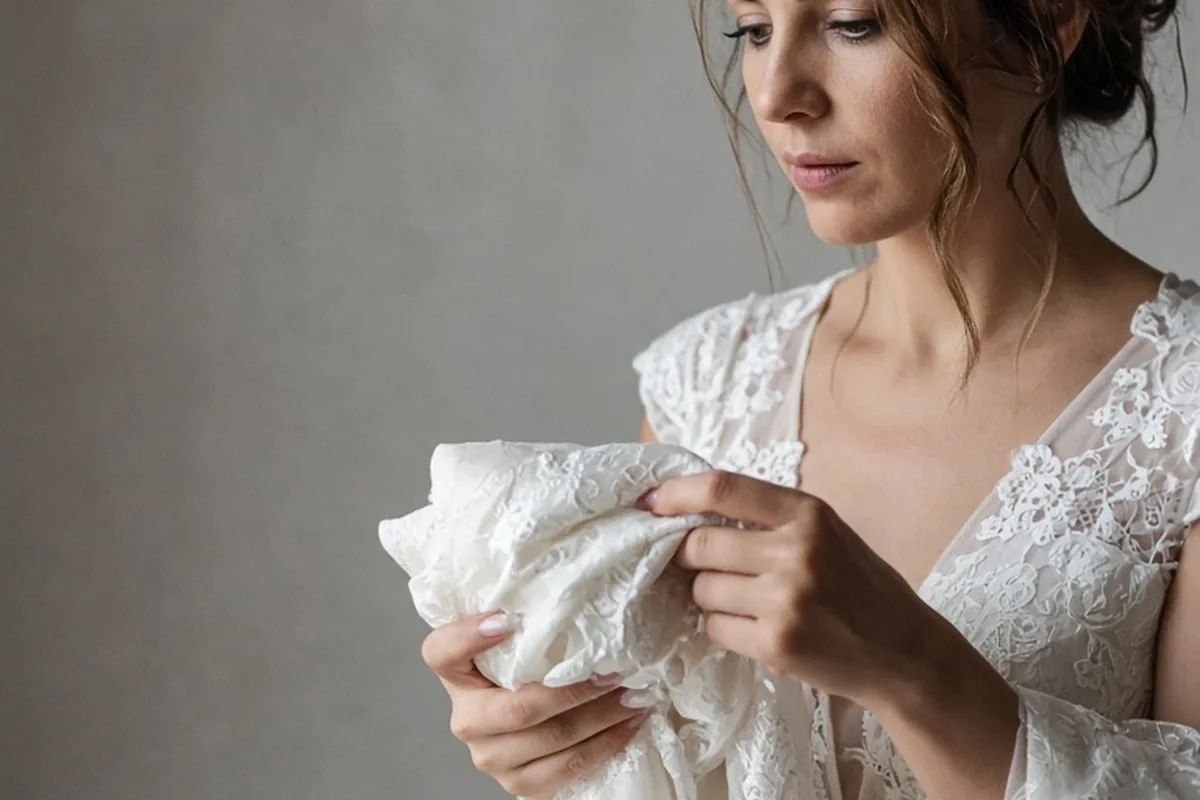
When standard resale marketplaces offer low returns or require too much active management, wedding dress resale value alternatives provide meaningful financial, emotional, or practical value. Common options include renting the gown to future brides, donating it to charitable organizations for tax deductions, hiring a seamstress to transform the fabric into heirloom accessories or tailored clothing, professional museum-grade preservation for future generations, and participating in zero-waste textile recycling programs.
Selling a pre-owned wedding dress frequently yields lower financial returns than many newlyweds anticipate, largely because alterations make garments custom-fitted, bridal fashion trends shift rapidly, and direct-to-consumer listing platforms are saturated. When the time, cleaning expenses, and listing fees outweigh the estimated market payout, exploring alternate paths allows you to reclaim closet space, capture tax benefits, or preserve the sentimental craftsmanship of your garment.
Evaluating Bridal Consignment Boutiques vs Direct Peer-to-Peer Resale
Traditional peer-to-peer bridal listing platforms require the seller to manage buyer inquiries, package fragile garments, verify payment security, and handle potential return disputes. When a gown features heavy alterations, delicate beadwork, or non-standard sizing, private buyers on nationwide platforms often hesitate to purchase without trying the garment on in person. Bridal consignment boutiques solve this friction by providing a physical showroom where brides-to-be can inspect the fabric, check the seam allowances, and test the fit under professional lighting.
Consignment shops manage marketing, merchandising, and customer negotiations on your behalf, but they retain an agreed commission split upon completion of the sale. Before selecting consignment over self-listing, confirm the boutique's standard contract duration, mark-down schedule, insurance coverage against transit or fitting room damage, and their specific policy regarding unsold merchandise. If your priority is avoiding administrative labor while recovering partial costs, local consignment removes the burden of personal shipping and customer communication.
Transforming Bridal Gowns into Keepsakes, Heirlooms, or Cocktail Wear
Repurposing the luxurious textiles of a wedding dress extracts direct utility from materials that would otherwise sit unused in a storage bag. Silk, duchess satin, intricate Chantilly lace, and structural tulle can be deconstructed by a skilled tailor to create bespoke family heirlooms. Popular non-wearable keepsakes include ring bearer pillows, personalized clutch bags, holiday tree skirts, decorative quilt panels, and framed swatches of detailed embroidery.
For wearable alternatives, many brides work with custom dressmakers to shorten the gown into a tea-length cocktail dress, dye the fabric a vibrant jewel tone, or separate a two-piece corset and skirt into versatile evening separates. Gowns can also be repurposed into christening gowns, baptismal outfits, or formal occasion wear for future children. This approach preserves the sentimental memory of the celebration while completely eliminating the frustration of competing in a depreciated secondary market.
Donating to Charitable Bridal Organizations for Tax and Social Value
Donating a wedding gown to an established nonprofit organization offers tangible social impact and may provide an itemized non-cash charitable tax deduction. Several specialized charitable programs accept gently used wedding dresses to support specific missions, such as funding cancer research, assisting military families, granting wishes for terminally ill individuals, or providing free formalwear to low-income brides. Other programs repurpose delicate bridal textiles into miniature burial gowns for families experiencing infant loss.
To ensure a successful donation, review the receiving organization's specific acceptance criteria, as most charities require gowns to be professionally cleaned, undamaged, and produced within a certain recent timeframe. Request a signed acknowledgment receipt that details the date of transfer and item description for your tax records. Because tax regulations require donors to establish the fair market value of donated personal property rather than its original retail price, consult current tax guidance to document fair value accurately before filing.
Long-Term Museum-Grade Gown Preservation for Family Heritage
If you prefer keeping the dress within the family rather than liquidating it for cash, standard dry cleaning is insufficient for multi-decade storage. Over time, latent sugar stains from beverages, perspiration, and environmental moisture cause irreversible yellowing and fiber breakdown if textiles are stored in standard plastic garment bags. Professional museum-grade preservation neutralizes these risks by thoroughly treating invisible stains and packing the dress in acid-free, lignin-free materials.
A proper preservation process involves inspection, custom cleaning formulated for the specific fiber blend, wrapping with acid-free tissue paper to prevent permanent crease damage, and sealing inside a breathable storage box equipped with a viewing window. Store the preservation box in a climate-controlled living area away from direct sunlight, attic heat, and basement humidity. This option preserves the aesthetic integrity and material quality of the gown so future generations have the choice to wear, modify, or display it.
Renting Out Your Designer Wedding Dress to Offset Ownership Costs
High-end designer gowns with recognizable silhouette lines or sought-after brand labels can generate ongoing passive returns through bridal rental models. Formalwear rental marketplaces and boutique peer-to-peer sharing networks allow owners to lease their garments to temporary borrowers for weekend events, styled photography shoots, or destination ceremonies. This strategy enables you to retain long-term ownership of the gown while earning recurring rental fees that offset initial purchase expenses.
Operating as an independent lender carries operational considerations, including the wear and tear of repeated use, professional dry cleaning between bookings, and the risk of permanent fabric damage or loss. Protect your investment by requiring a refundable security deposit, utilizing ironclad rental contracts with clear damage liability clauses, and partnering with verified rental platforms that offer lender protection coverage. Inspect the gown thoroughly between rentals to repair minor beadwork or hem fraying immediately.
Eco-Friendly Textile Recycling and Zero-Waste Bridal Repurposing
When a wedding dress has suffered significant damage, such as torn train fabric, deep red wine stains, or permanent discoloration along the hemline, neither resale, rental, nor formal donation may be practical. In these instances, zero-waste textile recycling programs prevent complex synthetic and natural fabrics from ending up in local landfills. Modern textile recycling facilities mechanically shred or chemically separate multi-fiber garments into raw materials for industrial insulation, padding, or new fiber spinning.
Alternatively, local theatrical costume departments, university design programs, and community art studios regularly welcome damaged formal garments for student practice, stage productions, and creative installations. Reaching out to local performing arts organizations gives worn or stained garments a second life in creative arts while supporting local non-profit educational programs without adding to municipal waste streams.
Choosing the Right Exit Path Based on Gown Condition and Timeline
Selecting the ideal route for your wedding dress depends on three clear variables: the current physical condition of the garment, your willingness to invest administrative effort, and your personal attachment to the fabric. If your primary goal is reclaiming home storage space immediately without managing shipping logistics, an outright donation to an eligible charity or a local theater department provides a fast, one-and-done solution.
If you hope to recoup monetary value and own a standard-sized designer dress in flawless condition, exploring peer rental or regional consignment balances financial returns with manageable effort. Conversely, if the emotional value of the gown outweighs its secondary market price, investing in professional preservation or hiring an independent seamstress to craft keepsake items guarantees that the sentimental significance of your wedding day remains an active part of your life.
Frequently asked questions
Is selling a wedding dress worth the time and effort?
Selling a pre-owned gown is worth the effort primarily if it is a recent designer model in standard sizing with minimal alterations. If the gown is heavily altered, older than several seasons, or stained, the time required to clean, photograph, list, and negotiate may outweigh the modest resale payout.
How do I claim a tax deduction for a donated wedding dress?
To claim an itemized tax deduction, donate your cleaned gown to a registered 501(c)(3) nonprofit and obtain a written receipt. You must determine the garment's fair market value based on its current used condition rather than the original retail purchase price.
Can any tailor repurpose a wedding dress into everyday clothing?
Most skilled alterations specialists or custom dressmakers can repurpose bridal fabrics, but you should look for someone experienced with delicate textiles like lace, organza, and silk. Request photos of previous heirloom transformation projects to confirm their familiarity with delicate bridal deconstruction.
What happens if a wedding dress is not preserved in an acid-free box?
Garments stored in standard plastic bags or non-archival cardboard boxes are exposed to off-gassing, trapped moisture, and residual stains. Over several years, this causes natural fibers to turn yellow, makes delicate lace brittle, and can lead to permanent fabric deterioration.
Your next step
Inspect your gown's condition, seams, and fabric care label today to decide whether donation, custom repurposing, or archival preservation delivers the best value for your goals.