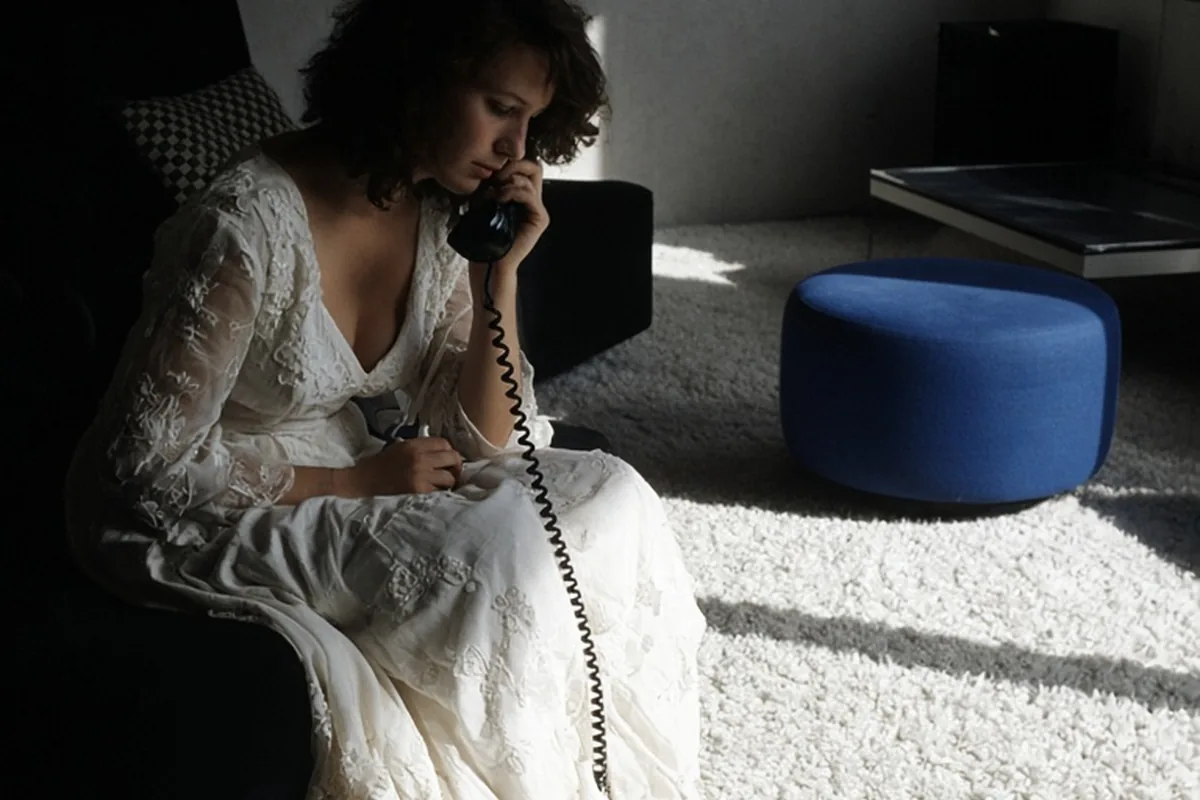
A wedding dress resale value is not determined directly by having 100 guests, but rather by the gown's designer label, original retail cost, age, alterations, and post-event condition. However, a 100-guest wedding represents an active, mid-sized celebration involving several hours of mingling, seated dining, and dance floor movement. These factors frequently produce hemline friction, makeup transfer, and beverage spills, making immediate professional cleaning and documented condition grading essential to recouping a solid portion of your original purchase price.
Planning a mid-sized celebration of around 100 guests requires balancing an elegant presentation with budget awareness, leading many brides to consider the secondary market value of their attire. Understanding how celebration dynamics, structural alterations, garment maintenance, and current resale marketplace platforms intersect empowers you to make informed decisions before, during, and after your wedding day.
How a 100-Guest Wedding Influences Gown Wear and Resale Grade
While guest count does not appear on a garment tag, it directly dictates the physical environment your gown must endure throughout the celebration. A 100-guest wedding falls into a distinct category: it is large enough to create crowded reception spaces and active dance floors, yet intimate enough that the bride spends substantial time circulating among tables, hugging attendees, and moving through varied indoor and outdoor spaces. Each interaction carries small physical risks to delicate textiles like silk chiffon, tulle, organza, and crepe.
In a gathering of this scale, physical wear patterns tend to concentrate in predictable areas. The underside of the hemline and train naturally collects floor dust, asphalt residue, or grass stains during portrait sessions and transitions between venues. Bodices frequently encounter foundation makeup, bronzer, and perfume oils from extended receiving lines and celebratory embraces. Additionally, dinner service and cocktail mingling in a room of 100 people increase the likelihood of accidental red wine, champagne, or sauce splatters, all of which directly influence whether a secondhand buyer classifies the dress as pristine, excellent, or moderately worn.
Primary Market Variables That Determine Secondhand Bridal Value
The secondary bridal market operates on clear economic drivers, with brand recognition and contemporary relevance sitting at the top. Gowns produced by established luxury designers or highly sought-after contemporary bridal houses retain value far better than unbranded, fully custom, or mass-market department store gowns. Prospective secondhand buyers frequently set automated alerts for specific designer names, collections, and model numbers, meaning a recognized brand provides immediate visibility on resale platforms.
Gown age and silhouette trends represent the second major valuation pillar. Bridal fashion evolves continuously, and dresses listed within one to two years of their original salon release date command the highest interest. Beyond three to four years, market demand drops substantially as neckline preferences, lace motifs, and fabric finishes shift toward newer seasonal collections. Furthermore, classic and versatile silhouettes such as structured A-lines, minimalist crepe columns, and timeless fit-and-flare cuts tend to attract a broader pool of potential buyers than highly avant-garde or hyper-niche designs.
The Direct Impact of Alterations on Your Resale Price Ceiling
Alterations are necessary for a flattering fit, but they represent one of the largest variables in reducing your buyer pool and final selling price. Every cut made into original fabric permanently restricts who can wear the dress next. A gown altered to fit a petite frame or hemmed for a bride wearing low flats cannot easily be lengthened for a taller prospective buyer. Conversely, dresses that were taken in slightly without trimming the interior seam allowances retain greater adaptability and therefore command higher resale interest.
Bustle installations and structural bodice adjustments also require clear documentation when listing the gown. Buyers look closely at whether the seamstress added an American over-bustle, a French under-bustle, or a ballroom bustle, and whether any loops or clear buttons snapped during reception dancing. When you work with your tailor prior to the wedding, ask them to preserve excess fabric inside the seams whenever feasible, and retain all extra fabric swatches, replacement buttons, and designer hangtags to include with your eventual resale package.
Pre-Listing Preparation: Cleaning, Restoration, and Storing Your Gown
Attempting to sell an uncleaned wedding dress almost always results in steep price cuts or prolonged listing stagnation. Even if a gown looks reasonably clean to the naked eye after your 100-guest reception, clear liquids such as white wine, champagne, soda, and perspiration contain sugars and acids that slowly oxidize over weeks, turning into noticeable yellow or brown stains. Standard retail dry cleaners often lack the specialized solvents required for delicate bridal appliques, horsehair braid hems, and hand-beaded lace, making dedicated bridal textile specialists the preferred choice.
Once professional wet-cleaning or specialized dry cleaning is complete, proper storage preserves the fabric until a buyer purchases the piece. Never store a wedding dress in a non-breathable plastic garment bag, as trapped moisture can promote mildew growth and synthetic fibers can off-gas, causing fabric yellowing. Instead, store the gown flat in an acid-free archival box or suspended on a wide, padded hanger inside a breathable 100 percent cotton garment bag in a climate-controlled room away from direct sunlight, pets, and household humidity.
Day-Of Protection Tactics for an Active 100-Person Celebration
Preserving your gown's condition starts well before you pack it away for resale. Establishing practical habits during your wedding day helps prevent irreversible textile damage without diminishing your enjoyment of the event. During morning preparation, put your wedding dress on only after hair spray, perfume, and makeup applications are entirely finished. When stepping into the gown, place a clean bedsheet on the floor to keep the hem pristine while zipping or buttoning the closure.
Assign a trusted bridal party member or coordinator to manage your train during transitions between the ceremony, outdoor photography spots, and the reception hall. Ensure your bustle is secured correctly before entering the dining room and dance floor to keep guests from stepping on the delicate train fabric. When participating in the reception buffet or seated dinner, keep a clean white cloth napkin tucked across your lap and chest, and handle beverage glasses by the stem to minimize accidental drips.
Selecting Resale Channels and Constructing High-Converting Listings
Choosing the right marketplace determines both how quickly your gown sells and how much revenue you retain after fees. Specialized peer-to-peer bridal platforms connect you directly with targeted brides searching for specific designers and sizes, typically charging nominal listing fees or small final value commissions. Local bridal consignment boutiques offer a hands-off alternative where the shop handles display, customer appointments, and payment processing, though consignment splits generally claim a higher percentage of the final sale price.
To build a high-converting listing, provide comprehensive, transparent details that eliminate uncertainty for remote shoppers. Include exact flat measurements for bust, waist, hips, hollow-to-hem length, and the heel height worn during the wedding. Upload a balanced mix of professional wedding photographs showing the dress in natural light, manufacturer stock photos displaying the original silhouette, and clear, close-up photos of the current condition, including the hemline, inner neckline, zipper, and bustle attachments. Disclose any minor flaws honestly to prevent post-sale disputes or returns.
Pricing Strategy, Negotiation Buffers, and Payment Security
Setting the right listing price requires studying active and sold listings for the same designer or comparable silhouettes rather than relying on emotional attachment. In general, a current-season gown in pristine condition with professional cleaning can be listed competitively below original retail, while dresses older than two years or showing minor wear require deeper adjustments to attract serious inquiries. Building a small negotiation buffer into your asking price allows you to accept reasonable offers while still hitting your target recovery figure.
Security and logistics require equal diligence when completing a transaction online. Always conduct communication and payment through the verified checkout systems of established resale platforms rather than external wire transfers or unprotected payment apps. Factor insured shipping costs into your pricing model, require direct signature confirmation upon delivery, and pack the gown securely in water-resistant interior wrapping within a sturdy shipping box to ensure safe transit to the buyer.
Illustrative Scenarios
Illustrative Resale Workflow for a Mid-Sized Event
A bride host to 100 guests wore a recognized designer crepe gown for an outdoor garden ceremony and indoor reception. Prior to dancing, she engaged the French bustle and kept hem contact with damp turf minimal. Within four days following the event, she delivered the gown to a certified bridal cleaner to treat minor hem dust and champagne droplets. She compiled her exact tailoring notes, original receipt, and high-resolution day-of photographs, listing the dress on a dedicated bridal platform three weeks post-wedding.
Key point: Prompt specialized cleaning combined with detailed measurement documentation and rapid listing preserves textile condition and capitalizes on current-season market demand.
Frequently asked questions
Does having outdoor photos at a 100-guest wedding permanently ruin resale value?
Outdoor photos do not inherently ruin resale value if you use a walking sheet or hold the train off grass and soil during transit. Most dry dust and minor organic stains lift completely when treated promptly by a professional bridal cleaner, restoring the garment to resale condition.
How soon after the wedding should I list my dress for sale?
You should aim to clean and list your gown within one to three months following the ceremony. Listing promptly ensures the style remains active in current bridal trends and allows you to reach brides planning their weddings for the upcoming season.
Should I pay for dry cleaning before listing or offer the buyer a discount instead?
Paying for professional cleaning beforehand is strongly recommended because uncleaned gowns generate significantly fewer inquiries and appear neglected in listing photos. A documented, freshly cleaned gown establishes buyer trust and justifies a higher asking price.
How do my physical alterations change how I should list the dress size?
Always list the garment under its original designer label size, but clearly state that alterations have been made. Provide exact lay-flat measurements of the bust, waist, hips, and front hollow-to-hem length in the description so buyers can verify their fit against a tailor.
Your next step
Take your gown to a dedicated bridal dry cleaner this week, request an itemized condition report, and record precise bust, waist, hip, and hem measurements before packaging it in a breathable garment bag for listing.