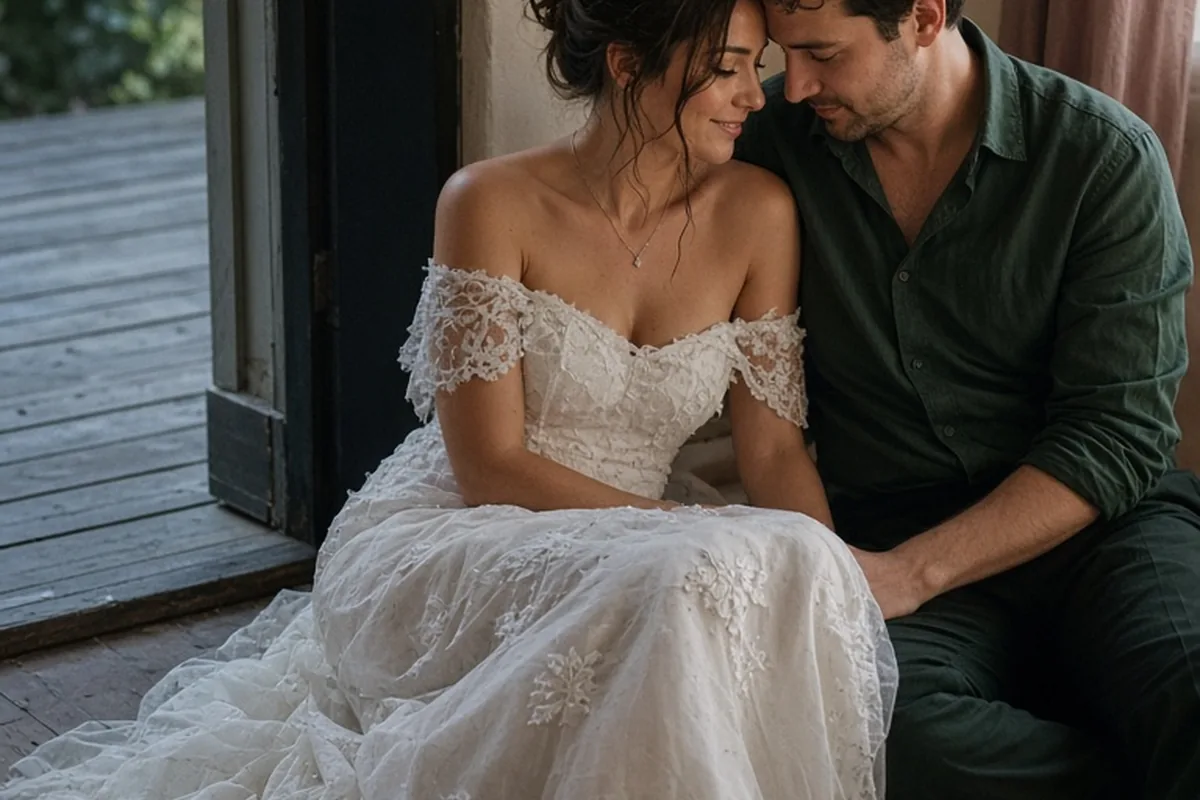
A wedding dress worn at a 150-guest event does not have an inherent resale value tied strictly to headcount, but the scale of the celebration directly impacts physical wear, hemline staining, and bustle stress. Secondhand value depends primarily on designer label, contemporary style demand, alteration reversibility, and post-event fabric condition. Most pre-owned gowns listed within two years in clean condition recover a portion of their original retail price when priced competitively against current market listings.
Couples planning a mid-to-large celebration of 150 guests often budget with the expectation that selling the bridal gown after the wedding will recoup some event expenses. Understanding the realistic factors that drive buyer interest and how a full-day celebration affects fabric condition allows you to make informed styling and preservation choices.
How a 150-Person Reception Affects Gown Wear and Secondary Market Worth
A wedding with approximately 150 guests typically spans six to ten hours of continuous wear across multiple environments, including ceremony spaces, cocktail lawns, receiving lines, and crowded dance floors. Throughout an event of this size, a bride hugs dozens of guests wearing makeup, walks through high-traffic banquet areas, and moves through varied surfaces that can transfer floor grime, spilled drinks, and moisture onto the train and hemline. Because resale buyers inspect close-up photos of high-wear areas before purchasing, the physical toll taken by a medium-to-large guest count directly shapes whether your gown commands a top-tier pre-owned price or requires deep discounting.
The primary areas vulnerable to damage during a 150-guest celebration are the lower hem, the delicate horsehair braid along skirt borders, train hook attachments, and underarm linings. When more people occupy a reception space, the likelihood of guests accidentally stepping on the train during mingling or dancing increases substantially. If loops snap, tears develop in tulle overlays, or self-tanner rubs off along the bodice edge, secondary market value drops because prospective buyers must factor professional repair bills into their purchase budget. Recognizing these wear patterns ahead of time lets you take defensive steps during the reception.
Designer Demand, Gown Age, and Market Timing Factors
In the pre-owned bridal market, designer reputation and collection release date carry significantly more weight than the original retail price paid at the boutique. Gowns from recognized bridal fashion houses and independent couture designers that release consistent seasonal collections tend to hold steady buyer interest because prospective brides actively search for specific style names and reference numbers. Conversely, custom-made unbranded gowns or discontinued private-label boutique designs lack built-in search volume on secondhand platforms, making them harder to price and sell quickly.
Timing plays an equally decisive role in determining what a buyer will pay. Bridal trends evolve rapidly, with silhouettes, lace patterns, neckline cuts, and sleeve styles shifting over two- to three-year cycles. Gowns listed within six to twelve months of their original salon debut attract buyers who tried on that exact season's sample in a bridal shop but want to save money on the retail markup. If a dress sits in a closet for three or more years before listing, its market appeal shifts into clearance territory unless it happens to fit a timeless minimalist aesthetic or an established vintage niche.
Protecting Hemlines, Bustles, and Delicate Fabrics During a Full-Scale Event
Preserving your gown's future market value begins before you walk down the aisle. During photo sessions before the ceremony, use a clean sheet or portable fabric mat on outdoor grass or pavement while standing in position for portraits. Designate a maid of honor, bridesmaid, or day-of coordinator to carry the train during transitions between photo locations rather than dragging delicate silk, crepe, or lace across outdoor terrain. These small physical precautions prevent deep-set asphalt oils and grass stains from embedding into the lower seams.
Once cocktail hour begins and you transition to mingling with your 150 guests, secure your bustle immediately. Work with your seamstress during pre-wedding fittings to install reinforced bustle points—such as French under-bustles with color-coded ribbons or multi-point American over-bustles with heavy-duty clear buttons—tailored to the weight of your specific skirt. A sturdy bustle lifts the train completely off the floor, dramatically reducing the risk of a guest treading on the fabric during crowded social hours or energetic reception dancing.
Alterations and Sizing Decisions That Protect or Limit Future Buyer Appeal
The way a tailor alters your dress has an enormous impact on the pool of potential buyers who can wear it later. When hemline length is cut off aggressively to match low heels or flat shoes, brides taller than you will be automatically excluded from purchasing your listing. Whenever feasible, ask your bridal seamstress to preserve original hem allowances or fold excess length upward into the lining rather than trimming off substantial sections of lace appliques or scalloped borders, as reversible tailoring preserves sizing versatility.
Similarly, side seam adjustments and cup installations determine whether a future owner can resize the garment. Taking in a dress by cutting away seam margins permanently locks the gown into a smaller size, whereas stitching new side seams while retaining the interior seam allowance allows the next bride's seamstress to let the garment back out. If you install custom push-up cups, ask for light tack stitching rather than permanent adhesive or structural bonding so they can be removed or swapped out without damaging the bodice fabric.
Professional Cleaning and Documenting Condition Before Creating Your Listing
Never list a wedding dress for resale without having it professionally cleaned by a specialist experienced in bridal textiles. Standard dry cleaners often use harsh petroleum-based chemicals or high-heat pressing processes that can melt delicate beading, scorch fine silk, or dissolve adhesive-backed embellishments. A qualified bridal cleaner will inspect the hem, train, bodice, and inner lining for invisible sugars from spilled wine or soda, which caramelize into stubborn yellow stains over time if left untreated.
Once the gown is cleaned, conduct a thorough personal inspection under bright, neutral lighting. Take high-resolution, unedited photographs showing the full front, full back, close-ups of the bodice embroidery, inside designer labels, size tags, and the exact condition of the hemline and bustle loops. If any minor flaws remain—such as faint gray shadowing on an inner train lining or a missing bead along the zipper—photograph and describe them clearly in your listing notes. Transparent condition reports build trust with distant buyers and prevent contentious return disputes.
Choosing Between Bridal Resale Platforms and Local Consignment Boutiques
Selling a wedding dress successfully involves choosing the right sales channel for your timeline and comfort level with shipping logistics. Specialized peer-to-peer online bridal marketplaces offer exposure to a nationwide audience of brides actively looking for specific designer labels, allowing you to control your asking price and communicate directly with interested shoppers. However, online selling requires you to manage inquiries, securely package a bulky formal garment, calculate shipping and insurance, and handle payment processing fees.
Brick-and-mortar bridal consignment boutiques provide an alternative that eliminates shipping hassles and photo staging. In a consignment shop, local brides can see the dress in person, touch the fabric, and try it on in a fitting room, which frequently leads to faster decisions for non-standard sizes or intricate silhouettes. In exchange, consignment shops typically retain a agreed-upon percentage split of the final sale price and may require a minimum contract window of three to six months before unpurchased items can be retrieved.
Illustrative Scenarios
Illustrative Scenario: Post-Reception Gown Evaluation
A bride hosted a 150-guest indoor and outdoor estate wedding wearing an A-line designer gown. During photos on the lawn, her coordinator kept the train lifted, and the five-point bustle remained secured throughout the dance reception. Following the event, the hem showed light dust without snags or wine spills. She immediately sent the gown to a dedicated bridal cleaner, photographed the spotless seams with the original designer receipt and sizing measurements, and listed the dress on a secondhand bridal marketplace within four months of her wedding day.
Key point: Defensive wear habits during a high-guest-count celebration paired with swift professional cleaning and transparent measurement documentation keep resale appeal strong.
Frequently asked questions
How soon after the wedding should I list my dress for resale?
It is best to clean and list your wedding gown within three to six months following your wedding date. Listing promptly ensures the style remains active in current bridal trends and matches what newly engaged brides are actively browsing in bridal salons.
Does having a bustle installed reduce or increase the resale value?
A well-installed, functional bustle generally adds convenience value for future buyers because it saves them hundreds of dollars in basic tailoring costs. As long as the bustle ribbons or clear buttons are intact and did not tear the delicate outer fabric, it serves as an attractive selling feature.
Should I sell my veil and bridal accessories together with the dress?
Offering the veil, matching belt, or removable sleeves as an optional add-on or bundled package can make your listing more enticing to budget-conscious shoppers. However, keep the dress price transparent so buyers who only want the gown can still make an offer.
What measurements should I include in my secondhand wedding dress listing?
Include your exact height, the heel height worn at the wedding, and your bust, waist, and hip measurements at the time of the final fitting. Providing both the designer label size and true physical garment dimensions helps buyers determine if the dress can be tailored to their frame.
Your next step
Take your dress to an experienced bridal cleaner this week to inspect the hemline and treat invisible stains before photographing the garment for listing.