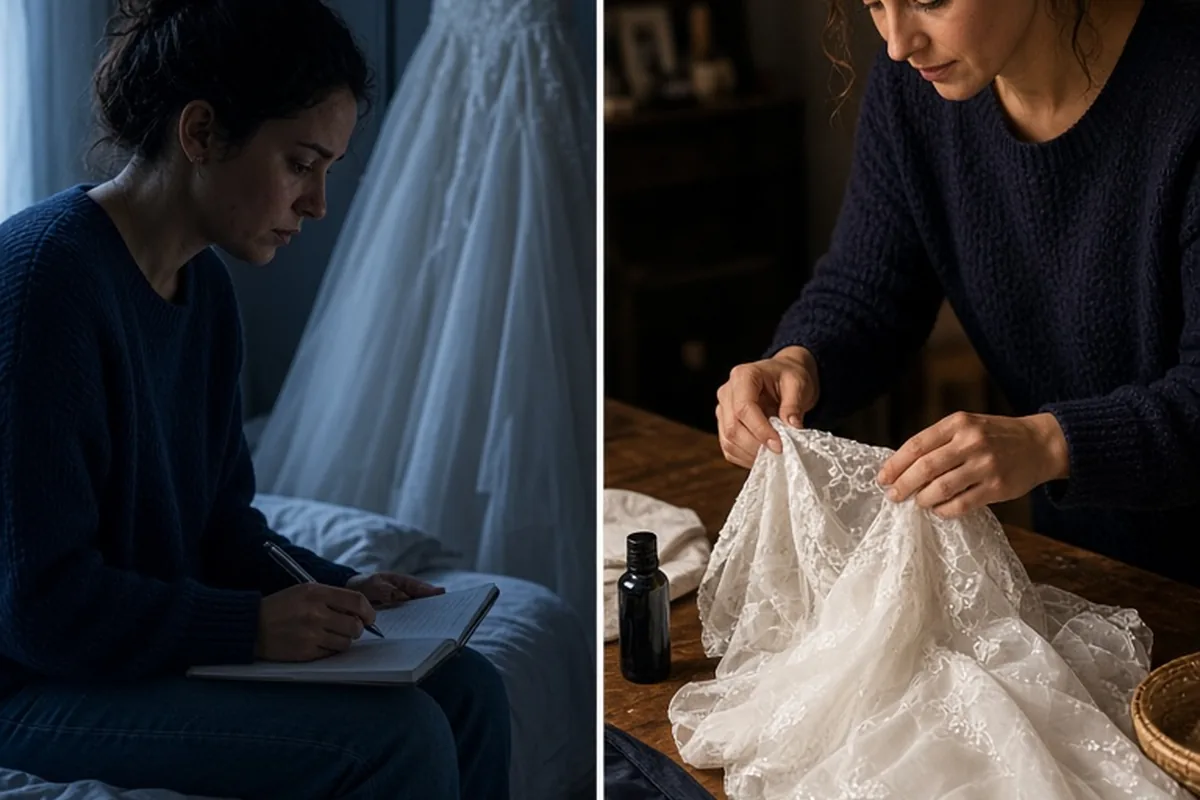
Wedding dress resale value on a budget depends on designer demand, silhouette trends, fabric condition, and the degree of custom alterations. Most pre-owned wedding dresses sell for a fraction of their retail price, with standard off-the-rack and budget gowns recovering less than high-demand boutique labels. To maximize your return, preserve original seam allowances during tailoring, professionally clean the gown immediately after the event, photograph original tags, and list on specialized bridal resale platforms with precise measurements.
Purchasing a wedding gown while managing a strict wedding budget often leads brides to consider future resale value as part of their overall financial equation. Treating a wedding dress as an asset that can return cash back into your household budget requires understanding how the secondary bridal market actually operates before you make your initial purchase or commit to permanent alterations.
Evaluating Market Demand for Budget and Mid-Tier Bridal Designers
The secondary bridal market is driven largely by brand recognition, silhouette timelessness, and style versatility. When brides search resale platforms on a budget, they frequently filter by recognized bridal designers or popular ready-to-wear labels whose standard sizing they already know. Independent custom builds, unbranded mass-market imports, and heavily modified vintage pieces face a smaller buyer pool because prospective buyers cannot easily cross-reference how the piece fits or verify the original manufacturing quality.
If your primary goal is to recoup a portion of your spending, prioritizing established mid-tier bridal lines or popular off-the-rack collections can improve your resale prospects. High-street bridal collections and mid-range designer diffusion lines retain interest because secondary buyers know their standardized size charts. Conversely, ultra-niche or ultra-budget gowns from unverified online retailers often carry minimal resale value because shipping costs and professional cleaning can quickly exceed the value of the dress itself.
Market demand also fluctuates by aesthetic category. Classic A-line, simple crepe sheaths, and minimalist slip dresses tend to maintain broader appeal across multiple wedding seasons than gowns with highly specific, trend-dependent embellishments such as oversized 3D floral appliques or distinctive colored underlays. Choosing a versatile, well-constructed gown makes it significantly easier to find a matching buyer when you are ready to list.
How Tailoring and Hemming Alterations Reshape Wedding Dress Resale Value
Alterations are necessary for achieving a flattering fit on your wedding day, but aggressive tailoring is one of the fastest ways to reduce resale value. Every inch of fabric removed from a hemline or side seam shrinks the potential market of future buyers who can wear the garment. When working with your tailor, explicitly request that they keep internal fabric intact rather than cutting away seam allowances whenever technically possible.
Hemming presents the most significant hurdle for second-hand bridal shoppers. A dress hemmed for a bride who is five feet two inches tall cannot easily be lengthened for a taller buyer, whereas a dress hemmed for someone five feet eight inches can still be shortened by anyone of equal or lesser height. If you plan to sell the gown later, consider your shoe height carefully and discuss with your tailor whether a gentle taper or a slightly longer front hemline can achieve your desired look without permanently eliminating vertical length.
Bust adjustments and internal support modifications also alter standard sizing. Installing permanent cups, taking in the bustline by multiple cup sizes, or dramatically lowering a back closure will turn a standard label size into a unique custom shape. Keep a written log of your exact body measurements on the day of the final fitting, along with the dress's finished flat measurements, so you can provide transparent, reliable dimensions to prospective buyers.
Post-Wedding Cleaning, Preservation, and Storage Choices
The condition of your gown at the time of listing directly dictates whether buyers will consider your asking price. Grass stains, outdoor soil along the train, sweat marks, makeup transfers, and invisible sugar stains from spilled beverages oxidize over time, turning yellow or brown if left untreated. Delaying professional cleaning by even a few weeks can make certain stains permanent, drastically diminishing the gown's secondary value.
Choosing between standard dry cleaning and specialized bridal preservation depends on your selling timeline. If you intend to sell the dress immediately after the wedding, standard professional wedding dress cleaning without sealed preservation boxing is generally the better option. Sealed preservation chests prevent buyers from requesting updated flat measurements or examining high-resolution photos of the interior lining and delicate exterior lace before purchase.
After cleaning, store the gown in a breathable fabric garment bag rather than a non-breathable plastic dry-cleaning sheath, which can trap ambient moisture and cause mildew or fiber discoloration. Hang the dress by its internal support ribbons rather than the delicate shoulder seams or straps to prevent stretching out the bodice while it is stored in a cool, dark, climate-controlled closet awaiting its next owner.
Choosing Between Bridal Consignment Boutiques and Direct Listing Platforms
Selling your wedding dress involves choosing between physical consignment boutiques and direct peer-to-peer online platforms. Local consignment shops offer hands-off convenience; they inspect the gown, display it in a retail space, manage bride appointments, and handle transactions directly. However, consignment shops typically retain a substantial commission percentage of the final sale price, and they often reject gowns that are older than two seasons or have minor wear.
Online peer-to-peer marketplaces dedicated to bridal items allow you to set your own asking price and reach a nationwide or international audience of budget-conscious brides. These platforms charge lower transaction or listing fees compared to brick-and-mortar consignment, meaning a higher percentage of the proceeds stays with you. The trade-off is that you must handle your own product photography, answer detailed fit questions, coordinate domestic shipping, and manage buyer interactions yourself.
General online classifieds and broad second-hand marketplaces can also be useful for local, in-person pickups that bypass shipping fees entirely. When using local channels, prioritize verified payment methods and secure public exchange locations. Evaluate whether the higher net payout of direct online selling outweighs the convenience of handing the dress over to a local bridal consignment professional.
Photographing and Describing a Pre-Owned Gown for Serious Buyers
High-quality, transparent visual presentation is critical to attracting serious buyers on second-hand marketplaces. Online shoppers are inherently cautious when purchasing wedding attire without the ability to try it on first. Include clear, well-lit photos of the dress on a hanger or dress form against a neutral background, showing full-length front, back, and side views, along with close-ups of the lace, beadwork, buttons, and neckline.
Stock photos from the original designer can help buyers recognize the general model and silhouette, but real-life photos of your actual dress are what establish trust. You should photograph the original manufacturer tag, the size tag, the care label, and close-up images of the hemline and underarm areas to demonstrate that there is no hidden discoloration. If the dress has any imperfections, such as a missing button, a tiny tear in the tulle, or minor hem fraying, photograph it clearly and describe it openly in the listing.
Your written description should be thorough and structured. State the designer name, collection year, original label size, street size, and current altered measurements (bust, waist, hips, and hollow-to-hem length). Note the height of the bride who wore it along with the heel height used during the event. Mentioning whether the dress has been professionally cleaned and describing the type of bustle installed gives buyers immediate clarity on whether the gown will work for their body and event timeline.
Managing Buyer Inquiries, Shipping Logistics, and Payment Protection
Direct peer-to-peer selling requires managing logistical risks and setting firm boundaries with prospective buyers. Inquiries often involve requests for custom videos, additional measurement verifications, or negotiations over price and shipping. Respond promptly with objective measurements rather than subjective fit opinions, reminding buyers that formalwear sizing differs significantly from everyday street sizing.
Shipping a delicate wedding gown requires careful packaging to prevent moisture damage and creasing during transit. Turn the dress inside out, place it inside a clear protective plastic polybag, and carefully fold it into a sturdy, appropriately sized corrugated shipping box. Always purchase shipping insurance that covers the full agreed sale price, and require a direct signature upon delivery to prevent package theft or fraudulent claims of non-receipt.
Use established payment rails provided directly by reputable resale marketplaces or protected merchant processors that offer seller dispute resolution. Avoid wire transfers, unverified third-party checks, or off-platform payment links that leave you with no recourse in the event of a dispute. Establish a clear, documented sales policy stating that the item is sold as described with final-sale terms, matching the standard protocols of the platform you choose.
Setting a Realistic Asking Price and Timing Your Resale Listing
Pricing a pre-owned wedding dress requires separating emotional attachment from current market conditions. Secondary bridal market value drops immediately once a dress has been worn and altered. To determine a competitive asking price, search completed and sold listings for your exact designer and style name rather than relying on active listings, which may reflect overly optimistic seller expectations.
If your dress is from a recent bridal season, in pristine condition, and accompanied by original purchase documentation, you can price it competitively near the average of recently completed sales for that designer tier. If the dress is more than three years old, uncleaned, or heavily altered, your asking price must reflect the additional costs the buyer will incur for tailoring and stain treatment.
Timing also plays a role in engagement. Bridal shopping surges during late winter and early spring as brides plan for summer and autumn weddings. Listing your dress promptly after your wedding while the style is still featured in current bridal media maximizes your visibility. If a listing remains active for several months without inquiries, consider revising the price, bundling an accessory like a matching veil, or refreshing the cover photos to rekindle buyer interest.
Frequently asked questions
Can I sell a wedding dress that has already been altered?
Yes, altered wedding dresses sell regularly on secondary bridal platforms. You must provide exact flat measurements for the bust, waist, hips, and hollow-to-hem length rather than relying solely on the original manufacturer tag size. Clearly disclosing all modifications helps buyers determine if the gown can be tailored to their frame.
Should I pay to clean my wedding dress before listing it for sale?
Professionally cleaning the gown before listing significantly improves your chances of a prompt sale and justifies a higher asking price. Uncleaned dresses with visible hem soiling or makeup stains deter cautious buyers who worry the stains may be permanent. If you choose to sell it uncleaned, clearly discount your asking price to offset the buyer's future cleaning costs.
How long does it typically take to sell a pre-owned wedding dress?
The resale timeline varies widely based on designer popularity, size, price, and season. While highly sought-after contemporary styles priced competitively may sell within a few weeks, many wedding gowns take several months to find the right buyer. Patience and proactive price adjustments are common throughout the process.
Your next step
Take flat measurements of your dress's bust, waist, hips, and length, photograph the original designer tag, and check completed sales on specialized bridal resale sites to set an accurate baseline price.