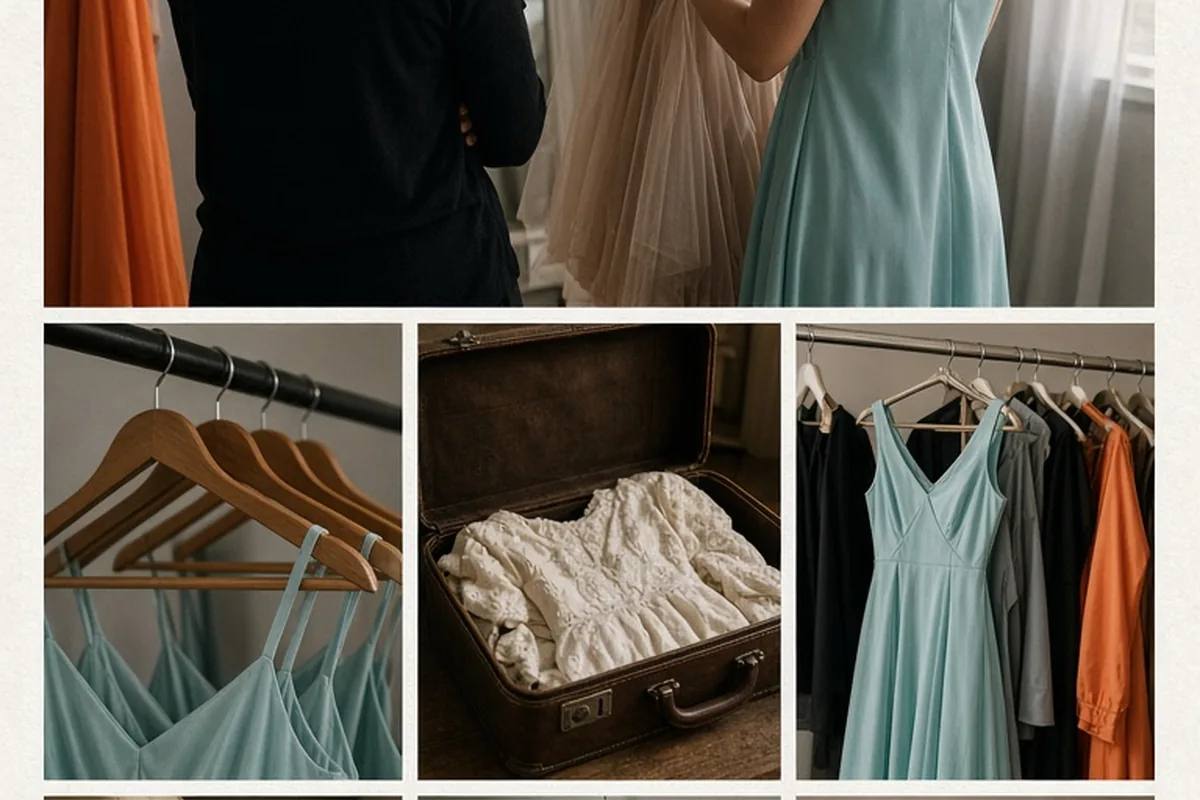
Wedding dress shopping alternatives include renting designer gowns, buying pre-owned dresses through bridal resale marketplaces, purchasing ready-to-wear evening gowns from department stores, sourcing vintage garments, wearing tailored bridal separates, and commissioning custom pieces from independent sewists. These non-traditional pathways bypass traditional salon markups, months-long manufacturing lead times, and rigid appointment cultures while expanding choices for sustainability, comfort, and distinct personal style.
Traditional bridal salons often require bookings months in advance, charge non-refundable deposits, and enforce multi-stage production schedules that do not fit every wedding timeline or lifestyle preference. Looking outside the conventional boutique model allows you to find garments that match your aesthetic preferences, budget constraints, and delivery deadlines without the pressure of typical salon sales tactics.
Renting High-End Wedding Gowns for Short-Term Wear
Renting a wedding dress provides direct access to luxury designer craftsmanship, intricate beading, and premium fabrics at a fraction of standard retail purchase prices. Rental platforms and specialty wardrobe services typically offer multi-day booking windows, allowing you to receive the garment several days before the ceremony and return it via prepaid shipping immediately after. This path eliminates the long-term storage, preservation, and dry-cleaning obligations that accompany gown ownership, making it particularly appealing for destination weddings, elopements, or minimalists who prefer not to keep an heirloom.
The primary limitation of dress rental involves alterations. Because the rental company must maintain the garment for future clients, permanent tailoring, hem cuts, or neckline modifications are strictly forbidden. Most rental services permit temporary fashion tape, safety pins, or minor, non-damaging temporary snaps, but your measurements must closely align with the designer's standard sizing block. When booking a rental, always order a backup size if offered, carefully review the included damage insurance policy to understand what covers minor food or dirt stains, and establish a firm shipping timeline that accounts for potential carrier delays.
Navigating Online and In-Person Pre-Owned Bridal Marketplaces
Secondhand bridal marketplaces, dedicated resale platforms, and local consignment boutiques offer access to recent designer collections, discontinued silhouettes, and pristine sample gowns. Many pre-owned dresses have been worn for only a few hours or were purchased as sample inventory and never worn at an actual wedding. Opting for resale significantly reduces fabric waste and manufacturing demand while allowing buyers to acquire structured corsetry, French lace, or silk crepe that would otherwise sit outside their target price bracket.
Successful secondhand shopping requires diligent verification of measurements rather than trusting listed label sizes. Bridal sizing runs substantially smaller than standard ready-to-wear clothing, and previous owners often alter the bust, waist, hemline, or bustle before their own ceremonies. Ask the seller for flat-lay garment measurements across the bust, natural waist, hips, and front hollow-to-hem length. Request clear, unedited photographs of high-friction areas such as the underarms, train hemline, and zipper track to check for makeup transfers, snagged lace, or loose boning before issuing payment.
Choosing Ready-to-Wear Evening Gowns and Department Stores
Mainstream fashion retailers, department stores, and contemporary evening wear labels produce floor-length white, ivory, champagne, and metallic gowns that function beautifully as wedding attire. These garments are designed for immediate purchase, standard commercial sizing, and straightforward home delivery, bypassing the six-to-nine-month lead times typical of special-order bridal houses. This option works exceptionally well for courthouse ceremonies, modern rooftop celebrations, casual garden gatherings, or couples planning on condensed timelines.
Ready-to-wear collections also bring clear, consumer-friendly return policies that traditional bridal salons refuse to offer. You can order multiple sizes or silhouettes to try on in your own home with your preferred undergarments and shoes, returning the unselected options within the retailer's standard return window. When evaluating ready-to-wear dresses, examine the interior construction to determine whether the garment includes built-in cups, interfacing, or lining, as lighter commercial fabrics may require specialized shapewear or separate tailoring to achieve a clean drape.
Sourcing One-of-a-Kind Silhouettes from Vintage and Estate Boutiques
Vintage boutiques, estate sales, and antique textile dealers house distinctive historical garments ranging from 1930s bias-cut satin slips and 1950s tea-length tulle dresses to 1970s crochet lace maxi gowns. Sourcing a vintage piece guarantees an uncommon silhouette with distinct construction details, such as hand-covered buttons, authentic metallic thread embroidery, and heavyweight natural silks rarely found in modern mass-produced bridal wear. For individuals who value fashion history or desire an unconventional aesthetic, vintage garments offer unmatched character.
Purchasing vintage requires an eye for textile integrity and realistic expectations regarding restoration. Aged fabrics such as silk organza or fragile netting can dry out and tear under tension, and historic garments frequently exhibit natural patina, minor discoloration, or oxidation along seam allowances. Partner with a professional dry cleaner who specializes in heirloom restoration before scheduling fittings, and locate an experienced tailor capable of reinforcing delicate seams, replacing aged thread loops, or modernizing structural closures without damaging the original materials.
Embracing Tailored Bridal Separates, Suits, and Jumpsuits
Bridal separates, tailored pant suits, and sleek jumpsuits provide versatile alternatives to single-piece floor-length gowns. Pairing a structured corset, silk camisole, or embellished lace top with a voluminous ballgown skirt, wide-leg trousers, or a sharp cigarette pant allows you to customize proportions to your exact body shape. This approach solves a common fit challenge where top and bottom measurements fall into different size brackets, avoiding extensive structural deconstruction during alterations.
Modular wedding wardrobes also offer long-term utility after the wedding day. While a traditional bridal gown rarely finds a second occasion for wear, a finely tailored ivory blazer, structured silk bodice, or wide-leg crepe trouser can be integrated into your regular wardrobe for anniversaries, formal events, or special gatherings. Combining pieces from different brands also lets you balance your spending across items, allocating more toward a high-impact jacket or skirt while choosing an understated, accessible top.
Commissioning Custom Designs from Independent Dressmakers
Hiring an independent dressmaker, custom sewist, or local atelier allows you to design a wedding outfit from scratch, selecting every element from fabric weave and lining weight to neckline depth and skirt volume. This bespoke process ensures that the finished piece conforms precisely to your posture and proportions from the first cut of fabric, eliminating the tension of trying to modify a standard-sized dress to fit an unusual torso length or shoulder slope.
Clear communication and timeline management are critical when working with an independent designer. The custom process typically requires an initial sketch consultation, multiple muslin mock-up fittings to refine pattern geometry, and secondary fittings in the final fashion fabric. To avoid unexpected cost overruns, establish a comprehensive contract that specifies the total number of fittings included, outlines who purchases the raw textiles and notions, and defines the change-order protocol if you choose to alter design elements midway through production.
Budgeting for Alterations, Shipping, and Hidden Acquisition Costs
Regardless of the sourcing method you select, ancillary costs can substantially influence your final wardrobe budget. Traditional salons often charge separate fees for rush manufacturing, garment bags, and in-house alteration packages that add significant expenses to the initial ticket price. Alternative routes also introduce their own logistical expenses that must be accounted for during early planning.
When purchasing pre-owned, vintage, or ready-to-wear items, always factor in the costs of third-party professional tailoring, specialized fabric cleaning, and insured shipping. Resale purchases often require deep cleaning to remove storage scents or minor dust along the hem, while vintage garments may require structural reinforcement of fasteners and lining replacements. Request quotes from local alteration specialists before purchasing non-returnable items online so you understand the total investment required to make the garment fit comfortably.
Frequently asked questions
Can I have a rented wedding dress altered to fit my body?
Most rental companies do not allow permanent alterations, cutting, or tailoring because the dress must remain in original condition for subsequent customers. Minor, non-damaging adjustments using body adhesive, temporary safety pins, or non-permanent fashion tape are generally permitted if they leave no residue or tears.
How do I know what size to buy when purchasing a pre-owned wedding gown online?
Never rely on the numeric label size, as bridal sizing differs from street sizing and the original owner likely altered the garment. Ask the seller for flat measurements across the bust, waist, hips, and total length from shoulder to hem, then compare those numbers directly to your own body measurements taken with a flexible measuring tape.
Are ready-to-wear white evening dresses made differently than traditional bridal gowns?
Ready-to-wear evening dresses often feature lighter lining, softer interior support, and fewer layers of internal crinoline or boning compared to heavy bridal salon gowns. They offer greater mobility and comfort, though you may need to choose dedicated undergarments or shapewear to achieve structured support.
Your next step
Take your accurate bust, waist, hip, and hollow-to-hem measurements with a flexible tape measure today so you can evaluate sizing charts across rental, resale, and ready-to-wear platforms with complete confidence.